Reviving Bathroom Grout with Steam Cleaning for Under $150
The Power of Steam to Restore Grimy Grout
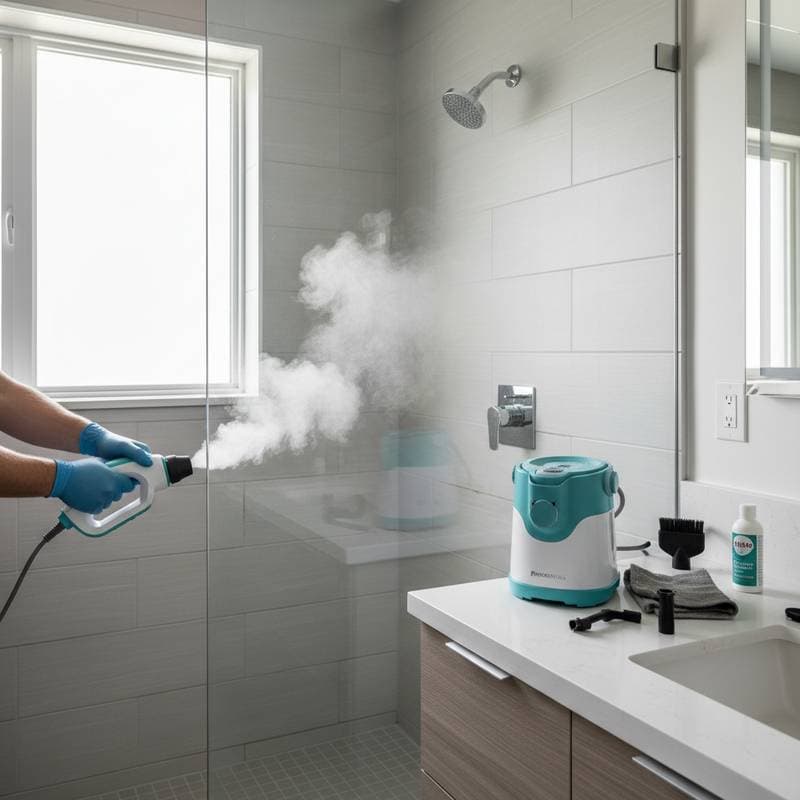
High-temperature steam penetrates the porous structure of grout lines, lifting embedded dirt, soap residue, and mildew without the need for abrasive tools or toxic substances. This approach preserves the integrity of tile surfaces while delivering results comparable to professional services at a fraction of the cost. Homeowners benefit from a cleaner environment and reduced long-term maintenance expenses.
Essential Considerations: DIY or Professional Intervention
Steam cleaning suits situations where grout appears discolored yet remains structurally sound. The process restores visibility and cleanliness without introducing additional wear. Proceed with this method only after confirming the absence of cracks or loose segments.
Detailed Step-by-Step Guide
Initial Preparation
Ensure the bathroom floor remains free of loose particles by sweeping thoroughly or using a vacuum with a brush attachment. Follow this by wiping tiles with a damp cloth to eliminate hairs and fine dust. A pristine starting point maximizes the steam's effectiveness in targeting grout-specific stains.
For heavily soiled lines, apply a light spray of warm water to precondition the surface. This step softens surface-level buildup without oversaturating the material. Excess moisture at this stage could dilute the steam's concentrated heat.
Assembling and Testing Equipment
Pour distilled water into the steam cleaner's reservoir as specified in the user manual, then allow the unit to reach optimal temperature, typically five to ten minutes. Select a narrow-bristled attachment suited for tight spaces, such as grout channels between tiles.
Conduct a preliminary test on an inconspicuous area, like behind a fixture, to verify compatibility with your flooring. Durable options including porcelain and ceramic withstand steam well, whereas delicate materials like marble demand gentler settings or alternative methods to prevent etching.
Applying Steam to Grout Lines
Position the nozzle approximately two inches from the target area and advance at a measured pace, pausing for three to five seconds per segment. The vapor's heat disrupts stubborn contaminants that resist conventional cleaning.
Divide the floor into manageable zones of two square feet each to maintain control and prevent cooling of the steam output. Wipe away dislodged residue promptly with a clean microfiber cloth, ensuring lifted particles do not redeposit into adjacent lines.
Addressing Persistent Stains
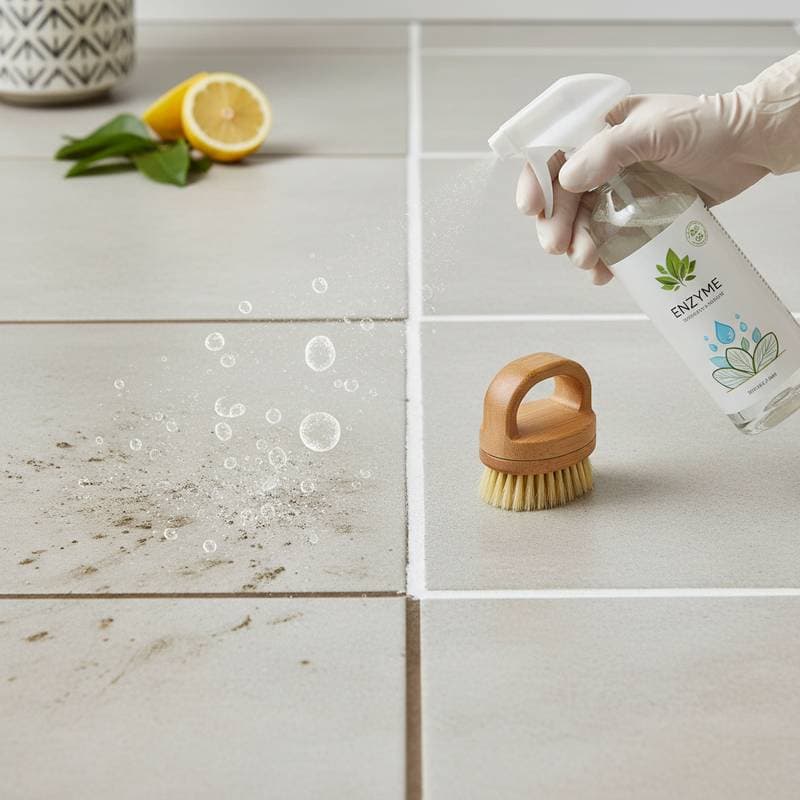
Incorporate a soft-bristled toothbrush to gently scrub while directing steam, focusing on isolated dark spots. Apply minimal pressure to avoid abrading the grout's texture. This combination dislodges tenacious deposits without compromising the surface.
Should remnants linger, introduce a solution of one part mild dish soap to ten parts water post-steaming. Allow it to dwell for two minutes, then reapply steam to flush the area clean. Rinse with plain steam afterward to eliminate any soap traces.
Final Drying and Evaluation
Absorb standing water using absorbent towels or a rubber squeegee, pressing firmly to extract moisture from grout crevices. Permit full air drying, which may take several hours depending on humidity levels, before resuming normal use.
Examine the refreshed lines under good lighting for previously obscured flaws, such as hairline fractures. Address these promptly with a grout repair kit to safeguard against future complications.
Strategies for Long-Term Grout Preservation
Establish routines that minimize reaccumulation of grime to extend the lifespan of cleaning efforts. Daily habits prove more effective than sporadic deep cleans in sustaining a hygienic space.
- Dry surfaces immediately after bathing with a dedicated towel to inhibit soap film formation.
- Apply a weekly rinse of equal parts white vinegar and water using a spray bottle, followed by a thorough wipe.
- Maintain airflow by operating the exhaust fan for at least thirty minutes post-shower or cracking a window to dissipate steam.
- Perform brief steam treatments quarterly on high-traffic areas to preempt buildup.
Expert Recommendations for Optimal Outcomes
Opt for a rental model from a reputable supplier featuring at least 50 PSI of pressure, as higher specifications yield superior penetration and efficiency over budget purchases. Such units often include variable heat controls for customized application.
Prioritize testing on edged or patterned tiles to avoid unintended discoloration. Maintain a steady rhythm during operation, covering no more than six inches per pass to ensure even treatment.
Steer clear of wire or metal implements, which risk gouging both grout and tile edges. Should water seep from joints during or after the process, halt operations and monitor for evaporation over twenty-four hours, signaling potential subfloor concerns.
Extending Steam Techniques to Other Surfaces
The principles of steam cleaning extend beyond bathrooms, offering versatile applications for various home features. Apply similar methods to kitchen tile surrounds, where grease and spills accumulate rapidly, achieving a sanitized finish without residues.
Outdoor patios with compatible stone or concrete benefit from periodic steaming during dry seasons, removing pollen and light moss. This skill fosters self-reliance in home care, empowering individuals to tackle diverse maintenance challenges with confidence and precision. Results endure through consistent application, outperforming temporary solutions in both appearance and durability.