Key Points
- Acoustic garden walls reduce intrusive noise and create serene outdoor spaces
- Cost-effective options feature composite materials or solid wood panels
- Proper installation ensures optimal sound absorption and long-term durability
- This project suits intermediate DIYers with basic construction skills
- Long-term benefits include enhanced relaxation and increased property value
Understanding Acoustic Garden Walls
Urban environments frequently introduce disruptive sounds into backyard areas, including traffic from nearby roads, barking dogs, or construction equipment. Acoustic garden walls provide an effective solution by blocking these noises while adding visual appeal to landscapes. Initially developed for highways and factories, these barriers have evolved to fit residential settings seamlessly.
Project Overview
Working Time: One to two weekends
Total Time: About three days, including drying periods and finishing
Skill Level: Intermediate
Estimated Cost: Moderate, depending on material choices
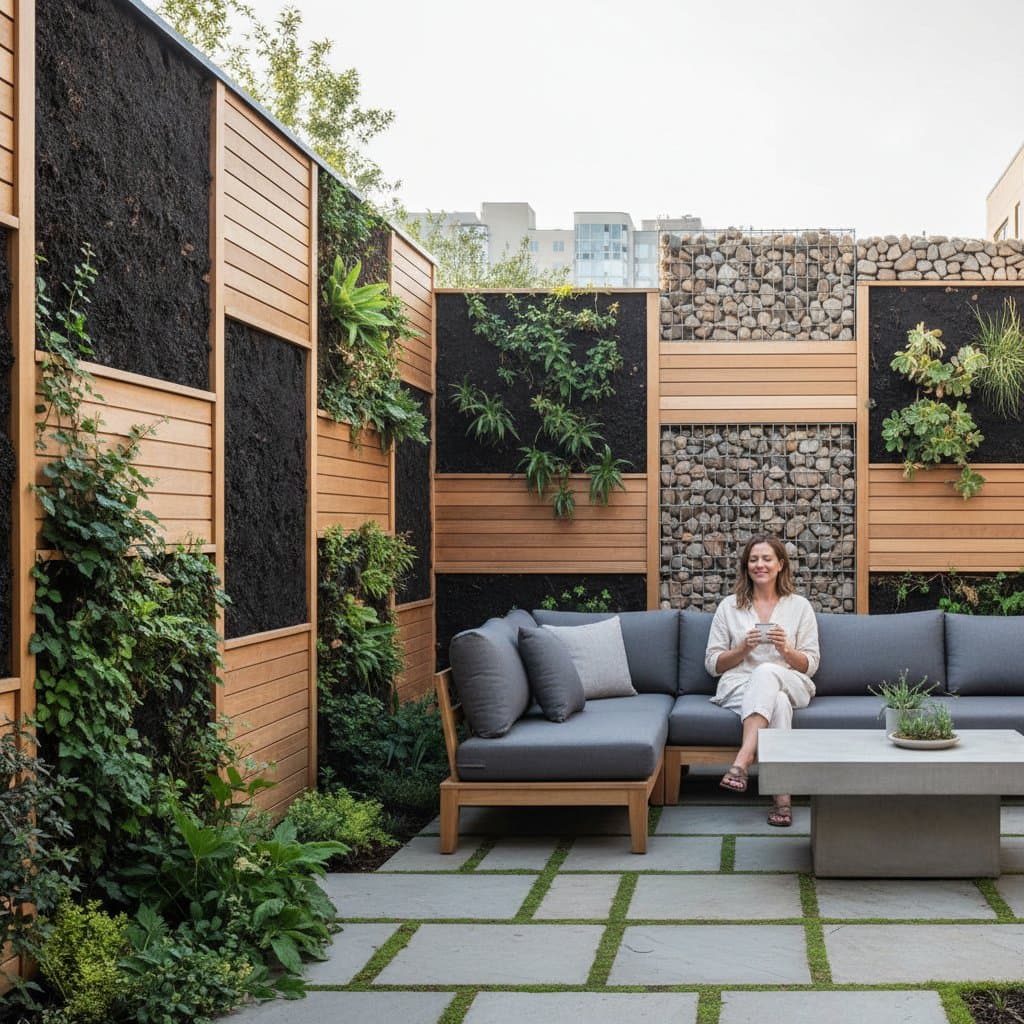
Build acoustic garden walls with dense timber for a natural look, concrete panels for exceptional durability, or composite boards filled with sound-absorbing materials for cost efficiency. Timber integrates well in wooded yards, concrete resists severe weather, and composites offer strong performance without high costs. Consider yard dimensions, noise volume, and wall height during planning; a six-foot height often handles typical residential sounds, though taller designs benefit from expert evaluation for safety.
Choosing DIY or Hiring Professionals
Experienced DIY enthusiasts can construct a soundproof garden wall using standard carpentry techniques, such as setting posts, aligning panels, and applying finishes. The project requires tools like a post-hole digger, level, circular saw, and drill, along with knowledge of basic framing. Gather these items beforehand to maintain project momentum.
Hire professionals for complex situations, including uneven terrain, walls exceeding six feet, or local regulations requiring deep foundations. Specialists confirm compliance with building codes and ensure the structure supports wind loads effectively. This prevents costly repairs and guarantees a secure installation.
Materials and Tools Required
Materials:
- Pressure-treated wooden posts or galvanized steel for the framework
- Sound-rated panels, mass-loaded vinyl, or thick plywood for the main barrier
- Coarse gravel and ready-mix concrete for stable footings
- Exterior sealant, UV-resistant paint, or stain for weather protection
Tools:
- Tape measure and spirit level for accurate measurements
- Circular saw to cut panels precisely
- Cordless drill with appropriate bits for secure attachments
- Post-hole digger, manual or powered, for digging foundations
- Safety gear such as gloves, goggles, and dust masks
Purchase materials from hardware stores or acoustic specialists to ensure they meet performance standards. Verify compatibility between components to avoid installation issues.
Step-by-Step Construction Guide
-
Plan the Layout
Mark the wall's route to block main noise entry points, focusing on areas like seating zones or play spaces. Draw a simple diagram that respects property boundaries and avoids underground utilities. Measure distances carefully to determine material quantities.
-
Install the Posts
Dig holes one-third the depth of the post length, usually two to three feet deep, for firm anchoring. Add a layer of gravel for drainage, set posts vertically using a level, and fill with concrete. Support posts with braces during the 24- to 48-hour curing time.
-
Secure the Acoustic Panels
Cut panels to fit tightly between posts, reducing gaps that allow sound leakage. Attach using rust-resistant screws every six to eight inches along the frame. Seal joints with acoustic caulk to block moisture and further dampen noise.
-
Apply Finishes
Protect the wall with a coat of sealant or stain to resist decay and color loss. Add features such as planters along the base, lattice extensions, or supports for climbing plants. These elements enhance both utility and visual harmony with the garden.
Testing and Refining the Installation
After completion, assess the wall's effectiveness by playing sounds from noise sources or monitoring natural activity. Effective designs reduce noise by 10 to 20 decibels, creating a quieter atmosphere. Use a free decibel meter app on a smartphone to record measurements before and after for precise evaluation.
Inspect for weak spots, such as unsealed edges or loose fittings, and reinforce with extra insulation or panels if needed. This verification process confirms the wall meets expectations and guides any minor tweaks for superior performance.
Maintaining the Structure Over Time
Trim nearby vegetation annually to promote air circulation and prevent moisture buildup at the foundation. Reapply protective coatings every two to three years, adjusting based on local weather patterns. Perform yearly inspections to check for loose screws, shifting posts, or surface damage, making repairs promptly.
These habits extend the wall's lifespan, preserving its noise-blocking capabilities and appearance. Consistent care ensures the investment continues to deliver value without unexpected expenses.
Enhancing Outdoor Living Through Sound Control
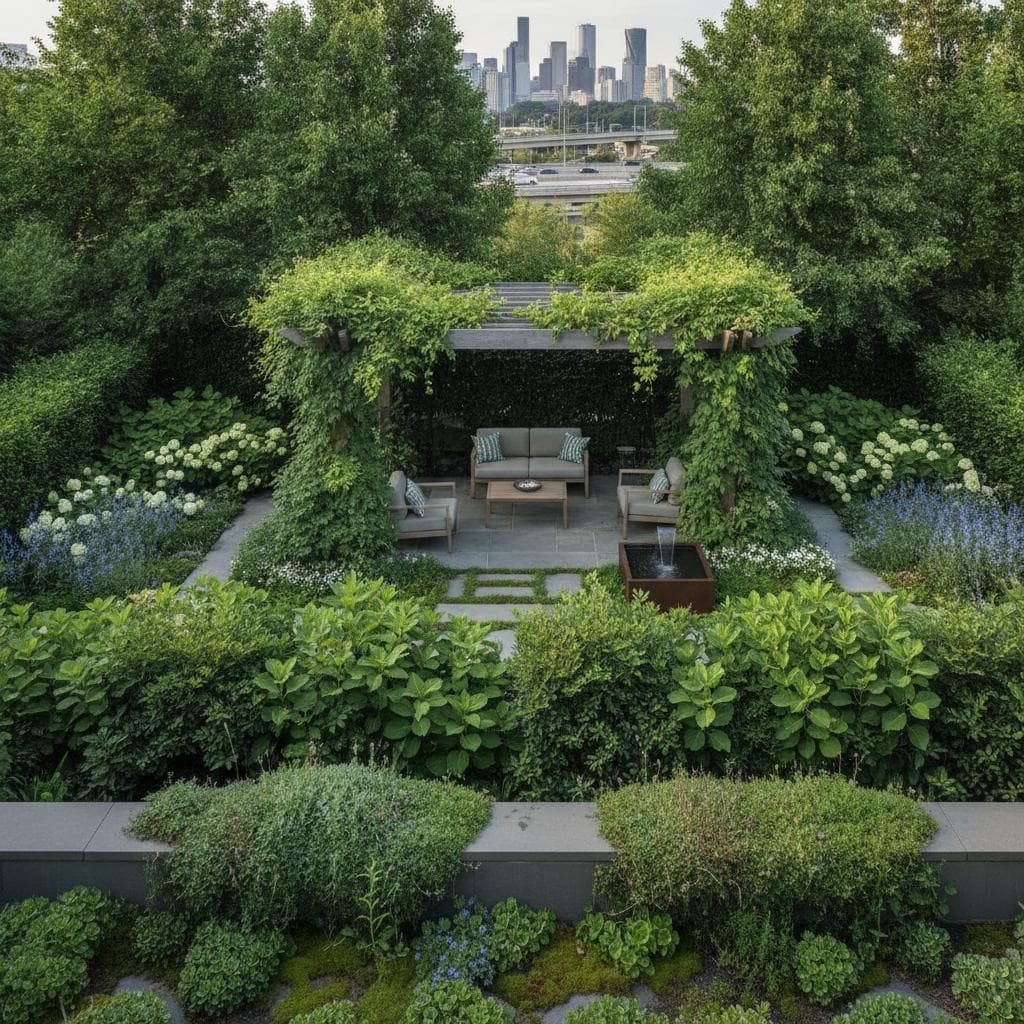
An acoustic garden wall transforms noisy backyards into inviting retreats where natural sounds like wind through leaves or birdsong take center stage. This setup restores the joy of outdoor gatherings and daily relaxation. Over time, the improved ambiance boosts property desirability, offering lasting returns on the effort invested.