The Growing Appeal of Acoustic Garden Walls in Modern Landscapes
Homeowners today desire backyards that function as true sanctuaries. Imagine starting the day with a quiet cup of coffee, listening to birds instead of traffic or lawnmowers from next door. Acoustic garden walls meet this need by turning exposed outdoor areas into protected retreats that balance peace with pleasing visuals.
This trend reflects deeper changes in how people use their homes. With more time spent indoors and out, outdoor spaces now extend living areas seamlessly. As a result, features like sound control, style, and comfort matter as much outside as they do inside.
The sections ahead explore what fuels the rise of these walls, how they work to manage noise, and key design choices that deliver both function and form.
How Acoustic Garden Walls Control Sound
Irregular Textures for Scattering Waves. Smooth surfaces bounce sound back, but rough or wavy ones break it up. Add ridges, curves, or layered stone to diffuse echoes and lower overall volume.
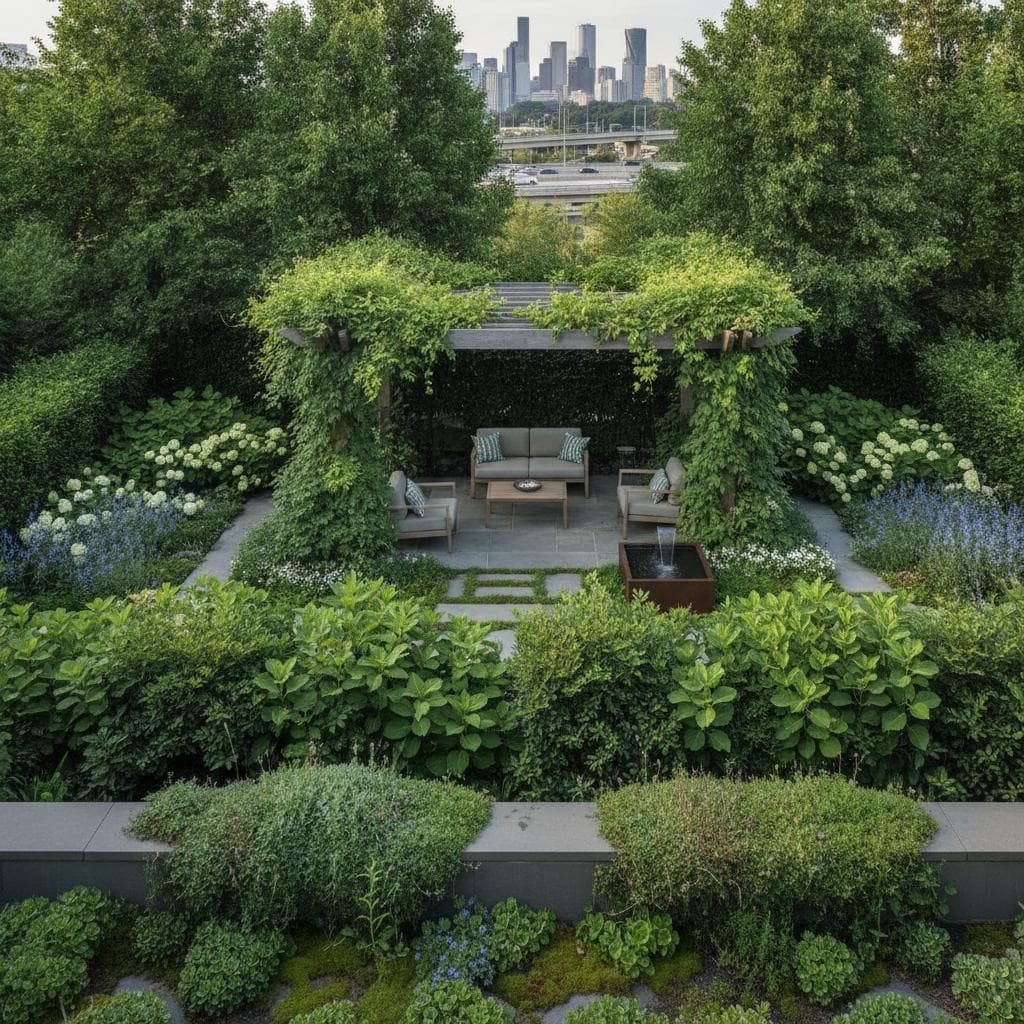
Plant-Based Absorption for Dampening. Layer in plants like thick ivy, ferns, or moss panels to soak up remaining vibrations. Dense greenery, such as a 2-foot-deep hedge, absorbs high-frequency sounds from voices or machinery.
Strategic Height to Break Sightlines. Raise walls at least 6 feet to interrupt direct noise paths. This forces sound waves to bend around, reducing intensity in seating areas by redirecting linear travel.
Many advanced walls use stacked layers, such as a solid base with air gaps and plant covers. These setups trap sound energy inside, while built-in planters turn barriers into thriving green features.
Choosing Materials That Perform and Please the Eye
The right materials ensure walls block noise effectively and fit into your yard's look. Select based on your goals for soundproofing, style, and site conditions like soil type or weather exposure.
Top material picks are:
-
Poured Concrete or Stucco-Covered Blocks: These offer strong sound blocking thanks to their weight and durability. Apply smooth gray finishes for a modern vibe or textured coatings to mimic rugged rock faces.
-
Clay Bricks in Varied Patterns: Bricks provide warm tones and reliable insulation. Use a basketweave layout for subtle pattern play that suits traditional homes without overwhelming the space.
-
Treated Wood Panels with Soundproof Backing: Cedar or redwood slats over foam cores give a natural feel. This choice works well for lighter installs, cutting installation time while handling mid-level noise from urban streets.
-
Living Wall Modules: Attach pre-grown plant panels to metal frames for eco-friendly sound control. These systems support ferns and sedums, needing drip irrigation to stay lush in sunny spots.
Budget-friendly hybrids save money: Start with a basic block base, then add wire frames for vines like clematis. Mix smooth and rough surfaces across levels to boost sound diffusion on a moderate budget.
Adding Elements to Boost Quiet and Comfort
Pair walls with other features to strengthen noise reduction and create a calmer atmosphere. These extras work together to shield your outdoor space from disruptions.
Useful additions include:
-
Water Features for Masking Sounds: Install a bubbling fountain or small waterfall to generate gentle white noise. Position it near seating to drown out distant horns or conversations.
-
Layered Plant Borders: Plant rows of broad-leaf shrubs like boxwood, followed by tall grasses such as pampas. This setup catches noise early, with thick leaves absorbing up to 20 percent more sound than bare ground.
-
Fabric Accents for Softening Echoes: Hang outdoor curtains or place cushioned benches to cut reflections off patios. Use UV-resistant fabrics in earth tones to blend with garden themes.
-
Smart Layout Adjustments: Shift relaxation spots behind natural windbreaks like evergreen rows. This placement extends the wall's reach, creating zones where noise drops by half.
Combining several tactics often outperforms a single big wall, offering tailored protection with less effort.
Budget-Friendly Ways to Reduce Garden Noise
Permanent walls work for many, but simpler options provide solid results at lower cost and with easier setup.
Practical alternatives are:
-
Bamboo Fencing with Plant Bases: Tall bamboo poles scatter everyday noises like car doors. Add low-growing junipers at the bottom for extra thickness and year-round coverage.
-
Thick Shrub Hedges: Grow evergreens such as yew or privet in double rows to build natural barriers. A 10-foot-wide hedge can match a mid-height wall's noise cut after two years of growth.
-
Acoustic Panels on Existing Fences: Glue on outdoor foam boards covered in mesh. These neutral-colored add-ons boost absorption without visible changes to your current setup.
-
DIY Vertical Planters: Stack recycled crates with trailing vines like pothos for green screens. Secure to posts with brackets for a custom look that evolves with the seasons.
These methods may not block as much as full walls, but they deliver real quiet and allow tweaks for changing needs.
Installing and Caring for Your Acoustic Wall
Once in place, the wall shifts your garden's feel right away. Outside sounds fade, letting you enjoy clear conversations or solo reading without interruptions. The space becomes a real escape that sharpens focus on nature's subtle sounds.
Over time, living parts fill out and add depth. Leaves thicken, stones weather to soft grays, and the whole setup looks more integrated. Many owners find they spend hours more outside, drawn by the calm that supports rest and play.
This choice goes beyond style; it builds lasting value in your home. Focus on setups that match your routine for rewards that grow with use.
Planning and Building Your Own Acoustic Garden Wall
Start by walking your yard to spot main noise sources, like roads or pools nearby. Sketch wall locations that align with views and wind patterns, which carry sound farther on breezy days.
Then, match materials to your home's lines and how much care you want to give. Go for plant walls if you enjoy gardening; pick low-maintenance stone with LED lights for easy appeal.
Hire experts for safe builds, particularly if adding height or water lines. Test the setup after a week, then adjust with more plants or repositioned seats for fine-tuned quiet.
Anyone can create this peaceful yard spot, whether in a busy city or quiet countryside. With smart picks, layered details, and steady upkeep, you build a custom retreat that counters daily noise and renews your energy.