Vertical Gardening Gains Popularity Through Modular Systems
Key Takeaways
- Modular vertical gardens allow plant growth in almost any spot, especially tight urban environments.
- These setups offer flexibility for renters and owners, adapting to changing needs over time.
- Advances in lightweight materials, automated watering, and aesthetic designs make vertical gardening accessible to everyone.
- Global influences, from European courtyards to Asian rooftops, inspire today's practical solutions.
- Families can grow culinary herbs, salad greens, or decorative plants without sacrificing floor space.
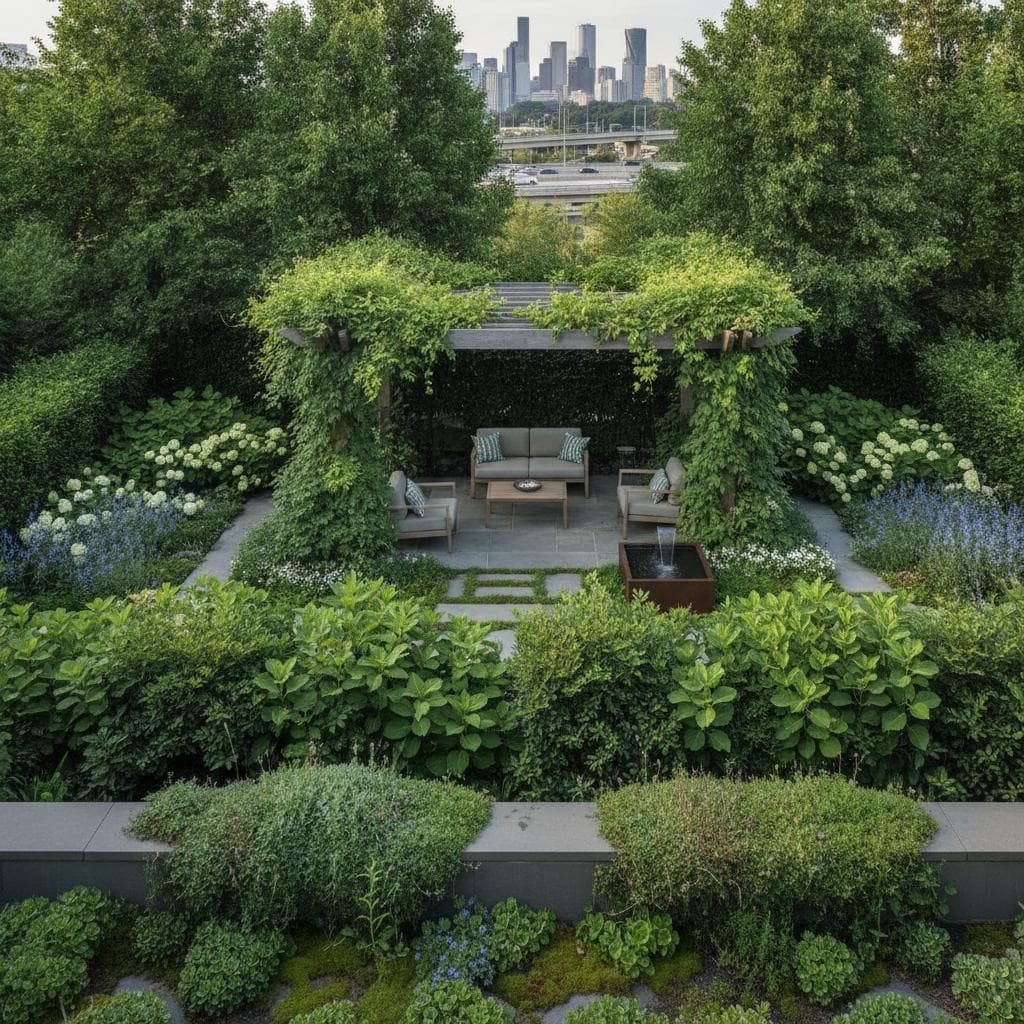
A first glimpse of a flourishing vertical garden lingers in memory. Picture a narrow Parisian courtyard where ivy, ferns, and fresh herbs climb a modular structure, breathing life into a forgotten wall. This sight shifted views on gardening. Living in cramped New York apartments and now a small Cotswolds cottage highlights that lush greenery calls for creativity, smart designs, and a good wall, not acres of land.
Benefits of Vertical Cultivation
Applications from Urban Balconies to Rural Exteriors
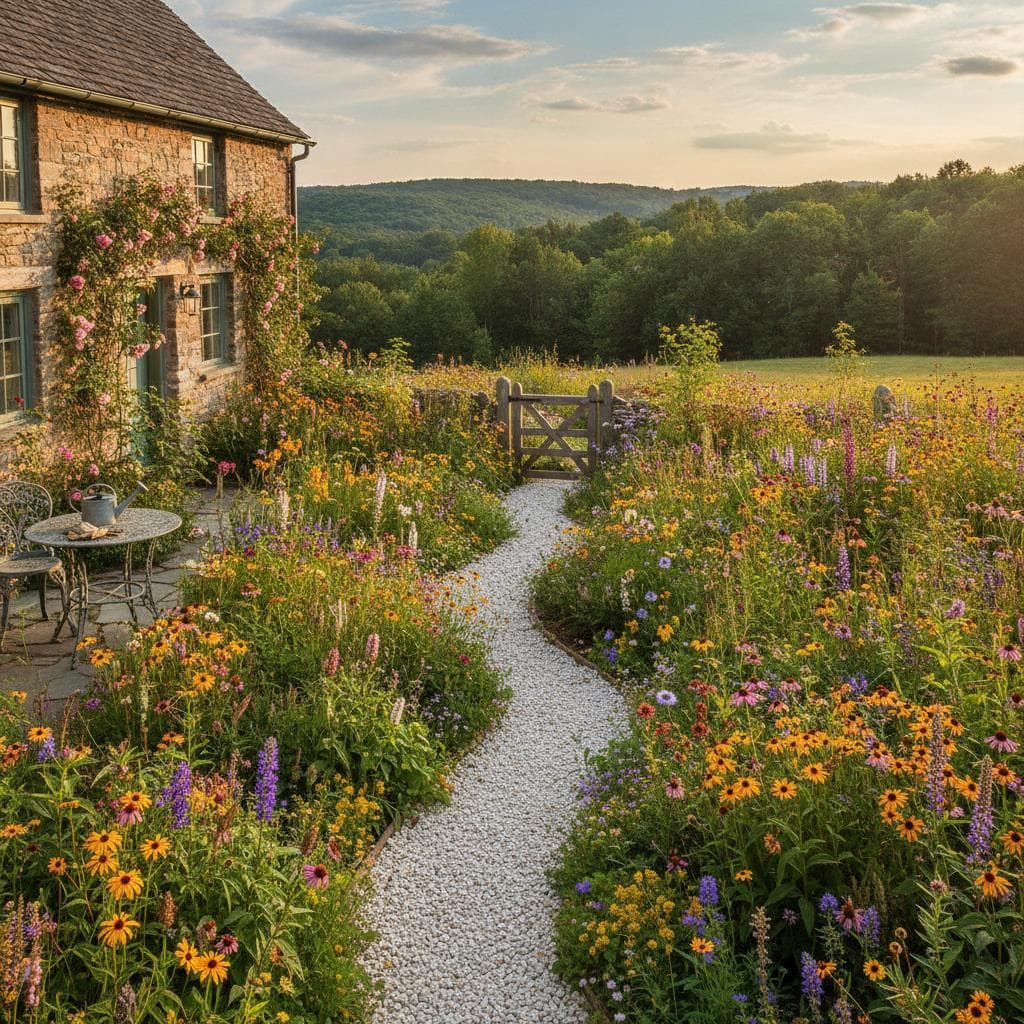
Moving from London to the Cotswolds revealed the gap left by a beloved rooftop garden in the old city flat. That space, built from recycled crates and metal frames, provided a green escape. In the cottage, modular methods worked just as well. Instead of crowding the ground, plants climbed a sunny stone wall.
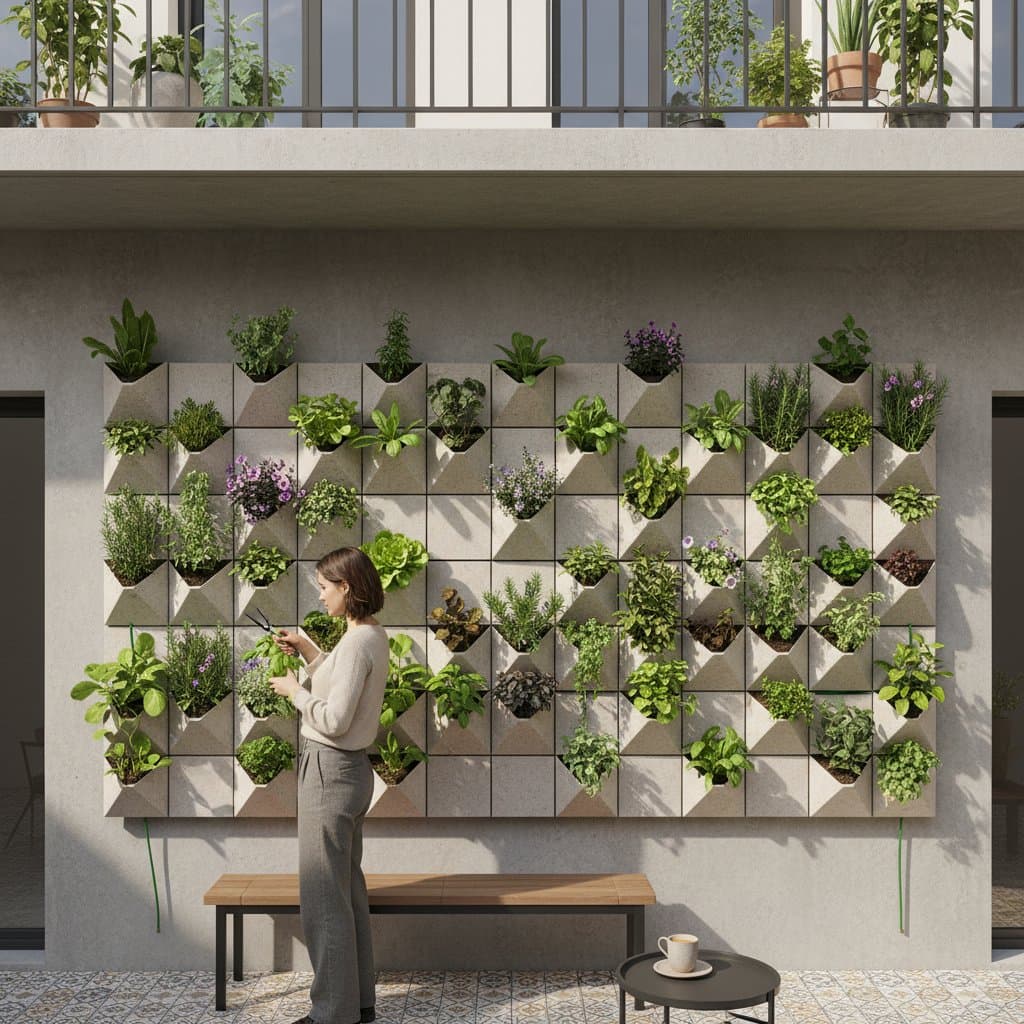
Modular vertical gardens thrive in diverse places. In cities, they refresh balconies or kitchen walls into food-producing spots. In rural settings, they accent buildings and boost curb appeal outdoors. Consider indoor herb walls in Provençal kitchens, where cooks pick basil and thyme mid-meal.
Landscape designer Aaron Patel sees this as a return to elegant, useful landscapes. His clients want gardens that produce and please the eye. Modular frames hold lettuce, strawberries, or dwarf tomatoes without needing raised beds or large patios, he points out.
Advantages of Contemporary Modular Designs
Modular walls stand out from older vertical systems with better adaptability. Past versions required complex watering and heavy supports. New ones use light, recycled parts and built-in hydration that eases maintenance.
Key reasons for their rise include:
- Simple Setup: Panels come with easy-mount hardware or freestanding bases. Renters like the damage-free, portable options.
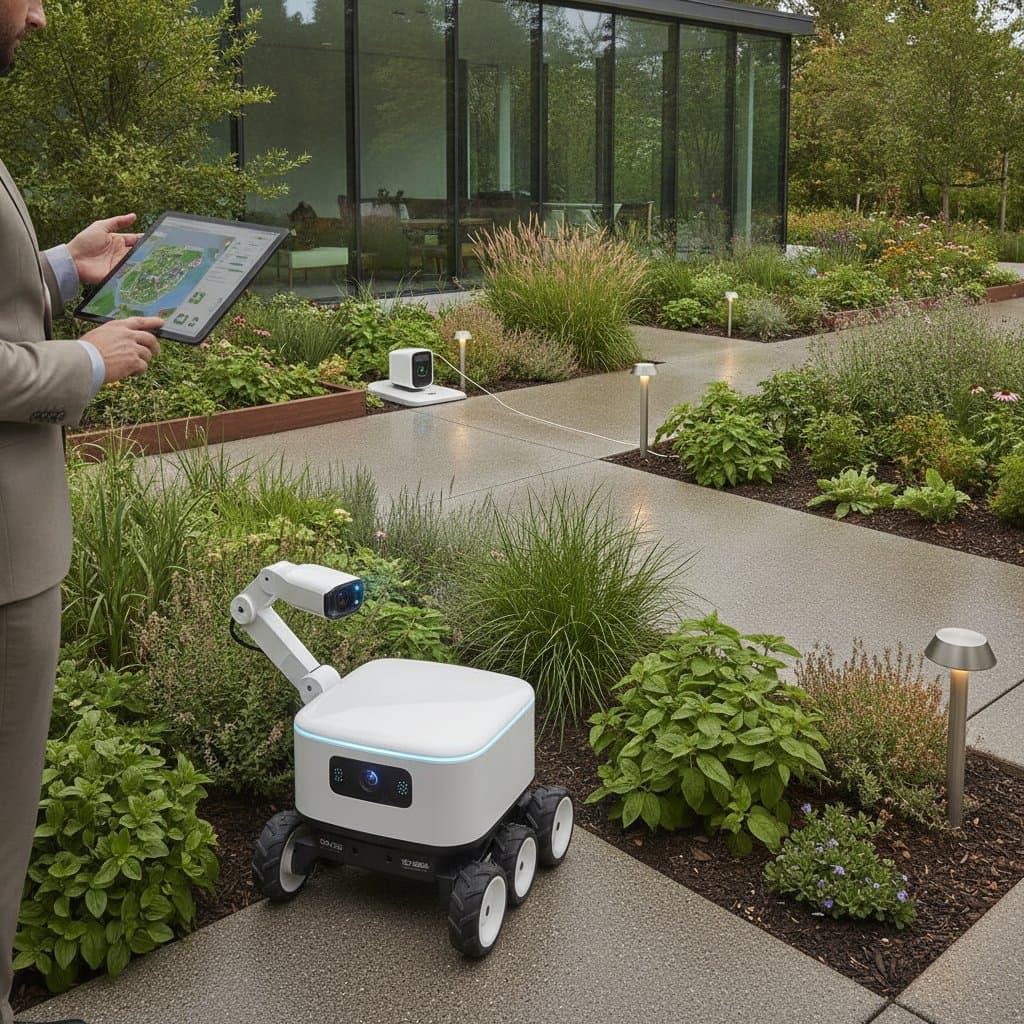
- Automated Watering: Drip systems reduce effort and prevent overwatering, keeping plants healthy with minimal work.
- Eco-Friendly Materials: Brands often choose recycled plastics or sustainably sourced wood, matching growing green concerns.
- Diverse Styles: Choices go from sleek metal grids to classic wood trellises, fitting urban clean lines or cozy rustic vibes.
Interior stylist Marie Laurent, who works on balconies in Paris and London, finds modular gardens replacing pots often. Clients love the growth potential, she says. People start with small herb setups and expand to full walls.
Incorporating Greenery for Families
Parents with young kids look for easy ways to garden. Vertical designs make involvement simple. Kids reach lower panels to water and watch strawberries ripen yearly. These tasks build responsibility and nature appreciation.
Vertical layouts suit families with their tidiness. Less soil mess, no tipping pots, and fewer bugs create safer spaces. Some systems add composting pockets or removable parts for season swaps.
Urban living expert Kelly Rivas observes more young families adopting vertical gardens. Parents want to teach food growing without yards, she explains. A wall full of greens and herbs brings that lesson right to the living room view.
Worldwide Inspirations Shaping Vertical Designs
Travels show how local customs spark new ideas. Japanese balconies use vertical bamboo for potted plants. Mediterranean spots let herbs spill from terracotta wall pockets. Scandinavian styles mix soft green panels with light wood decor.
These elements shape current modular products. Companies offer kits mimicking nature, like stacked stones or woven leaves, for seamless blending. Styles range from French country charm to crisp Nordic lines.
Steps to Build Your Vertical Garden
Start small when creating a modular vertical garden. Assess your space and habits first. Check sun exposure, water access, and plant choices. Herbs and greens do best in bright, sheltered areas; succulents need direct light.
Use these steps:
- Identify the Site: Look for sunny balconies, kitchen walls, or fence areas.
- Pick the Framework: Choose wall-mounted panels, stackable modules, or freestanding units.
- Arrange the Composition: Mix plant types and colors for visual interest. Balance flowers with edibles.
- Set Up Watering: Add drip lines or self-watering modules for easy care.
- Cultivate Gradually: Plant starters and add more as you learn what works.
Realizing Greener Living Through Wall Gardens
Modular vertical gardens bring flexibility, beauty, and nature to empty spaces. They suit balconies, patios, or indoor walls equally. These solutions prove that vibrant, green homes need only imagination and a wall, not endless ground.