Key Points
- Acoustic garden walls block, absorb, and diffuse external noise from sources such as traffic, neighbors, or commercial operations.
- The efficacy of noise reduction hinges on precise design, material choices, and installation height.
- Integrating acoustic barriers with landscaping features like dense shrubs or earthen berms enhances overall sound attenuation.
- Weather-resistant materials including composite panels, masonry, or dedicated acoustic boards guarantee sustained functionality.
- Initial planning involves analyzing noise origins, mapping sound trajectories, and verifying adherence to local building regulations.
Technical Background
Sound propagates as vibrations through air, solids, and soil. Upon encountering a barrier, these vibrations partially reflect, absorb, or transmit. Acoustic walls function by optimizing reflection and absorption to limit transmission. Performance relies on mass, structural integrity, and surface characteristics. Dense, sealed constructions excel at dampening low-frequency noises, whereas textured or multilayered surfaces disperse high-frequency sounds to curb reverberation.
Assessment
Prior to designing or erecting a noise-mitigating barrier, assess the noise origin and the recipient's location. Pinpoint sources like vehicular traffic, HVAC systems, or adjacent properties. Gauge the distance and trajectory from source to the targeted garden zone. Unobstructed line-of-sight routes facilitate sound propagation, so prioritize severing that path.
Survey the property boundary, documenting terrain variations, reflective elements such as fences or patios, and current plantings. Classify sound travel as horizontal, vertical, or diagonal. Such evaluation informs ideal wall elevation and positioning. Residential applications typically benefit from heights of 6 to 8 feet, balancing substantial noise control with regulatory constraints.
Planning Phase
Tools and Materials
- Measuring tape and marking stakes for precise alignment.
- Level and string line to ensure even construction.
- Digging implements or post-hole auger for foundational work.
- Concrete mixture or reinforced footings for stability.
- Prefabricated acoustic panels, masonry units, or specialized boards.
- Sealants and protective coatings for weather resistance.
- Sound-absorbing membranes for enhanced performance (optional).
- Protective equipment: gloves, safety goggles, and ear protection.
Safety and Compliance
Verify if municipal codes mandate permits for structures exceeding specified heights. Certain areas impose limits to preserve visual appeal or structural safety. Consult installation manuals from panel or masonry suppliers. Align footing depths with local frost lines to avert displacement. Locate and avoid subsurface utilities by engaging utility locator services prior to excavation.
Budget and Scheduling
Expenses fluctuate based on configuration and coverage area. Composite acoustic panels command higher initial investment than conventional fences yet demand minimal upkeep and endure longer. Account for costs related to bases, adhesives, and surface treatments. Time installations for dry conditions to promote secure foundations and adequate concrete setting.
Implementation
Step 1: Layout and Excavation
Delineate the wall route with stakes and taut string. Sustain linearity except where site contours necessitate curves for optimal shielding. Excavate post holes or trenches to required depths. Uniform excavation supports consistent elevation and firmness.
Step 2: Foundation and Support
Cast concrete bases or set posts per supplier directives. Permit full curing of foundations before affixing components. For masonry builds, level each layer meticulously and bond securely to eliminate voids that permit sound passage.
Step 3: Installing Panels or Blocks
Secure acoustic panels or stack masonry units sequentially from one terminus to the other. Apply acoustic sealants to joints for impermeability against sound. With composite panels, use rust-proof fasteners to anchor firmly to support posts.
Step 4: Finishing and Sealing
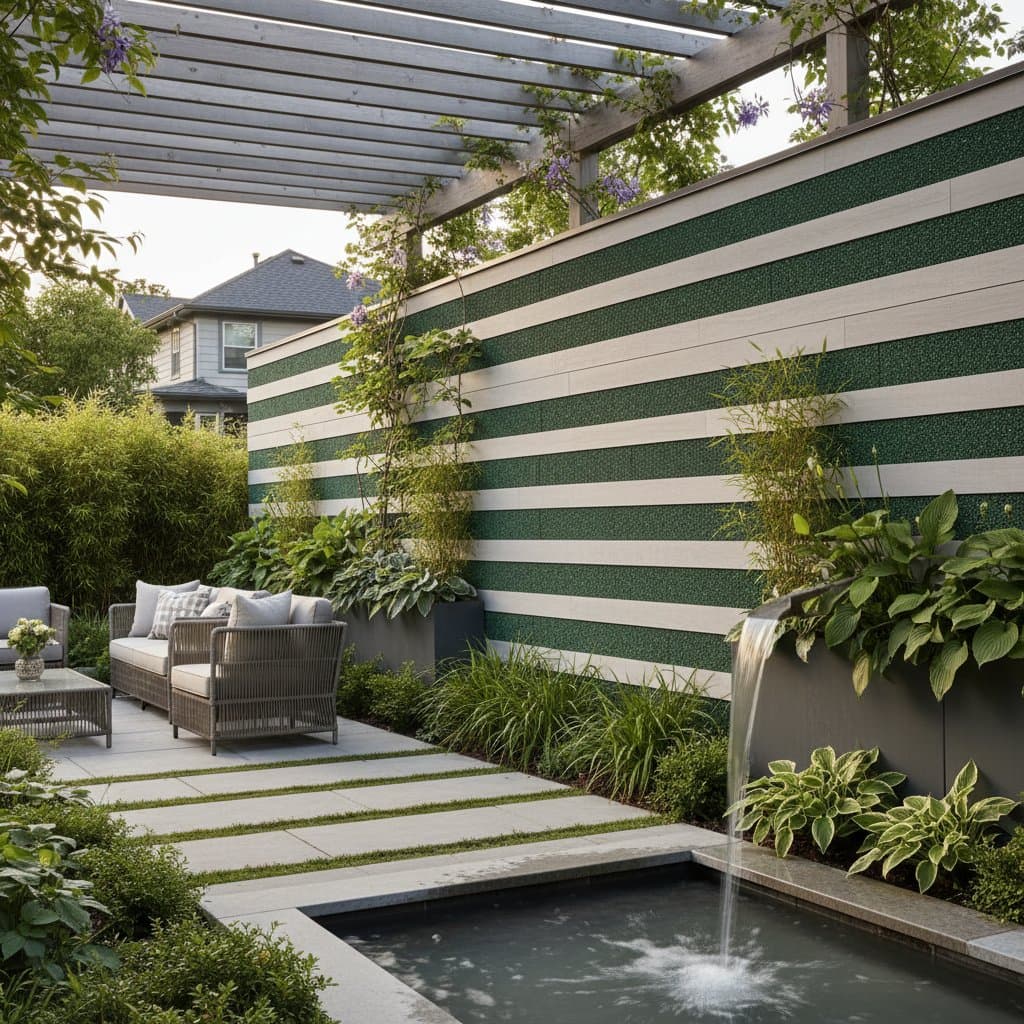
Coat surfaces with moisture-repellent finishes designed for exterior use. Apply paints or stains to harmonize with garden aesthetics. Enhance visual integration by incorporating trellises or vining plants on the inward face. Thick foliage boosts absorption and tempers the barrier's profile.
Step 5: Landscaping Integration
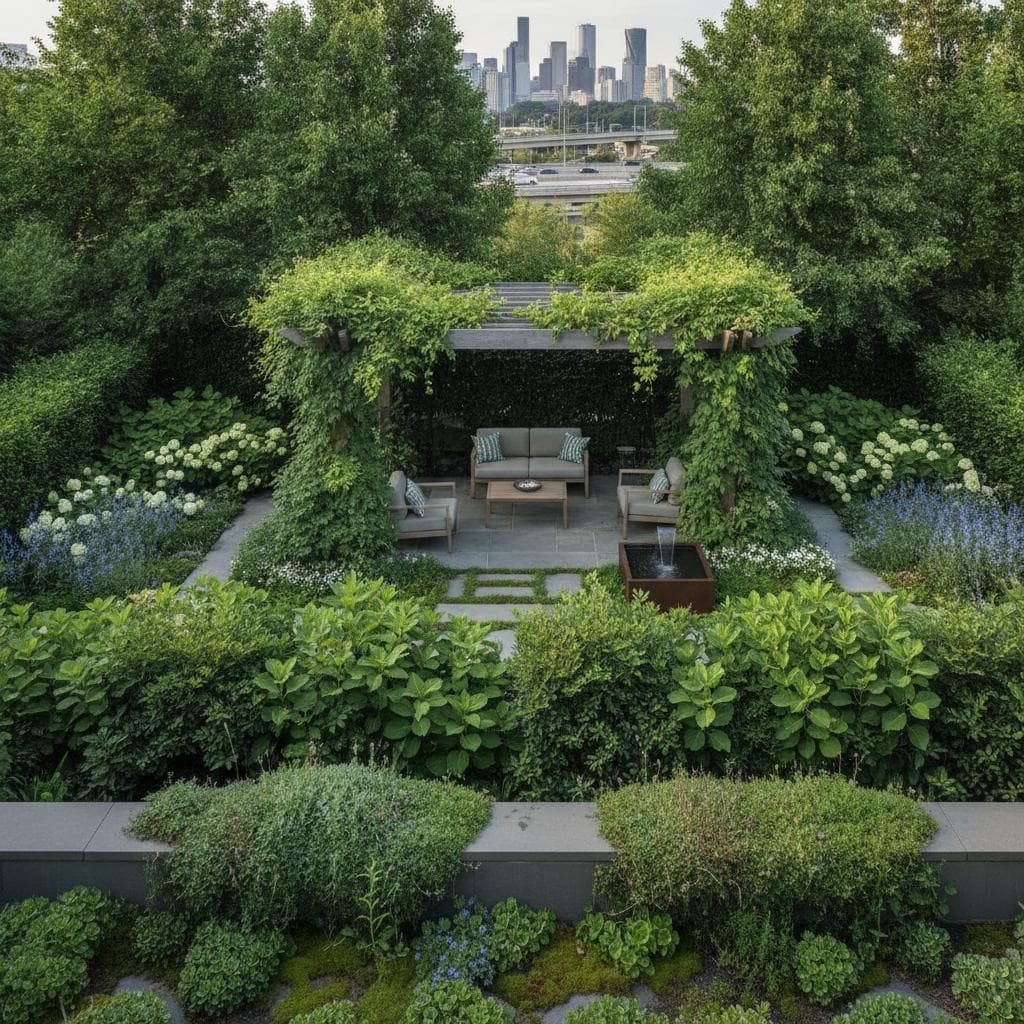
Position shrubs, hedges, or berms at the wall's base. Plants effectively capture mid-frequency sounds and link the structure seamlessly to the landscape. Employing a hybrid of rigid barriers and organic features delivers superior acoustics and cohesive design.
Quality Assurance
Examine the completed wall for fissures, inconsistencies, or apertures. Minor breaches undermine efficacy by enabling sound infiltration. Validate seal integrity and structural soundness. Employ a decibel-measuring application to compare pre- and post-installation levels at key spots. Effective installations yield measurable declines in auditory intensity.
Ensure drainage routes stay clear. Accumulated water adjacent to bases erodes stability progressively. Affirm that coatings withstand elements and adjacent areas seal against water entry.
Maintenance and Longevity
Regular upkeep sustains acoustic prowess. Wipe down surfaces at intervals to clear accumulations that impair absorption. Renew protective layers when wear appears to forestall deterioration. Annually review seals and substitute compromised ones. Masonry structures benefit from joint inspections and repointing as required.
Manage vegetation growth to safeguard foundations from root intrusion. Apply mulch at the perimeter to conserve soil moisture and curb erosion around bases.
Pro Tips for Success
- Layer defenses. While barriers alone suffice, augment with absorbent plantings and water elements to obscure lingering sounds.
- Mitigate bounces. Nearby impervious areas like patios or paths rebound noise; opt for permeable surfaces or rough textures to dissipate echoes.
- Seal thoroughly. Ground-level crevices drastically impair results; bury the base marginally or pack with dense aggregate.
- Balance form and function. Stark barriers can dominate visually; incorporate slatted designs, greenery, or ornamental touches for natural fusion.
- Seek expert guidance. Acoustics professionals utilize simulation tools to predict sound dynamics, refining height and location pre-build.
Achieving Enduring Garden Serenity
With the acoustic wall installed, enhancements in usability emerge swiftly. Dialogues flow without interference, and ambient drone from afar recedes.
Solid engineering paired with deliberate strategy yields profound, persistent quietude. Constructed from composites, stonework, or treated wood, these walls secure seclusion and amplify outdoor pleasure, enriching property value and livability.