Quiet Gardens: Achieving 70% Noise Reduction with Acoustic Walls
Many individuals seek solace in their gardens, only to find the tranquility disrupted by traffic or neighboring activities. Such interruptions transform a potential retreat into an extension of urban clamor. Quiet gardens address this challenge through acoustic walls and targeted landscaping, which absorb and deflect sound to restore peace.
Understanding the Quiet Garden Concept
A quiet garden extends beyond basic planting; it represents a deliberate fusion of aesthetics and acoustics. The objective remains straightforward: to minimize external noise while amplifying natural serenity. This approach proves accessible through informed design decisions.
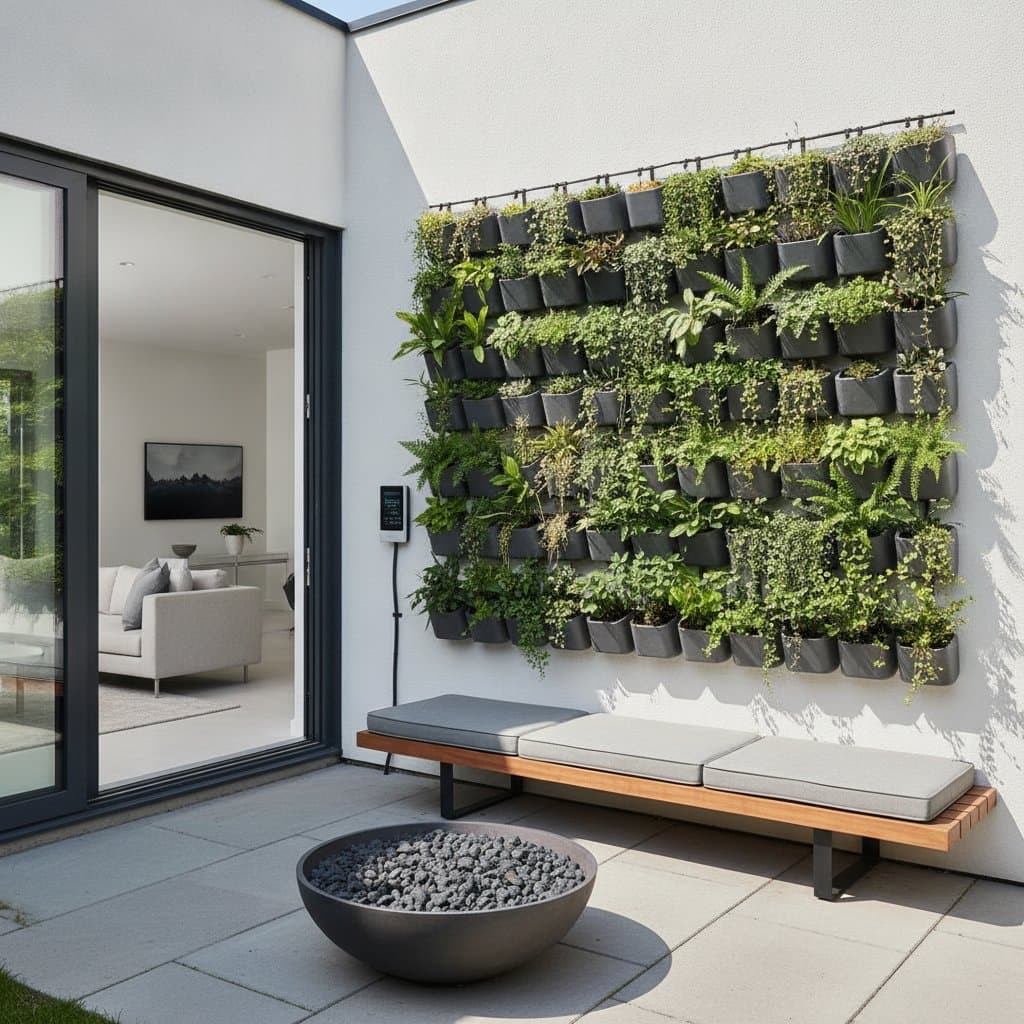
Central to this concept stands the acoustic wall, often enhanced as a living wall with integrated vegetation. Properly constructed, these structures diminish noise pollution by up to 70 percent. They serve dual roles as barriers that obstruct sound waves and absorbers that dissipate energy, thereby curtailing echoes and intensity.
The Importance of Noise Reduction in Modern Gardens
Mechanics of Acoustic Walls
Sound propagates as waves that interact with surfaces through reflection, absorption, or transmission. Solid, unyielding materials like concrete amplify noise via reflection, as observed in enclosed courtyards. In contrast, porous or soft elements capture vibrations, limiting reverberation.
Effective acoustic walls leverage multiple principles for optimal performance:
-
Mass and Density: Materials such as brick or stone excel at blocking low-frequency noises from vehicles or equipment. Greater density correlates with superior attenuation.
-
Absorption Layers: Incorporate fibrous insulation or vegetative cover to capture mid- and high-frequency sounds. This prevents rebound into the garden space.
-
Height and Continuity: Ensure walls reach sufficient elevation to sever the direct path from noise origins to relaxation zones. Any interruptions, such as gaps, compromise efficacy.
-
Surface Texture: Employ irregular finishes to diffuse waves rather than redirect them uniformly. The foliage of climbing plants contributes to this scattering effect.
Integration of these features yields measurable reductions in decibel levels and fosters a composed ambiance.
Selecting Appropriate Materials
High-end acoustic panels prove unnecessary; conventional materials suffice when chosen wisely. Consider the inherent properties of each option to align with garden style and performance needs.
-
Timber: Opt for substantial timber panels reinforced with dense foliage or soundproof backing. This choice offers a natural warmth and seamless blend with surrounding plants.
-
Brick or Stone: These provide robust blocking yet risk reflection without mitigation. Cladding with vines like ivy or jasmine introduces absorption and visual softness.
-
Gabion Walls: Construct from mesh enclosures packed with varied stones. The interstices naturally trap and disperse sound, while the rustic appearance suits contemporary layouts.
-
Living Walls: Install modular systems supporting vertical greenery. They merge structural mass with biological absorption, delivering verdant vitality.
For leased properties or interim measures, erect modular panels or cultivate tall hedges. Although reductions may fall short of 70 percent, these alternatives noticeably temper disturbances.
Strategies for Acoustic Design and Tranquility
Acoustic walls form one component; garden configuration, flora selection, and furnishing placement further shape auditory dynamics. Envision the space as zoned areas that collectively manage sound through absorption, obstruction, or overlay.
Implement these tactics:
-
Layered Planting: Arrange vegetation in tiers, from lofty hedges to intermediate shrubs and low-lying covers. This stratification naturally fragments incoming waves.
-
Water Elements: Introduce subtle water flows, such as fountains or cascades, to overlay and camouflage remote noises. Position them near seating for immersive calm.
-
Hardscape Positioning: Locate patios or benches shielded by walls or thickets. Distance from noise sources amplifies barrier effectiveness.
-
Material Variety: Combine substrates like gravel paths, mulched beds, and timber platforms. Each absorbs distinct frequencies, curbing uniform reflections.
-
Furnishing Selection: Choose cushioned or fabric-covered outdoor pieces to minimize surface echoes. Such details enhance localized acoustic comfort.
Setting Practical Expectations
Complete silence eludes most gardens, particularly in populated areas. Aim instead for equilibrium, where intrusive sounds recede and ambient nature prevails. Entry into an optimized quiet garden conveys immediate respite, as the pace of external life diminishes.
Outcomes vary by context; urban proximity demands stronger interventions than rural edges. Incremental adjustments, however, yield substantial perceptual improvements.
Upkeep for Sustained Performance
Quiet gardens require routine attention rather than esoteric maintenance. For living walls, schedule irrigation, pruning, and soil enrichment to sustain vitality. Modular installations warrant checks for plant health and frame integrity.
Natural-material walls benefit from mild cleaning to avert moisture retention and deterioration. Water features demand filter clearing and flow verification to avoid mechanical dissonance.
Affordable Pathways to Quieter Spaces
Full-scale walls may exceed budgets, yet layered approaches deliver value. Focus on these economical enhancements:
-
Dense Hedges or Bamboo: These attenuate higher pitches effectively, though less so for bass tones.
-
Textiles and Rugs: Deploy them in lounging areas to capture reflections and evoke enclosure.
-
Movable Screens: Use plant-laden trellises to form targeted sound breaks within zones.
-
Targeted Greenery: Concentrate robust plantings along primary noise fronts for concentrated impact.
Complementary positioning of elements compounds benefits, often rivaling pricier setups.
Well-Being Gains from Serene Gardens
Beyond acoustics, quiet gardens nurture mental restoration. Visitors report eased tension, heightened awareness of aromas and hues, and deepened sensory engagement. Such environments function as true havens, facilitating mental clarity amid daily demands.
Integrating and Evolving Your Quiet Garden
Upon completion, observe the space across cycles to refine usage. Daily sound shifts may highlight optimal zones for activities, from morning contemplation to evening repose.
Cultivate a garden that replenishes through acoustic harmony and natural cadence. Begin with targeted changes, assess responses, and adapt to personal rhythms for enduring sanctuary.