Grandmillennial Gardens: Infusing Cottage Charm into Modern Homes
Dek: Grandmillennial gardens capture the essence of vintage cottage style while prioritizing ease and adaptability. Follow these steps to build a layered, inviting outdoor space that reflects personal history and contemporary needs.
Key Points:
- Integrate classic floral motifs with sturdy, climate-appropriate plants
- Incorporate salvaged elements for authentic character without excess
- Focus on multifunctional areas that support daily relaxation and gatherings
The Rise of Grandmillennial Gardens
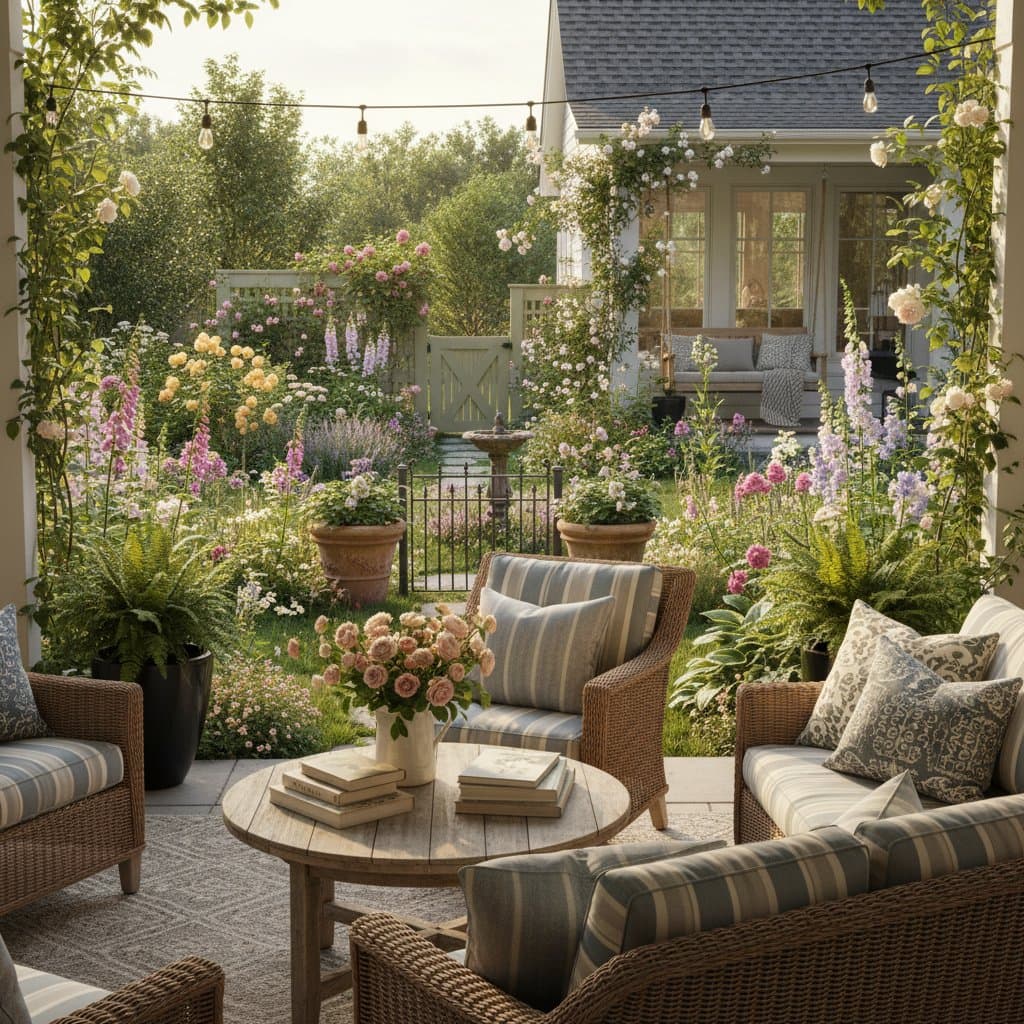
Grandmillennial gardens draw from traditional English cottage designs, updated for today's lifestyles. This aesthetic features abundant blooms, wrought-iron details, and soft fabrics that evoke a sense of heritage. Homeowners seek these spaces for their ability to provide comfort amid fast-paced routines.
Establishing a Cottage Foundation
Begin by selecting a diverse plant palette that mimics natural abundance. Opt for perennials such as peonies for lush summer blooms, lavender for fragrant borders, and foxgloves for vertical interest. Supplement with annuals like cosmos, which self-seed readily, and zinnias, which offer vibrant color from midsummer into fall.
In compact areas, elevate plantings using raised beds constructed from reclaimed wood or large ceramic pots in varying sizes. Arrange them in informal clusters to simulate organic growth. Landscape architect Aaron Mills of Garden Edit Studio advises, "Cluster containers in different heights and textures. It instantly adds character and makes even a small patio feel abundant."
Consider soil preparation as a foundational step: amend heavy clay with compost to improve drainage, ensuring roots establish deeply. This approach supports long-term health and reduces future interventions.
Incorporating Purposeful Vintage Elements
Source accents from local markets or inherited collections to infuse narrative depth. Select items like a cast-iron bench for seating or a galvanized watering can repurposed as a planter. These pieces develop patina over time, enhancing the garden's authenticity.
Limit additions to focal points to maintain clarity. For instance, mount an antique window frame as a trellis for climbing clematis, directing growth toward sunny exposures. Integrate these gradually, observing how they interact with existing elements before expanding the collection.
Prioritize durability: choose weather-resistant finishes for metal or seal wood against moisture. This ensures vintage charm endures seasonal changes without frequent restoration.
Building Layers of Texture
Texture provides the backbone of visual depth in grandmillennial designs. Combine feathery ferns with bold hosta leaves, and intersperse evergreen shrubs like boxwood for year-round structure. Groundcovers such as creeping thyme soften edges while suppressing weeds.
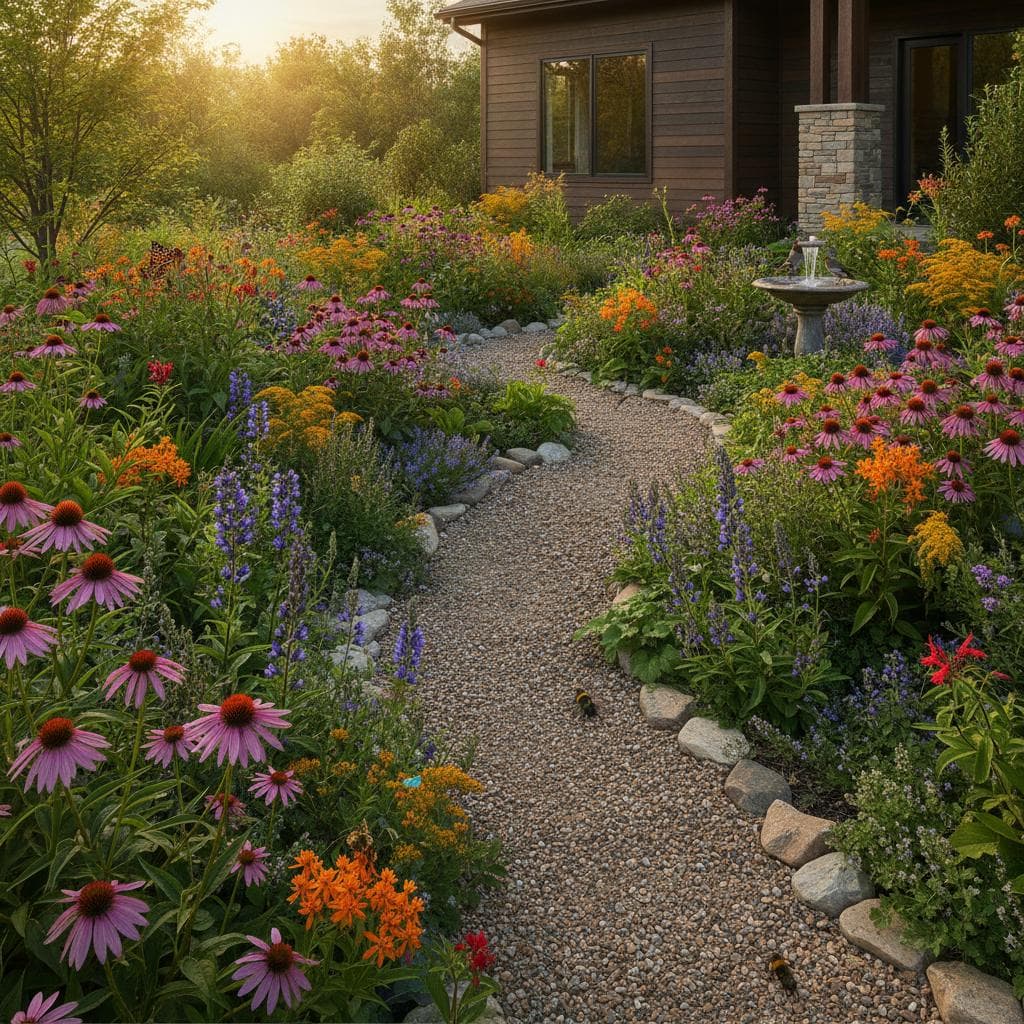
For hardscaping, lay pea gravel paths that crunch underfoot, bordered by low stone walls. Introduce softness through outdoor-rated cushions in linen or canvas, placed on teak benches. These contrasts create a tactile experience that invites exploration.
Vary scales within layers: position low-growing sedums near pathways and taller delphiniums at the rear. This progression guides the eye and establishes harmony across the composition.
Selecting Colors and Patterns
Embrace a palette of subdued hues including pale rose, sky blue, and creamy yellow, paired with verdant greens. These tones harmonize without overwhelming, allowing plants to shine seasonally. For subtlety, select monochromatic schemes like varying shades of lavender from flowers to foliage.
Incorporate patterns through fabrics and ceramics: floral-printed pillows alongside striped outdoor rugs. Arrange them on seating to evoke a curated yet casual vibe. Designer Maren Cole of Field & Frame Garden Design explains, "It’s about creating a space that feels inherited, even if it’s brand new."
Test combinations in situ: drape a gingham throw over a chair and assess against surrounding blooms. Adjust for balance, ensuring patterns enhance rather than compete with natural elements.
Ensuring Practical Maintenance
Select resilient species suited to local conditions, such as drought-tolerant salvia in arid regions or shade-loving astilbe in cooler climates. Integrate herbs like rosemary for evergreen structure and culinary use, alongside thyme for ground coverage.
Implement efficient systems early: install soaker hoses beneath mulch layers to deliver water directly to roots, minimizing evaporation. Apply organic mulch annually to retain soil moisture and enrich fertility.
Schedule seasonal tasks: prune shrubs in late winter for shape, and divide perennials every three years to rejuvenate vigor. These routines keep the garden thriving with minimal daily effort.
Extending Indoor Comfort Outdoors
Transition interior aesthetics by adding layered textiles and lighting. Position a quilted throw on a glider bench for afternoon reading, and suspend mason jar lanterns from shepherd's hooks for dusk ambiance.
Define zones with weatherproof rugs in Persian-inspired motifs, anchoring conversation areas. For gatherings, wheel out a vintage cart stocked with glassware and linens, facilitating al fresco meals.
Enhance usability with modular pieces: stackable stools for flexible seating or foldable screens for privacy. These elements make the space versatile for solitude or company.
Evolving Your Garden Over Time
Allow the design to mature organically, observing plant performance and adjusting placements annually. Relocate underperformers to better-suited spots, and introduce new finds that complement the established scheme.
This iterative process builds emotional attachment, transforming the garden into a living record of experiences. As Harmon observes, "A garden should reflect your life, not just your taste."
Ultimately, a grandmillennial garden delivers enduring joy through its blend of beauty and utility, creating a sanctuary that nurtures well-being season after season.