Why Gravel Gardens Outperform Lawns in 2026's Arid Conditions
Gravel gardens represent a forward-thinking approach to landscaping amid increasingly dry climates. These designs prioritize sustainability, efficiency, and aesthetic appeal, offering a viable alternative to water-intensive lawns. Homeowners benefit from reduced maintenance demands and environmental impact while achieving modern outdoor spaces.
Understanding the Shift to Gravel Gardens
Traditional lawns often symbolize suburban ideals, yet they prove unsustainable in regions with limited rainfall. In areas like Staten Island, where water conservation becomes essential, homeowners face rising costs and environmental pressures from constant irrigation and upkeep. Gravel gardens address these challenges by minimizing water use and eliminating routine mowing.
Challenges of Maintaining Traditional Lawns
Conventional grass lawns demand significant resources. They require frequent watering, especially during hot summers, which can lead to high utility bills and local water restrictions. Additionally, chemical fertilizers and pesticides harm soil health and local ecosystems, while weekly mowing consumes time and fuel.
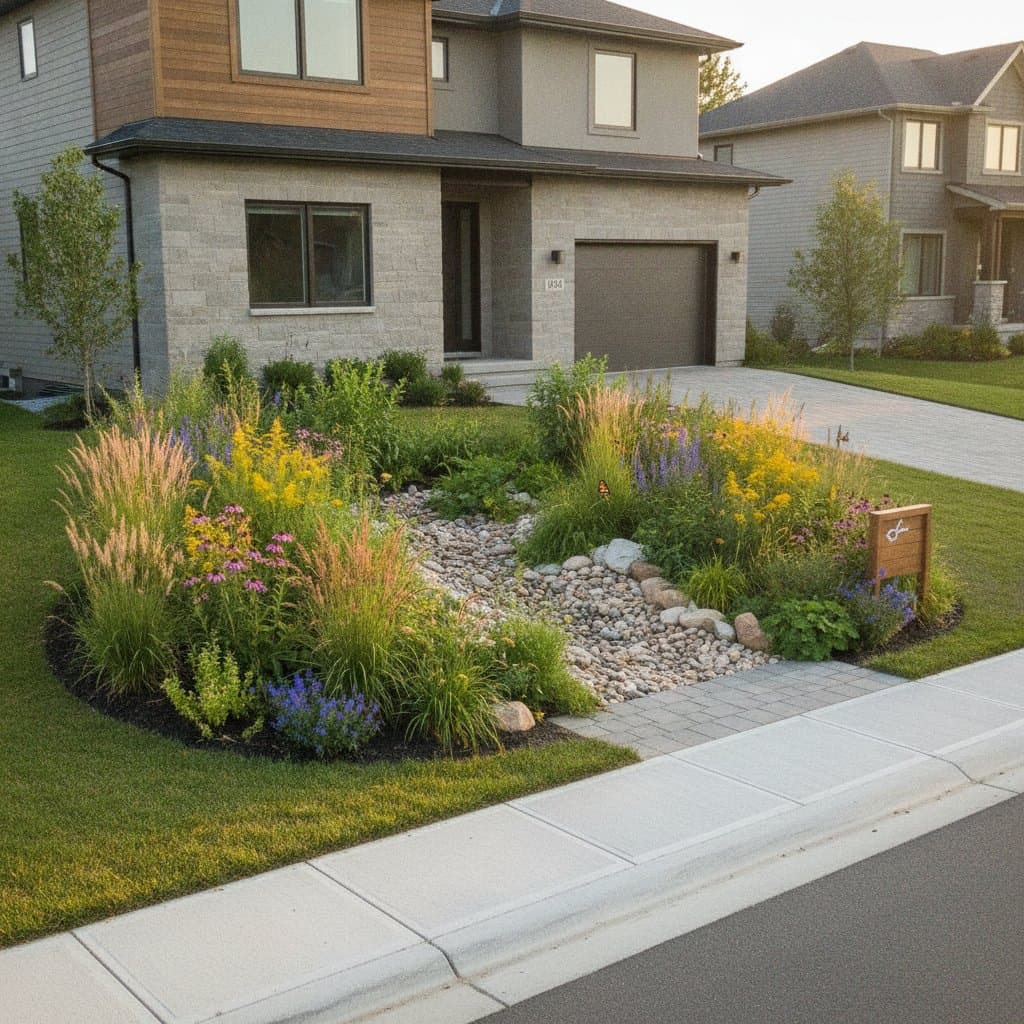
Many property owners encounter issues such as poor drainage and patchy growth in compacted soils. These problems exacerbate during droughts, turning vibrant lawns into barren patches. In contrast, gravel gardens thrive in such conditions, relying on natural drainage and hardy vegetation to maintain their form.
Essential Steps for Building a Gravel Garden
Creating an effective gravel garden involves careful preparation to ensure longevity and appeal. Begin by assessing the site for sunlight, soil type, and water flow. Proper planning prevents common pitfalls like weed invasion or uneven settling.
Follow these structured steps for installation:
-
Prepare the base for drainage. Remove the top 4 to 6 inches of soil and incorporate a layer of sand or gravel aggregate. Install landscape fabric to suppress weeds while allowing water permeation.
-
Select appropriate gravel. Opt for medium-sized stones, approximately 3/8 inch in diameter, to provide stability without excessive compaction. Local suppliers offer options in neutral tones that complement various plantings.
-
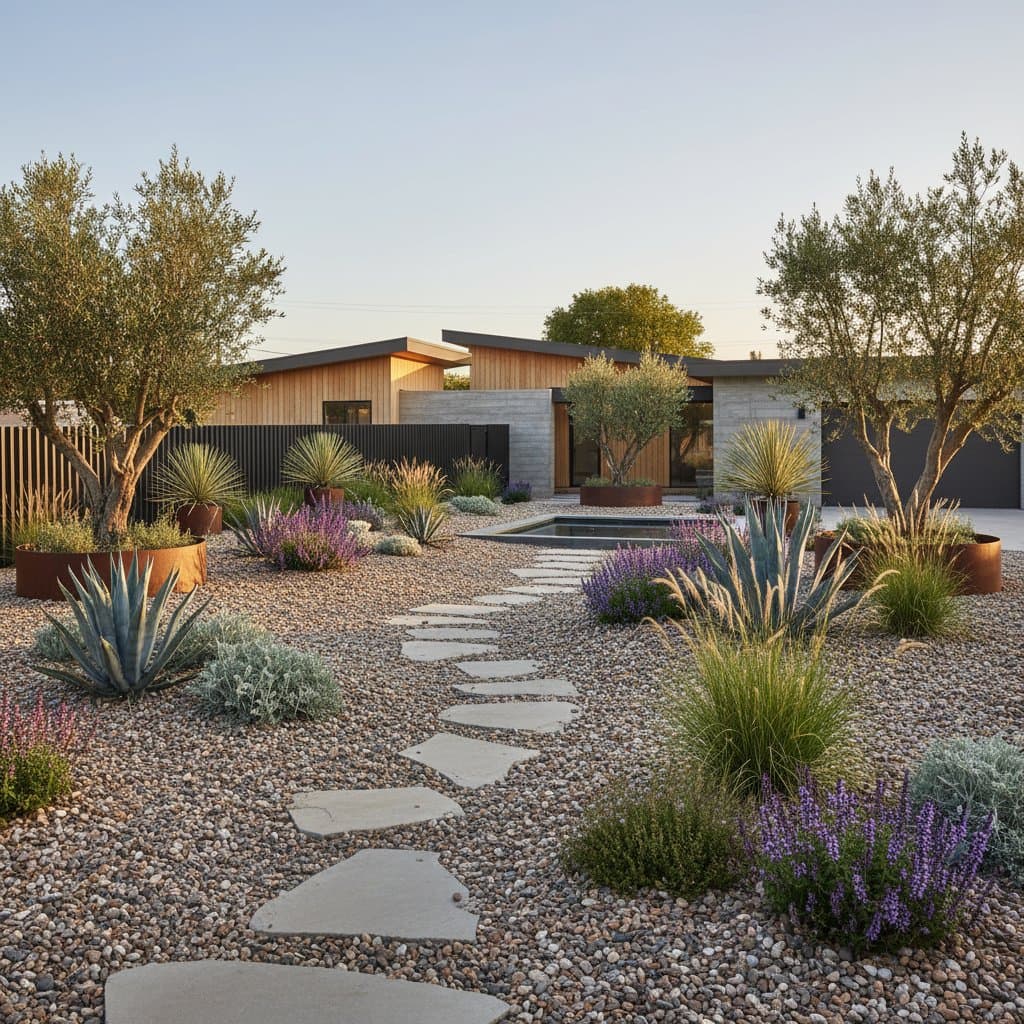
Incorporate drought-tolerant plants. Choose species such as lavender for fragrance, sedum for ground cover, yarrow for color, and ornamental grasses for height. Space plants to allow for growth while filling gaps with gravel.
-
Design with layers and contrast. Combine low-growing perennials with mid-height accents and focal boulders. This creates depth and prevents a monotonous appearance.
-
Install edging for containment. Use metal, plastic, or stone borders to define boundaries and keep gravel in place. This simple addition enhances tidiness and integrates with existing hardscapes.
With these elements in place, the garden establishes a balanced ecosystem. Water needs drop by up to 80 percent compared to lawns, and maintenance focuses on occasional pruning rather than daily tasks.
Benefits of Gravel Gardens in Contemporary Settings
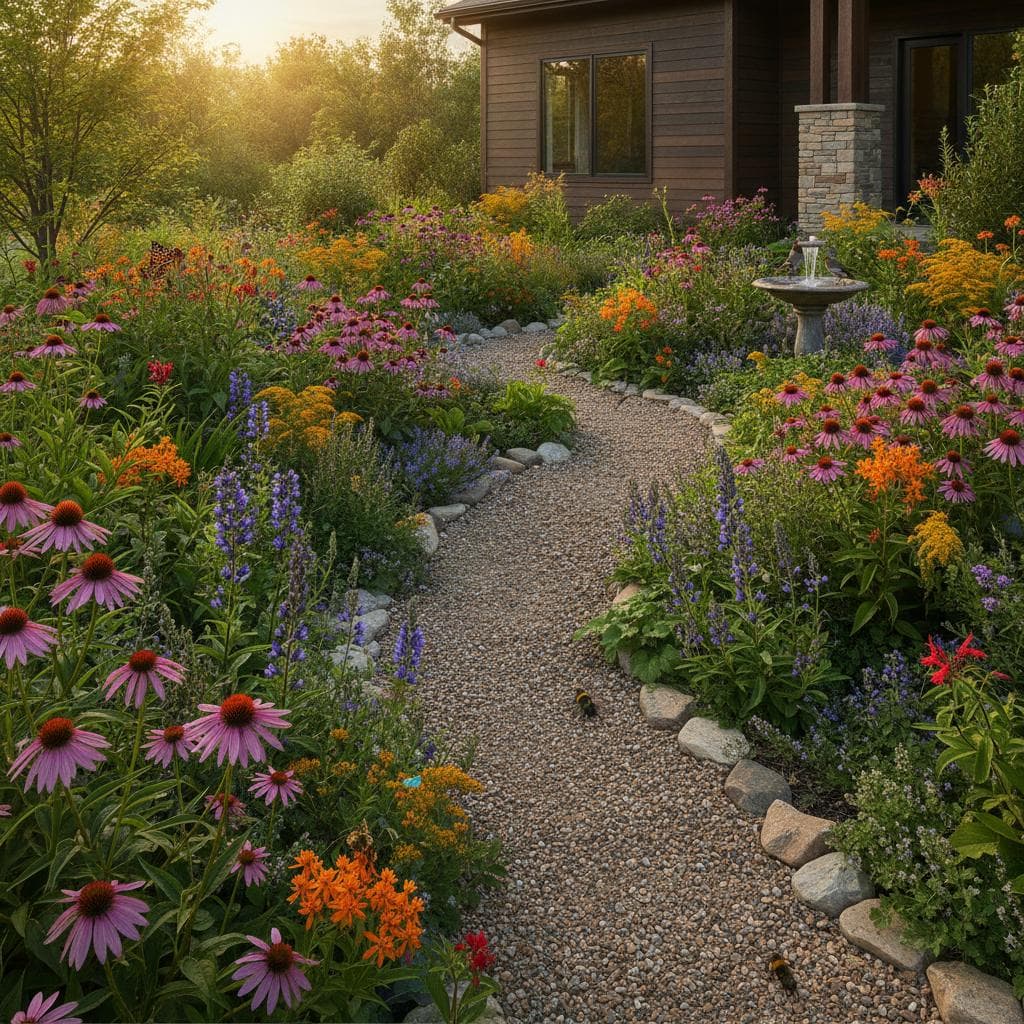
As climate patterns evolve, gravel gardens emerge as a practical solution. They comply with water conservation mandates and lower long-term expenses on utilities and labor. Environmentally, these landscapes reduce runoff pollution and support pollinators through native plant selections.
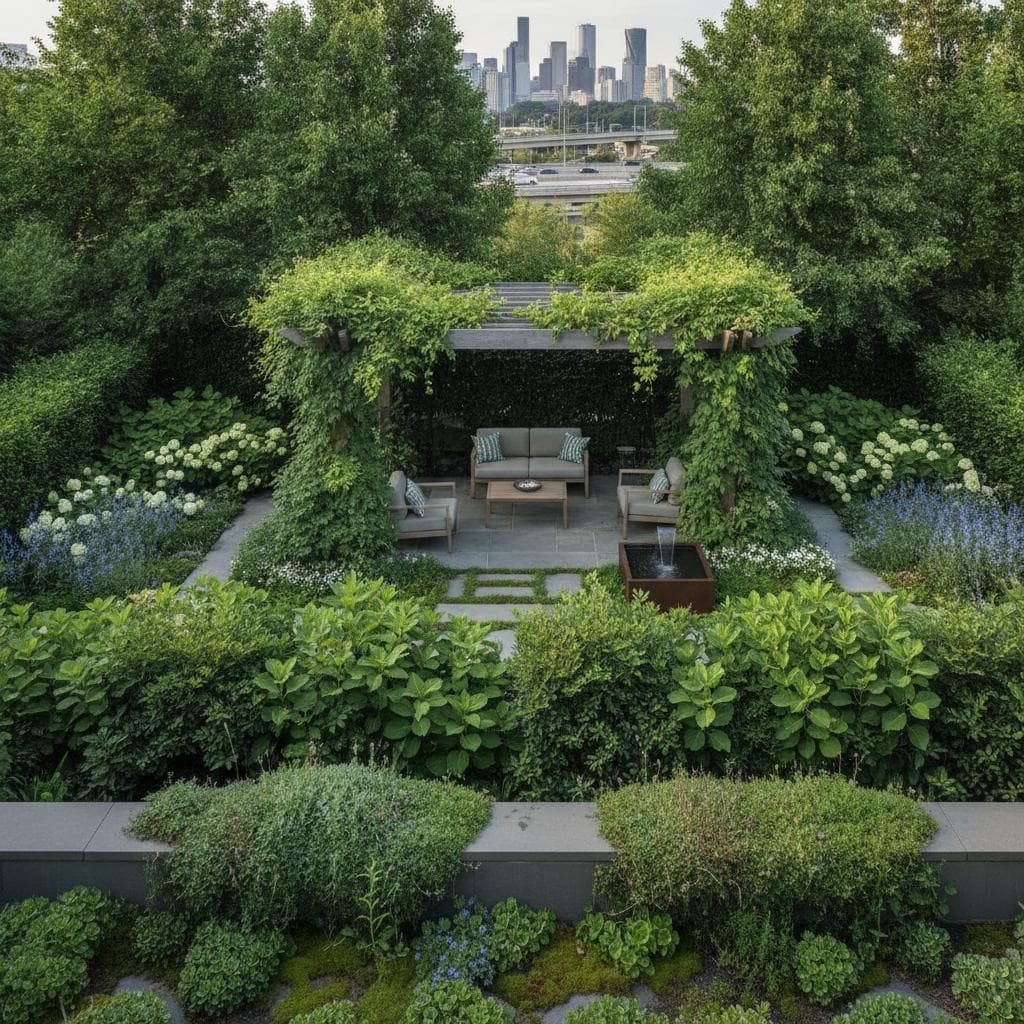
From a design standpoint, gravel gardens offer versatility. Their clean lines suit urban patios or expansive suburban plots, blending seamlessly with minimalist architecture. Professionals in home improvement observe growing demand for such low-effort, high-impact features among time-strapped residents.
Key Considerations for Long-Term Success
While gravel gardens demand less effort, they require periodic attention. Remove weeds promptly to maintain appearance, and top-dress gravel every three to five years to refresh the surface. Select plants suited to local hardiness zones to withstand seasonal extremes.
Initial costs include materials and potential professional installation, averaging $5 to $15 per square foot depending on scale. However, savings on water and maintenance recoup the investment within a few seasons. Consult local guidelines for any permitting needs in restricted areas.
Experiencing the Rewards of a Gravel Garden
A well-executed gravel garden transforms outdoor areas into serene retreats. The subtle crunch underfoot and play of light on stones create a soothing ambiance. Pollinator-friendly plants add vitality, fostering a connection to nature without overwhelming care.
Skeptics often convert upon seeing the results. The shift from battling a high-maintenance lawn to enjoying a resilient, attractive space brings relief and satisfaction. This approach empowers homeowners to adapt their properties to future climate demands.
Steps to Implement Your Gravel Garden
Assess your yard's current state and define your goals, whether drought resistance or aesthetic upgrade. Gather materials based on the outlined steps and consider consulting a local landscaper for site-specific advice. Begin with a small test area to build confidence before expanding.
Track progress through the first season, adjusting plant placements as needed. Over time, your gravel garden will mature into a sustainable feature that enhances property value and quality of life.