Dopamine Gardens: The Dominant Landscaping Trend for 2026
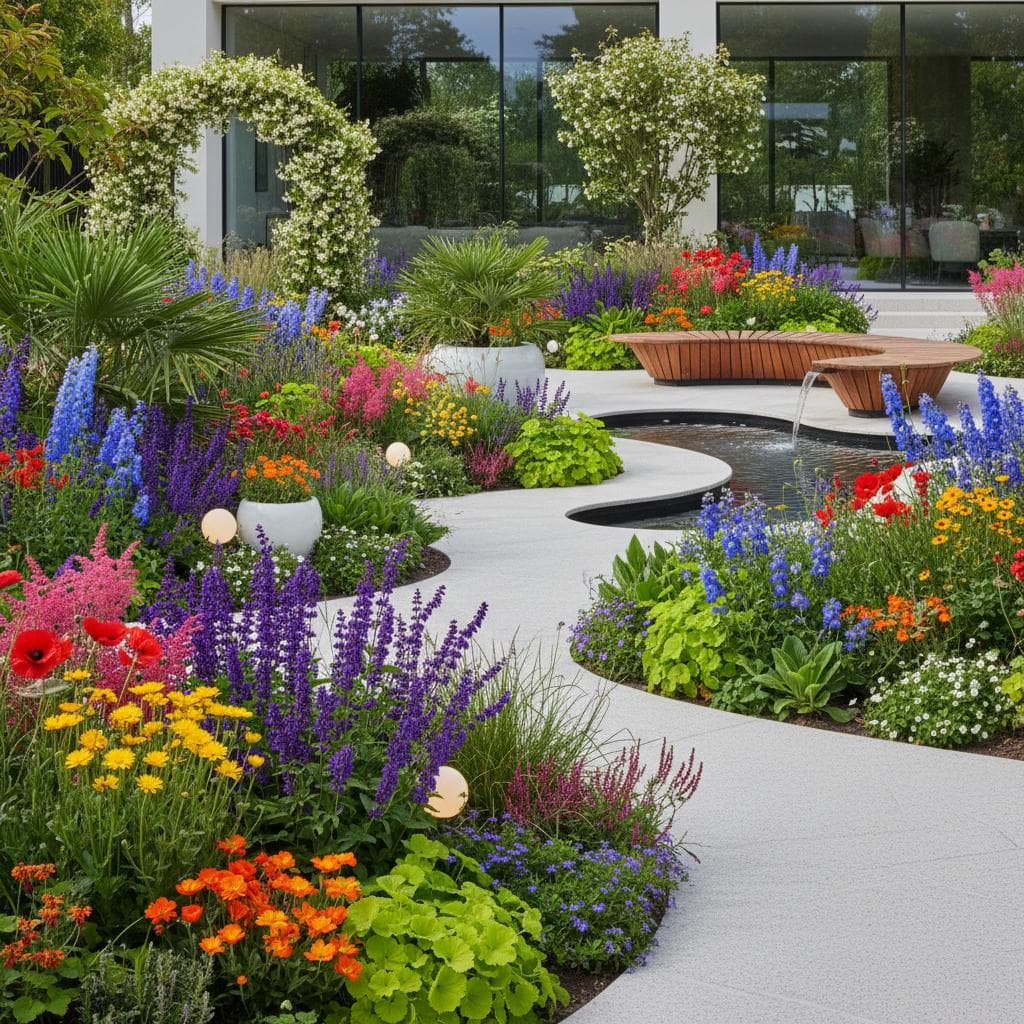
Envision stepping into your yard to encounter a vibrant array of colors. Blooms in bold shades sway gently, leaves with varied textures catch the light after rain, and the atmosphere pulses with vitality. Rather than a uniform lawn or orderly green borders, this space radiates spontaneous delight, with unexpected elements like clusters of magenta zinnias or cheerful golden marigolds. This represents more than mere landscaping; it constitutes intentional mood enhancement. Enter the world of dopamine gardens.
The phrase might appear as a modern term, yet it conveys a significant concept. A dopamine garden stimulates happiness, creativity, and tranquility via deliberate use of color, texture, scent, and sensory diversity. It embodies how environments shape emotional states. As individuals and professionals seek deeper meaning in outdoor areas, dopamine gardens emerge as a sustainable, personalized method to elevate landscaping.
The Neuroscience Behind Garden-Induced Joy
Shifting from Uniformity to Sensory Richness
Conventional landscaping favors consistency, with aligned shrubs, limited hues, and trimmed grass promoting structure over emotion. Dopamine gardens reverse this pattern, embracing diversity, irregularity, and discovery. The emphasis moves from flawlessness to individual expression.
Key components of a dopamine garden include:
- Striking color pairings, such as coral geraniums adjacent to indigo salvia.
- Varied textures, blending airy grasses with plump succulents.
- Engaging features, like pathways guiding to concealed benches.
- Aromatic strata, ranging from lemon-scented herbs to heliotrope's vanilla notes.
This method evolves garden design from static visuals to interactive experiences. Each surface and shade participates in an emotional exchange with the observer.
Harnessing Color for Emotional Impact
Color forms the core of dopamine gardening, with each shade evoking distinct responses. Warm tones like orange, yellow, and red invigorate and elevate spirits. Cooler shades such as blue and green soothe and rejuvenate. Harmony arises when these colors interact thoughtfully.
Studies in color psychology indicate that people respond intuitively to natural vibrancy and diversity. A grouping of sunflowers can brighten outlook, while a fern-shaded alcove provides restorative calm. Combining these influences generates visual patterns that balance energy and peace.
For beginners wary of intense palettes, initiate modestly. Select a garden seat in a lively shade or position pots with petunias in matching tones. A solitary vibrant accent delivers an initial happiness boost. Gradually, these additions build into consistent daily uplift.
Fostering Bonds with the Natural World
Dopamine gardens extend beyond aesthetics to address the fundamental human affinity for nature, known as biophilia. This inherent pull toward living organisms finds fulfillment in gardening, yielding rewards through growth and nurturing. Every emerging shoot, opening flower, or gathered produce instills a subtle sense of success.
Sensory involvement intensifies this bond. Rather than pursuing pristine uniformity, these gardens welcome organic variation and active participation. Observations like a butterfly alighting on a zinnia, a bee visiting thyme, or grass swaying softly integrate into routine appreciation. Such interactions highlight that fulfillment often emerges from unassuming encounters.
Crafting Multisensory Landscapes
Developing a dopamine garden demands consideration of all senses, extending past visual appeal.
Vision: Arrange plants by stature, form, and color. Pair lupine's upright spikes with oregano's compact forms. Employ flowing curves over straight edges to guide the eye naturally.
Olfaction: Scents evoke strong recollections. Position lavender, mint, basil, or jasmine along paths or near rests, allowing aromas to envelop spontaneously.
Touch: Introduce diverse surfaces for tactile interest. Merge lamb's ear's softness with coneflowers' spines or philodendron's sheen. This variety transforms walks into discoveries.
Audition: Incorporate subtle sounds through movement. Grasses rustle in breezes, fountains trickle quietly, and wind chimes provide occasional melody.
Gustation: Add edible options like herbs, berries, or cherry tomatoes. Interactivity peaks with the satisfaction of sampling homegrown produce.
Integrating Sustainability Seamlessly
Dopamine gardens align with rising demands for eco-conscious practices. They forgo synthetic fertilizers and thirsty turf in favor of indigenous flora, pollinator-attracting blooms, and water-wise selections. The aim centers on beauty that supports ecosystems.
Local plants draw helpful wildlife, enhancing biodiversity. Organic mulch enriches soil, and efficient watering reduces effort. Sustainability enhances enjoyment, as witnessing thriving pollinators and avians adds further delight.
Structuring Spaces for Emotional Resonance
A dopamine garden functions as an affective blueprint. Path curves, seating placements, and vista compositions shape emotional responses. Professionals now view gardens as expansive artworks, engineering instances of wonder and repose.
Establish distinct mood areas. A sunlit zone with reds and oranges energizes mornings. A cool retreat in blues and greens offers evening solace. These shifts echo emotional fluctuations, rendering the yard a supportive, evolving setting.
Embracing Wellness Through Design
The surge in dopamine gardens mirrors societal priorities on mental health and intentional lifestyles. Individuals desire vibrant, tailored, healing environments. While gardening has long offered therapy, this framework elevates joy to a core tenet.
Both owners and tenants adopt the notion that exteriors must evoke positive feelings alongside visual appeal. Online platforms accelerate the trend, showcasing vivid gardens and immersive retreats. This inspires a departure from stark simplicity toward lush expressiveness.
Adapting Dopamine Principles to Interiors
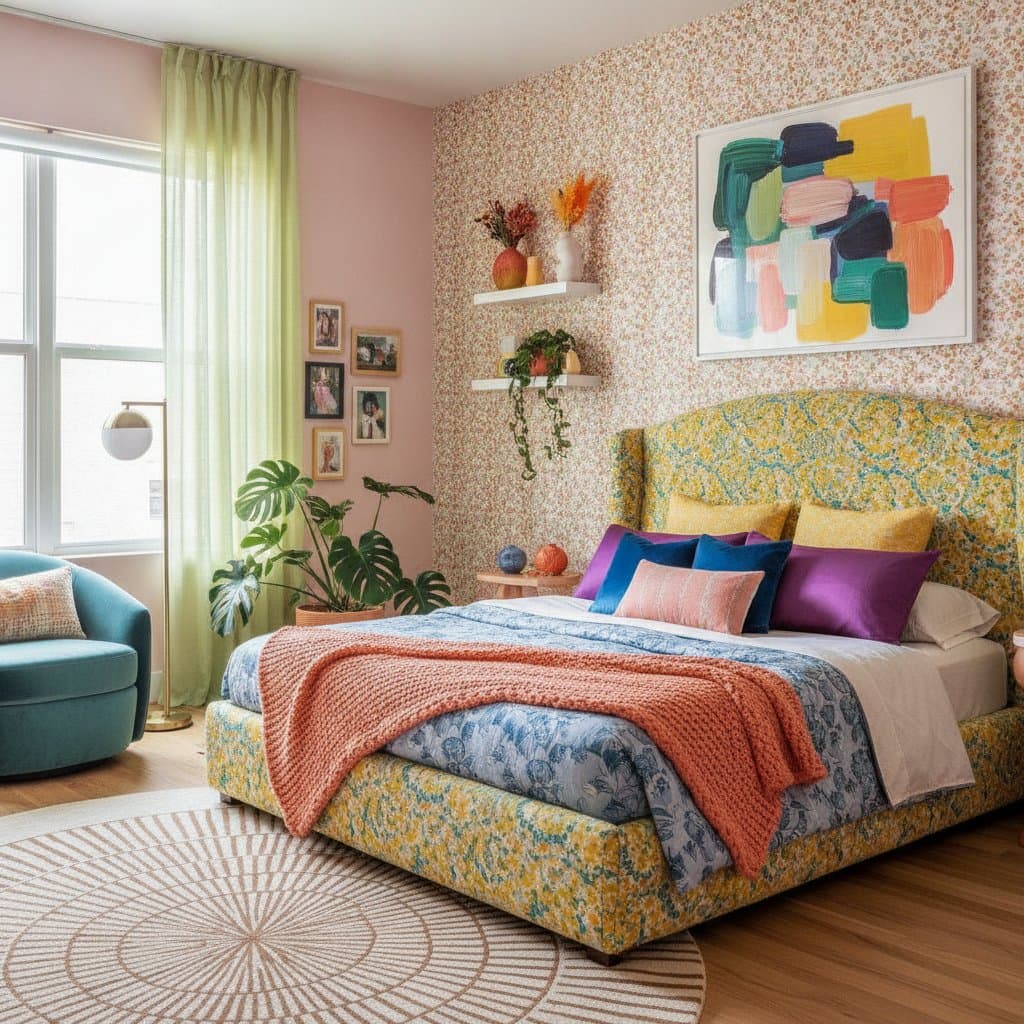
Dopamine design adapts readily to limited spaces. Indoor versions apply identical strategies of hue, form, and stimulation.
Cluster plants with differing leaves, such as purple oxalis next to lime pothos. Use vivid pots or textured containers for added allure. Incorporate rosemary or mint for scent and utility, positioning them for casual contact that releases fragrance.
This transforms compact dwellings into joyful refuges. Success hinges on purpose: each element, from pot color to leaf feel, contributes to routine well-being.
Steps to Build Your Dopamine Garden
Assembling a dopamine garden requires no expert intervention, only exploration and trial. Assess personal preferences first. Identify energizing colors or soothing aromas to inform selections.
Focus initially on a single zone, like a terrace edge or yard segment. Select multisensory plants and include seating for immersion. As familiarity grows, introduce additional layers of color and texture based on what resonates.
Flexibility defines the approach, with no universal blueprint since delight varies individually. Prioritize genuineness. Each flower acts as a stroke, each aroma as a melody in a personal composition, ensuring enduring relevance beyond fleeting styles.