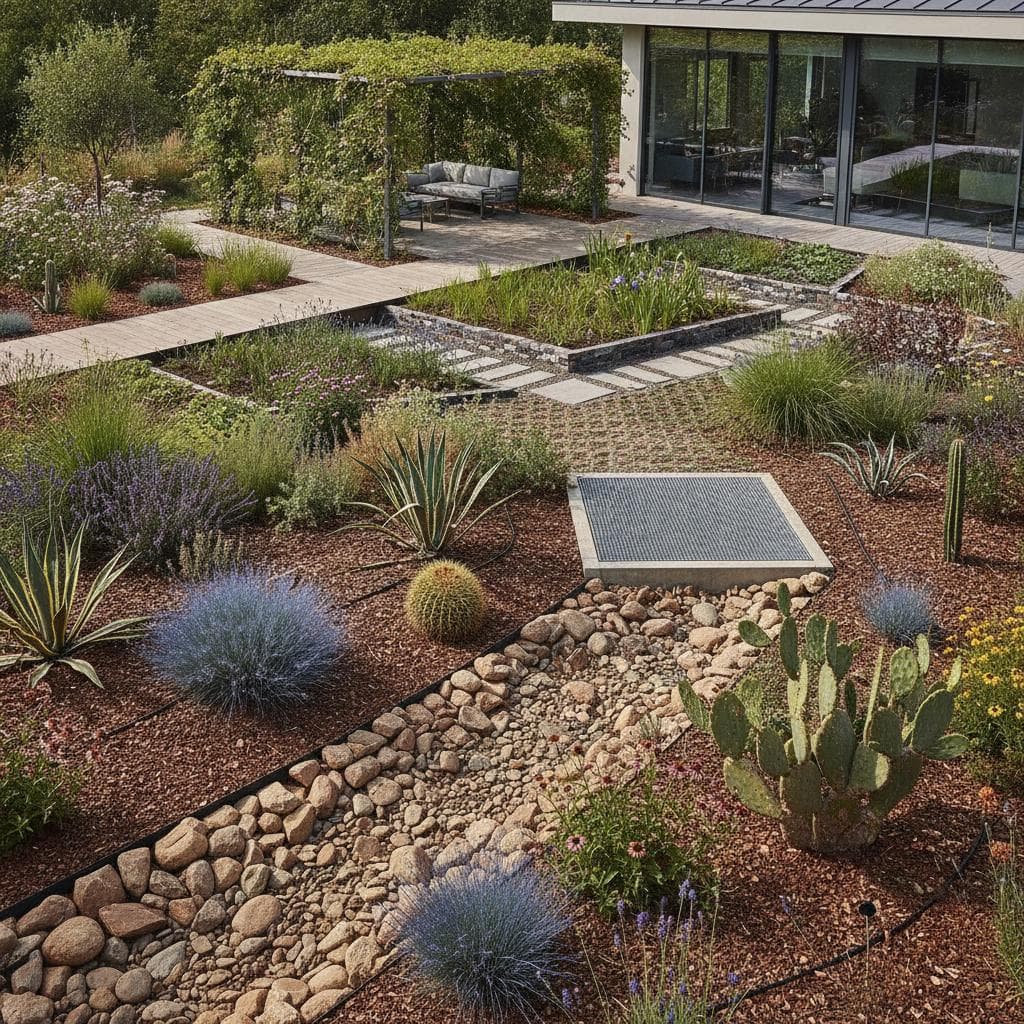
AI Sensors Solve Your Garden's Microclimate Problems
A garden can look healthy in the morning and wilt by afternoon. One corner may stay damp after rain while a nearby container turns bone dry. Urban gardens create dozens of tiny climates, shaped by brick walls, balconies, pavement, wind, shade, and reflected heat. That is exactly where artificial intelligence can help.
AI driven gardening sounds high tech, yet the practical idea is simple. Use local data to understand what your plants need, then make smaller, smarter decisions about water, soil, crops, and protection. You do not need a futuristic greenhouse. A few affordable sensors, a weather aware irrigation controller, and a willingness to observe can transform a struggling plot into a more resilient growing space.
Why Local Data Matters
Regional weather reports offer useful guidance, but they rarely describe your actual garden. A rooftop bed may receive intense afternoon heat while a courtyard remains cool and humid. A balcony on a high floor can experience stronger wind than the street below. Even two neighboring yards can have different soil moisture levels.
Smart Irrigation That Responds
A basic timer waters according to a schedule. Smart irrigation responds to conditions. This distinction matters when rainfall arrives unexpectedly or a heat wave dries soil faster than usual.
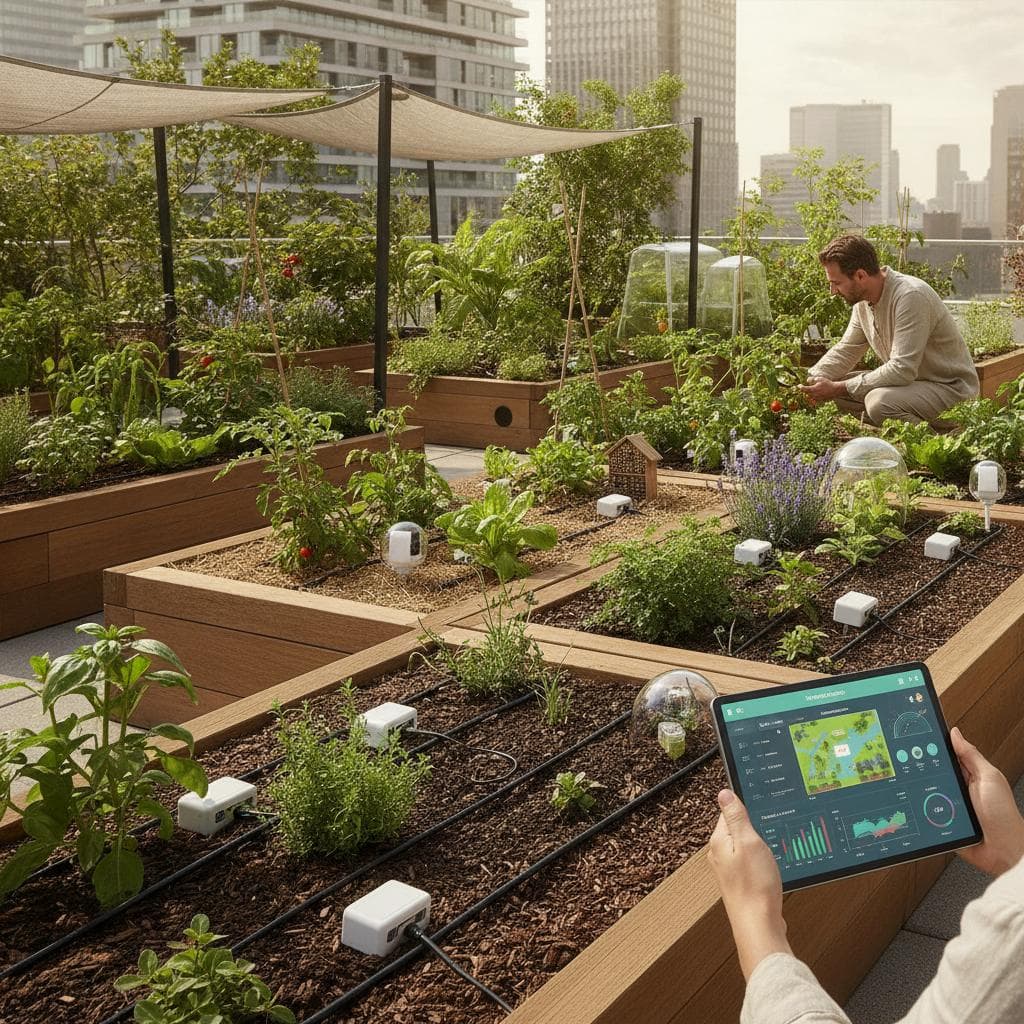
For a small garden, begin with a moisture sensor placed near the root zone, not directly beside a dripper. Pair it with a drip line or soaker hose, which delivers water slowly to the soil instead of spraying leaves and paths. A smart controller can pause watering after rain, adjust duration when evaporation rises, and divide irrigation into shorter cycles for containers.
You should still inspect the system yourself. Sensors can fail, batteries can fade, and a blocked emitter can leave one plant thirsty. Check the soil with your finger and look beneath leaves. Technology supports good gardening judgment. It does not replace it.
For renters, a battery powered container system can provide similar benefits without permanent plumbing. Choose modular tubing that lifts easily when you move. If your budget is tight, use one moisture meter for several containers and compare readings manually before investing in a connected system.
Choosing Crops for Your Microclimate
AI can help identify plants suited to your garden, but the best recommendations come from accurate information. Record how many hours of direct light each area receives, whether wind reaches it, and how quickly the soil dries. A simple notebook or phone record gives the system better input.
In a hot, reflective courtyard, consider heat tolerant herbs, okra, eggplant, peppers, and compact tomatoes. In a shaded balcony, leafy greens, mint, parsley, and some Asian vegetables may perform better. For cool, damp corners, choose plants that tolerate lower evaporation and maintain generous spacing for airflow.
Avoid planting only what looks appealing in a catalog. Climate resilience comes from diversity. Mix deep rooted plants with shallow rooted crops, include flowers for beneficial insects, and grow several varieties of the same vegetable. If one fails under unusual conditions, another may continue producing.
Reading Plants Without Panic
Image based gardening tools can identify yellow leaves, chewing damage, or fungal patterns. They can be useful, especially when you are unsure whether a problem comes from pests, overwatering, nutrient imbalance, or sun stress. Still, a photo rarely tells the complete story.
Before treating anything, inspect the soil, roots, nearby plants, and recent weather. Yellow lower leaves may signal normal aging, while yellow leaves throughout a container may point to saturated soil. Powdery growth can spread under crowded conditions, but it also resembles harmless residue in some photos.
Use AI recommendations as a shortlist of possibilities. Confirm the diagnosis through observation, a local extension service, or a qualified horticultural professional when the problem is severe. Skip broad pesticide applications based on one automated suggestion. Protect pollinators and your own health by choosing the least disruptive solution.
Building Resilience Beyond Technology
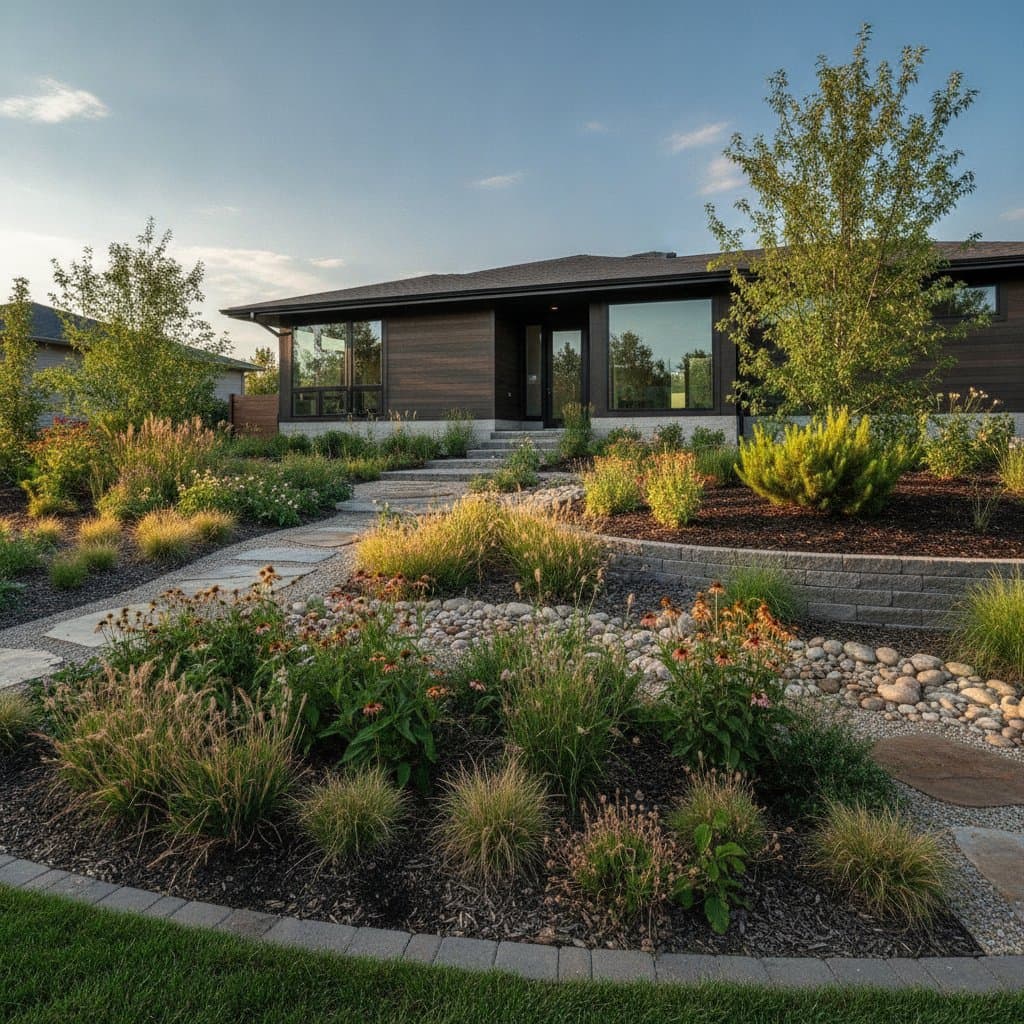
Smart tools work best within a thoughtful garden design. Improve soil with finished compost, leaf mold, or well aged organic matter. Add mulch to reduce evaporation and protect roots from temperature swings. Use shade cloth during extreme heat, and secure tall plants against stronger winds.
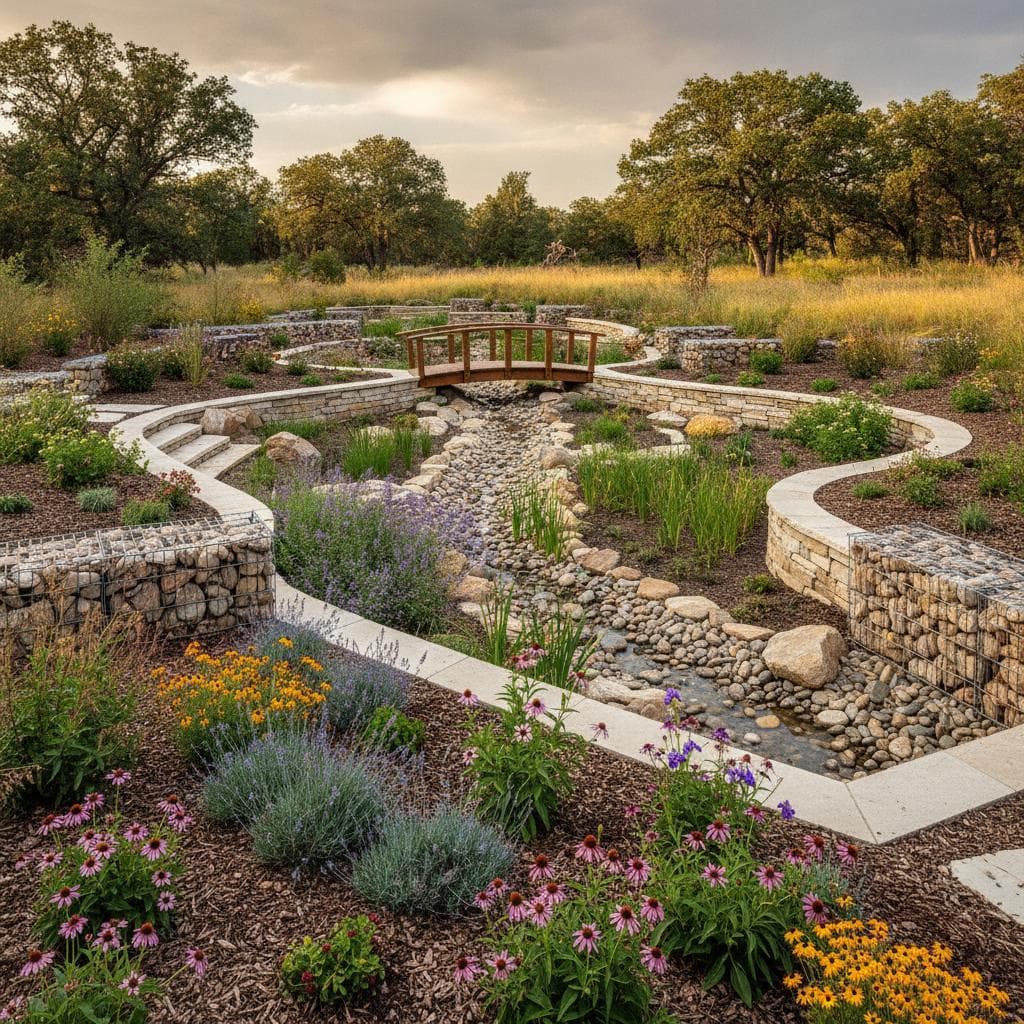
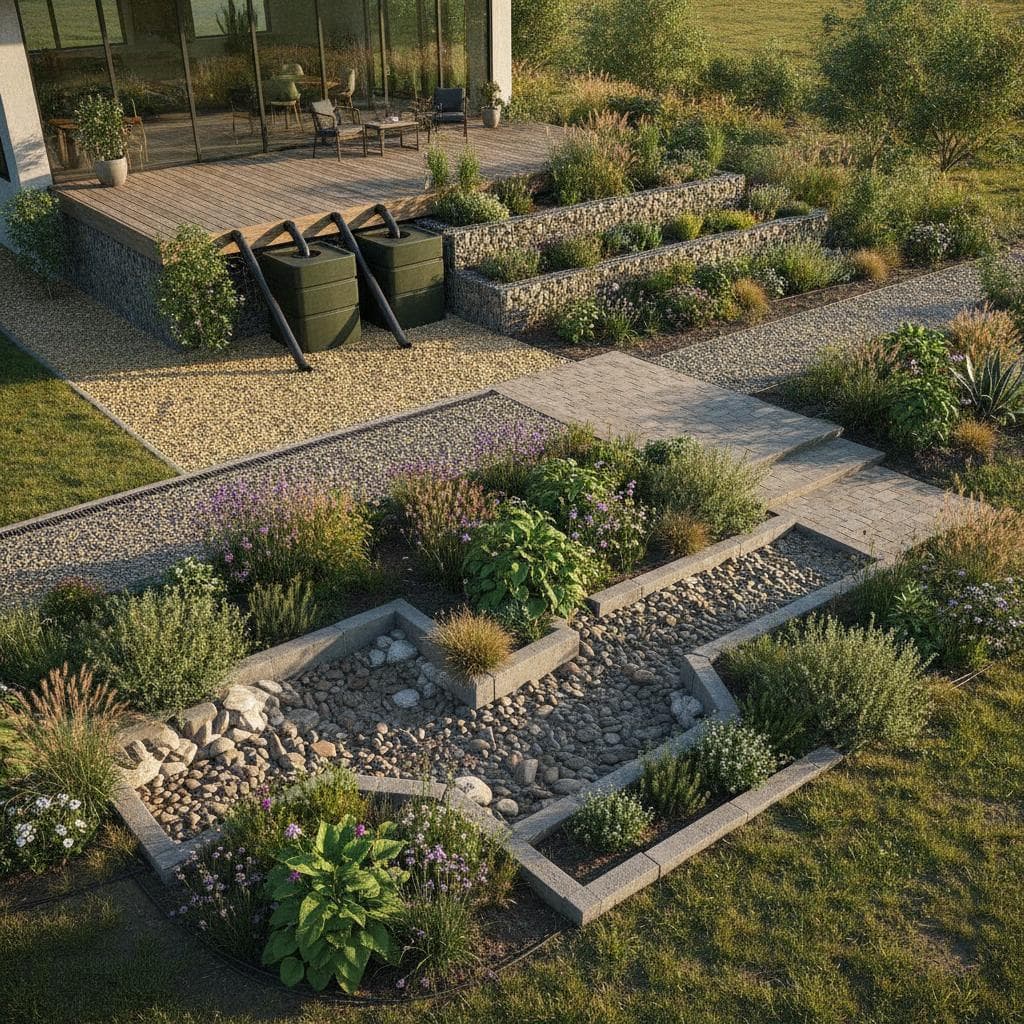
Capture rainwater where local regulations permit, but keep containers covered to prevent mosquitoes and debris. Group plants with similar water needs so irrigation remains efficient. Add permeable surfaces around beds, allowing rain to soak into the ground instead of rushing toward drains.
A client once asked me to automate a rooftop garden that dried out constantly. The first instinct was to install more irrigation. We chose a different path, adding wind screens, deeper planters, mulch, and drought tolerant herbs. The smart controller then used far less water. The lesson stayed with me. Good technology cannot compensate for poor placement.
Living With a Smarter Garden
Start with one problem. If containers dry out, install a moisture sensor and improve the watering line. If heat damages crops, map sunlight and add shade before buying complex equipment. Track what changes, then expand only when the benefit is clear.
Choose durable components, protect cables from weather, and clean filters regularly. Review irrigation settings whenever you change crops or rearrange containers. Most of all, keep looking closely.
Your garden does not need to be perfectly automated. It needs to respond intelligently to its place.