Why Climate-Adaptive Yards Are Replacing Lawns
The Changing Suburban Landscape
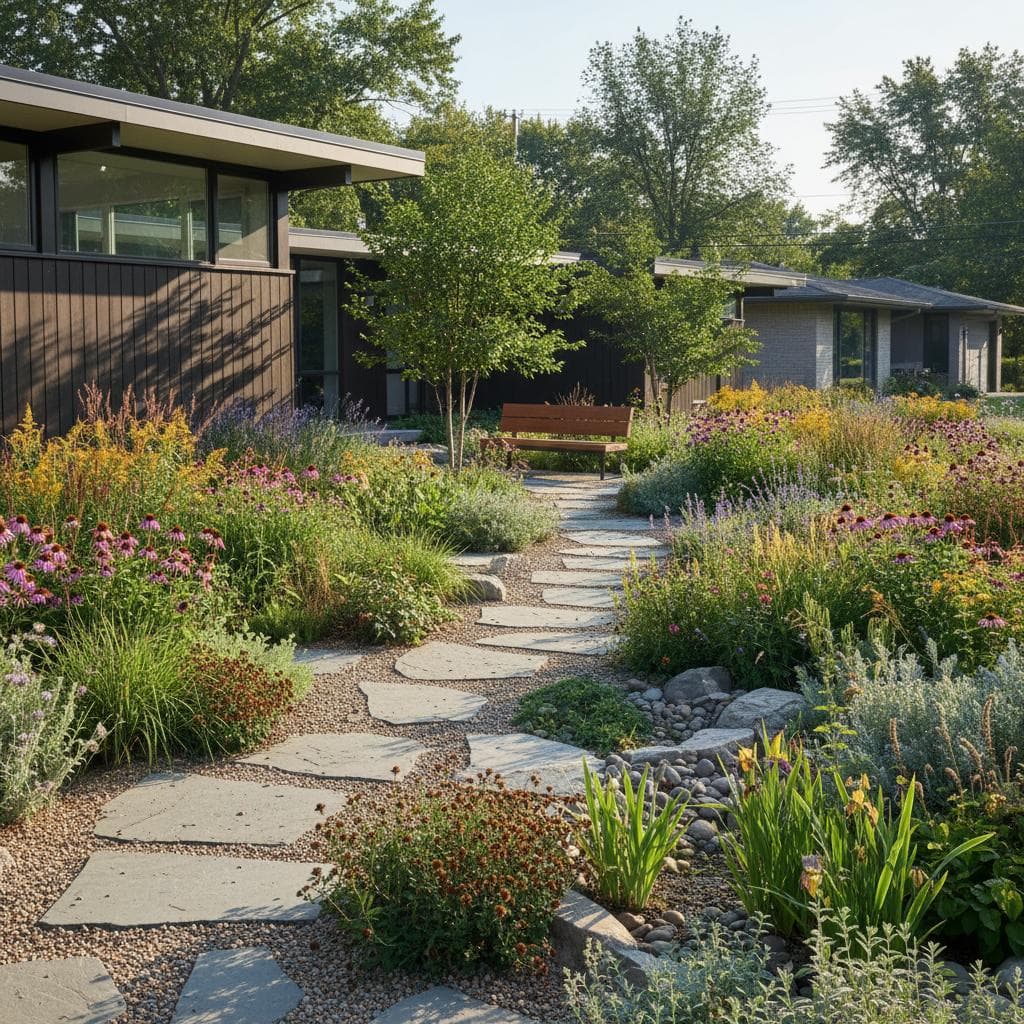
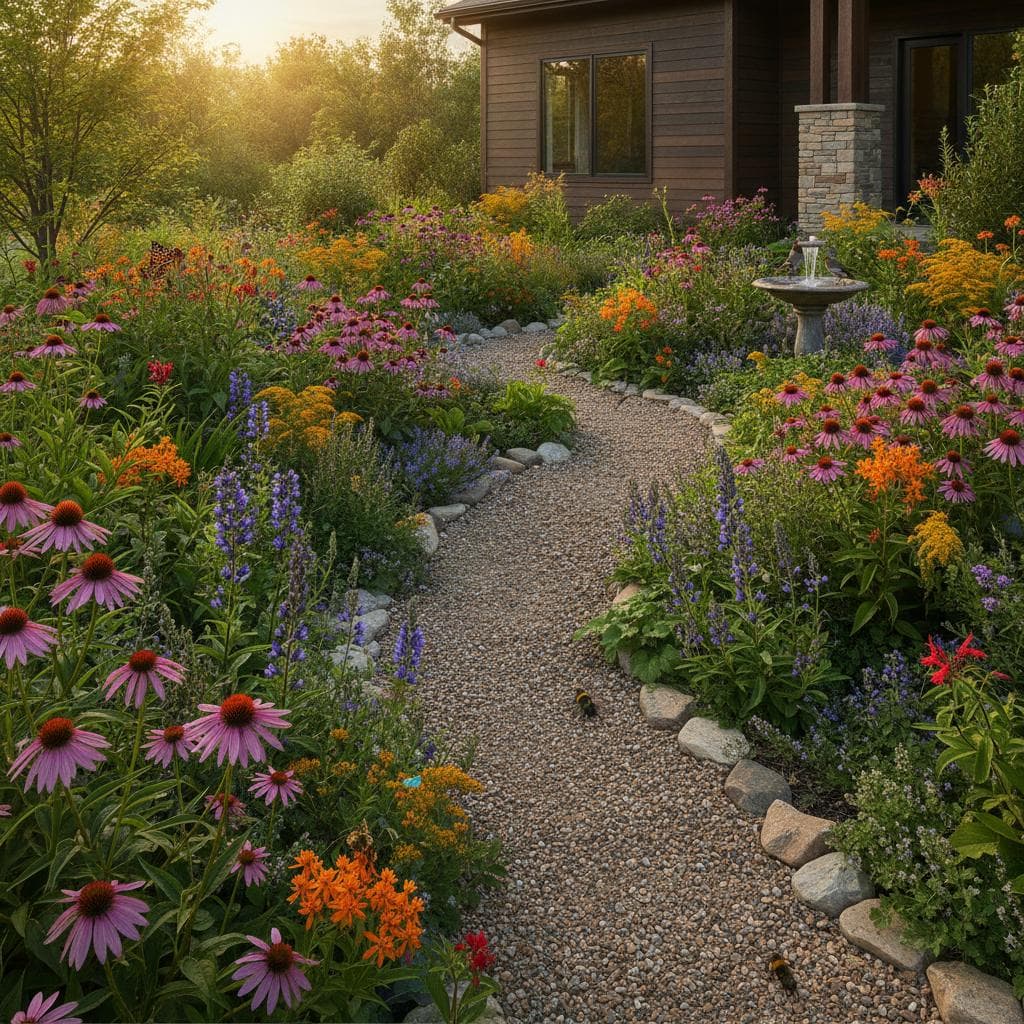
Picture a quiet suburban street where morning light falls across front yards. Some remain deep green from constant watering. Others feature gravel paths winding through clusters of flowering native plants. Bees replace the sound of sprinklers, and the air carries fewer chemical scents.
Homeowners in regions facing water scarcity now rethink traditional lawns. The once standard green carpet loses favor to climate adaptive landscaping. These yards prioritize survival alongside visual appeal.
Redefining Yard Beauty
The manicured lawn once signaled control and prosperity. That standard shifts as owners question heavy water use on grass that struggles in summer heat. Landscape designer Mara Jensen notes that lawns were never natural in most regions.
Environmental and Financial Impacts
Traditional lawns demand significant water, fertilizer, and mowing fuel. These inputs often lead to waterway pollution and higher emissions. Climate adaptive yards rely on plants suited to local soil and climate.
Established native species typically require little irrigation. They support pollinators and improve soil conditions. Homeowners frequently report lower water bills after conversion. Some areas provide rebates for turf removal.
Cultural Drivers of the Shift
Newer homeowners prioritize sustainability and distinct character over uniform grass. Social platforms showcase native gardens as stylish options. Gravel patios and flowering ground covers gain attention for their natural look.
Influencers promote yard rewilding as a modern choice. The approach now reads as an expression of values rather than a concession.
Core Design Elements
Effective adaptive yards begin with analysis of water flow and site conditions. Designers match plants to soil type, sun exposure, and drainage.
Key features include:
- Native plant groupings that draw pollinators and limit irrigation needs.
- Permeable materials such as decomposed granite that let rainwater enter the soil.
- Mulch applications that stabilize soil temperature and reduce weeds.
- Small trees or shrubs positioned for natural cooling.
- Rain capture setups that store water for later use.
Moving Designs to the Front Yard
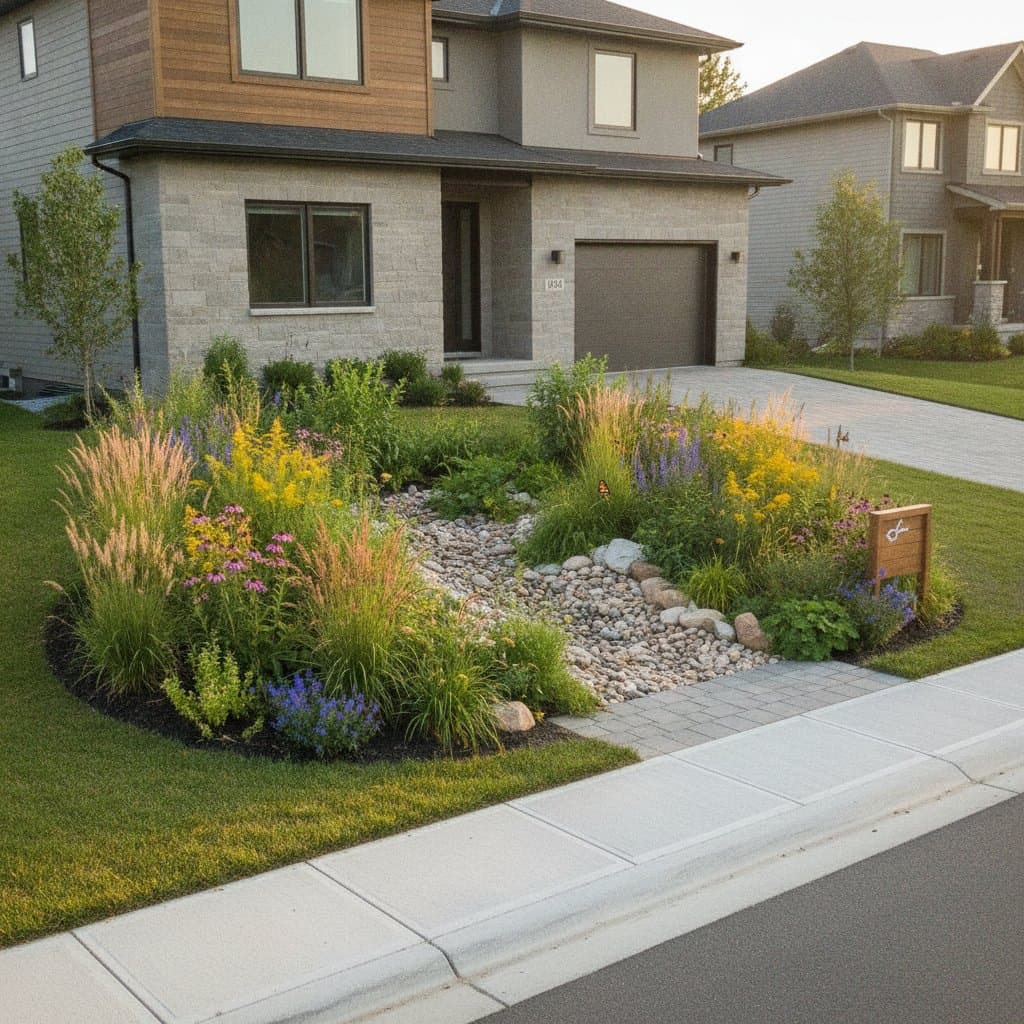
Sustainable experiments once stayed in back areas. Updated local rules and homeowner association policies now support front yard changes. Gravel beds and native grasses meet current curb appeal expectations.
This adjustment turns private spaces into shared statements of environmental care.
Personal Ties to the Land
Planting regional species builds direct awareness of local patterns. Owners notice flower responses to rain or returning bird activity. Seasonal tasks replace weekly mowing with more varied care.
Homeowner Danielle Cruz describes the change as learning to observe environmental rhythms. The process aligns with wider interest in mindful daily choices.
Lasting Neighborhood Advantages
Wider use of native plants reduces stormwater issues and moderates local temperatures. Soil scientist Priya Natarajan highlights improved carbon storage and microbial activity once overwatering stops.
Properties with these landscapes often appeal to buyers seeking lower ongoing costs. Real estate values reflect this growing preference.
Practical Steps for Homeowners
Start with one section of the yard. Consult regional plant societies for suitable species.
Follow these actions:
- Remove turf in stages to protect soil structure.
- Check soil composition for existing nutrients and drainage.
- Add targeted irrigation that reaches roots directly.
- Apply mulch to hold moisture and limit weed growth.
- Monitor plant performance through the first season and refine as needed.
Mature adaptive yards need less routine work while delivering consistent visual interest.
Enduring Value at the Curb
Climate adaptive yards combine responsibility with lasting function. Neighborhoods adopting them show measurable differences in temperature, water use, and wildlife presence. The approach rewards patience with resilient, place specific results.