The Rise of AI-Powered Mowers in Lawn Maintenance
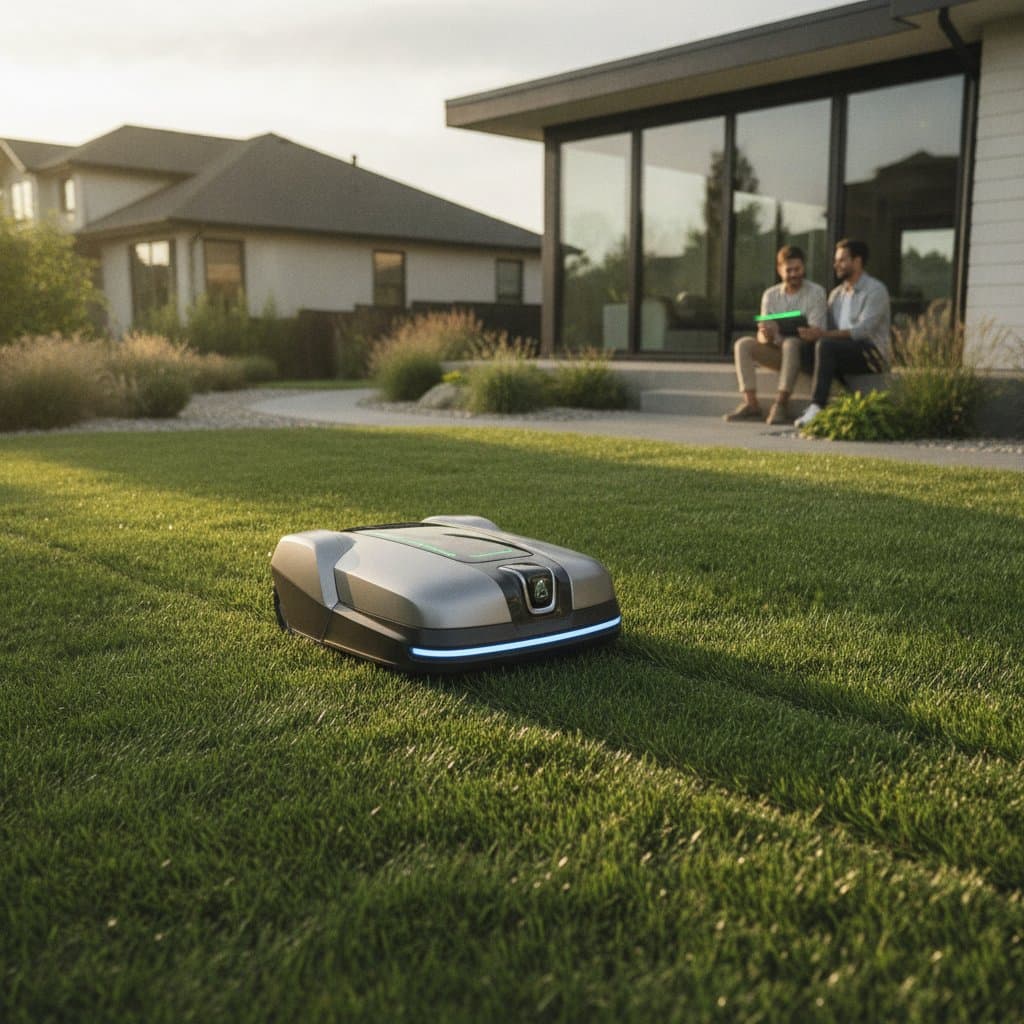
A quiet morning replaces the roar of a gas mower with the soft sound of a self-guided machine moving across the grass. No fumes appear. No physical effort is required. An even layer of green emerges while the homeowner relaxes indoors. This scene illustrates the shift to AI-powered lawn maintenance, where technology supports cleaner and quieter outdoor spaces.
Robotic mowers once seemed limited to early adopters. They now appear on suburban lawns and larger rural properties alike. Their appeal stems from reduced labor, lower environmental impact, and reliable performance.
Transition from Manual Work to Automated Systems
Mowing once involved gasoline odors and repeated physical pushes. Robotic models changed this pattern by using sensors and algorithms to map yards and avoid obstacles. They adjust routes based on grass height, recent weather, and ground contours.
Environmental and Operational Advantages
Gas mowers release emissions that affect air quality. Electric versions draw power from batteries that accept solar input in many cases. Frequent short cuts return clippings to the soil as mulch, which cuts fertilizer needs and supports denser grass growth.
Sound levels stay low enough for operation at varied hours without neighbor complaints. This feature preserves quiet periods for residents and local wildlife.
Core Technology and User Controls
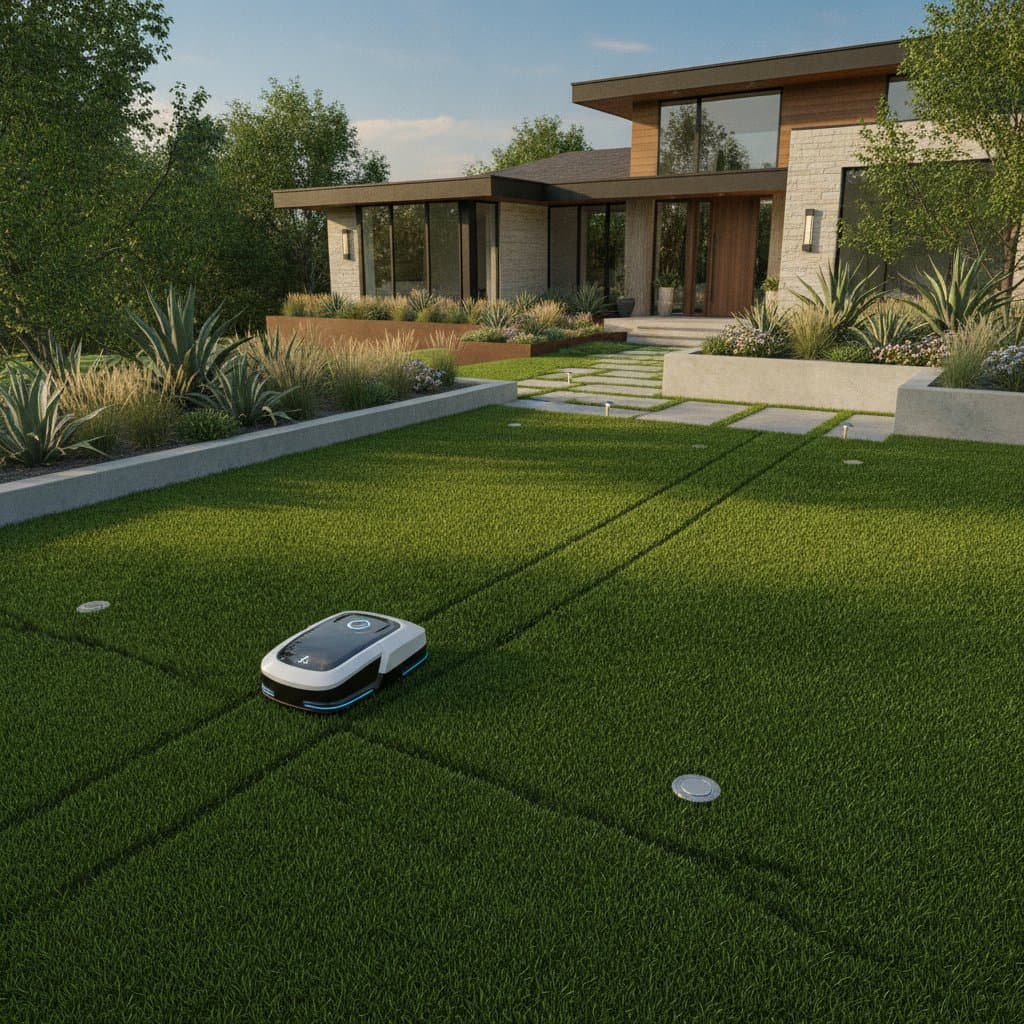
Sensors identify slopes, objects, and lawn edges while processors select efficient paths. Satellite or camera systems help cover every section without overlap. Alerts notify owners about blade condition or battery status, and weather data can pause activity during rain.
Mobile apps allow remote start, boundary adjustments, and progress checks. These tools suit frequent travelers who want oversight without daily presence.
Selection and Installation Steps
Measure lawn size and note slopes before purchase. Moderate grades work well for most units, while steep sections may still need hand trimming. Confirm Wi-Fi access for app features and GPS accuracy.
Clear large objects from the area on the first day. The mower refines its map over several cycles. Routine care includes blade cleaning and station clearance.
Pricing and Long-Term Value
Models range from compact units for city yards to larger versions for acreage. Initial cost exceeds basic gas mowers, yet fuel savings and fewer repairs offset the difference. Fewer mechanical parts extend service life, and software updates maintain performance.
Safety Measures and Design Fit
Lift sensors stop blades instantly. Obstacle detection protects pets and garden features. GPS tracking and access codes deter theft. Sleek shapes allow charging stations to sit behind shrubs without visual clutter.
Outlook for Continued Development
Future units will link with soil sensors and irrigation controls. Some designs test solar mats that remain hidden in the lawn. Weed detection features may soon alert owners to emerging issues.
Daily Integration
After setup, the mower follows a steady schedule that prevents overgrowth. Homeowners report more time spent enjoying the yard instead of maintaining it. The result is consistent appearance with minimal ongoing input.