Gravel Gardens Use 90 Percent Less Water Than Traditional Lawns
Key Takeaways
- Gravel gardens require a fraction of the water that lawns do, making them ideal for drought prone regions.
- They can be lush, colorful, and full of life with the right plant selection.
- Maintenance is minimal once the garden is established.
- Gravel surfaces help prevent soil erosion, suppress weeds, and create a clean, modern aesthetic.
- A well designed gravel garden increases property value and reduces long term upkeep costs.
Why Lawns Are Losing Their Appeal
The classic lawn has long symbolized order, affluence, and outdoor leisure. Yet behind the manicured perfection lies intensive watering, fertilizer use, and endless mowing. For busy families the upkeep alone can feel exhausting.
In personal experience the lawn became a weekend chore rather than a space of joy. Between childrens sports schedules and work deadlines the last thing anyone wants is hours spent repairing bald patches or adjusting sprinklers.
Design Principles for a Gravel Garden That Works
Creating a gravel garden is about more than spreading stones. It requires thoughtful planning and an understanding of how soil, plants, and texture interact.
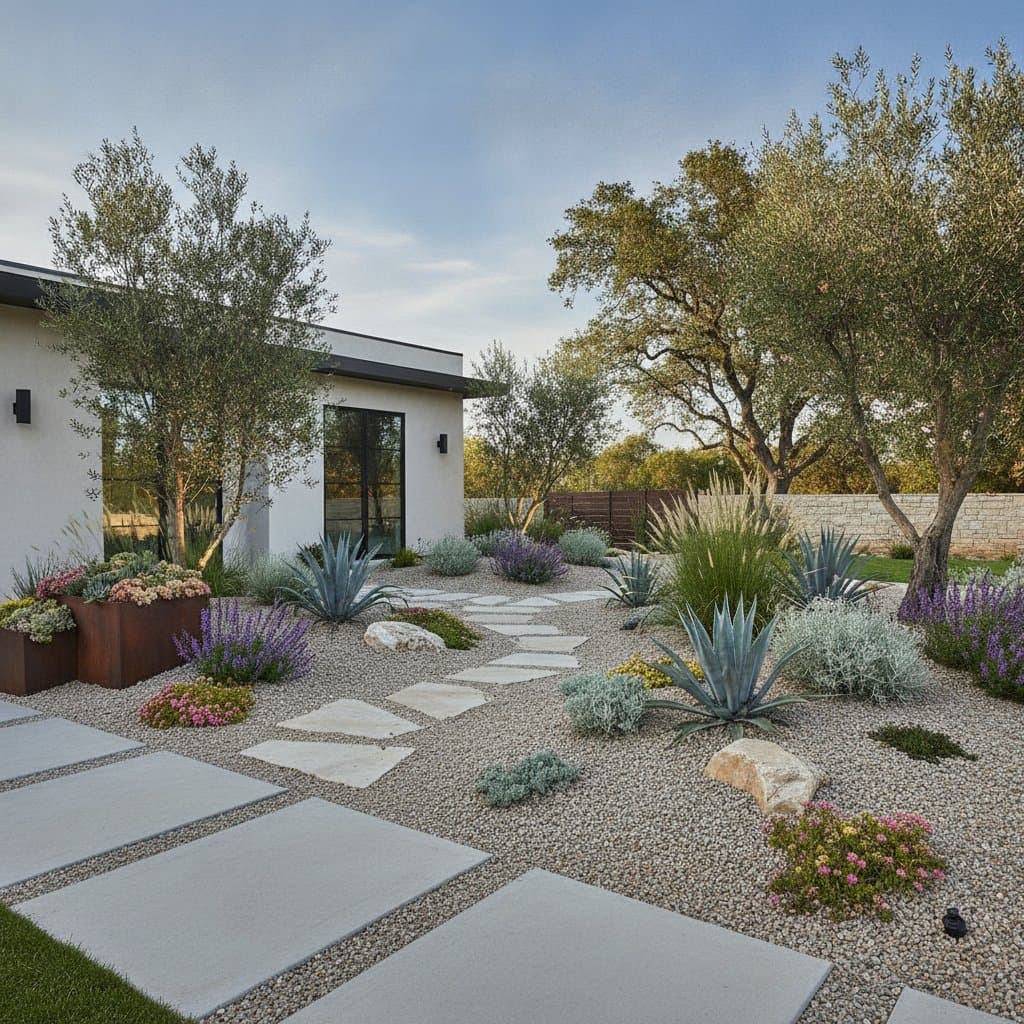
- Prepare the base properly. Start by removing existing grass and weeds, then lay a breathable membrane that allows water to pass through but prevents regrowth. A layer of gravel about five to seven centimeters deep provides stability and good drainage.
- Choose the right gravel. Washed river gravel or crushed stone works best. Avoid fine materials that compact too tightly. The color of the gravel sets the tone for the garden. Warm beige creates a soft Mediterranean feel while gray or white stone gives a contemporary look.
- Select drought tolerant plants. Think of hardy perennials such as lavender, thyme, euphorbia, and sedum. Ornamental grasses like stipa or festuca add movement and texture. Pair silvery artemisia with deep purple salvias for contrast and resilience.
- Layer heights and forms. Use taller plants at the back and low growing ground covers near walkways. Mixing shapes and leaf textures creates visual interest even when flowers are not in bloom.
- Integrate pathways and seating areas. A gravel path feels more natural than paving and allows rainwater to soak back into the soil. A simple bistro set or bench invites you to linger among the plants without worrying about muddy shoes or uneven grass.
Family Friendly and Fuss Free
Parents often ask whether gravel gardens are safe or comfortable for children. The answer is yes especially when designed thoughtfully. Rounded pea gravel is softer underfoot and ideal for play areas. You can also combine gravel zones with small patches of artificial turf or decking to create a multi use family space.
When switching from lawn to gravel the area quickly becomes a favorite spot for children. They build small structures among the succulents and use larger stones as seats for outdoor reading. It turns out to be far more interactive than an old patch of grass.
Maintenance is equally family friendly. Gone are the days of dragging out the mower or worrying about uneven watering. Occasional weeding and seasonal pruning are all that is required. Every few years you can rake the gravel to refresh its appearance and reposition any displaced stones.
Global Inspiration for Gravel Designs
Different regions have long traditions of gravel based landscapes. In southern France courtyards are often surfaced with pale gravel that reflects sunlight and keeps spaces cool. In Japan raked gravel gardens create meditative zones that emphasize harmony and simplicity.
Drawing on these influences many modern gardeners combine global aesthetics with local practicality. A homeowner in California might blend native succulents with Mediterranean herbs while a London terrace could feature ferns and shade tolerant grasses nestled among slate chips.
Locals in Provence integrate terracotta pots into their gravel gardens to break up the stone surface with bursts of color. The same idea works with galvanized metal containers filled with rosemary and helichrysum. The scent alone makes the space feel like a holiday escape.
Professional Tips for Lasting Success
Expert gardeners often emphasize the importance of patience. A gravel garden reaches its full beauty over time as plants settle in and spread naturally.
Landscape architect Sarah Doyle advised that the first year is about structure. By the second or third the garden develops its rhythm. Resist the urge to overplant early on.
Another professional tip is to think about seasonal interest. Choose a mix of species that bloom at different times or offer year round texture. For instance evergreen herbs and grasses maintain color through winter while sedums and verbena provide blooms through summer.
Finally plan for practical use. Gravel gardens can double as driveways, courtyards, or outdoor dining areas. Their permeability prevents puddling and supports sustainable drainage.
Living with the Design
Once the gravel garden is established it becomes more than a water saving solution. It changes how you experience the outdoor space. Morning coffee on a gravel terrace feels grounded and peaceful. Rain sounds different as it trickles between the stones. Children can explore freely without the constant worry of muddy footprints.
This shift also simplifies family routines. Less time spent on watering and mowing means more time outdoors together actually enjoying the space. The garden becomes a reflection of balance between beauty and practicality, between global inspiration and local living.
As climate patterns continue to challenge traditional landscaping gravel gardens stand out as an elegant response. They prove that sustainability can be achieved without sacrificing charm or comfort.
Whether you live in a city flat with a small courtyard or a countryside home with sprawling grounds the gravel garden offers a timeless resilient alternative that respects both environment and lifestyle.