Front Yards Go Wild: Native Meadows Replace Grass
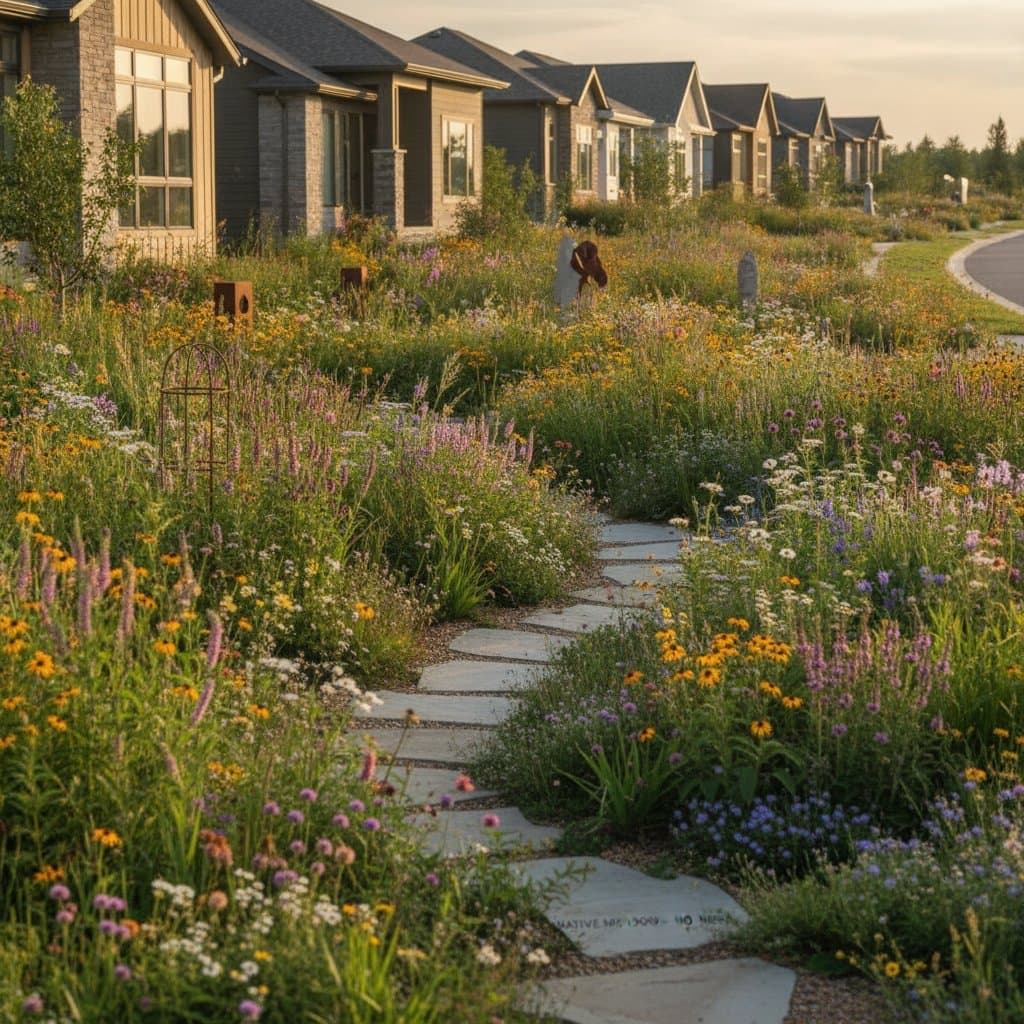
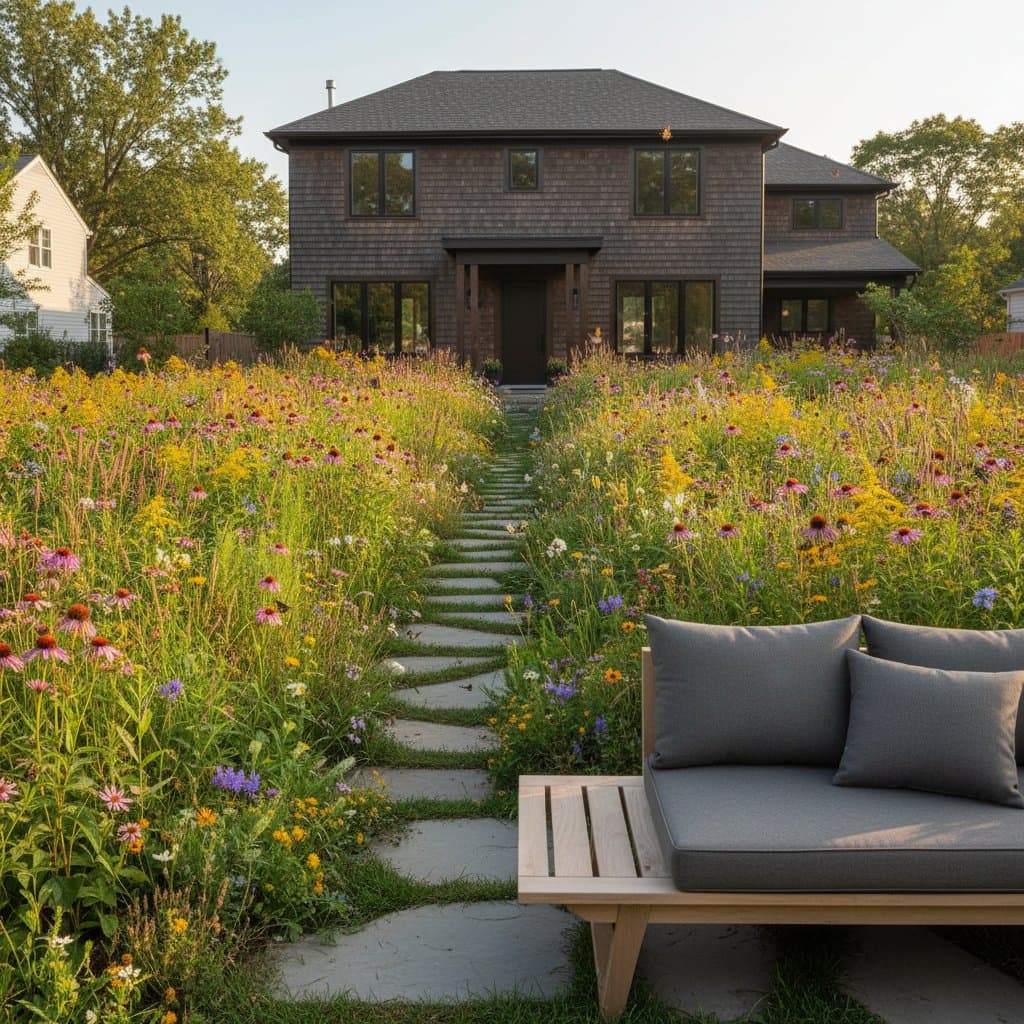
Picture this. A sunrise spills gold across a front yard not of clipped emerald blades but of waving wildflowers and soft native grasses. Bees hum at the coneflowers. Butterflies drift between milkweed blooms. The air carries a faint sweetness that feels alive. This scene represents a living meadow rather than a forgotten lawn.
Homeowners across communities now trade traditional turf for native meadows. The familiar whir of lawnmowers yields to the gentle buzz of pollinators. What began as resistance to endless mowing has grown into a movement that celebrates biodiversity, beauty, and balance.
Why Traditional Lawns Fall Short
The green lawn once stood as a symbol of order and effort. Yet many now recognize the high costs involved. Lawns demand constant watering, chemical fertilizers, and frequent mowing that consume fuel and time. They offer little support to local ecosystems in return.
Designing a Functional Native Meadow
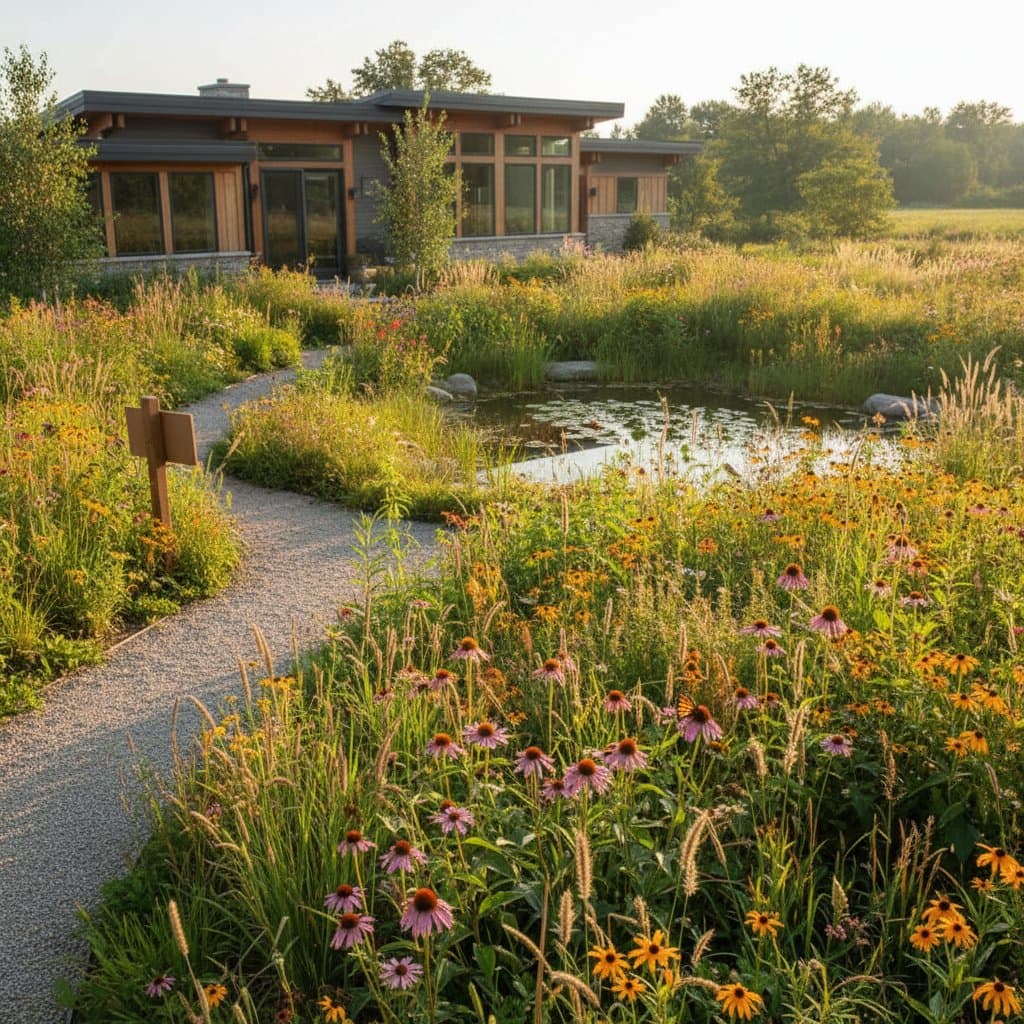
A native meadow functions as a designed ecosystem built around local species. It supports birds, butterflies, and beneficial insects through careful plant selection. Consider combinations such as black-eyed Susans, little bluestem, and goldenrod that create texture and seasonal color shifts.
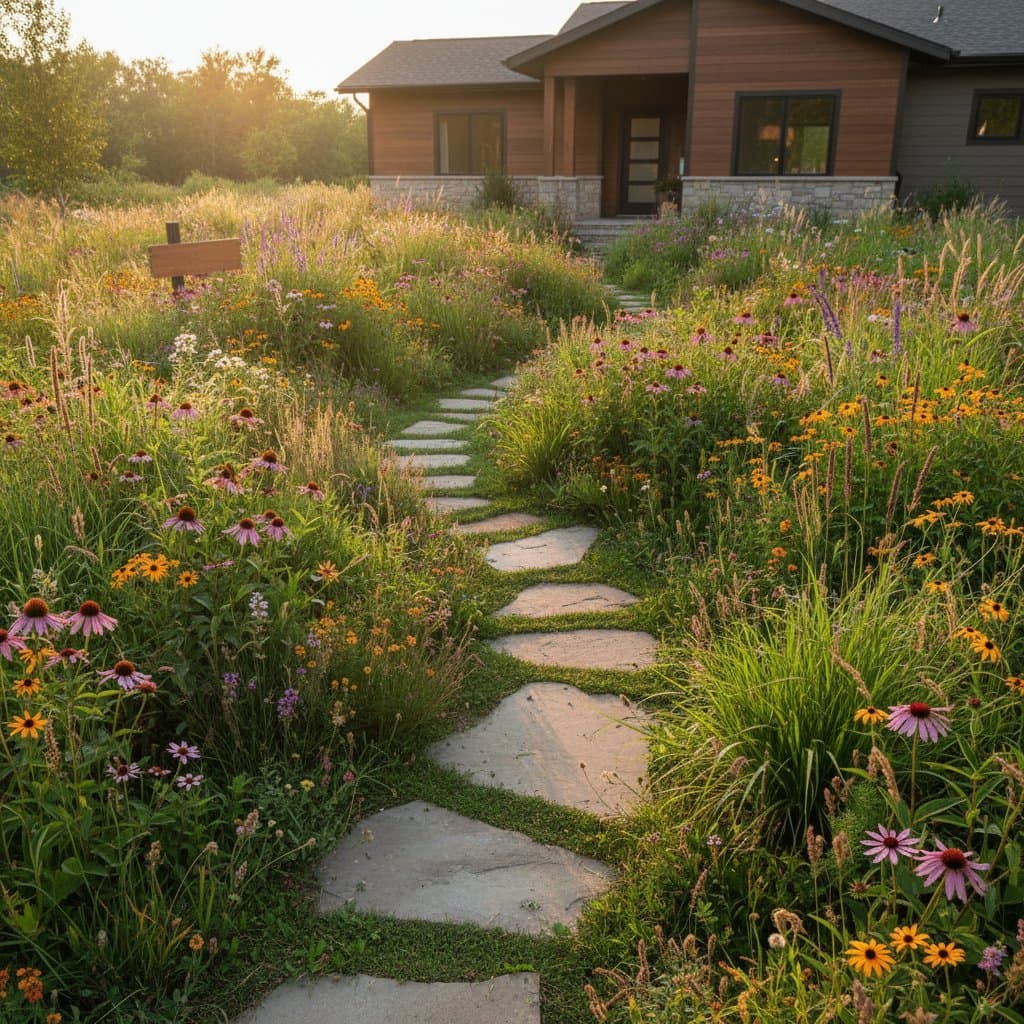
The result differs from uniform lawn surfaces. It appears dynamic and intentional. Neighbors recognize the artistry rather than signs of neglect.
Steps to Convert Grass to Meadow
Conversion requires patience and planning more than heavy labor. Begin by removing existing grass through smothering methods. Homeowners often lay cardboard or thick mulch to block light and allow natural decomposition. Solarization with clear plastic offers another option that uses solar heat for clearance.
After site preparation, select and plant native seeds or plugs suited to the region. State extension services and native plant societies supply appropriate seed mixes that balance grasses and flowers. Water regularly during the first season while roots develop. The planting may appear sparse initially, yet growth accelerates by the second or third year.
Simplified Maintenance Practices
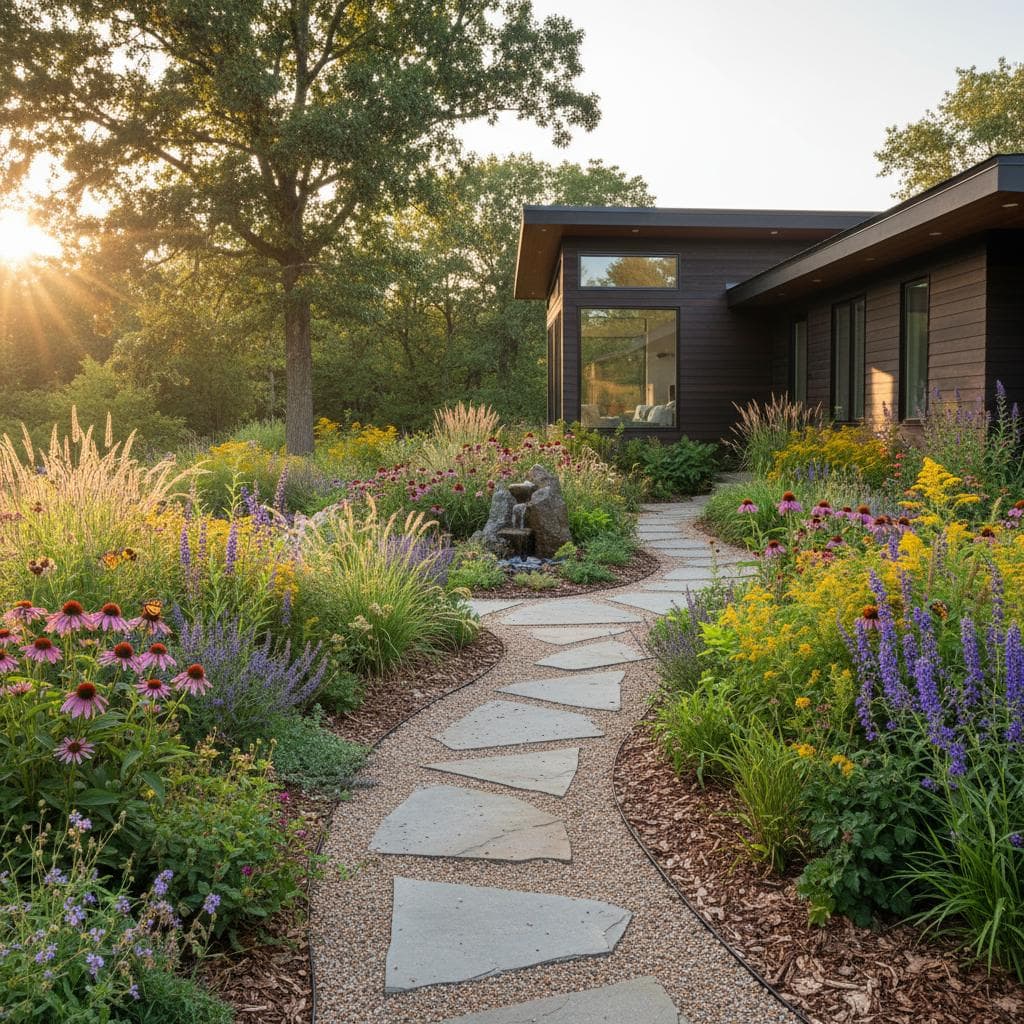
Meadow yards require different care than weekly mowing. A single annual trim in late winter clears dead stems and prepares space for new growth. This schedule protects pollinators that overwinter in stalks. Weeding occurs mainly in early stages until native plants dominate. Mulched pathways and stone borders add definition that maintains a cared-for appearance.
Design Elements for Intentional Results
Structure and framing keep meadows looking purposeful. Apply these approaches to achieve a polished outcome.
- Mark boundaries with low fencing, stone edges, or trimmed groundcover.
- Position a birdbath, bench, or sculpture as a visual anchor.
- Arrange taller plants toward the center or rear and shorter species along walkways.
- Install gravel or stepping-stone paths for access and easier upkeep.
- Select a color scheme or seasonal emphasis to unify the planting.
These choices produce landscapes that read as both natural and deliberate.
Environmental Benefits in Practice
Native meadows improve more than appearance. Deep roots filter rainwater, reduce erosion, and support groundwater recharge. Flowers sustain pollinators essential to food production. Birds gain seeds and shelter while soil life increases below ground. One converted yard often encourages neighbors to follow, creating connected habitat corridors.
Addressing Potential Issues
Concerns about messiness or unwanted visitors can be managed through design. Clear edges and defined areas signal intention. Native plants primarily draw beneficial insects and birds. Deer-resistant choices such as yarrow or switchgrass limit browsing where needed. Many municipalities now update codes to permit maintained native plantings. An explanatory sign helps communicate the ecological purpose to passersby and officials.
Creating Your Own Meadow
The process combines personal creativity with environmental gains. It rewards patience with daily changes in color and movement. The finished space becomes a living expression of renewal that evolves through the seasons. Homeowners who make the change often find greater satisfaction in the activity and life that replace former maintenance routines.