The Environmental Advantages of Rewilding Your Yard
Homeowners often feel a disconnect from nature in highly manicured yards that seem lifeless. Rewilding addresses this by creating a balanced ecosystem that supports local wildlife, improves visual appeal, and stays organized without becoming chaotic.
Understanding the Essence of Rewilding
Rewilding means bringing natural elements back into your outdoor area. Choose native plants that match your local ecosystem, draw in helpful insects, and build biodiversity. Work with nature's processes instead of forcing a rigid layout to develop a genuine setting.
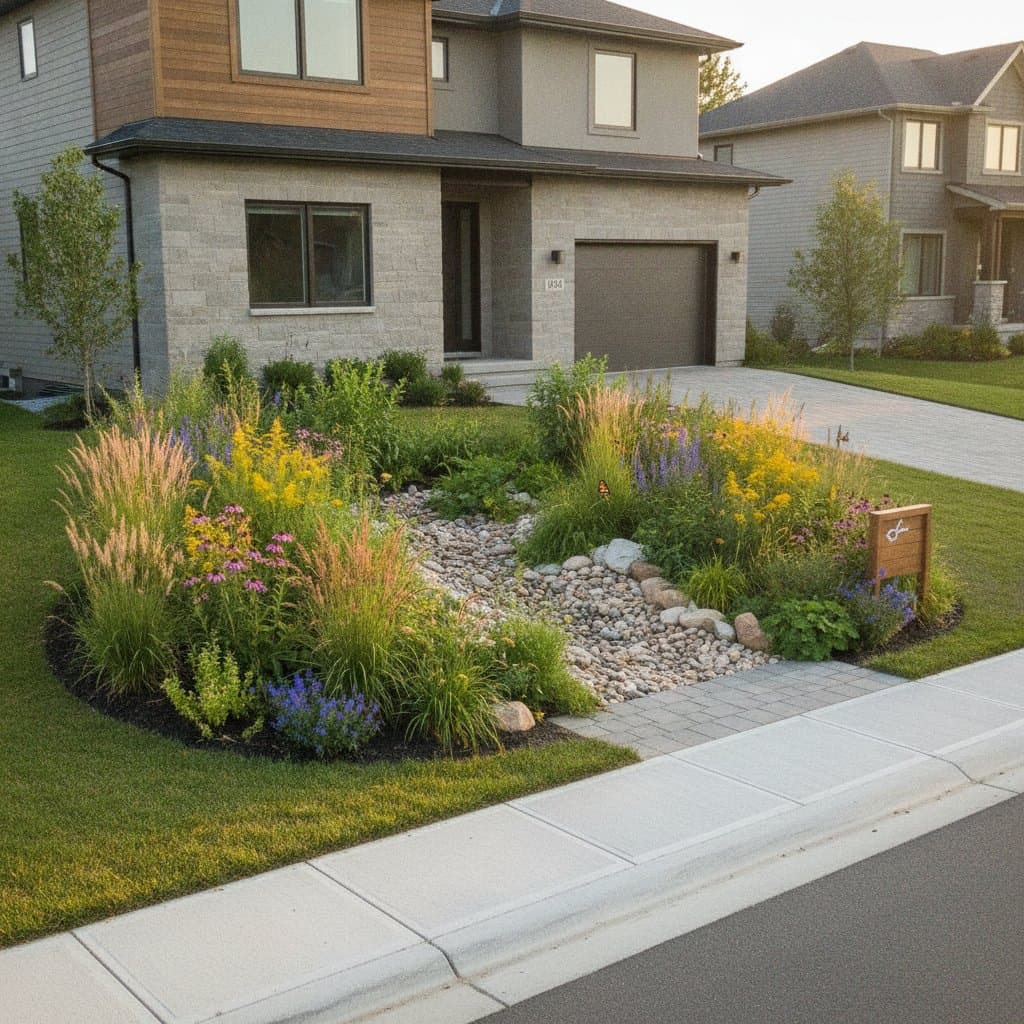
Focus on intentional design rather than chance. For example, plant groups of wildflowers instead of even rows, or replace standard grass with native varieties. The result is a landscape full of life and true character.
Environmental Impact of Rewilding
Aesthetic Benefits of a Rewilded Landscape
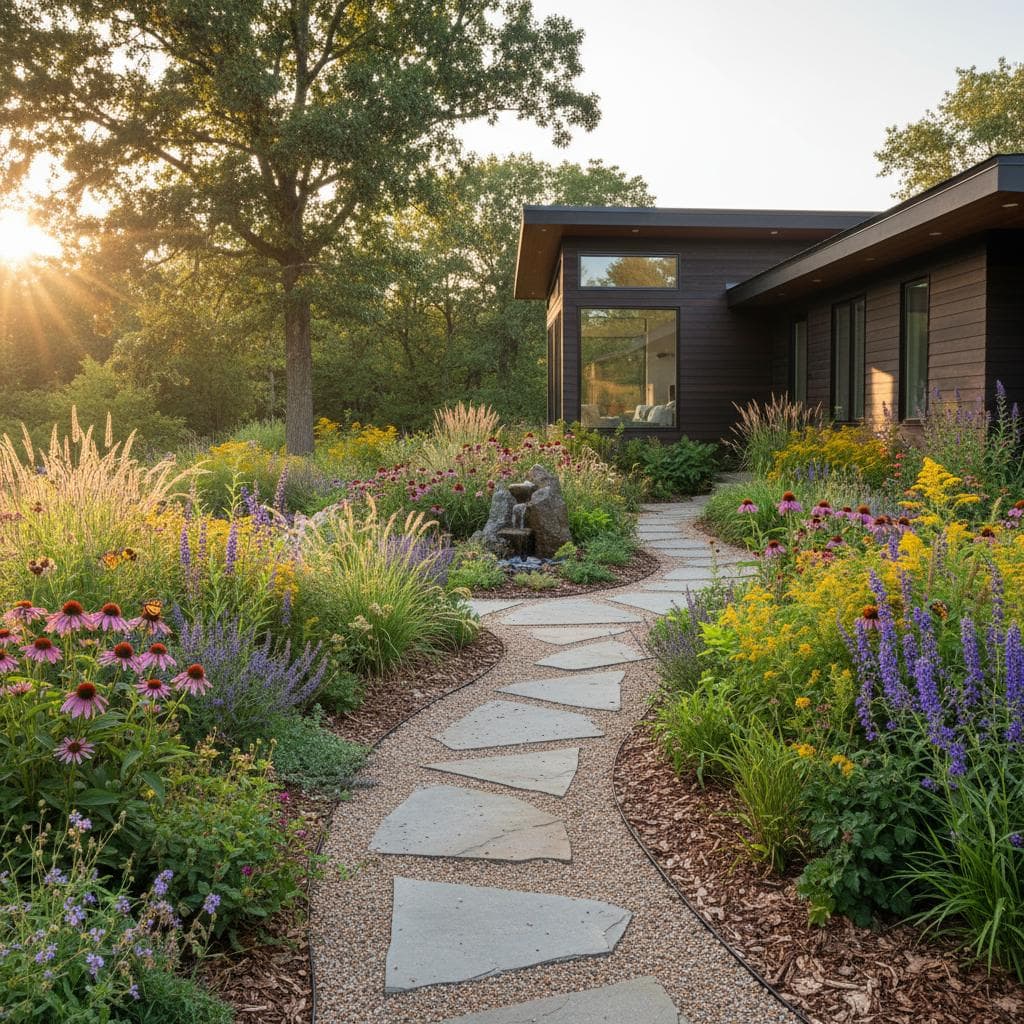
People sometimes worry that rewilded areas look messy. Careful planning shows their natural beauty, with multi-level perennial beds adding depth and diversity. Seasonal flowers create soft color schemes, paired with the different feels of grasses and bushes.
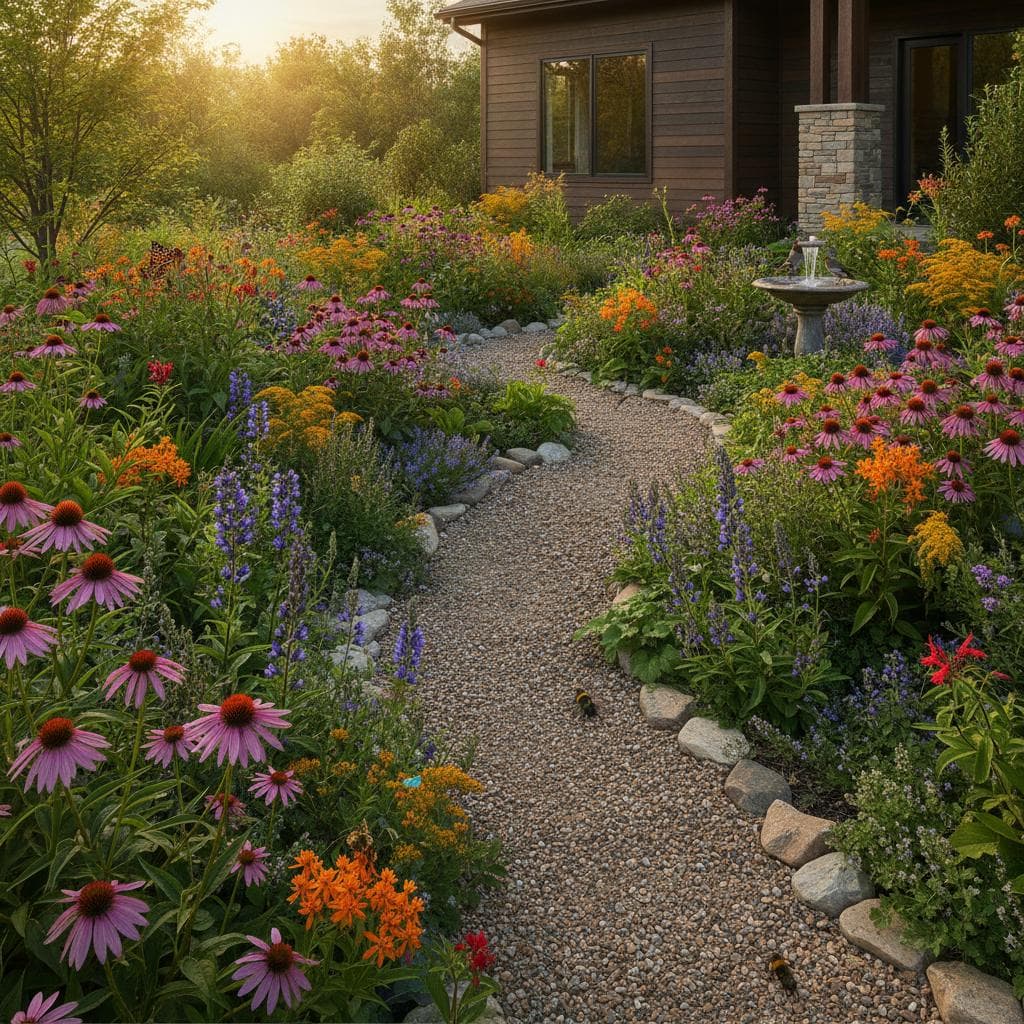
Changes through the seasons keep things interesting. Spring brings bright lupines and first blooms, summer fills with thick leaves and busy pollinators, and fall shows golden seed pods in gentle light. This shifting scene holds attention all year.
Blend in simple features for balance. Winding stone paths direct foot traffic, and edges of natural stone or wood mark off sections. These touches make the area feel planned and open at the same time.
Practical Steps to Initiate Rewilding
Start with small adjustments to gain momentum. Pick one spot, like an edge or empty corner, and build from there step by step. Use this plan:
-
Study native plants that fit your weather and soil. Check with local extension offices or native plant groups for ideas, such as black-eyed Susans in full sun or ferns in shade.
-
Remove invasive species carefully. Pull them by hand or cover with mulch to block out plants like English ivy, focusing on one area to avoid overwhelm.
-
Create height variety with layered plants. Combine low ground covers like creeping phlox, medium bushes like inkberry holly, and small trees like redbud for accents.
-
Let some natural growth happen. Allow grasses to grow full in set spots, cutting back only for safety or paths.
-
Add strong, earth-friendly materials. Use gravel that lets water through for walkways or reused wood for borders to tie everything together and make it useful.
Watch for returning animals as you go. Birds might build nests in thick plants, insects help flowers grow, and soil improves from natural waste.
Implementing Rewilding Affordably
Budget limits should not stop you. Native plants spread on their own, cutting future expenses with seeds that replant themselves. Get starts from existing areas or join local seed exchanges to add variety at no cost.
Make your own mulch to save time. Spread leaves or cut grass around plants to keep water in, stop weeds, and feed the soil as it breaks down. Focus first on seen areas like entryways for quick results, then grow to bigger spaces.
Local volunteer groups or conservation teams often give away plants or teach classes, making it easier to start.
Maintaining Equilibrium in Your Rewilded Space
Ongoing attention keeps a rewilded yard welcoming. Set borders with trimmed paths and clear plant sections to show purpose. Group plants in natural clusters, using repeats of types like coneflowers for steady looks and habitat help.
Smart lighting improves night use. Place solar lights on stakes by paths or in low spots to highlight leaves without upsetting animal habits. These features add warmth while keeping the wild feel.
Light checks work best. Clear litter now and then, watch for bugs, and use natural fixes like planting helpers together to skip chemicals.
Experiencing Life in a Rewilded Yard
A grown rewilded space changes how you live each day. Start mornings with the noises of a busy habitat, or let children explore secret spots in the plants. Care turns into a thoughtful link to nature's rhythms.
Give it time to settle. Early plants might look thin, but by year two, they fill out and animals return. This slow build helps value nature's pace.
Personalizing Your Rewilded Haven
Shape the space to match your style and routine. Choose wide open fields like native grasslands for big views, or build cool woodland areas with moss and hostas for quiet spots.
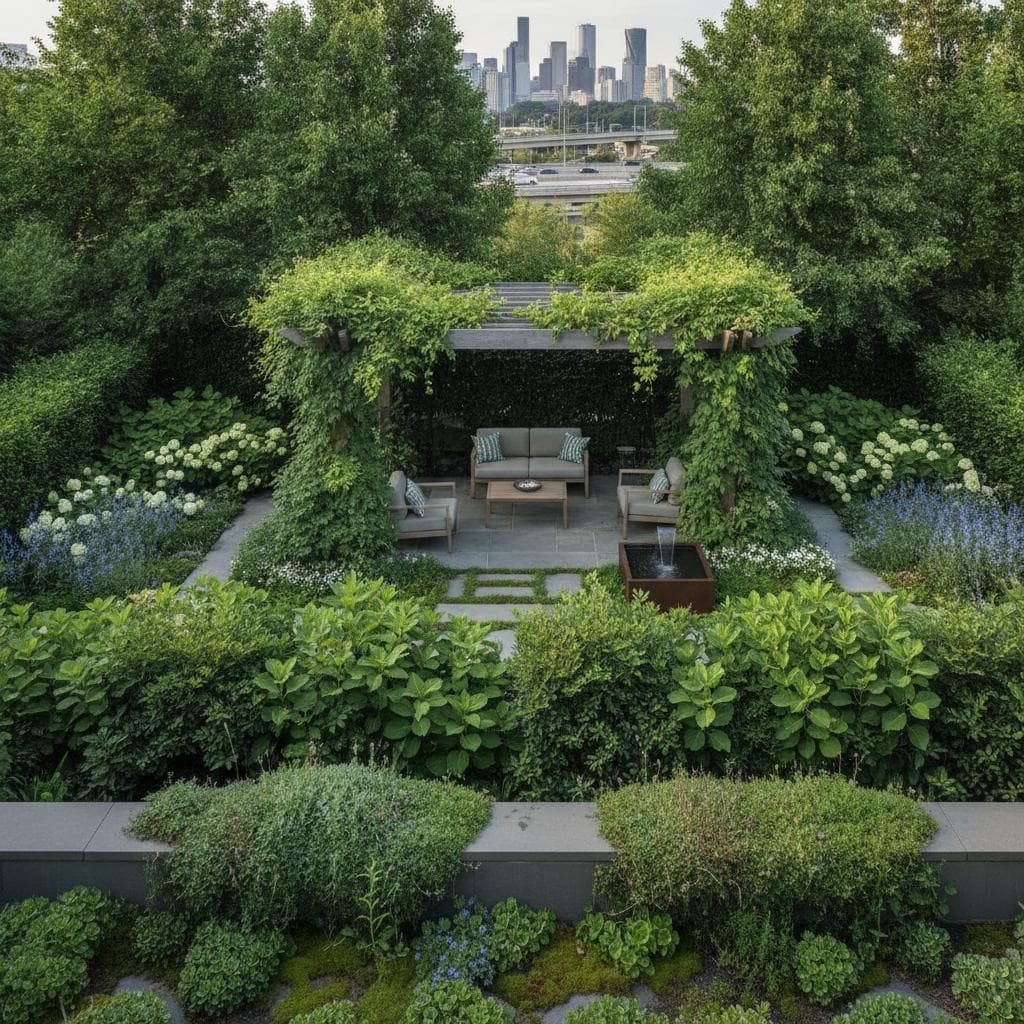
Fit in daily needs with care. Keep open areas for friends with easy chairs, or set aside calm zones ringed by moving grasses. Rewilding fits your life, mixing use with fresh ideas.
In the end, rewilding builds a strong tie to the world around you. Your yard turns into a refuge that holds life, cuts down on work, and adds real energy to simple moments.