The Science Behind Dopamine Gardens and Elevated Backyard Experiences
A splash of vibrant color extends beyond visual appeal in a garden. It influences mood, reduces stress, and establishes the backyard as a genuine sanctuary.
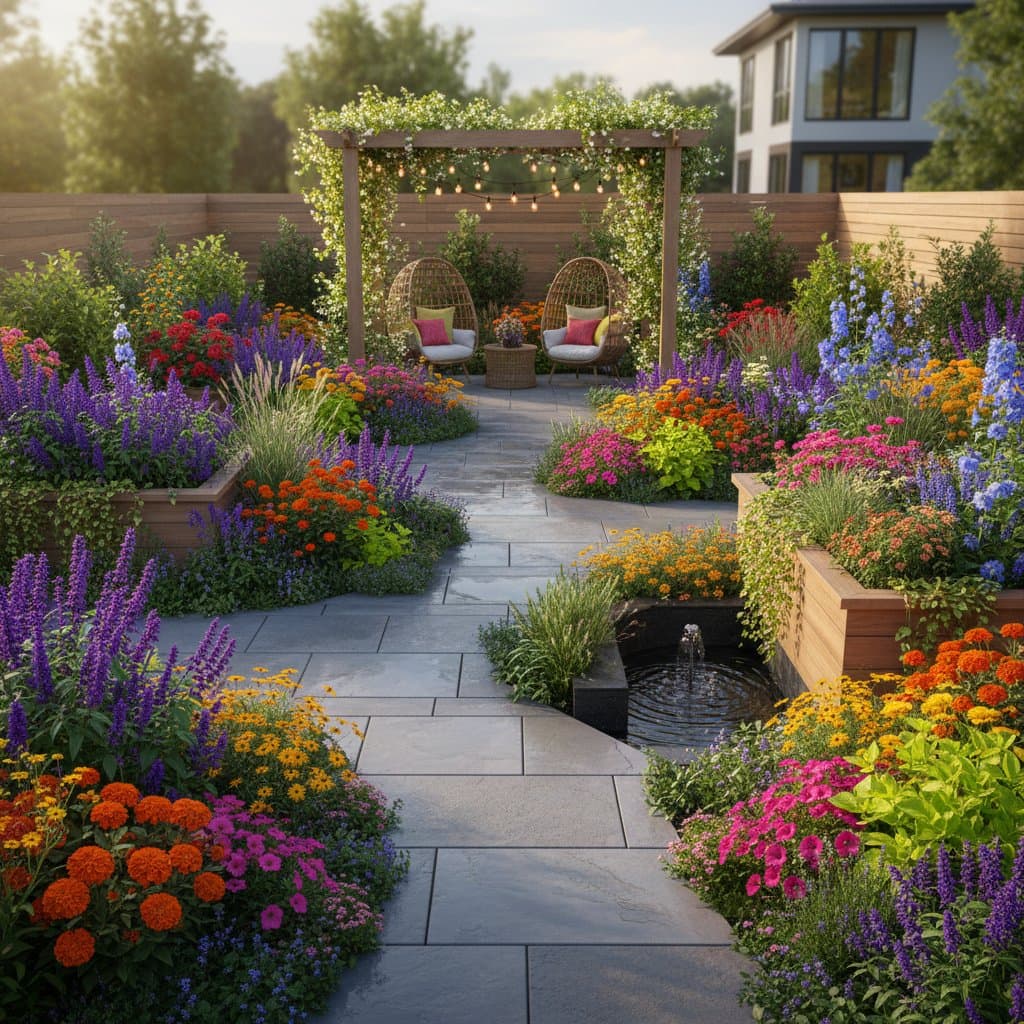
Dopamine gardens prioritize joy through deliberate sensory engagement. These spaces emphasize color, texture, scent, and movement over rigid aesthetic guidelines. The result is an intimate, dynamic environment suitable for patios, expansive lawns, or modest raised beds. Each visit to such a garden prompts a natural uplift in spirits.
Identify Personal Joy Triggers to Build Your Foundation
The appeal of a dopamine garden lies in its customization. Designers reject universal templates in favor of individual preferences. Marco Lin, a specialist in whimsical outdoor designs, recommends beginning with emotional resonance. "Ask yourself what makes you smile," he advises. "If it is hot pink zinnias or a citrus-scented shrub, that becomes your foundation."
- Compile a list of three to five colors that evoke positive emotions when combined.
- Select plants aligning with those shades while introducing textural diversity, such as smooth petals alongside rough foliage.
- Incorporate multisensory features, for instance, fragrant herbs or rustling leaves, to deepen the experience.
This layered approach infuses dopamine gardens with transformative power. The spaces transcend mere aesthetics to deliver tangible emotional benefits.
Integrate Texture and Movement for Subtle Emotional Lift
While color dominates discussions, texture and motion play equally vital roles in sensory impact. Plants that sway, whisper, or gleam in sunlight introduce vitality and rhythm to the landscape.
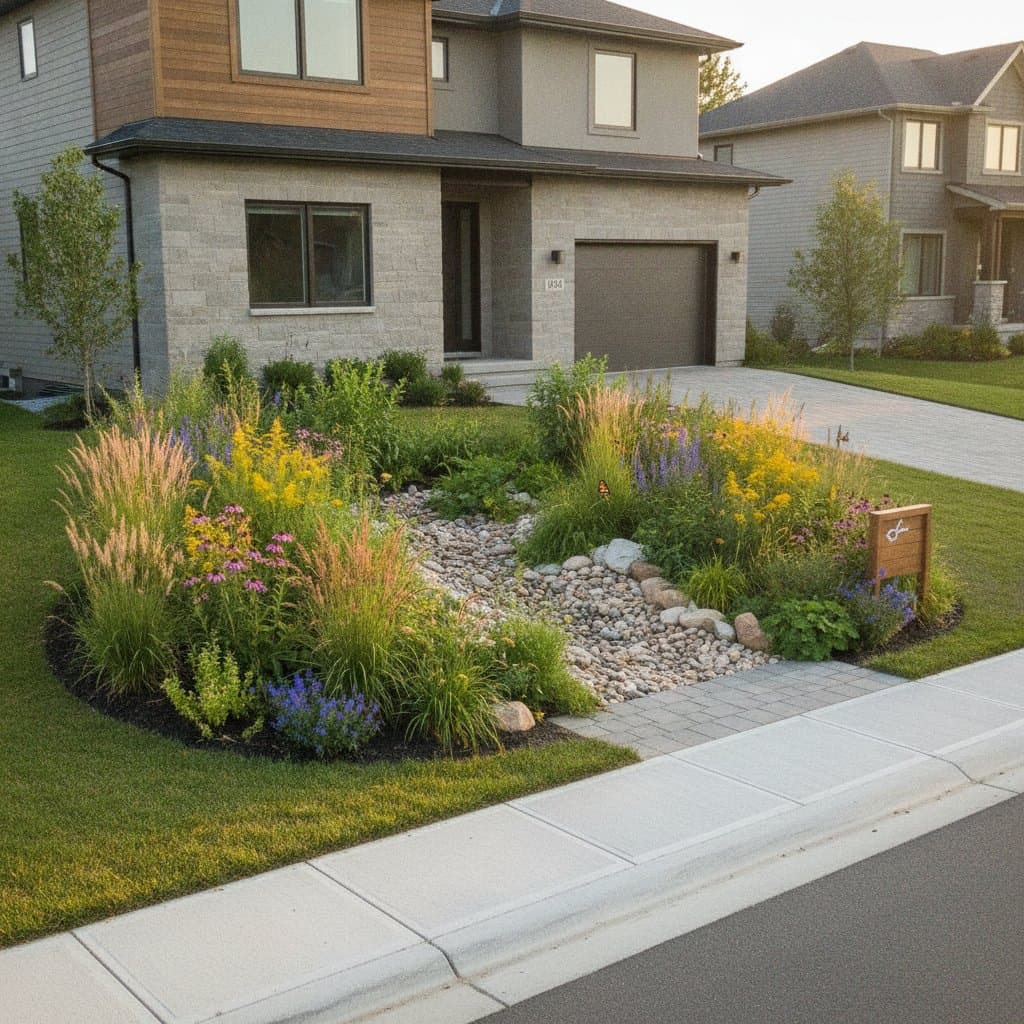
Opt for ornamental grasses such as fountain grass (Pennisetum alopecuroides) or Japanese forest grass (Hakonechloa macra) to achieve gentle undulation. Pair these with broad-leaved options like hostas (Hosta spp.) or elephant ears (Colocasia esculenta) for striking contrast. The interplay of delicate fronds and substantial leaves maintains visual interest and promotes mental calm.
Garden therapist Leah Ortiz highlights the psychological benefits. "Movement generates emotional vitality," she explains. "It echoes life's inherent rhythms, fostering a sense of grounding and connection." A subtle breeze animating tall stems often yields unexpected mood improvements.
To implement effectively:
- Plant grasses in clusters near pathways for breeze-activated motion.
- Alternate textures in borders, ensuring no single type overwhelms the composition.
- Observe how sunlight interacts with leaves at different times of day to refine placements.
These elements ensure the garden remains engaging without overwhelming the senses.
Design Layouts That Promote Exploratory Joy
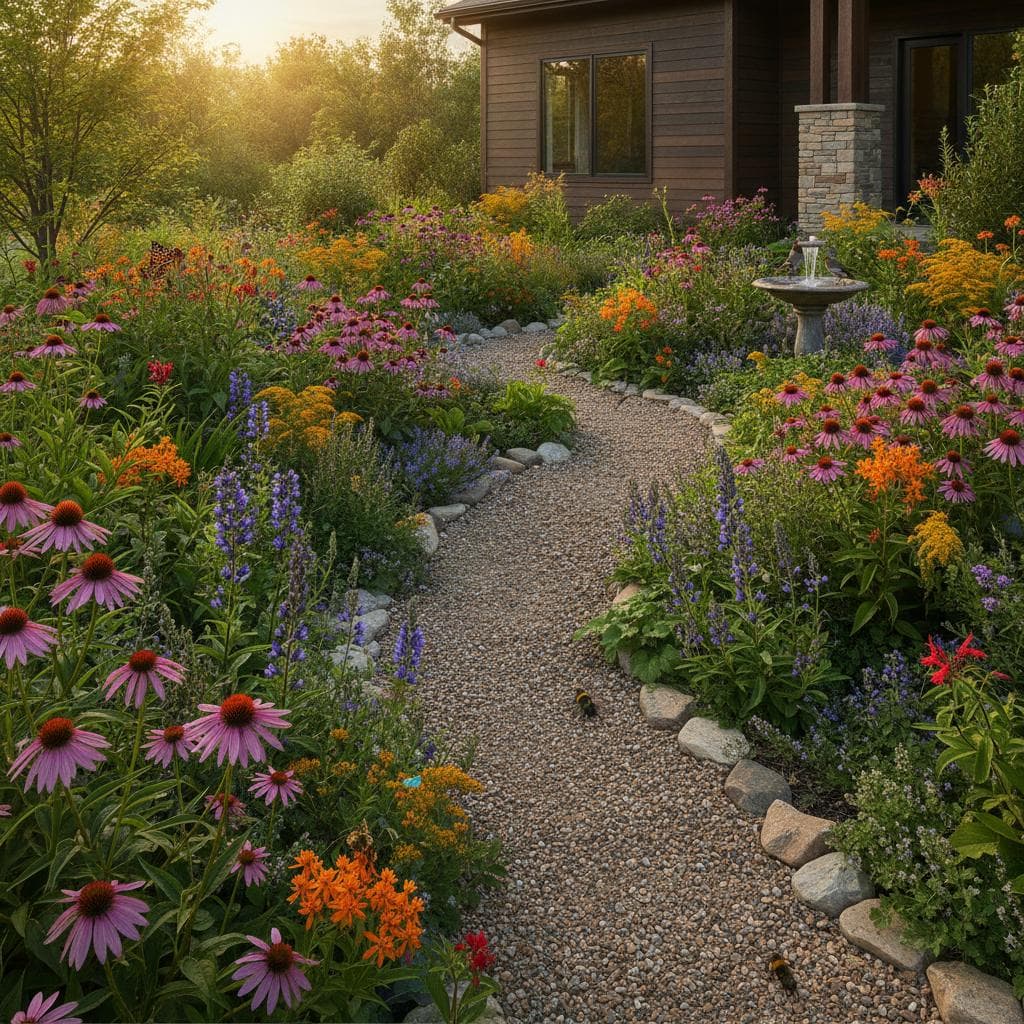
Arrangement influences the garden's emotional efficacy as much as plant choices. Dopamine gardens facilitate wandering and discovery while avoiding disarray. The aim is a seamless progression that sparks intrigue.
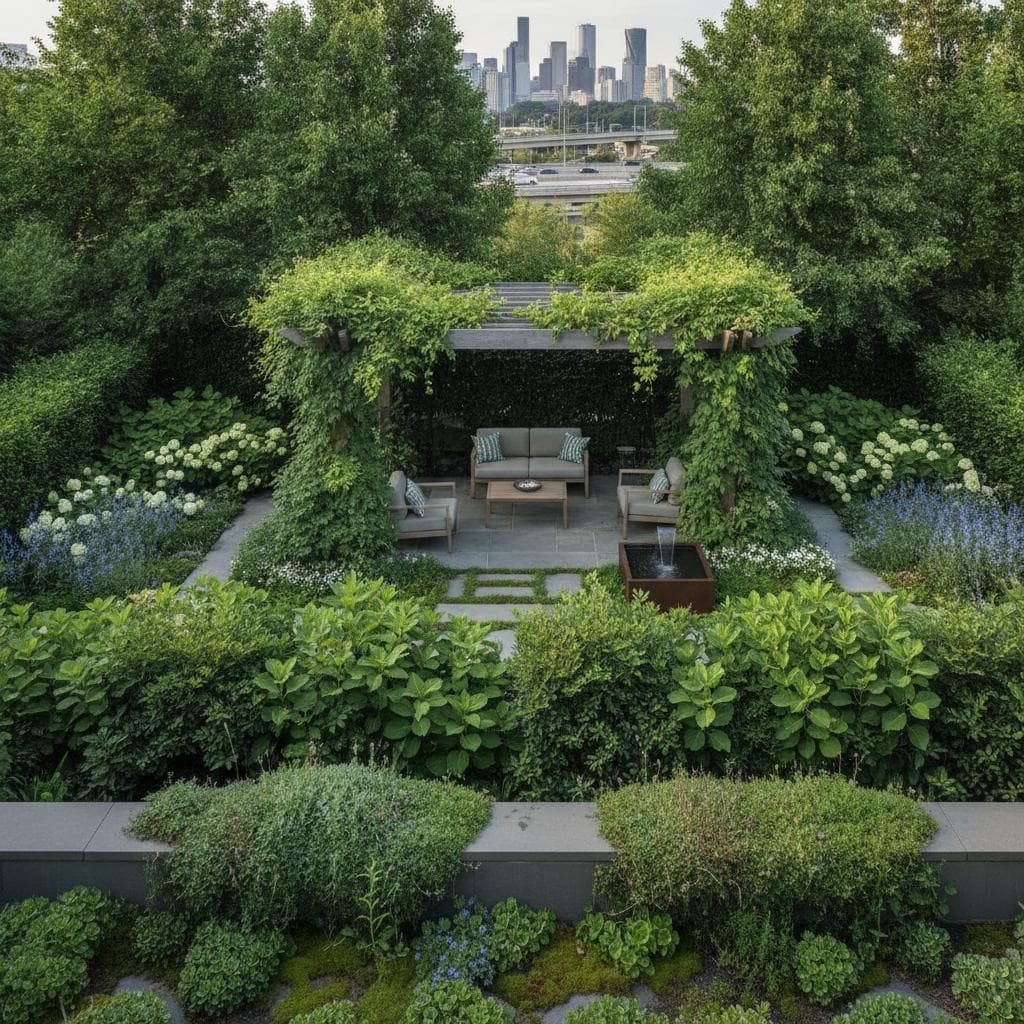
Establish distinct zones tailored to desired moods. Design a vibrant area with bold flowers for energizing morning routines, contrasted by a shaded retreat with soft greens for contemplative reading. Employ stepping stones, winding edges, or grouped pots to direct flow and unveil surprises.
Amira Coates of Greenline Studio advocates for vertical diversity. "Uniform heights lead to disengagement," she notes. "Combine towering sunflowers (Helianthus annuus) with trailing groundcovers like creeping phlox (Phlox subulata) and intermediate shrubs such as hydrangeas for sustained dynamism."
Embrace organic forms over precise alignment. Allow vines to cascade beyond boundaries and hues to blend freely. This authentic, inhabited feel amplifies joy and diminishes artificiality.
Practical layout tips include:
- Sketch a rough map dividing the space into two or three mood-specific areas.
- Vary plant heights within each zone, aiming for at least three levels.
- Test paths by walking them to confirm intuitive navigation.
Such strategies create an inviting, ever-discoverable environment.
Evolve Your Garden Through Seasonal Observation
Dopamine gardens adapt continuously, mirroring personal growth. Blooms fade and reemerge, palettes transition, and tastes refine over time. This fluidity constitutes their enduring allure. The focus remains on mindful engagement rather than flawless execution.
Dedicate brief daily intervals to garden observation. Identify which shades captivate most or which species draw pollinators like butterflies. These insights guide adjustments, such as replacing underperformers with more resonant varieties.
Lydia Hart, a landscape designer, captures the philosophy. "A dopamine garden reminds us that nature thrives without rigid control," she states. "It flourishes through appreciation." From a single pot to a comprehensive yard overhaul, the intent is consistent: forge a vital, life-affirming haven.
To sustain evolution:
- Track seasonal changes in a simple journal, noting peak joy moments.
- Experiment with one new element quarterly, like adding wind chimes for auditory pleasure.
- Reassess zones annually to align with shifting lifestyle needs.
Cultivate Lasting Well-Being Through Mindful Planting
Initiate your transformation by selecting gloves and favored hues. Plant with intention to nurture not only flora but also inner vitality. The resulting space promises more than aesthetic enhancement; it delivers sustained emotional renewal.
As interactions with the garden deepen, benefits compound. Stress diminishes amid sensory harmony, happiness surges with each discovery, and the backyard emerges as a profound source of reward. Embrace this process to unlock the full potential of nature's therapeutic embrace.