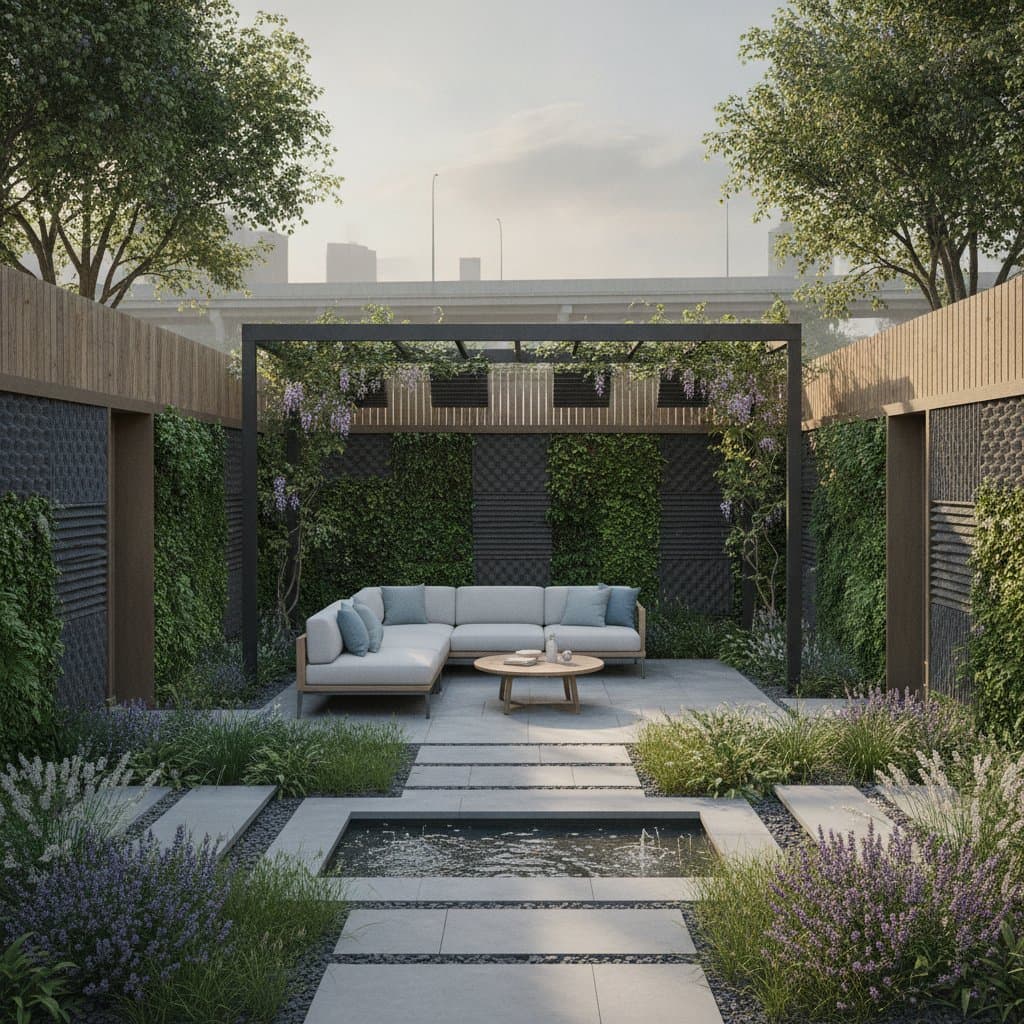
Japandi Gardens Blend Zen Calm With Scandi Warmth
The simple reason most homeowners hesitate to redesign their backyards is that outdoor projects can feel overwhelming. Plant selection, hardscape choices, and maintenance planning often obscure the desired feeling of the space. The Japandi garden concept addresses this by combining the calm order of Japanese minimalism with the warmth and practicality of Scandinavian design. The result is a backyard that feels peaceful, functional, and deeply connected to nature.
If you have admired the simplicity of a Zen garden or the cozy charm of a Scandinavian retreat, Japandi style unites both in a way that suits real backyards. It focuses on creating a space that feels balanced and purposeful. Such a place looks good year-round without demanding constant upkeep.
Core Elements of a Japandi Garden
Assessing Your Space Before Starting
Evaluate how you use your yard. Determine whether you want a quiet retreat for morning coffee or a space for family gatherings. Japandi design adapts to both, though the layout and materials will differ.
Take detailed notes on sun patterns throughout the day, drainage and soil type, existing trees or structures worth keeping, and privacy needs from neighbors or nearby roads. Once you understand these factors, create a simple sketch. Even a rough plan helps visualize pathways, seating areas, and focal points.
Essential Tools and Materials
For a standard backyard project, gather these items:
- Shovel, rake, and wheelbarrow
- Level and measuring tape
- Pruning shears and garden scissors
- Concrete pavers or gravel
- Natural stone for edging
- Wooden decking boards or treated lumber
- Weather-resistant outdoor furniture
- Native or low-maintenance plants
You can rent heavier equipment like a plate compactor for setting gravel paths. Always wear gloves, eye protection, and sturdy footwear. A mask helps when spreading fine gravel or soil mix.
Step-by-Step Construction Process
Prepare the Ground
Remove weeds, debris, and leftover roots. Level uneven spots with fill soil or sand. This step often takes more time than expected, but it remains crucial. A clean, even surface sets the tone for everything that follows.
Define Pathways and Zones
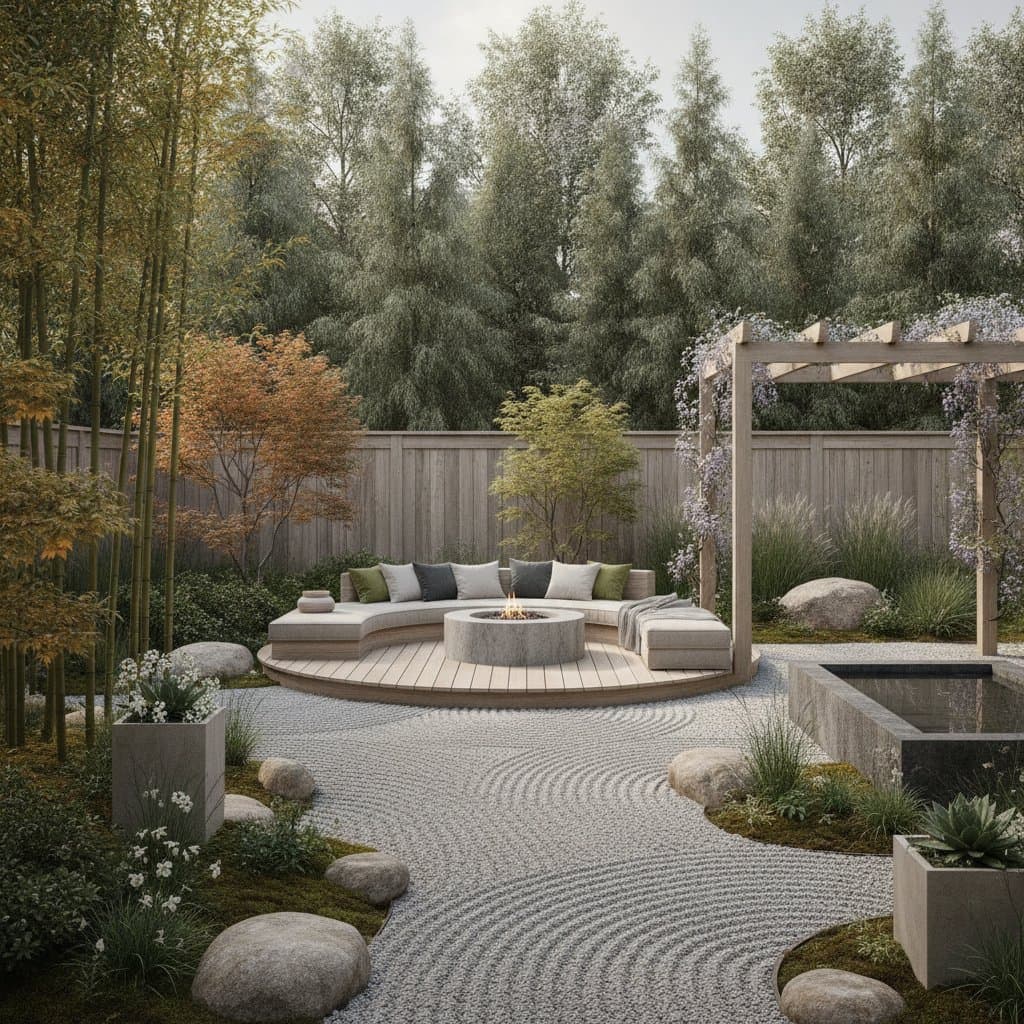
Japandi gardens rely on subtle structure. Use gravel paths to guide movement without creating sharp divisions. Aim for natural curves rather than straight lines. Position any seating area where it catches morning or evening light.
Install Hardscape Elements
Keep materials consistent whether using stone, wood, or concrete. Mixing too many textures disrupts the calm effect. Pale limestone pairs well with light wood decking and gray gravel. Keep joints tight and surfaces level. Apply a weather-resistant sealant to wood components that enhances the natural grain.
Select and Plant Greenery
Avoid overcrowding, as Japandi gardens celebrate negative space. Choose plants that thrive in your climate while mirroring Japanese and Nordic landscapes. Focus on simple shapes, soft greens, and elegant contrast.
Recommended plants include bamboo or dwarf grasses for movement, Japanese maple for color and form, hostas or ferns for shaded areas, low juniper or creeping thyme for ground cover, and birch or pine trees for height and character. Group plants in odd numbers and leave room for growth. Add a layer of fine gravel or natural mulch to maintain consistent moisture.
Add Water and Light Features
A small water feature such as a shallow basin or stone fountain reinforces the Zen influence. Keep it quiet and subtle. Use low, warm lights to highlight pathways or key trees. Avoid floodlights or colored LEDs that break the calm tone.
When Professional Help Becomes Necessary
Major grading, retaining walls, or electrical wiring for lighting warrant calling licensed professionals. Bringing in help does not indicate failure. Specialists handle complex irrigation or structural work effectively. A solid foundation built by a pro often saves money over time by preventing drainage or erosion problems later.
For water features that require pumps or filtration, have an electrician handle the connections. Local codes may require permits for certain installations, especially if plumbing or wiring extends from the main house.
Mistakes That Undermine Results
Projects commonly fail in these areas:
- Overdecorating with too many ornaments or colors that break the minimalist harmony.
- Ignoring scale by placing large furniture in small yards.
- Allowing poor drainage by failing to slope the ground slightly away from seating areas and structures.
- Mixing architectural styles instead of ensuring the house exterior complements the garden.
- Neglecting maintenance even in low-maintenance designs.
Catch these issues early for easy correction. Once hardscape materials are set, mistakes become expensive to fix.
Managing Costs Effectively
A Japandi garden need not break the bank, though costs vary with materials. Gravel and native plants remain affordable. Hardwood decking, stone features, and custom lighting increase expenses. Prioritize quality over quantity. Finishing one corner beautifully outperforms stretching the budget thin across the whole yard.
Phase larger projects. Start with structure and pathways, then add plants and furniture over time. This approach keeps the work manageable and allows design adjustments as you live with the space.
Lessons From Experience
Work with nature rather than against it. Use plants that love moisture in damp areas instead of fighting to keep them dry. Keep lines clean so every cut, joint, and transition looks deliberate. Plan lighting early to avoid doubling work after hardscaping. Choose materials with texture because slightly rough finishes age gracefully. Embrace imperfection since weathering adds character and uneven stones often look more natural.
Building a Lasting Outdoor Space
Apply these principles to create a Japandi garden that serves as a calm, functional extension of your home. The style rewards thoughtful choices with a space that feels timeless and requires minimal ongoing effort.