Build a Self-Watering Living Wall for Under 450 Dollars
Key Points
- Budget: Self-watering living walls can be built for a fraction of the cost of professional installations when simple irrigation components and repurposed materials are used.
- Safety: The project is safe for most homeowners, though mounting on masonry or high walls may require assistance.
- Skill Level: Intermediate. Basic plumbing and carpentry skills are helpful.
- Outcome: A lush vertical garden that waters itself, conserves space, and adds natural beauty to the yard.
Project Overview
Working Time: 6 to 10 hours depending on wall size. Total Time: 2 to 3 days including setup and plant stabilization. Skill Level: Intermediate. Estimated Cost: 120 to 450 dollars for a mid-size wall.
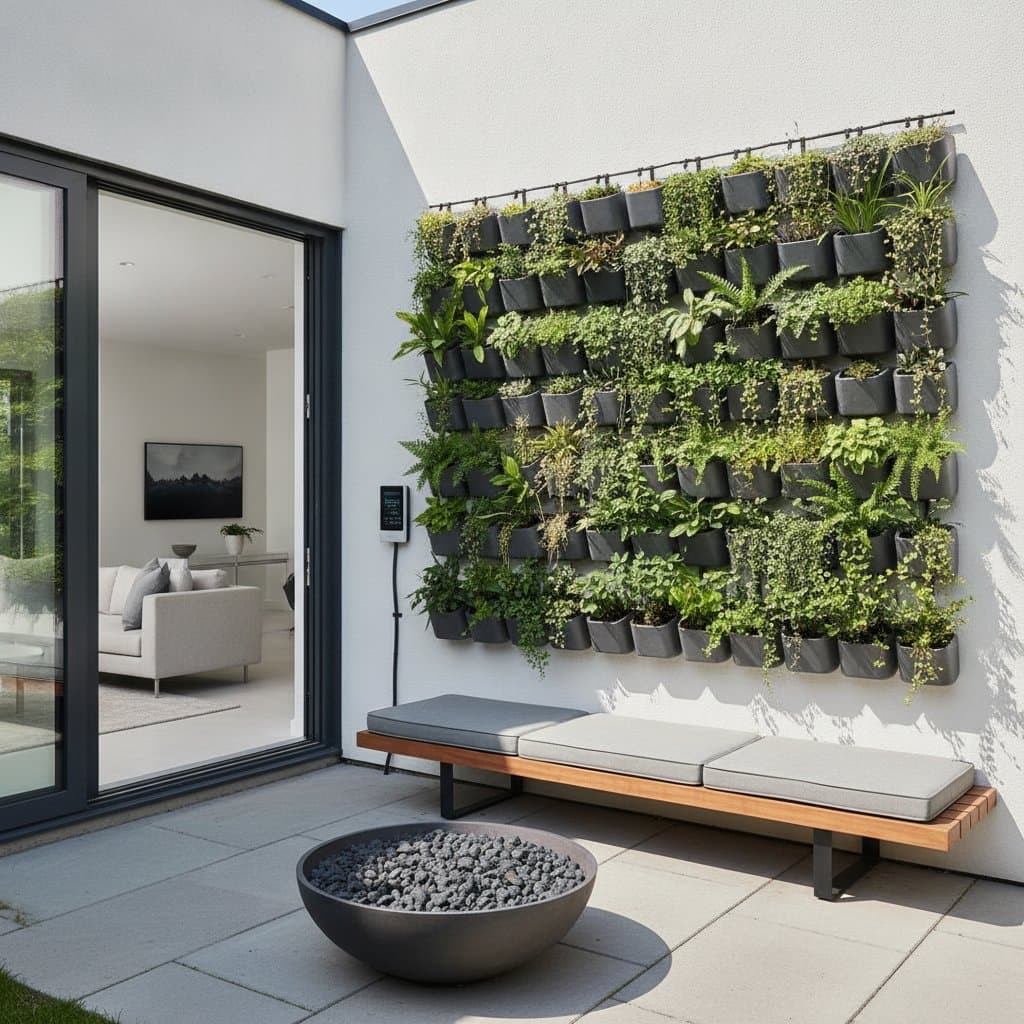
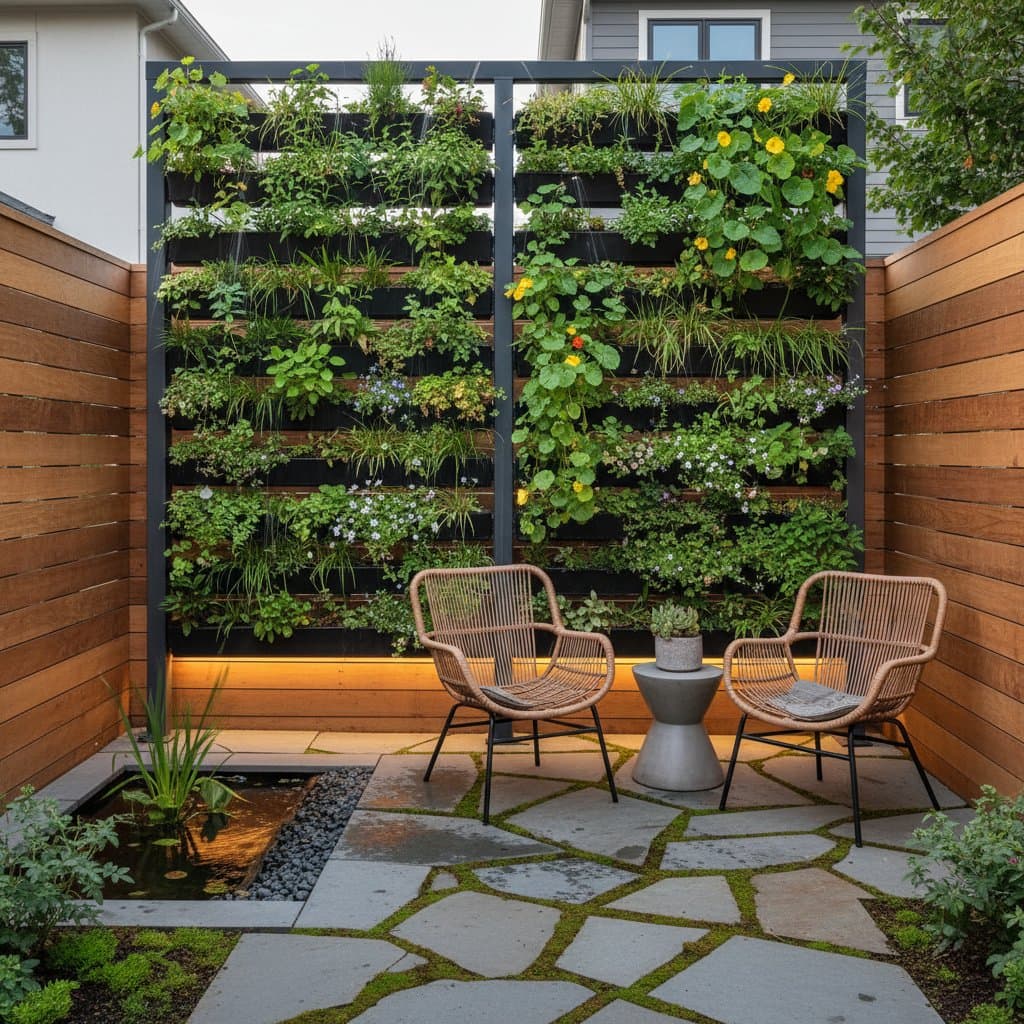
A self-watering living wall transforms bare backyard fences or patio walls into thriving vertical gardens. These systems use gravity or low-pressure irrigation to deliver steady moisture. This allows plants to flourish with minimal upkeep. The concept relies on controlled water delivery through drip lines or wicking systems combined with a well-built support frame and proper plant selection.
When to DIY Versus Hire a Professional
A moderate-sized wall, such as 4 by 6 feet, is well within the reach of skilled DIYers. Only basic tools are needed: a drill, level, saw, and PVC fittings. The irrigation system connects easily to a hose timer or a small pump. If the plan includes integrated plumbing, lighting, or complex water recycling, then hiring a professional might be worth the expense.
Water adds weight. When attaching the structure to a fence or exterior wall, confirm that the surface can handle the load. When in doubt, consult a contractor or structural specialist. For ground-mounted or freestanding systems, a simple wood frame on a concrete pad will usually suffice.
Materials and Tools
Materials include pressure-treated 2x4s or cedar for framing, UV-resistant planter pockets or modular planting panels, drip irrigation tubing with emitters or a wicking mat system, PVC connectors and fittings, a water reservoir or automatic hose timer, landscape fabric for backing, screws, anchors, and mounting brackets, gravel or perlite for drainage layers, potting mix suitable for vertical gardens, and selected plants such as herbs, succulents, ferns, or small flowering species.
Tools include a drill and bits, a circular or hand saw, a tape measure and level, a utility knife, a staple gun, an adjustable wrench, and safety gloves with eye protection.
Step-by-Step Process
1. Build the Frame
Construct a rectangular frame using 2x4s. For outdoor use, cedar or pressure-treated lumber resists moisture better than pine. Reinforce corners with metal brackets, then attach a solid back panel of exterior-grade plywood or composite board. This backing supports the planting pockets and prevents water from seeping into the wall surface behind it.
2. Add the Backing and Drainage Layer
Staple a layer of landscape fabric across the backboard. Over that, fasten a thin sheet of plastic or pond liner to protect the wood. Leave the bottom edge open or vented for drainage. If the wall will hang against a structure, add a small gap using spacers to allow air circulation and prevent trapped moisture.
3. Install Planter Pockets or Panels
Purchase modular vertical garden panels or make pockets from heavy-duty fabric. Each pocket should drain slowly while retaining enough moisture for roots. Attach the pockets evenly across the frame using stainless screws or staples. For homemade systems, leave enough space between rows for the irrigation tubing.
4. Set Up the Irrigation System
Connect drip lines or wicking mats so that every pocket receives even water. The simplest design uses a gravity-fed reservoir above the wall, connected by a timer-controlled valve. When the timer opens, water trickles through the tubing and saturates each pocket. Excess water drains into a catch basin or is recycled back into the reservoir.
For a more automated option, use a low-voltage pump and programmable controller. Keep tubing connections snug and test for leaks before adding soil.
5. Add Soil and Plant the Wall
Use lightweight potting soil mixed with perlite or coconut coir to improve drainage. Fill each pocket loosely, then insert plants with healthy root systems. Arrange them by water needs, with thirstier species near the bottom where moisture collects and drought-tolerant ones higher up.
Reliable plant choices include herbs such as mint, basil, oregano, and thyme; succulents such as echeveria, sedum, and jade; ferns such as maidenhair, Boston fern, and asparagus fern; and flowering plants such as impatiens, begonias, and lobelia. Water manually for the first few days until roots take hold, then let the irrigation system handle daily moisture.
6. Test and Fine-Tune the System
Run a few watering cycles while observing how moisture moves through the wall. Adjust emitter flow or wicking placement until water reaches all plants evenly. The goal is consistent dampness without water pooling at the bottom. A simple moisture meter helps verify balance across the wall.
7. Mount or Position the Wall
If attaching to a fence or exterior wall, use heavy-duty brackets and lag bolts rated for outdoor conditions. For freestanding designs, secure the base with concrete blocks or ground anchors. Always double-check for level placement and proper drainage slope.
Quality Control for Long-Term Results
Even water distribution and good airflow are essential for a thriving living wall. Overwatering leads to root rot, while poor air circulation can encourage mildew. Regularly inspect the system for clogs or leaks, especially around fittings. Clean emitters and replace any tubing that shows algae buildup.
Keep the reservoir filled with clean water. Occasionally flush the system with diluted vinegar to prevent mineral deposits. Trim overgrown plants to maintain shape and allow light to reach lower sections. A well-maintained wall can last for many years with only minor seasonal adjustments.
Maintenance and Seasonal Care
Check the irrigation timer and battery life every few months. Replace filters if the water source contains sediment. In colder climates, drain the system before freezing temperatures arrive to avoid damage to tubing or emitters.
Pro Tips for Success
- Use a moisture-retaining mat behind the pockets to distribute water evenly.
- Choose hardy plants that tolerate partial shade unless the wall receives full sunlight all day.
- Monitor wind exposure, since vertical gardens dry faster in breezy conditions.
- Connect the irrigation timer to a rain sensor to prevent unnecessary watering when desired.
- Avoid untreated wood, as constant moisture will cause decay even with liners.
Expanding the Project
Once the basic self-watering wall is mastered, the idea can expand into other backyard features. Integrate a small herb wall near an outdoor kitchen or a vertical succulent display beside a seating area. The result is a practical lesson in balancing construction, water management, and horticulture that rewards the builder with a living surface softening hardscapes and adding natural texture to outdoor space.