Why Moss Walls Require Minimal Upkeep
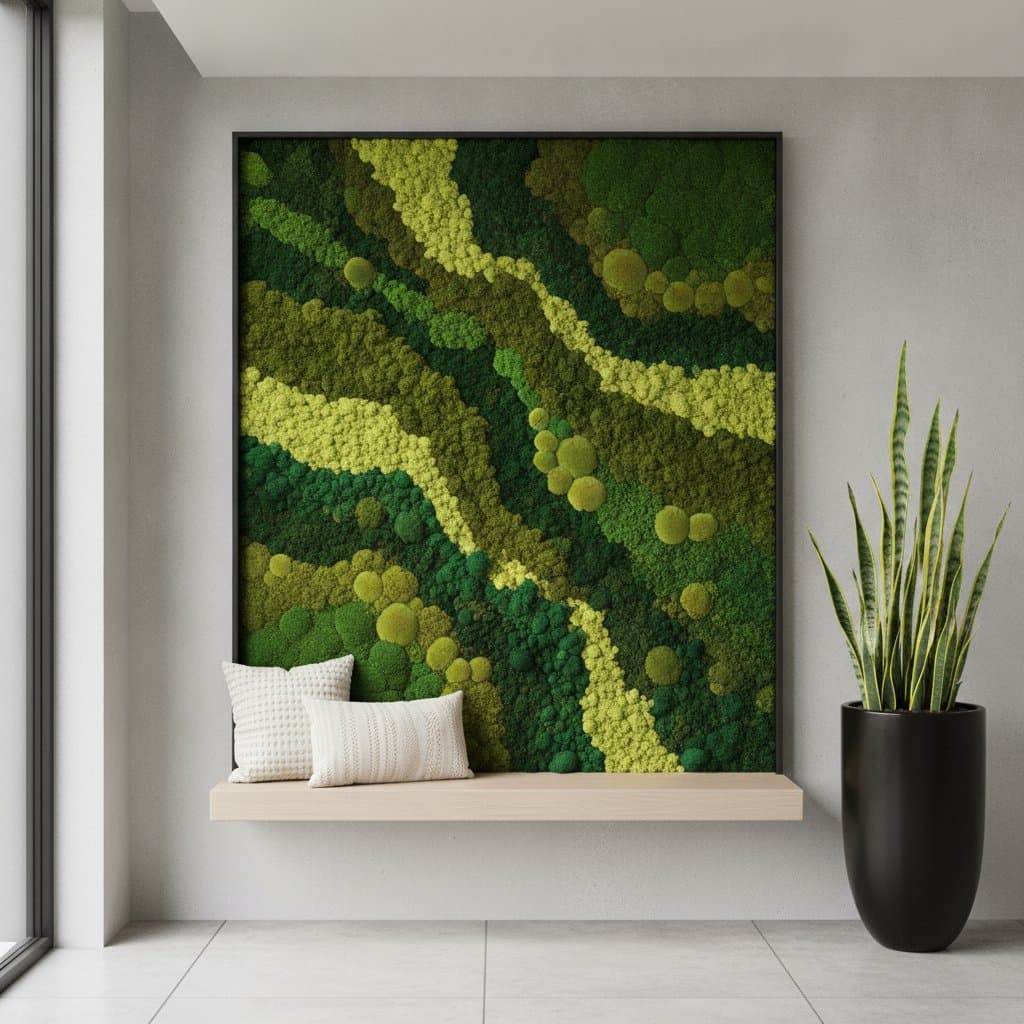
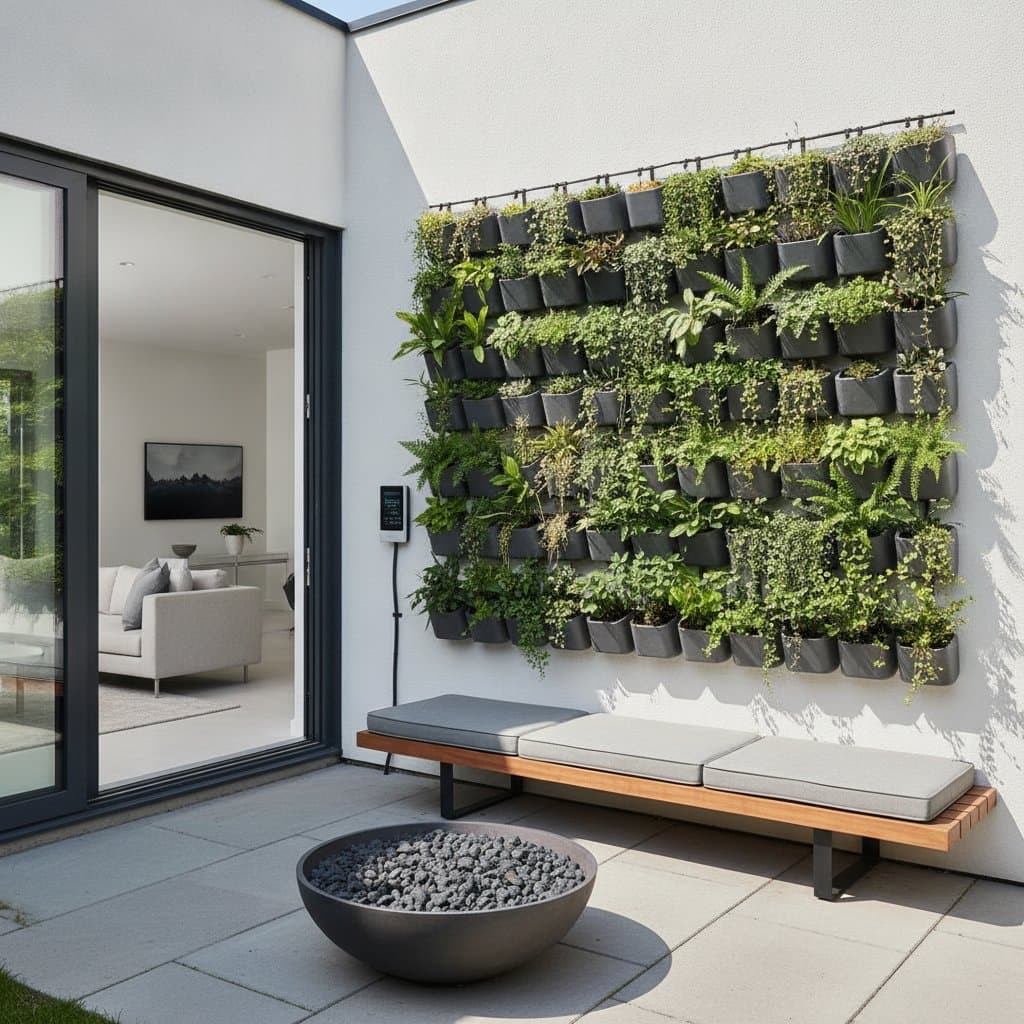
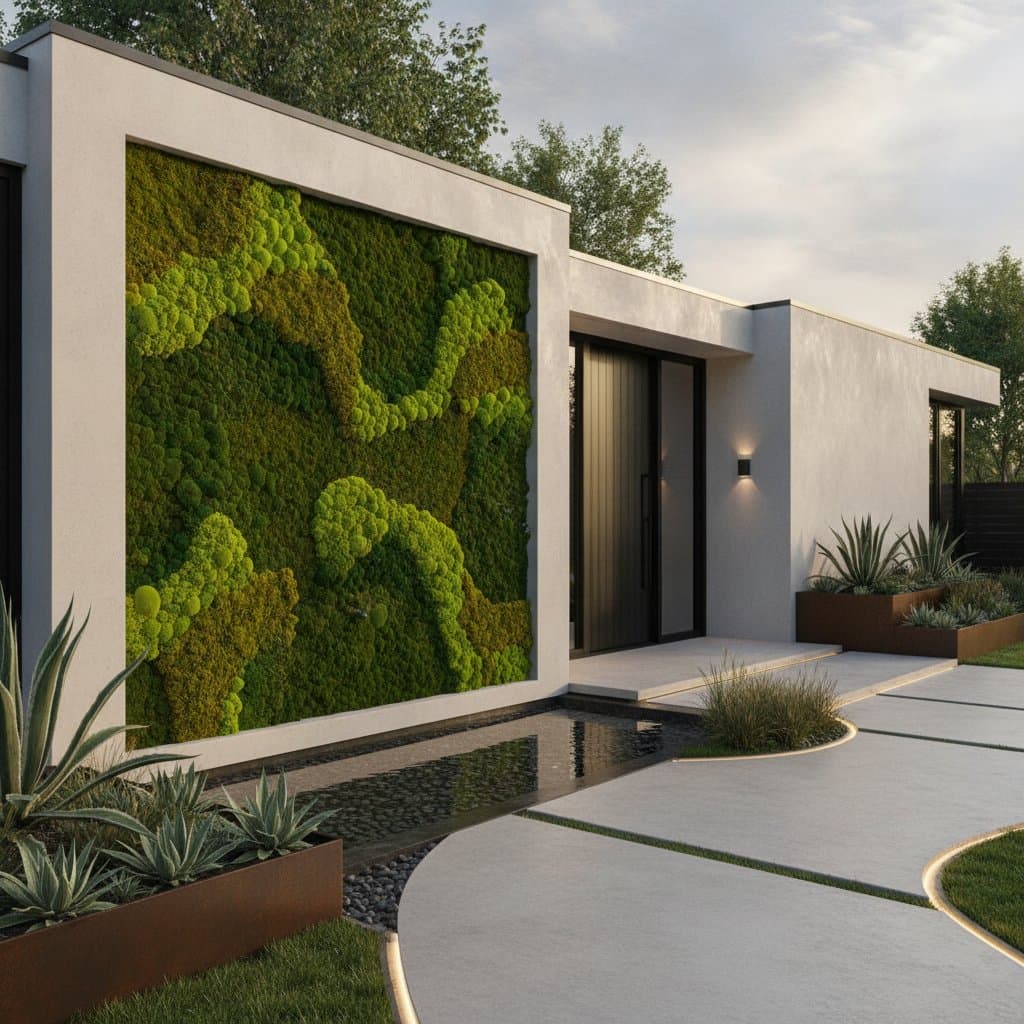
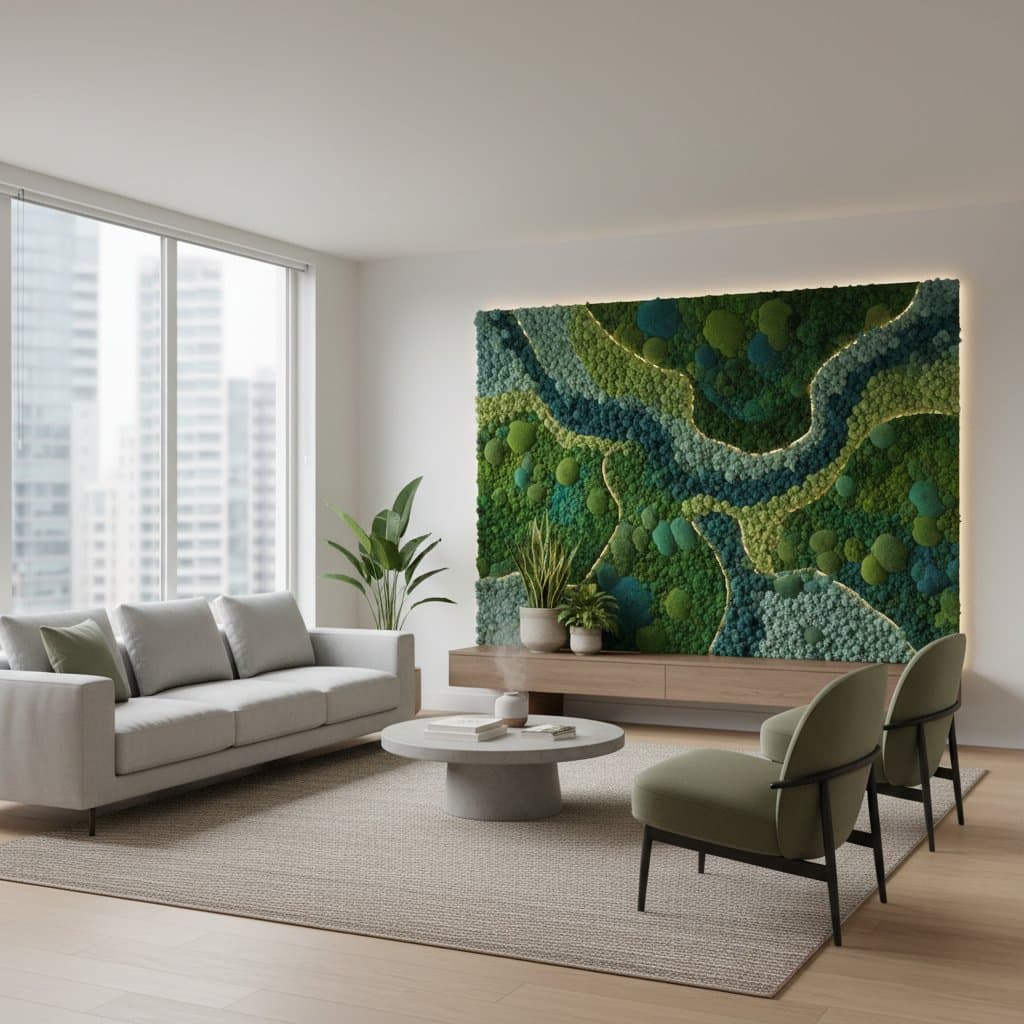
Moss walls deliver natural greenery to indoor and outdoor spaces without the demands of traditional plants. They need no soil and only occasional misting, which makes them suitable for busy households. Proper installation also supports better air quality and sound absorption.
Reasons for Rising Popularity
Moss walls have moved from luxury settings into ordinary homes and gardens. Homeowners value the combination of living texture and low effort. The trend aligns with interest in sustainable materials that need little intervention.
These installations tolerate low light and stable indoor temperatures. Preserved moss keeps its color without any water after installation. Live moss needs only light misting every two to three weeks to stay supple.
Project Scope and Investment
Deciding Between DIY and Professional Help
Small panels reward careful DIY work. Builders cut a plywood base, add a waterproof layer, and secure moss sheets with adhesive. The process teaches basic mounting skills.
Complex walls that include irrigation or humidity control benefit from professional installation. Proper sealing prevents moisture damage to interior surfaces. Homeowners who enjoy woodworking can complete the frame themselves and contract only the technical portions.
Required Materials and Tools
Materials
- Preserved or live moss in sheet, reindeer, or pillow form
- Plywood or composite backing board
- Waterproof membrane
- Rot-resistant wood for the frame
- Non-toxic adhesive or pins
- Optional LED strips for accent lighting
Tools
- Utility knife
- Staple gun
- Measuring tape and level
- Drill with appropriate anchors
- Spray bottle
Preserved moss simplifies the project because it needs no soil. Live moss creates a softer surface but requires attention to humidity levels.
Installation Steps
- Cut the backing board to size and cover it with the waterproof membrane.
- Assemble a wooden frame with tight joints and apply a protective finish.
- Attach preserved moss directly with adhesive. Secure live moss with pins or mesh until it roots.
- Fix the completed panel to the wall with suitable anchors and confirm it is level.
- Position LED lighting if desired and mist the surface lightly.
Ongoing Performance and Checks
A correctly built moss wall remains attractive for several years. Inspect the surface every few months for loose sections or color change. Light misting restores softness when needed.
Keep panels away from heat vents and direct sun to prevent browning. Improve airflow if mold appears. Outdoor frames should stay sealed against weather.
Practical Recommendations
Select non-toxic adhesives to protect moss color. Use cedar or similar rot-resistant lumber for exterior projects. Maintain a slight gap behind the panel for air movement. Pair moss with reclaimed wood or stone to create a cohesive visual style.
Successful results depend on steady preparation and even placement of material. The finished surface should appear settled rather than arranged.