Climate Resilient Gardens for Variable Weather
Weather patterns now shift rapidly between dry spells and heavy rains. Many gardeners face wilting plants in one season and waterlogged beds in the next. A climate resilient garden addresses these swings through deliberate design choices that reduce intervention while preserving visual appeal.
Build Soil Health First
Soil serves as the primary buffer against extremes. Organic matter increases water retention during drought and improves drainage during storms. Apply two to three inches of compost each spring and fall to support microbial activity and structure.
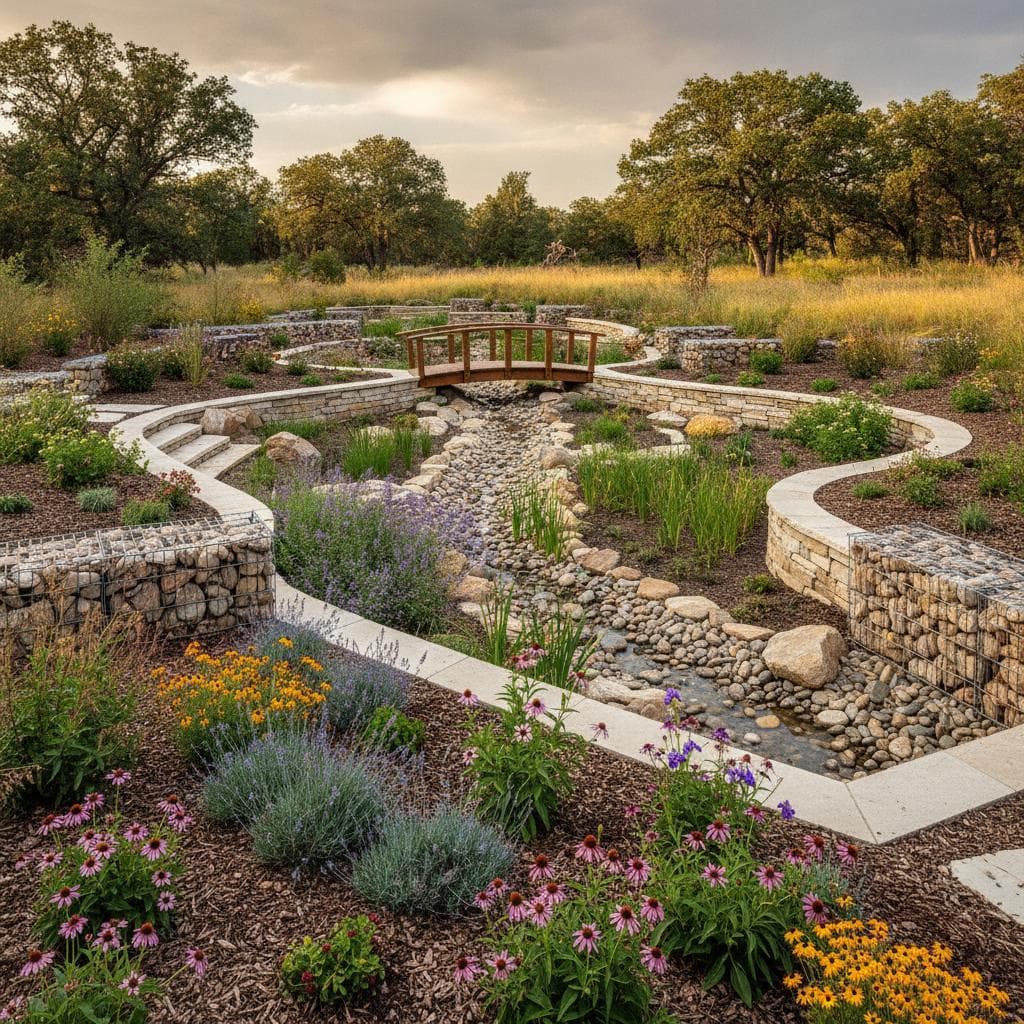
Create shallow swales or gentle slopes to channel excess water away from roots in flood prone areas. Spread a four inch layer of bark mulch or shredded leaves around plant bases to reduce evaporation and moderate soil temperature in dry periods. These steps establish a stable foundation before any planting begins.
Select Adaptable Plants
Manage Water with Precision
Drip irrigation systems deliver moisture directly to root zones and minimize surface evaporation. Run the system early in the morning for two to three hours twice weekly during dry spells. Collect roof runoff in rain barrels to supply stored water when rainfall decreases.
Deep watering encourages roots to grow downward rather than remain near the surface. Avoid daily light sprinkling that leaves plants dependent on frequent moisture. Consistent scheduling builds drought tolerance over a single season.
Guide Water Flow Through the Landscape
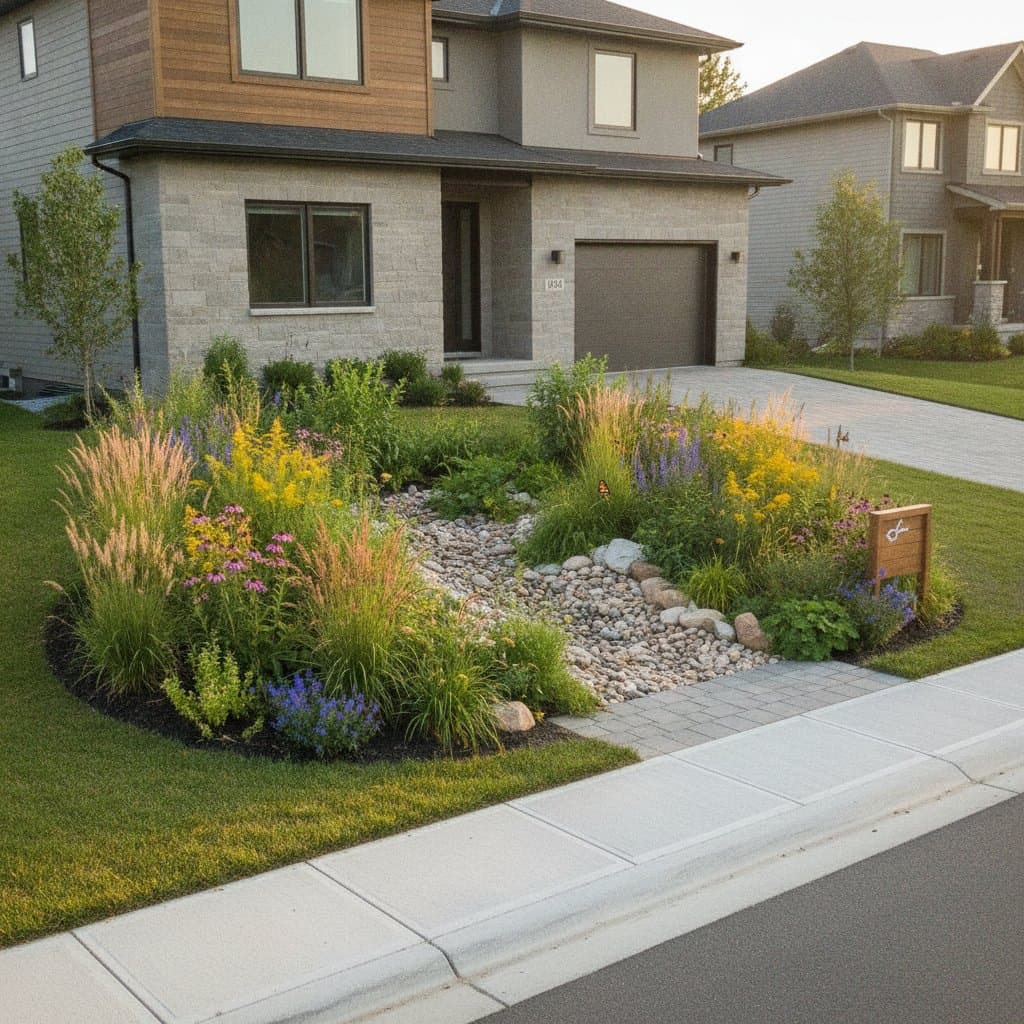
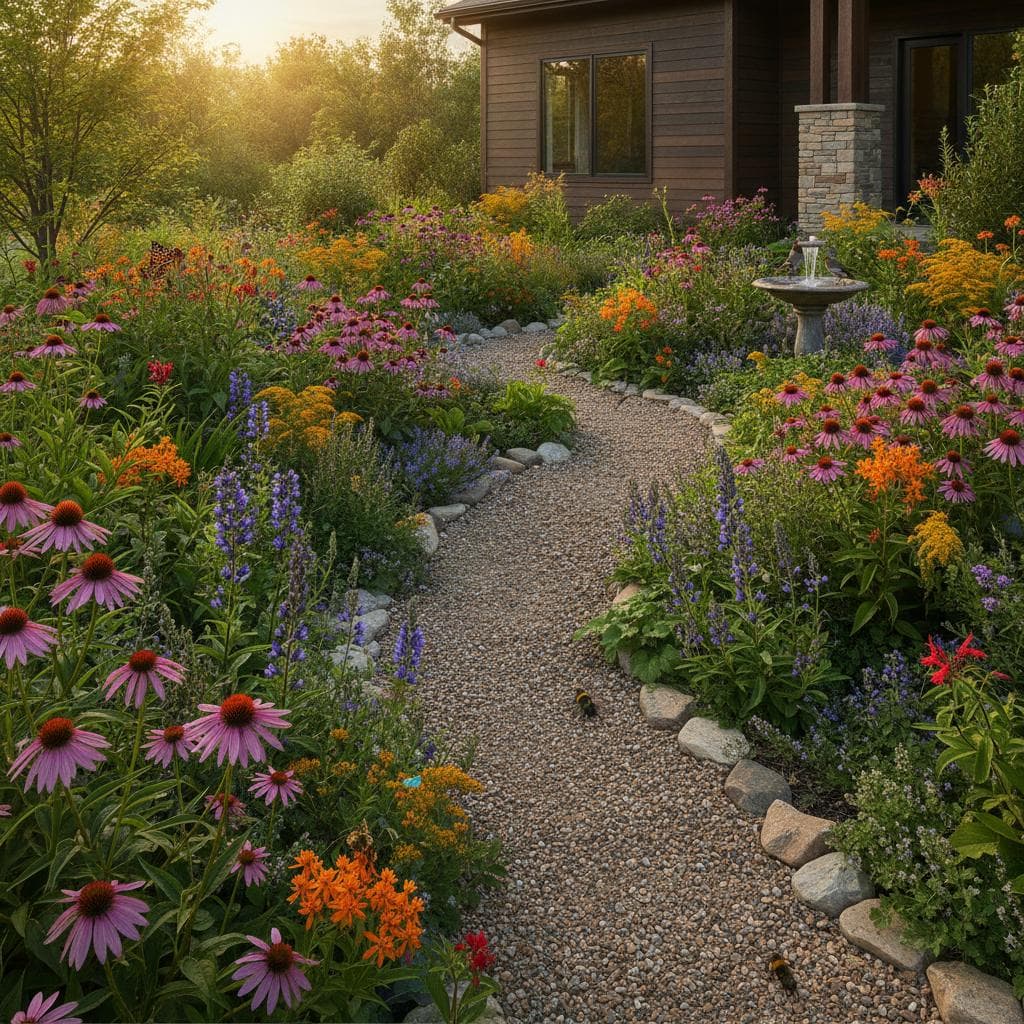
Permeable gravel paths and spaced pavers allow rainfall to infiltrate rather than run off. Install a rain garden in a low spot planted with moisture tolerant perennials to capture and filter excess water slowly. The depression fills during storms and empties within twenty four hours under normal conditions.
On sloped sites, construct low terraces or use raised beds to protect root systems from erosion. These features keep walkways usable and prevent soil loss after intense storms.
Choose Durable Materials
Stone, gravel, and untreated wood withstand temperature fluctuations better than plastic or solid concrete. Clay pots and metal edging resist cracking during freeze thaw cycles. Salvaged brick or reclaimed timber adds texture while reducing waste.
Support Biodiversity Throughout
Diverse plantings attract pollinators and beneficial insects that reduce pest pressure naturally. Layer trees, shrubs, perennials, and ground covers to create continuous habitat. Include both spring and fall blooming species to sustain wildlife across seasons.
Maintain with Targeted Care
Prune selectively to improve air circulation and remove damaged growth after storms. Refresh mulch annually and monitor drainage after heavy rain. Apply compost tea or well aged manure in early spring rather than synthetic fertilizers that promote weak growth.
Observe leaf color and soil moisture weekly. Early adjustment prevents small issues from becoming widespread stress.
Enjoy an Evolving Outdoor Space
A resilient garden changes gradually with each season and each new observation. Add shade plants as tree canopies expand or test additional ground covers in persistently dry corners. The result is a landscape that manages water efficiently, supports wildlife, and remains attractive without constant effort.