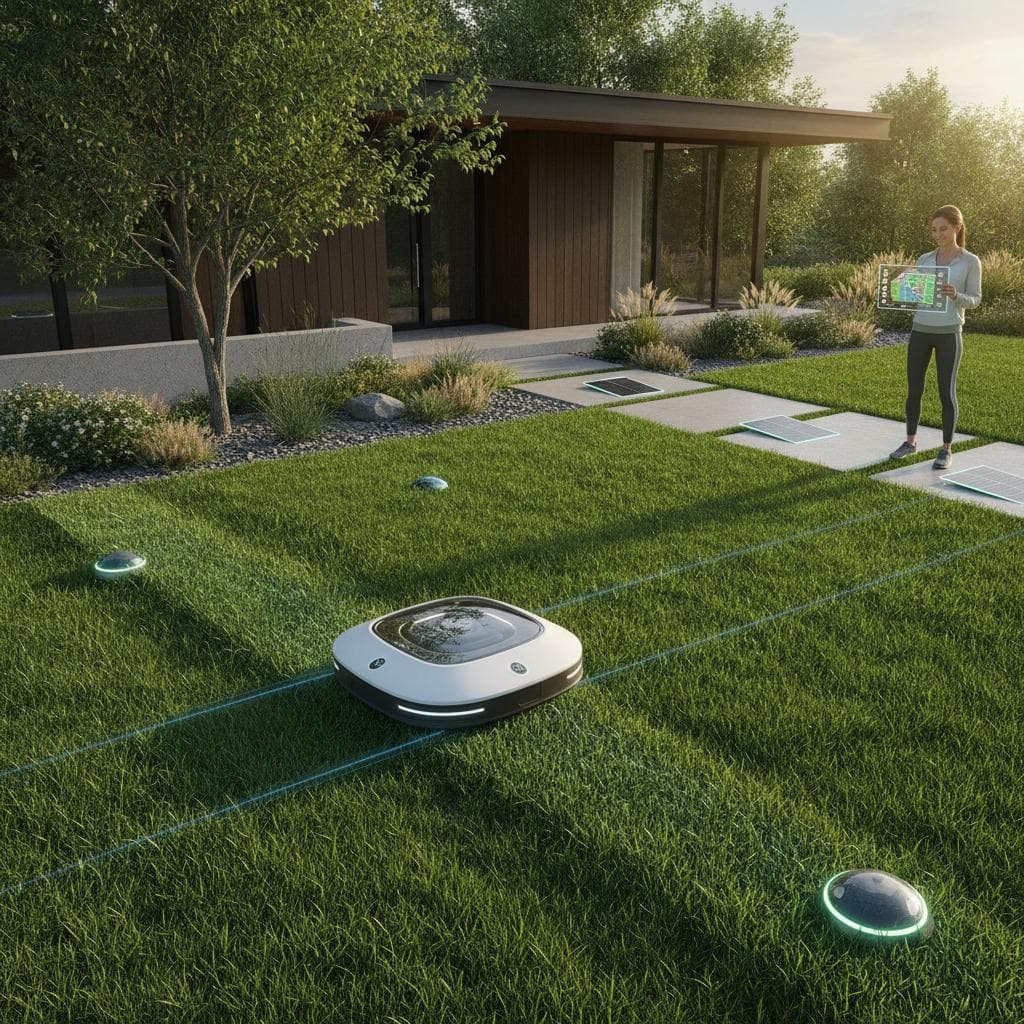
Preparing for an AI-Enhanced Synthetic Lawn
An AI-powered synthetic lawn delivers a consistent green surface without irrigation. Success depends on careful site work, quality materials, and precise integration of sensors and controls. The following sections outline each phase in sequence.
Homeowners gain reduced water use, lower seasonal costs, and fewer routine chores. Proper installation also supports drainage and prevents long-term settling.
Required Tools and Materials
- Plate compactor
- Leveling rake and straight edge
- Power broom
- Utility knife
- Cordless drill and fasteners
- Rubber mallet
- Digital calibration kit
Material selection affects appearance and durability. Multi-tone blades with ultraviolet stabilizers resist fading. A compacted base of crushed stone or decomposed granite keeps the surface level under foot traffic.
Site Preparation
Base Construction
Spread crushed stone or decomposed granite to a depth of two to three inches. Compact the layer thoroughly, checking level at multiple points. Firm edges adjacent to hardscapes prevent shifting where the turf meets walkways or patios.
Turf Installation
Unroll sections and allow them to acclimate in sunlight. Align grain direction across all pieces before seaming. Secure seams with specialized tape and adhesive, then fasten the perimeter at regular intervals with landscape spikes.
Infill and Surface Finishing
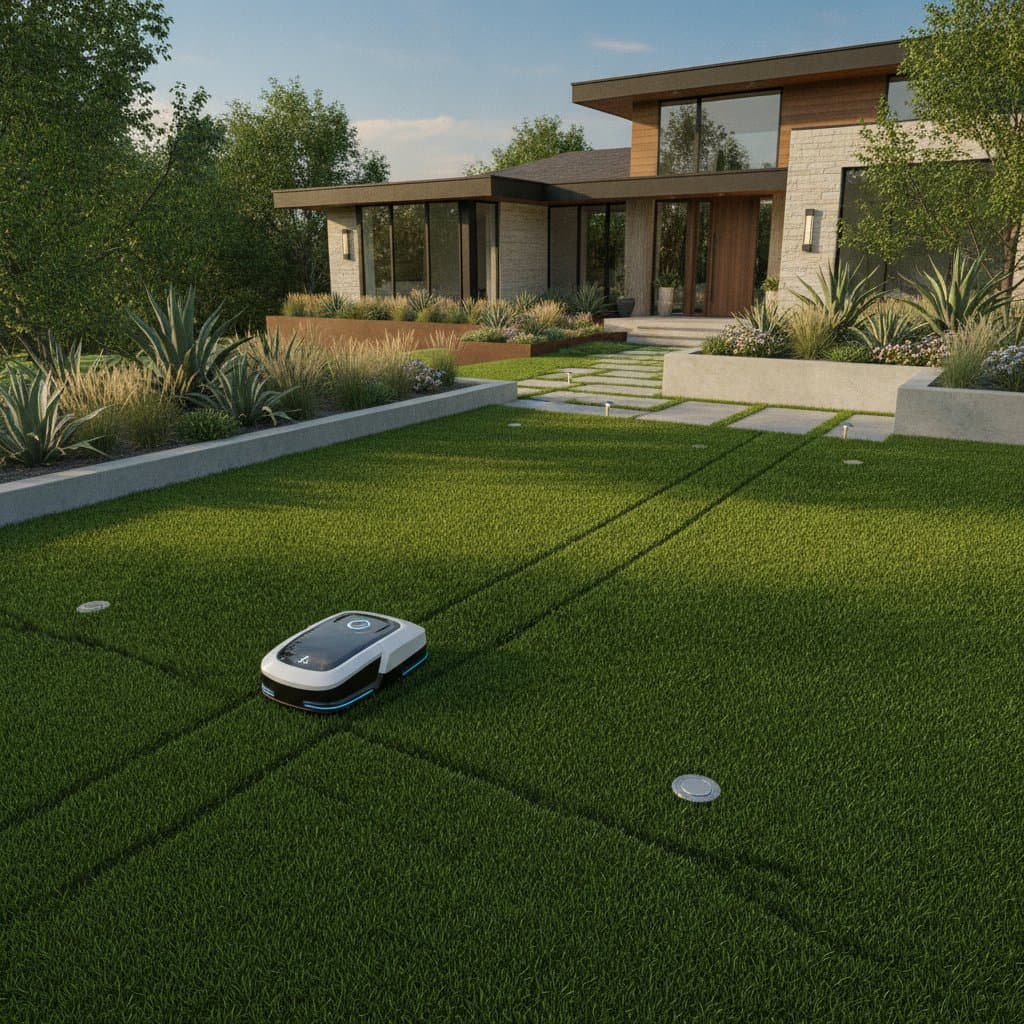
Broadcast infill evenly and work it into the pile with a power broom. Adequate infill supports blade upright posture and cushions impact. Certain AI models include autonomous brushing units that repeat this task on a programmed schedule.
AI Component Integration
Mount the control unit near a power source and reliable wireless signal. Position sensor nodes at intervals specified by the manufacturer. Sensors track temperature, wear patterns, and debris accumulation. Use the supplied calibration tool to establish baseline readings before first operation.
System Testing
Initiate the first cleaning cycle and observe sensor response. Adjust placement or settings as needed. Adaptive models refine their routines after several days of data collection, resulting in more efficient coverage.
Ongoing Quality Checks
Inspect seams, edge fastening, and infill depth after installation. Walk the entire area to locate soft spots. Early correction avoids visible defects once the system settles.
AI alerts notify users when brushing or debris removal is required. Scheduled manual reviews supplement automated notifications and maintain surface condition.
Seasonal Maintenance Practices
Remove accumulated dust, leaves, and pollen with robotic attachments or monthly power-broom sessions. Check infill levels once per year and replenish material where compression has occurred. Examine seams after storms or heavy use and refasten any lifted sections.
Update control-unit firmware when new versions become available. Current software improves sensor accuracy and extends hardware lifespan.
Cost and Budget Planning
Initial expenses exceed those of conventional turf, yet recurring costs for water, mowing, and chemicals disappear. Many properties recover the difference within several years. A phased approach allows installation of synthetic sections in high-visibility zones first, with AI features added later.
Select adequate pile height and base depth from the outset. Thinner materials or poorly compacted bases lead to drainage issues and earlier replacement.
Environmental Outcomes
Elimination of irrigation reduces municipal water demand, particularly in drought-prone regions. Many turf products incorporate recycled content and remain recyclable after their service life. The absence of fertilizers and pesticides further decreases chemical runoff.
Practical Recommendations
- Design drainage slopes before base placement to avoid standing water after rainfall.
- Use angular infill that resists migration and maintains consistent texture.
- Perform monthly surface grooming to preserve blade orientation.
- Keep reflective objects away from the lawn to prevent localized heat damage.
- Recalibrate sensors whenever cleaning patterns appear inconsistent.
Practical Outcomes for Property Owners
A correctly installed system provides year-round appearance with minimal intervention. Homeowners report lower utility statements and more predictable landscape upkeep. The combination of durable materials and responsive automation supports both aesthetic and resource-conservation goals.