How Enzyme Cleaners Outperform Chemical Alternatives
Enzyme cleaners break down organic matter at a molecular level. This process delivers effective results on common household messes while remaining safe for families and pets. The approach supports long term surface preservation and reduces exposure to irritants found in many traditional products.
The Science Behind Enzyme Action
Enzymes function as biological catalysts that accelerate the breakdown of specific substances. Protease enzymes target proteins in blood or pet waste. Amylase enzymes handle starches from food spills. Lipase enzymes dissolve fats and oils in kitchens or garages. Cellulase enzymes address plant based residues such as grass stains.
Application releases these proteins to convert organic material into water soluble particles. The reaction ceases once the target matter is eliminated. This targeted mechanism avoids the broad irritation associated with solvent based formulas.
Choosing Between Homemade and Commercial Options
Effective Application Steps
- Identify the organic component of the stain to select the appropriate enzyme type.
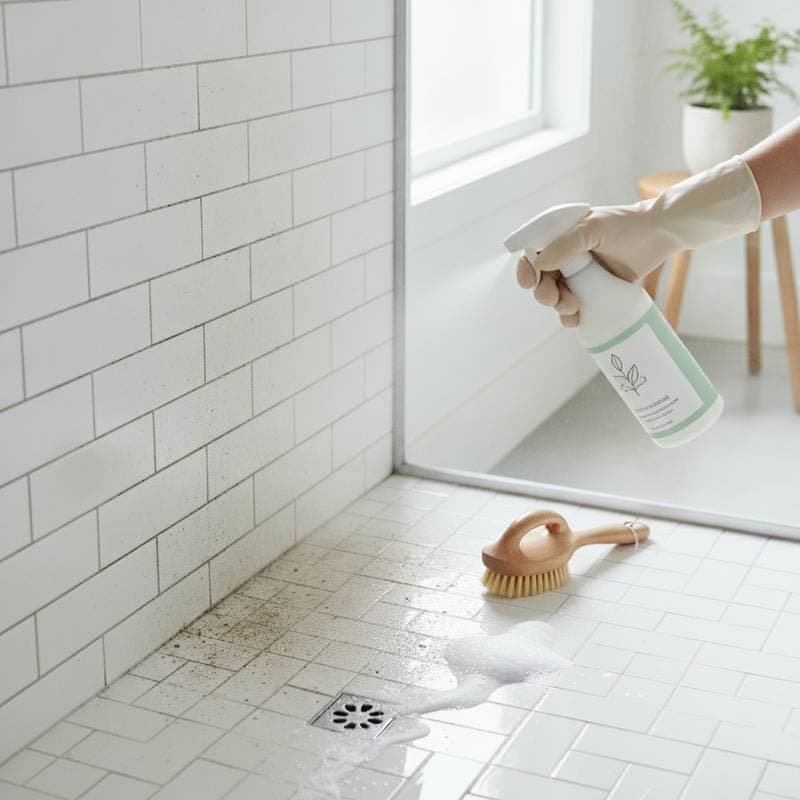
- Apply the product evenly across the entire affected area.
- Allow 10 to 15 minutes of dwell time for the enzymes to act.
- Remove loosened material with a microfiber cloth or soft brush.
- Rinse the surface with clean water and dry thoroughly.
Repeat the sequence on older stains. Consistent use reduces future buildup and shortens subsequent cleaning sessions.
Technique Practices for Optimal Results
Warm water enhances enzyme activity during application. Never combine enzyme products with bleach or ammonia, because these agents deactivate the proteins. Perform a small patch test on unfamiliar surfaces before full use. Store containers away from sunlight and with lids secured to maintain potency.
Cost and Value Considerations
Enzyme cleaners carry prices comparable to mid tier chemical options. Their concentrated nature means smaller amounts achieve thorough cleaning. Refill formats further lower expense and packaging waste. Households can alternate between purchased and homemade batches to manage budgets effectively.
Safety and Environmental Advantages
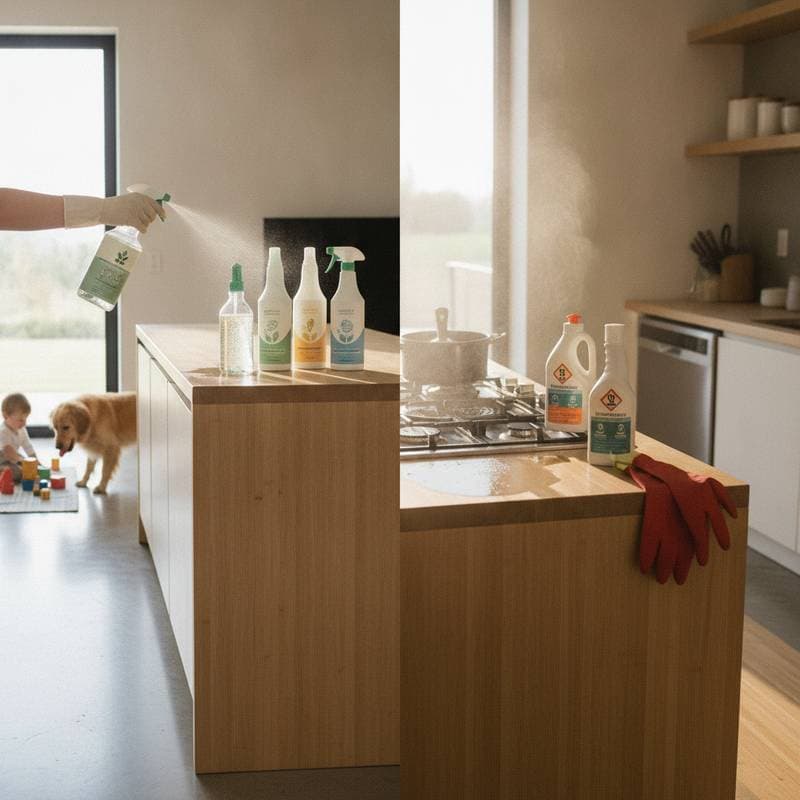
Conventional cleaners often release compounds that affect skin, eyes, and breathing. Enzyme formulas rely on natural processes that leave no harmful residues. They support septic systems and on site waste setups common in rural areas. The absence of toxins makes them suitable around children and animals while neutralizing odors at their source.
Practical Habits for Ongoing Use
Allow sufficient dwell time on each application. Blot pet accidents before treatment and reach padding beneath carpets when possible. Keep a dedicated bottle available for workshop or garage spots. Schedule regular applications to maintain surfaces rather than addressing accumulated grime.
Regular enzyme cleaning produces a consistently fresh environment. The method addresses messes thoroughly without added fragrances or residues.