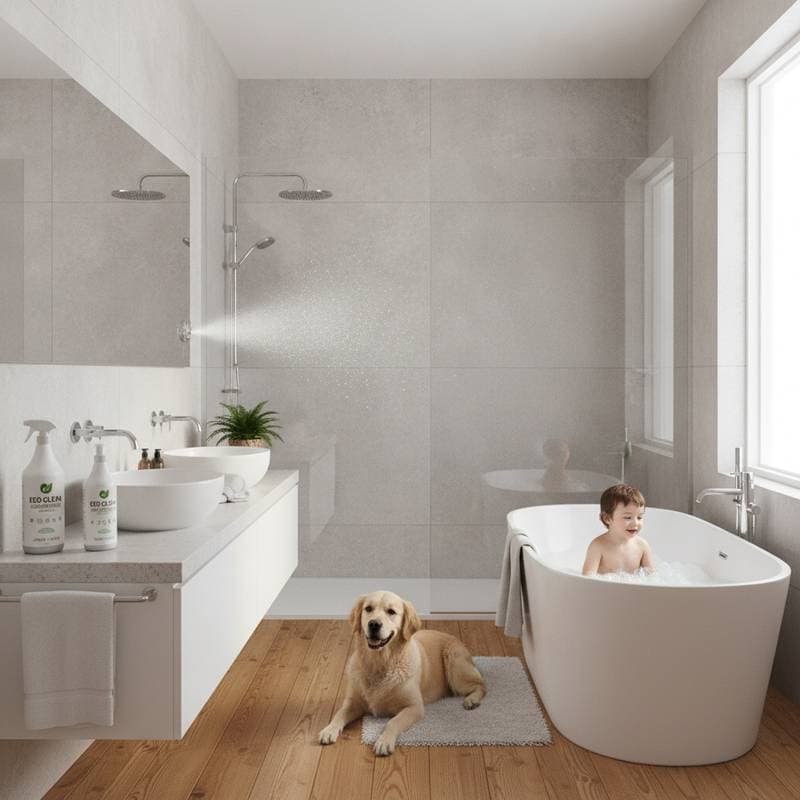
Enzyme Cleaners Break Down Grime Without Toxic Fumes
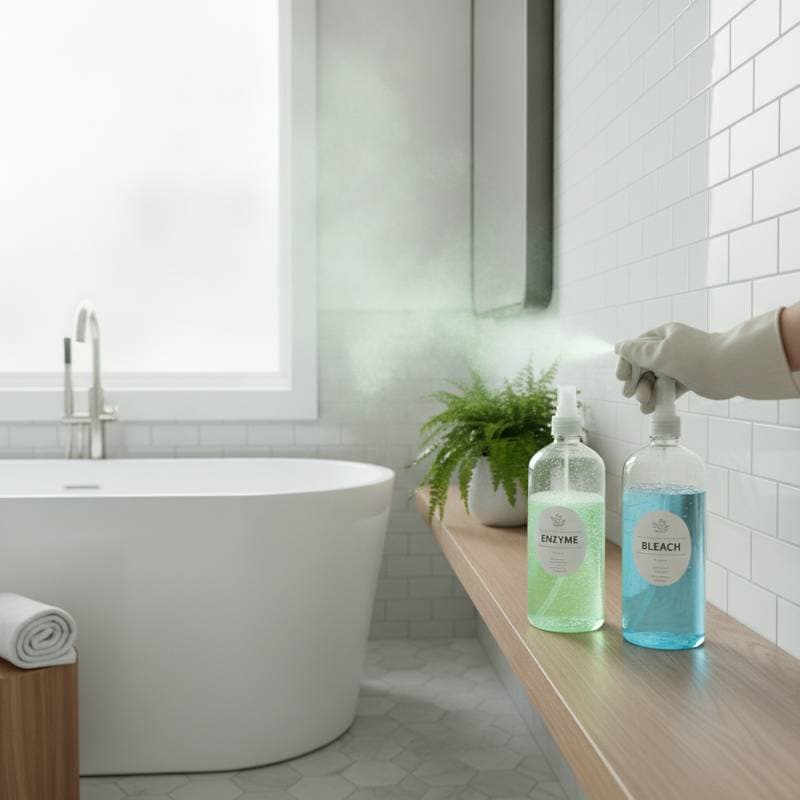
Enzyme cleaners provide a safe alternative to traditional bathroom chemicals. These solutions rely on natural proteins to digest organic material rather than relying on synthetic acids or solvents. Homeowners gain a thorough clean that avoids fumes and surface damage.
- Enzyme cleaners break down soap scum, mildew, and residue through biological action.
- The approach protects natural stone, grout, and sealed wood from harsh wear.
- Regular use prevents buildup and maintains neutral air quality.
- Products suit beginners and require minimal tools for effective results.
- Long term application extends fixture life while supporting sustainable routines.
Project Overview
Working Time: Minimal, typically under an hour for a full bathroom cleaning
Total Time: Varies by product dwell time, usually between 15 and 60 minutes
Skill Level: Beginner
Estimated Cost: $12 to $30 per bottle depending on concentration and brand
Understanding How Enzyme Cleaners Work
Enzymes function as specialized proteins that accelerate decomposition. When they contact organic buildup they reduce it to simple compounds that rinse away with water. Some formulas include beneficial bacteria that continue to limit future accumulation after the first application.
This method follows natural breakdown patterns found in soil and water systems. It operates at a molecular level instead of relying on abrasion or strong acids. The process remains safe for delicate materials that acids or bleach might erode over repeated cleanings.
When to Buy Formulated Solutions
Homemade enzyme cleaners can be created from citrus peels, sugar, and yeast. The process demands time for fermentation and careful handling. Most users achieve better consistency with commercial products that undergo testing for enzyme strength and surface compatibility.
Test any homemade batch on small, nonporous areas first. Avoid unsealed stone until reactions are confirmed. Label all containers and store them away from temperature extremes that could reduce enzyme performance.
Materials and Tools
- Quality enzyme cleaner formulated for bathroom surfaces
- Spray bottle or pump dispenser
- Soft bristle brush or nonabrasive sponge
- Microfiber cloths for drying
- Warm water for rinsing
- Protective gloves if skin sensitivity exists
A grout brush or squeegee can assist with specific areas. Minimal ventilation is needed because the formulas lack volatile compounds.
Step by Step Process for an Enzyme Clean Bathroom
- Remove items and wipe loose debris from all surfaces.
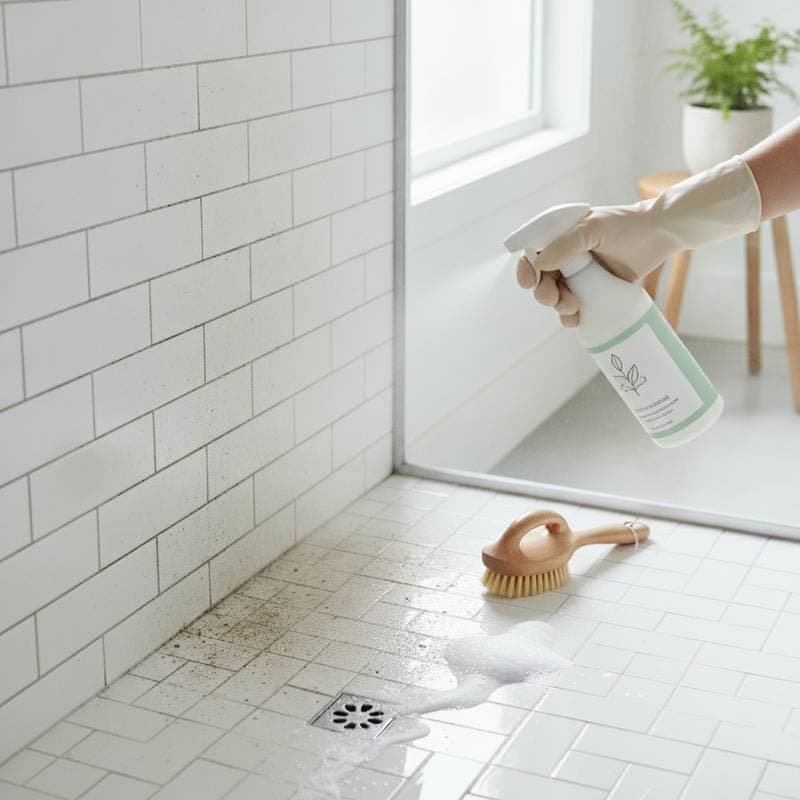
- Apply the cleaner generously to tiles, tubs, sinks, and buildup zones.
- Allow the recommended dwell time so enzymes can act on organic material.
- Agitate lightly with a brush to release loosened residue.
- Rinse thoroughly with warm water and dry with microfiber cloths.
- Reapply to drains or grout and let the product work overnight for heavy accumulation.
Quality Control and Long Term Results
Consistent weekly or biweekly application prevents recurring buildup. Enzyme action targets bacteria in drains and around toilets more effectively than many chemical alternatives. Surfaces improve rather than degrade because the method avoids abrasive or acidic wear.
A successful clean leaves a neutral scent free of artificial fragrance. If surfaces feel slick after drying, reduce the amount of product or improve the rinse step on the next cycle.
Maintaining Enzyme Effectiveness
Store the cleaner in a cool, dry location away from sunlight. High heat or freezing conditions can diminish enzyme activity. Add small amounts to toilet tanks or drains during routine maintenance to control odors at the source.
Extending Enzyme Cleaning Benefits
Once results appear in the bathroom, apply the same method to kitchens, laundry areas, and workshops. Effective maintenance depends on removal of unwanted organic matter rather than strong chemical odors. Surfaces and fixtures retain their condition longer under this steady biological approach.