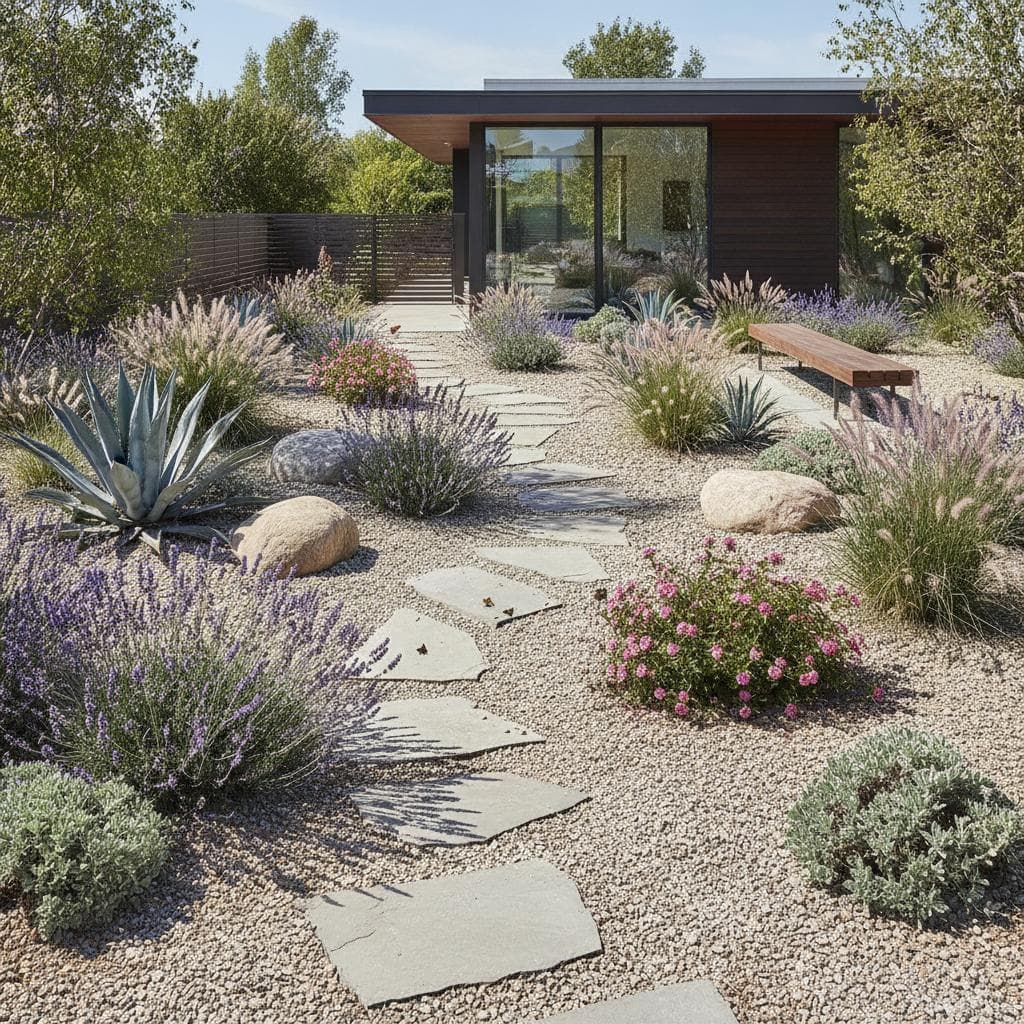
Rain Gardens: Managing Front Yard Flooding Effectively
Key Benefits
- Budget friendly solution: Rain gardens require only basic tools and locally available materials. This approach avoids the expense of installing formal drainage systems.
- Practical execution: The work involves hand digging, soil grading, and planting. Most homeowners complete these tasks without specialized equipment.
- Time investment: Plan for one weekend to finish excavation and planting. Ongoing care remains minimal after establishment.
- Lasting results: The garden reduces surface flooding, improves water quality through natural filtration, and increases property appearance.
Deciding Between DIY and Professional Help
Homeowners who manage basic digging and planting can complete this project independently. Success depends on careful site selection. Place the garden where water flows or collects naturally, yet at least ten feet from the house foundation. Confirm that no underground utilities or septic fields exist in the chosen area.
Step by Step Construction
- Select the location. Trace natural water movement across the yard. The site must sit downhill from downspouts or paved surfaces and drain within one day.
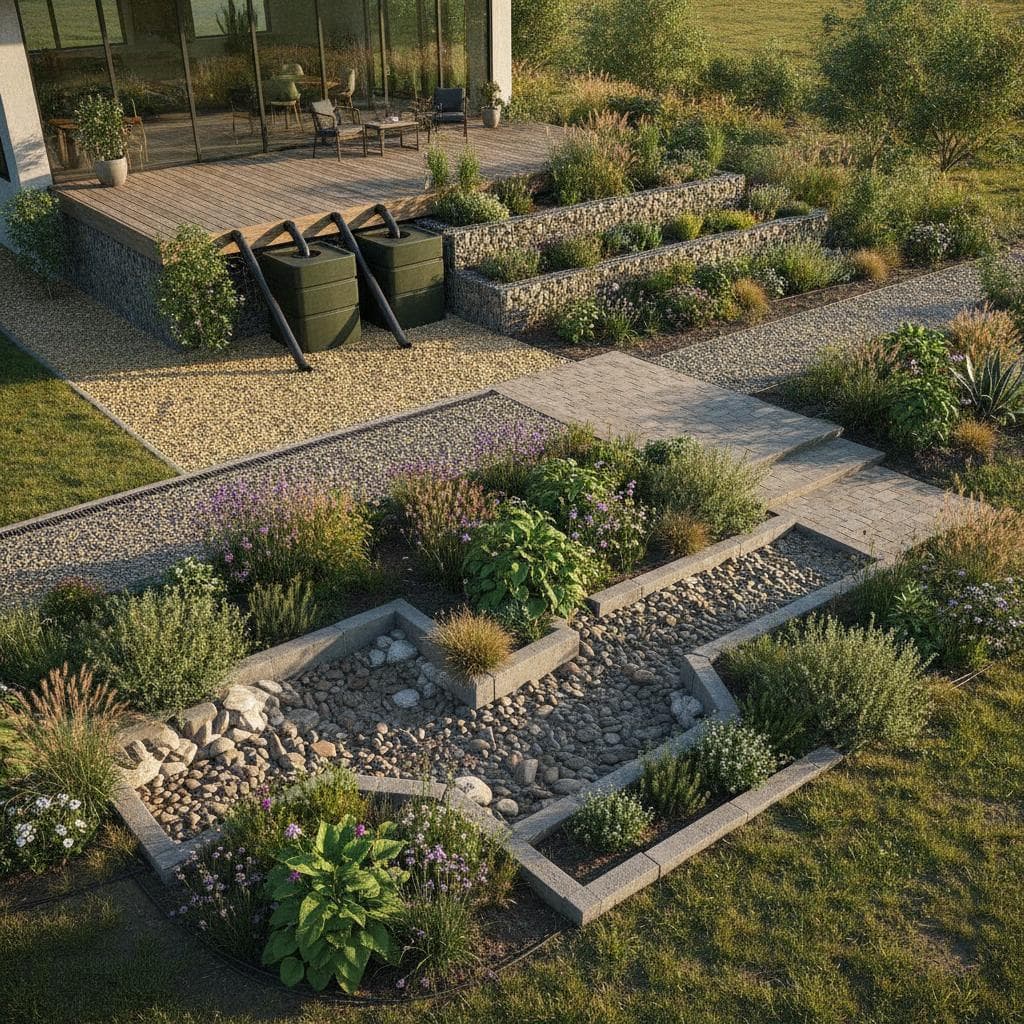
- Mark and excavate. Outline the shape with rope or hose. Remove soil to a depth of six inches at the center while sloping sides inward. Pile the excavated soil on the downhill edge to form a low berm that contains overflow.
- Improve the soil. Blend existing material with equal parts compost and coarse sand. This mixture promotes gradual infiltration without creating permanent standing water.
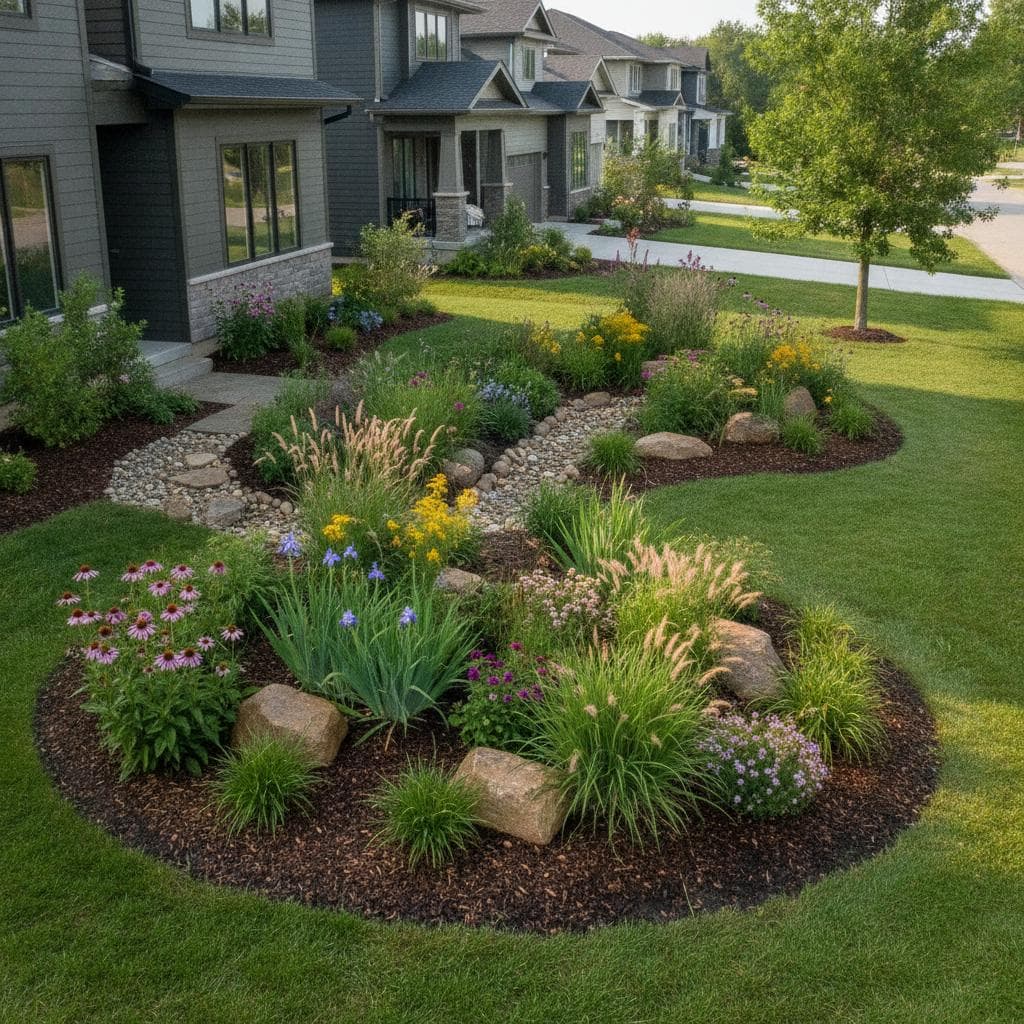
- Arrange plants. Choose native species adapted to both wet and dry intervals. Position taller varieties near the center and shorter ones along the perimeter to produce layered visual interest throughout the seasons.
- Apply mulch and initial watering. Cover the surface with two to three inches of shredded bark. Water the entire area immediately after planting and maintain light moisture for the first three weeks.
Ongoing Care and Adjustments
Monitor drainage after the first few storms. If water remains longer than twenty four hours, loosen compacted areas and incorporate additional sand. Remove weeds during the initial growing season while plants establish coverage. Mature gardens need only seasonal pruning and mulch renewal.
Practical Recommendations
Test drainage before final planting. Dig a small trial hole and time how long water takes to disappear. Amend soil further if drainage exceeds twenty four hours. Select plants native to the local climate to reduce watering needs and support regional pollinators. Space new plants with room for natural spread to maintain air flow and limit disease risk. Edge the garden with flat stones to slow incoming water and provide visual definition.
Seasonal Oversight
Inspect the berm for signs of erosion each spring and repair as needed. Refresh mulch annually to suppress weeds and conserve moisture. After major storms, verify that no persistent pools form and adjust soil composition if drainage slows. Over time, expanding root systems enhance filtration capacity and overall performance.