Gravel Gardens: Why Low-Water Yards Are Rising Fast
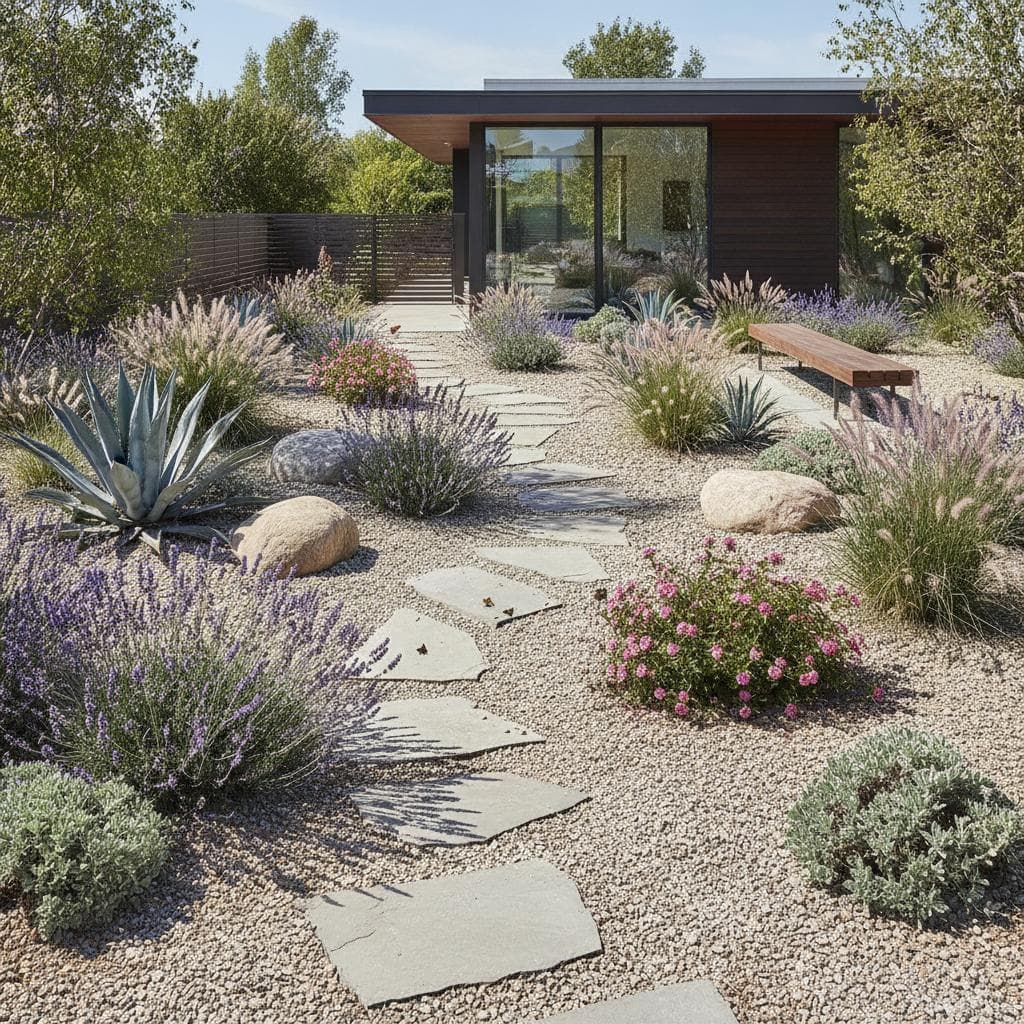
Imagine walking through a front yard that feels more like a Mediterranean retreat than a suburban lawn. The ground is covered in sleek, pale gravel that glimmers under the sun. Clusters of lavender sway in the breeze while bees visit flowering succulents. No sprinklers run, no muddy footprints appear, and no weekly mowing schedule exists. This style of yard is spreading quickly.
Core Advantages
- Gravel gardens combine stones, drought-tolerant plants, and efficient design to reduce water use and maintenance.
- They perform well in dry climates and adapt to many regions with appropriate plant choices.
- Homeowners value the modern appearance, environmental benefits, and reduced upkeep expenses.
- These gardens support pollinators while limiting runoff and erosion.
Careful planning and soil preparation determine long-term results.
The Cultural Shift Toward Water-Wise Beauty
For decades the perfect lawn represented comfort and success. Green grass signaled stability and attention. As climate awareness increases, that image is changing. Across neighborhoods people are reconsidering what outdoor beauty means. Gravel gardens have become central to this change.
Landscape designer Carla Ruiz first noticed the trend among clients who wanted designs aligned with their environmental values. They were tired of watering endlessly. They wanted something stylish that respected local conditions. Her observation matches what many homeowners now discover. A gravel garden can be both practical and elegant. Texture, color, and form create artful restraint that turns low-water planting into a design statement.
Why Gravel Gardens Perform Well
The appeal begins with simplicity. Gravel serves as both decoration and function. It suppresses weeds, keeps roots cool, and prevents soil from drying too quickly. Beneath the surface a layer of landscape fabric or compacted sand improves drainage. This step is vital for drought-tolerant plants such as agave, yarrow, and sedum.
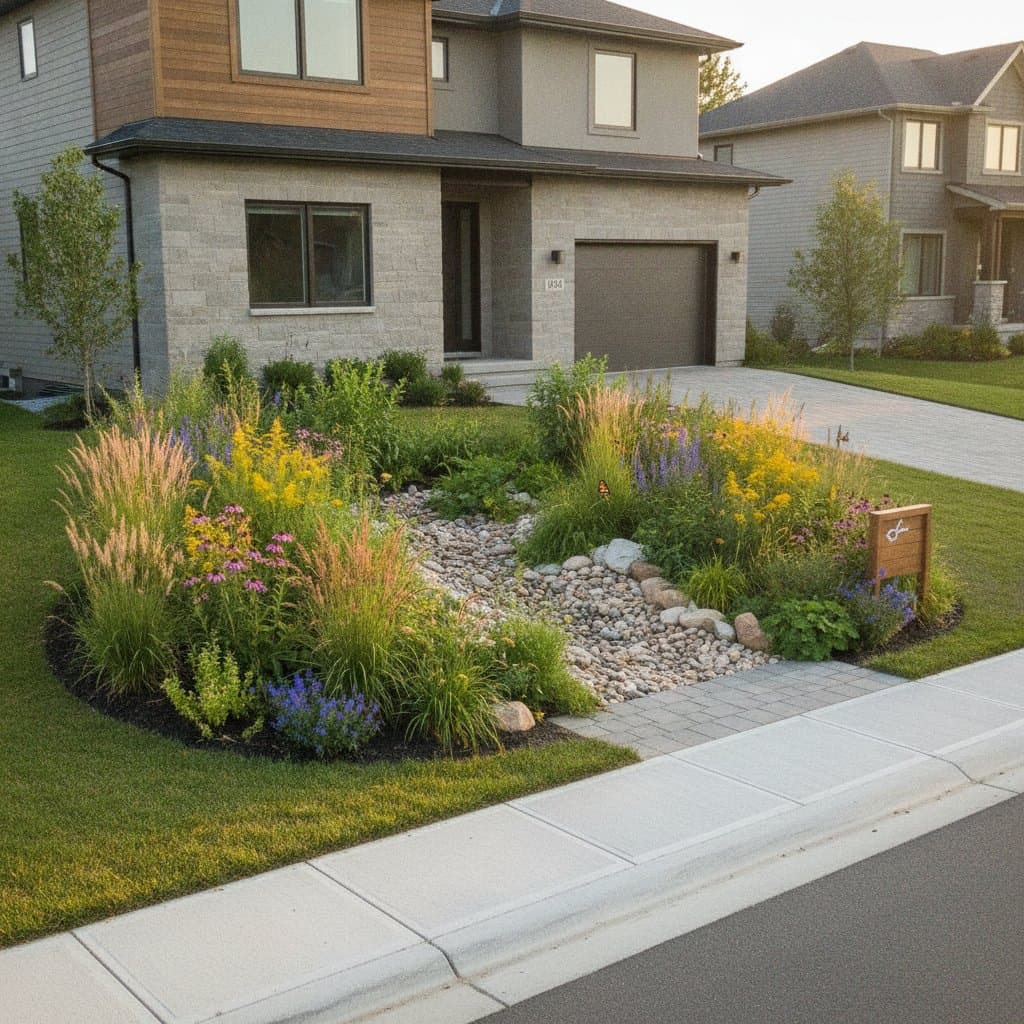
Gravel also encourages creativity. Designers combine it with stone pathways, raised beds, and sculptural plants to create balance and contrast. The result feels curated rather than neglected. Environmental journalist Nathan Kim observed that gravel gardens contribute to urban resilience. They reduce runoff that overwhelms drainage systems after rain. They also give pollinators access to nectar sources even in dry months.
The Rise of Drought-Tolerant Landscaping
The push for sustainable yards has moved from niche movement to mainstream practice. Municipalities in dry regions now promote low-water designs to conserve resources. The trend extends beyond necessity. Influencers and design publications have made gravel gardens aspirational by linking them to minimalist aesthetics and travel inspiration.
The visual language matches current design preferences. Muted tones, sculptural plants, and a balance between wild and structured elements define the look. Gravel gardens fit modern architecture and desert-inspired decor. Homeowners also seek convenience. Grass requires constant mowing, edging, and fertilizing. Gravel gardens need only occasional pruning and light irrigation during establishment. Once mature, many survive on rainfall alone.
Crafting the Perfect Gravel Garden
Creating a successful gravel garden requires more than replacing grass with stones. Preparation is essential. Experts recommend removing existing vegetation and assessing soil composition before laying the gravel base. A well-draining substrate matters because drought-tolerant plants dislike soggy roots.
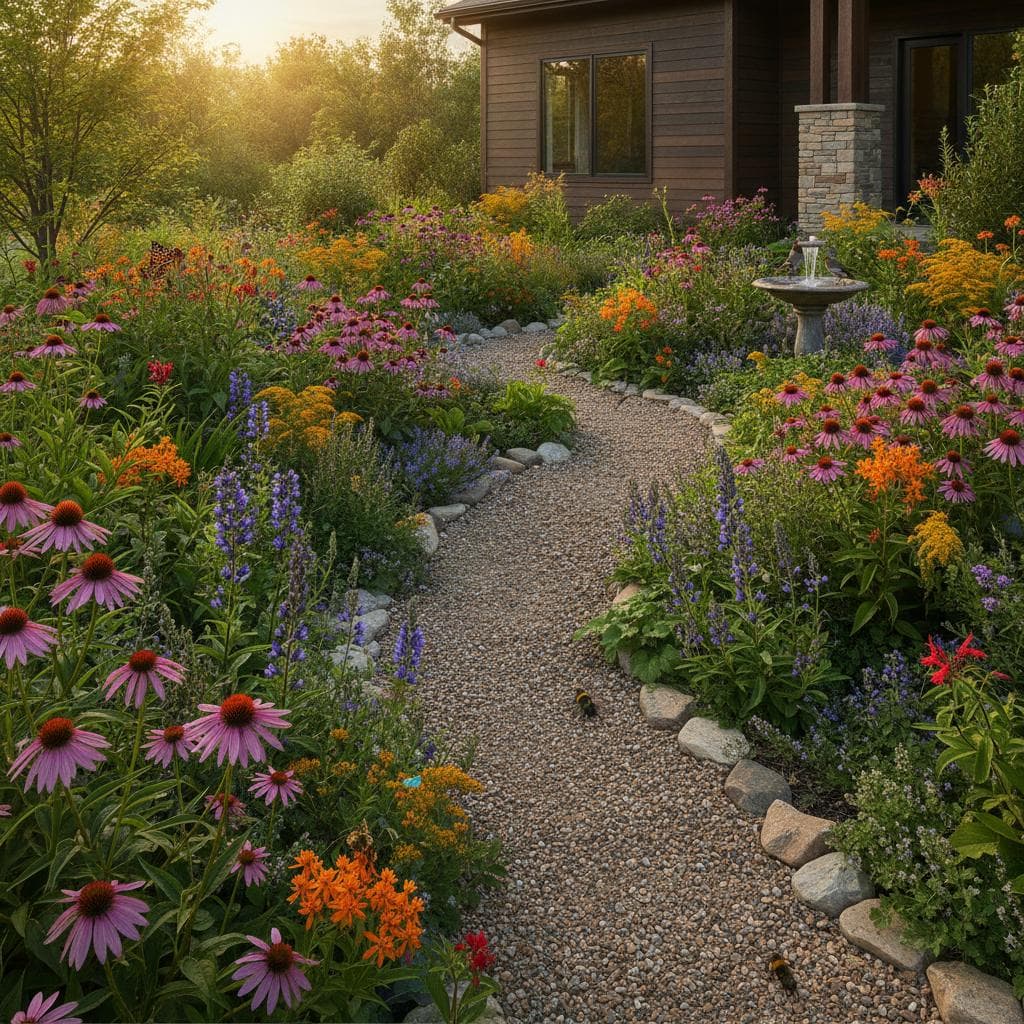
Plant selection depends on local climate and design goals. Mediterranean herbs such as rosemary, thyme, and sage add fragrance and attract pollinators. Ornamental grasses like blue fescue and feather reed grass provide texture and movement. Succulents and native wildflowers supply color against pale gravel.
Spacing also matters. Gravel gardens look best when plants have room to spread. Overcrowding defeats the low-maintenance purpose and interrupts airflow, which can lead to fungus or rot.
Expert Tips for Longevity
- Choose the right gravel size. Smaller stones compact easily and stay in place. Larger stones shift underfoot. A mix of sizes often provides better stability.
- Use edging materials. Metal or stone borders keep gravel contained and define planting zones.
- Add organic matter beneath the gravel. This helps retain moisture and improves soil health over time.
- Weed early and often. Even with barriers, windblown seeds can take root. Regular light maintenance prevents larger problems later.
- Water intelligently. During the first few months deep watering helps roots establish. After that minimal irrigation is needed.
Style Meets Sustainability
What sets gravel gardens apart is their ability to combine environmental responsibility with design sophistication. They can appear rustic or refined depending on materials and layout. Some homeowners choose monochrome gravel palettes that highlight architectural lines. Others mix warm and cool tones for a more natural effect.
Social media has helped popularize the aesthetic. Images of tranquil stone-filled courtyards and blooming succulents appeal to people seeking calm, low-clutter environments. The visual serenity of gravel gardens mirrors the minimalist interiors many homeowners now prefer.
Getting Started
Starting small often works best. Convert one section of your yard into a gravel garden before committing to a full transformation. Observe how it responds to sunlight, rainfall, and seasonal changes. Adjust plant spacing or gravel depth as needed.
For those ready to proceed fully, consult a local nursery or landscape designer familiar with drought-tolerant ecosystems. They can recommend native species that support pollinators and blend with regional habitats. The shift toward gravel gardens reflects a larger movement toward mindful living where beauty and sustainability receive equal attention.