AI Lawn Robots Revolutionizing Front Yards by 2026
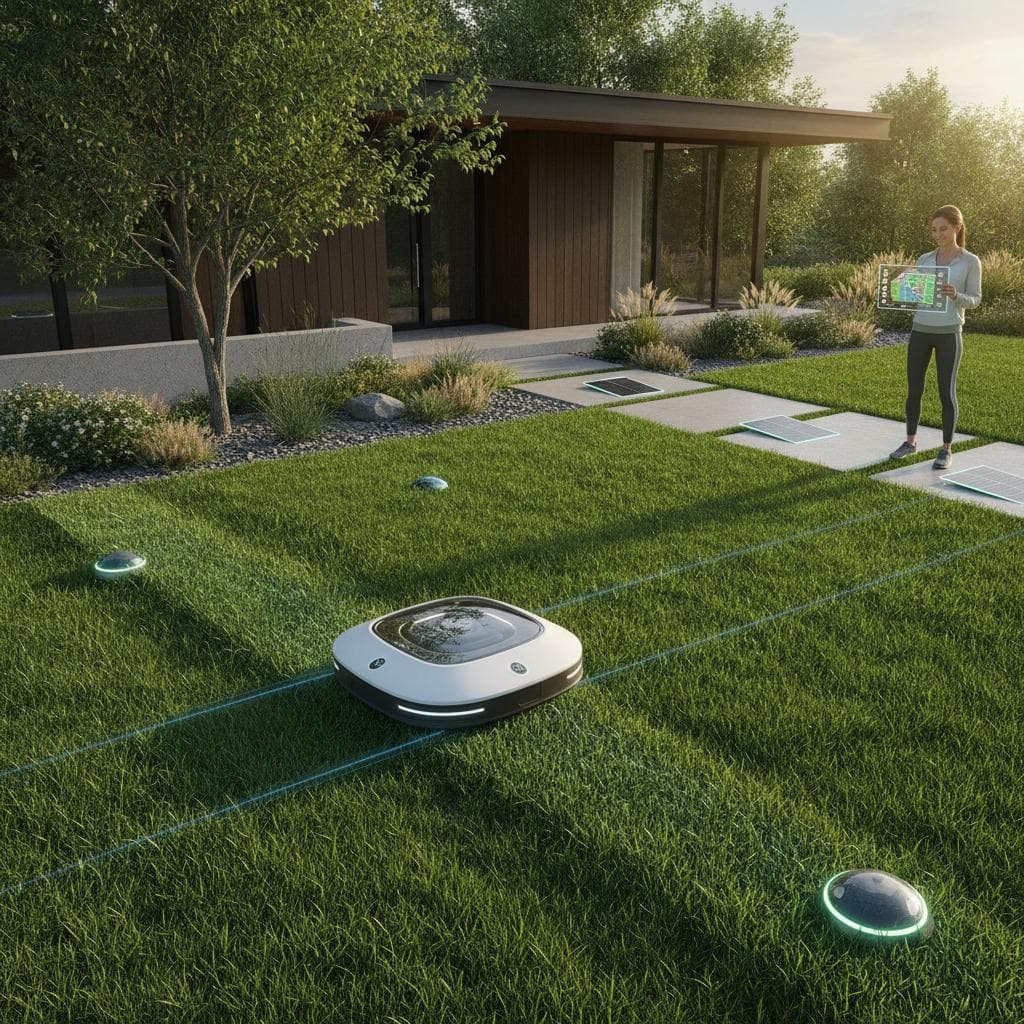
Picture this scene. The sun warms a freshly trimmed lawn while a robotic mower glides in smooth lines. You remain indoors with a cool drink and observe the yard take shape without manual effort.
This outcome arrives through current technology rather than distant speculation. AI powered lawn robots now enter neighborhoods and alter homeowner approaches to yard maintenance. The machines deliver consistent results with reduced physical work and lower environmental impact.
Transition from Manual Labor to Automated Care
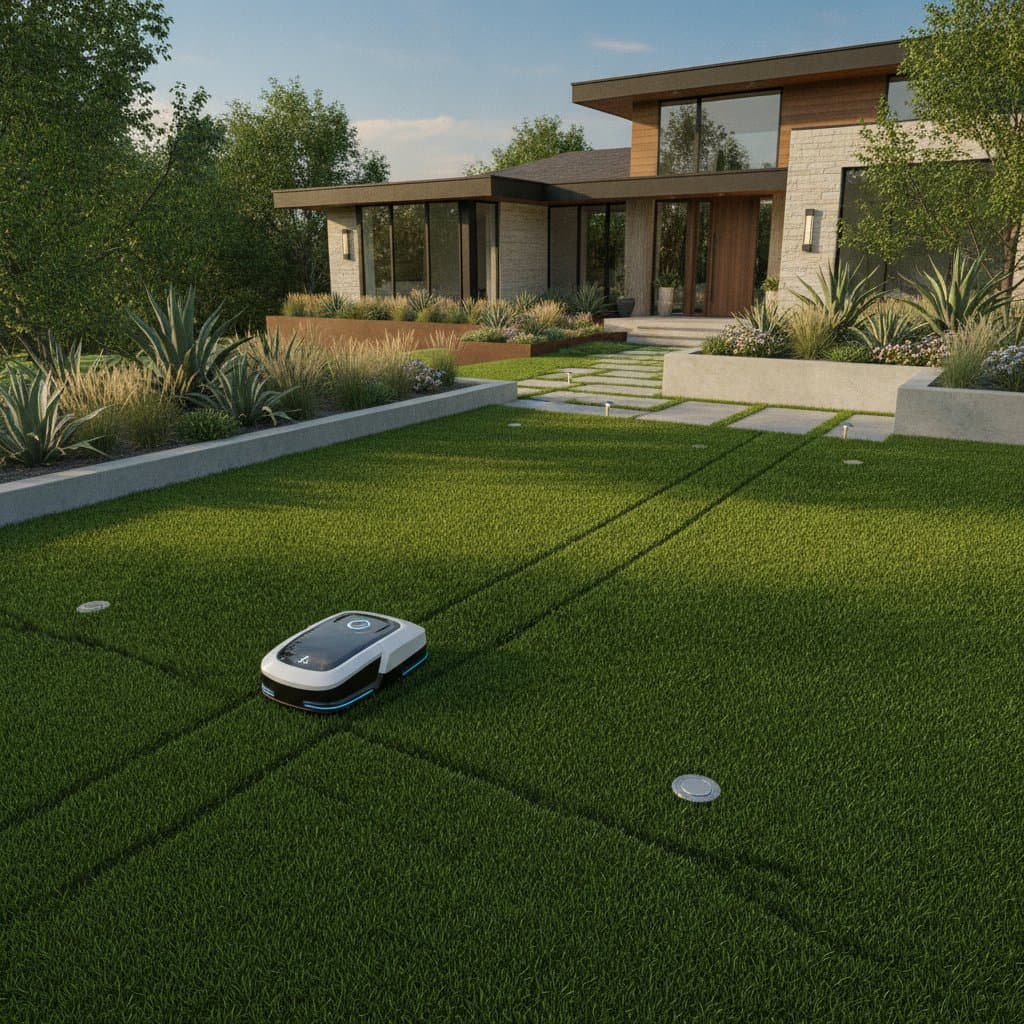
Weekend mowing once required physical exertion along with engine noise and exhaust. AI lawn robots replace that pattern through onboard sensors and mapping software. The units record yard boundaries after initial passes and refine routes for minimal overlap.
Environmental Advantages of Electric Operation
Electric models eliminate direct emissions associated with gasoline equipment. Solar charging stations extend runtime without grid dependency in suitable climates. Returned clippings decompose on site and supply nitrogen that supports root development.
This closed loop reduces fertilizer purchases by measurable amounts over a single season. Soil compaction decreases because the lightweight units distribute weight evenly across multiple wheels. Weed pressure declines when grass remains dense and consistently maintained.
Core Operating Components and Setup Steps
Robots combine ultrasonic sensors with camera based obstacle recognition. Virtual boundaries replace physical wires in newer units and allow zone adjustments without digging. Rain sensors pause operation when precipitation exceeds a user defined threshold.
Initial mapping requires a clear yard perimeter and takes between thirty and ninety minutes depending on lot size. No go areas around garden beds are drawn directly on the application map. Firmware updates arrive automatically and add features such as soil moisture reporting.
Expanded Functions Beyond Basic Cutting
Newer models incorporate edge trimming attachments that follow fixed borders without additional passes. Some units measure soil moisture at multiple depths and transmit alerts when irrigation becomes necessary. Debris collection baskets capture leaves during scheduled runs and reduce separate raking tasks.
Integration with home automation platforms allows coordination with sprinkler systems. Performance data stored in the application reveals seasonal patterns that inform long term lawn care decisions.
Practical Steps for Ongoing Use
Select a model rated for your total square footage plus a twenty percent margin. Store the unit in a sheltered location when temperatures fall below freezing. Clean the chassis and sensors after each heavy rain event to preserve detection accuracy.
Rotate blade sets according to manufacturer intervals to sustain cut quality. Review application logs monthly to identify recurring obstacles that require repositioning of garden features.
Matching Equipment to Property Conditions
Sloped yards demand models with torque ratings sufficient for sustained inclines. Properties with multiple disconnected grass areas benefit from units that support multi zone mapping. Households with pets should verify collision avoidance specifications before purchase.