Why Wildflower Gardens Require Less Effort and Offer Greater Rewards
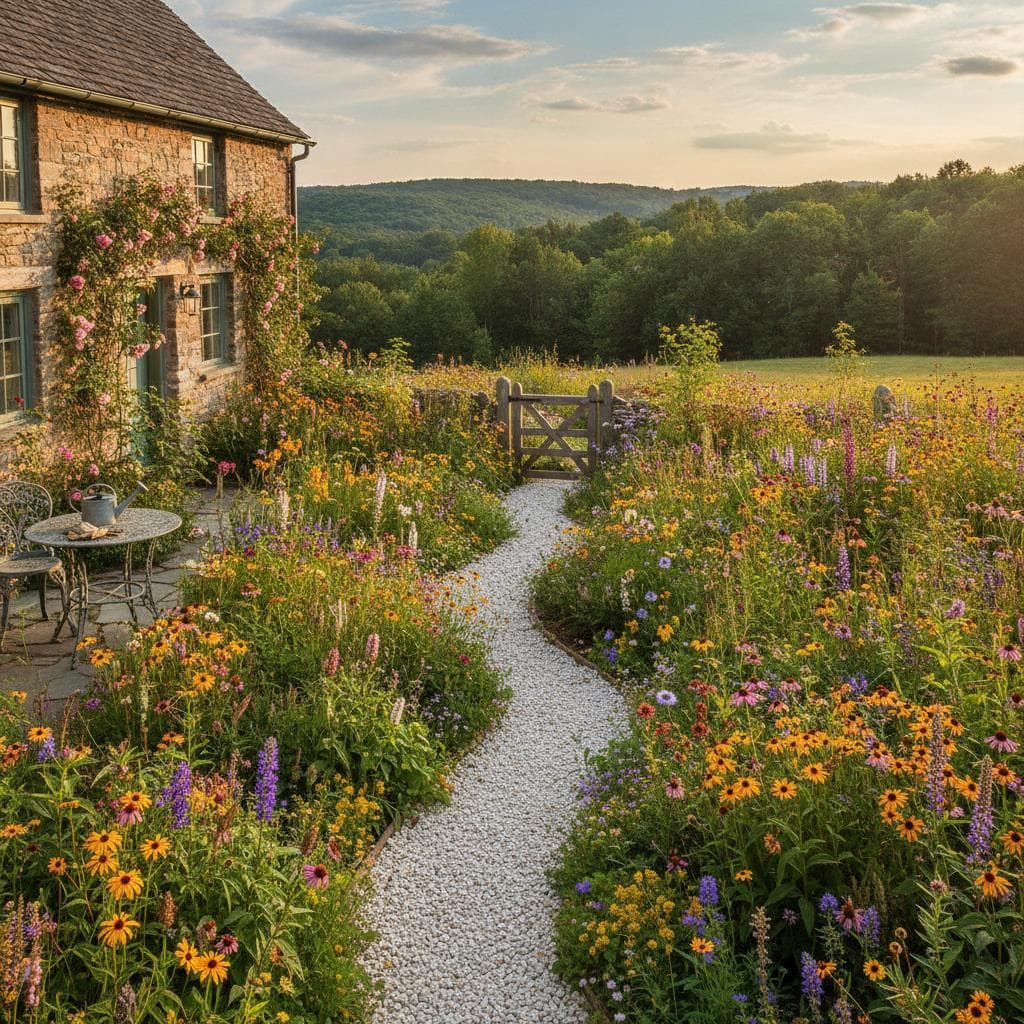
Cottage core wildflower gardens combine natural beauty with practical advantages. These plantings reduce routine chores while supporting pollinators and improving soil health over time.
Why This Approach Appeals to Homeowners
Wildflower meadows mimic natural field edges where multiple species coexist and regulate nutrients. Dense root systems stabilize soil and limit erosion without extra intervention. This setup shifts focus from constant lawn care to a self regulating system that improves fertility gradually.
The style also connects with a desire for slower rhythms. Visible seasonal changes and tangible growth from modest effort provide satisfaction. Varied colors and textures enrich daily experience and support steady mood improvement.
Evaluate Your Site Conditions
Define Goals and Gather Supplies
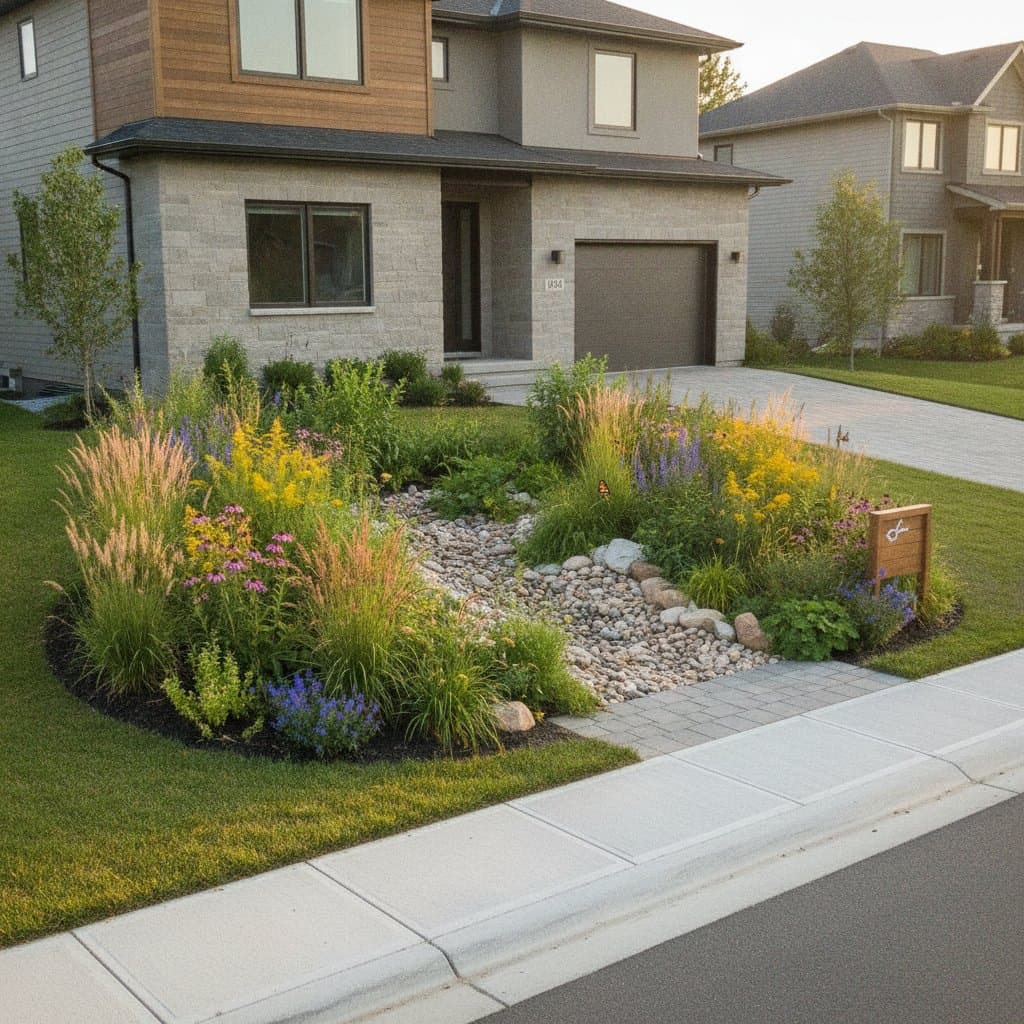
Clarify whether the garden will emphasize decoration, habitat support, or both. Some owners add borders beside patios while others replace entire turf areas with meadow style plantings.
Collect these items:
- Native seed mix matched to your climate zone
- Rake and hoe
- Light mulch or straw
- Compost for soil conditioning
- Watering can or hose with a gentle nozzle
Prepare the Ground
Remove existing turf and weeds from the chosen area. Loosen soil to a depth of four to six inches. Mix in compost where compaction is evident, then rake the surface smooth for uniform seed contact.
Wear gloves, eye protection, and long sleeves during this phase. Keep any soil amendments away from edible crops and water sources.
Sow and Establish the Planting
Blend seeds with sand to promote even coverage. Broadcast the mix by hand or with a spreader. Rake lightly to settle seeds without burying them. Water gently to moisten the surface, then apply a thin straw layer to protect against birds and drying.
Seedlings appear within weeks, though full coverage develops across one growing season. Hand pull invasive weeds early while roots remain shallow.
Monitor and Adjust During Growth
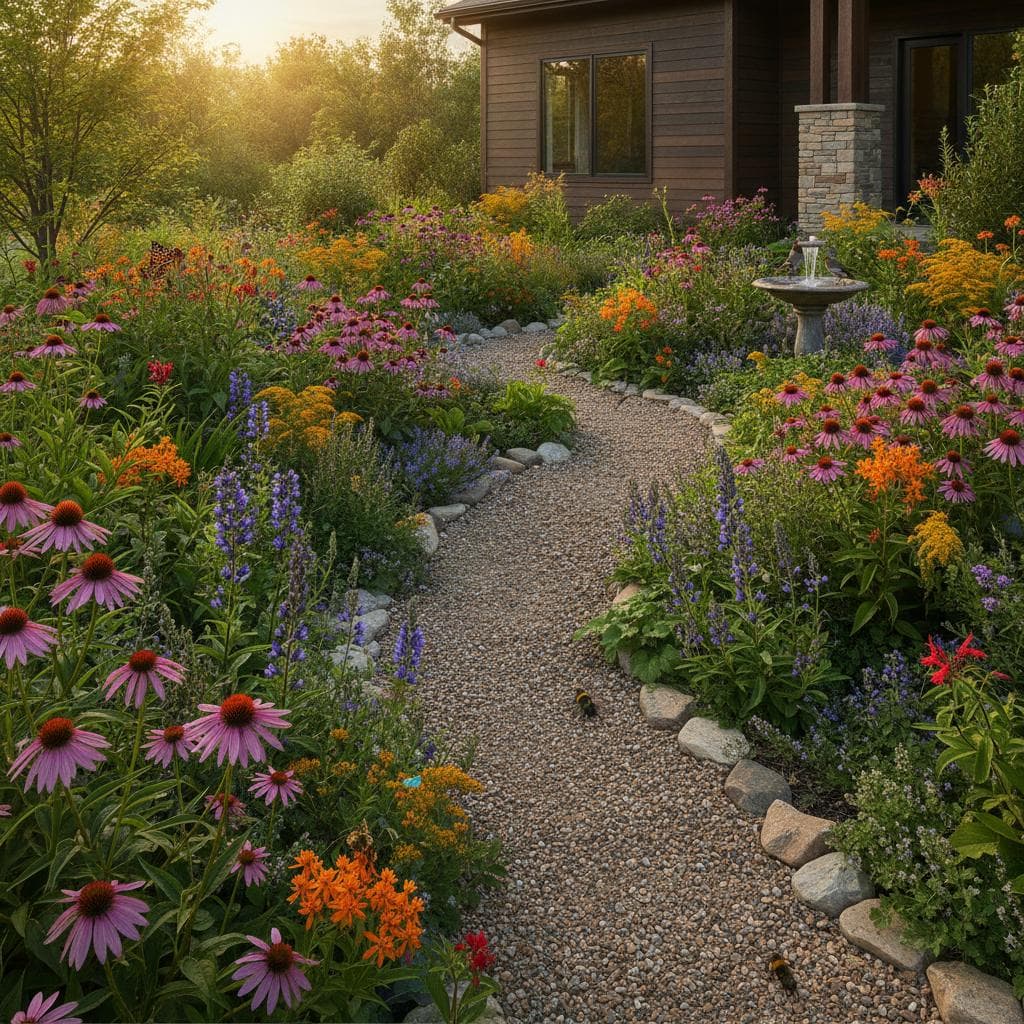
Look for diversity in plant height, leaf form, and flower color as signs of success. Check moisture during dry periods but avoid excess watering that weakens root depth. Allow natural predators to manage most insect issues.
Overseed thin patches in the following season if needed. Resist heavy intervention once balance begins to form.
Maintain the Garden Season After Season
Mow once each year after seed set to distribute new seed and limit woody growth. Leave clippings in place or add them to a compost pile to recycle nutrients. Retest soil every few years and add seed only where diversity declines.
Enjoy Daily Connection With the Landscape
These gardens reward observation and measured care. The space evolves with each season and becomes a living system that supports wildlife and conserves water. Property value rises alongside biodiversity, and routine outdoor time gains a calming quality.