How Steam Cleaning Works
Steam cleaning relies on pressurized water heated to vapor. This vapor penetrates surfaces to loosen dirt, dissolve oils, and neutralize bacteria through heat alone. No chemical additives participate in the process.
At the molecular level, the elevated temperature disrupts microbial cell membranes. The result matches the sanitizing power of many disinfectants yet leaves no residue behind. Only water enters the system, so volatile organic compounds never become airborne.
Materials respond differently to heat. Natural wood, unsealed grout, and delicate fabrics need lower pressure and brief contact. Tile and stainless steel tolerate higher settings without risk.
Preparing Your Space
Identify high-need zones first. Kitchens, bathrooms, and entryways accumulate grease and bacteria fastest. Carpets, curtains, and sealed floors also respond well to steam.
Required Tools
- Multi-surface steam cleaner with adjustable pressure
- Microfiber cloths and pads
- Extension wands for floors and ceilings
- Brush attachments for textured surfaces
- Distilled water to avoid mineral deposits
Safety Measures
Never direct steam at skin. Unplug the unit before adding water. Wear gloves when handling hot parts. Keep children and pets away from the work area. Follow the manufacturer service schedule to maintain proper pressure.
Step-by-Step Cleaning
- Fill the reservoir with distilled water, attach the correct nozzle, and wait for full pressure.
- Vacuum loose debris so steam targets embedded soil.
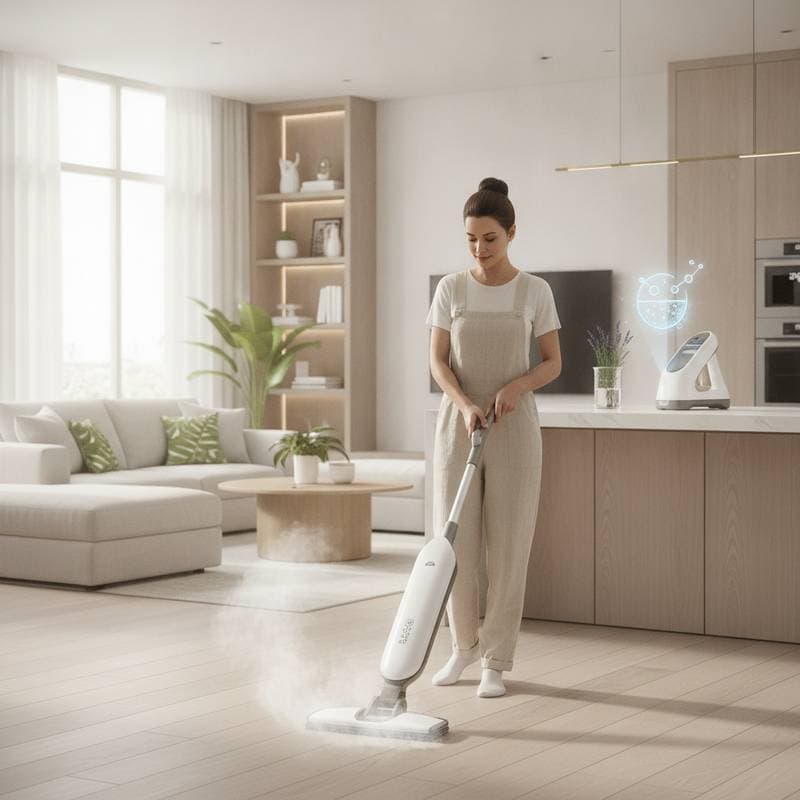
- Glide the nozzle steadily across each section without pausing in one spot.
- Wipe immediately with a clean microfiber cloth to lift residue and speed drying.
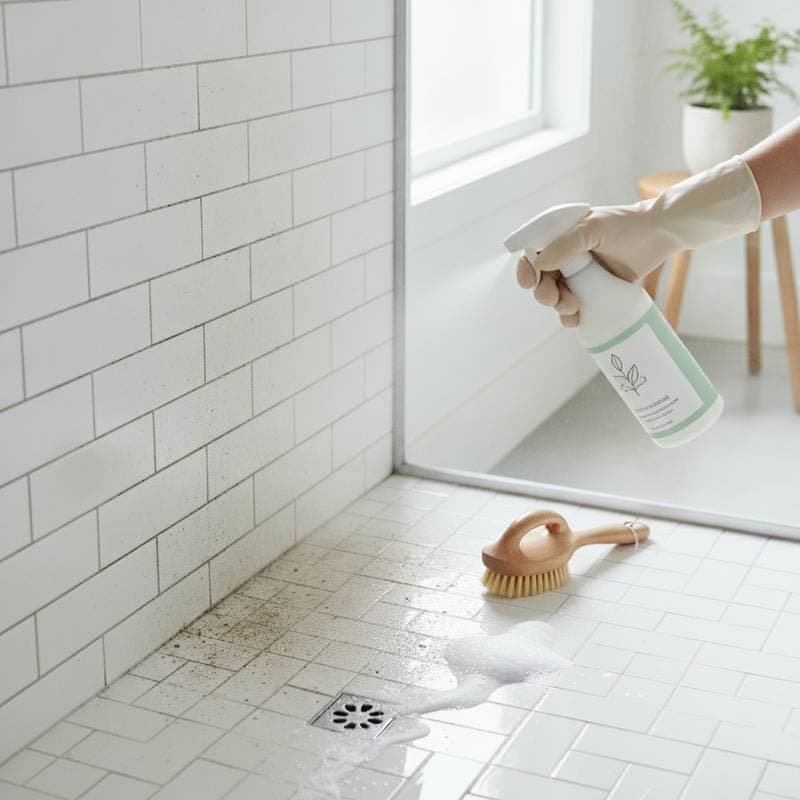
- Switch to a brush attachment for grout or stubborn spots and use circular strokes.
- Allow surfaces to air-dry for fifteen minutes, then inspect for streaks or damp spots.
Verifying Results
Surfaces should feel smooth and free of film. Glass appears clear, and grout shows improved color. Repeat passes with adjusted pressure only after the unit cools if buildup persists.
Empty the tank after each use and rinse all attachments. Store the machine open to allow moisture to escape. Descale periodically according to the manual.
Common Fixes
Streaking on glass improves with reduced steam and immediate dry wiping. Weak pressure usually indicates scale; run a descaling cycle. Check seals if leaks appear. Uneven results often resolve by changing attachments or pressure settings. Excess moisture disappears faster with added ventilation or a dry towel follow-up.
Rotating Maintenance Plan
Divide large homes into zones and cycle through them on a schedule. Use only distilled water. Inspect hoses and nozzles regularly for wear. Hold the nozzle several inches from upholstery and apply short bursts to avoid saturation. Finish tile floors with a dry mop to remove condensation.
Steam cleaning lowers chemical purchases and packaging waste while improving indoor air quality. Surfaces retain color and structural integrity longer because they avoid corrosive agents.