Why Enzyme Cleaners Replaced Bleach in My Cleaning Routine
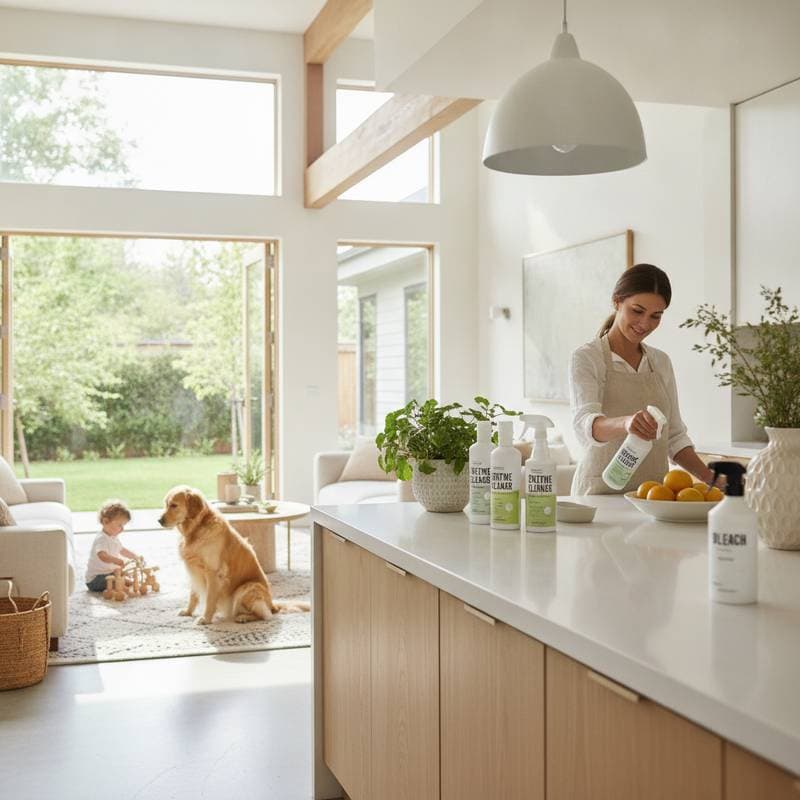
For years I believed a surface was not truly clean unless it carried the scent of a public pool. Bleach served as my standard solution for kitchen counters, bathroom grout, and occasional laundry loads. My Staten Island apartment often carried a strong chemical odor, and I viewed that intensity as proof of thorough work.
One afternoon spent scrubbing the bathtub changed that view. My dog, normally present during chores, left the room after a single sniff. Standing there with watering eyes, I wondered whether the product was as beneficial as it seemed. That moment prompted me to test enzyme cleaners, and the results led to a lasting change.
Limitations of Relying on Bleach for Cleanliness
Bleach whitens surfaces and removes stains quickly. It also produces fumes that irritate skin and lungs. Many people grew up watching family members use it for every task, which created a lasting association between the odor and hygiene.
How Enzyme Cleaners Break Down Residue
Enzyme cleaners rely on proteins that target specific types of organic material. Protease enzymes handle proteins found in food and pet waste. Amylase enzymes address starches from kitchen spills. Lipase enzymes break down fats and oils on stovetops or fabrics.
These proteins continue working after application. They convert grime into smaller particles that rinse away, which reduces the chance of odors returning. The process mirrors natural decomposition and requires no additional masking agents.
First Results With an Enzyme Product
I began with a pet stain formula on an old carpet mark that bleach had lightened but not removed. After leaving the product overnight, the spot disappeared completely. No discoloration remained, and no odor lingered.
I then applied similar products to cutting boards, tiles, and the interior of the washing machine. Surfaces stayed clean, and the apartment no longer carried a sterile scent. My husband observed that the space no longer smelled like a pool.
Daily Advantages of the Switch
Enzyme cleaners offer several practical benefits once the initial adjustment is complete.
- They reduce exposure to fumes and residues, so gloves and masks become unnecessary during routine tasks.
- They digest the material that causes odors rather than covering it, which helps with pet accidents and kitchen waste.
- They perform on tile, fabric, and sealed wood without causing damage.
- Many formulas come in concentrated or refillable packaging that lowers plastic use.
Situations Where Bleach Remains Useful
Bleach still serves a role after illness or on surfaces that require rapid disinfection. In those cases it functions as a targeted treatment rather than a daily product. Enzyme cleaners handle ongoing maintenance between those specific applications.
Effective Application Methods
Several habits improve results with enzyme products.
- Apply the cleaner to stained laundry and allow dwell time before washing.
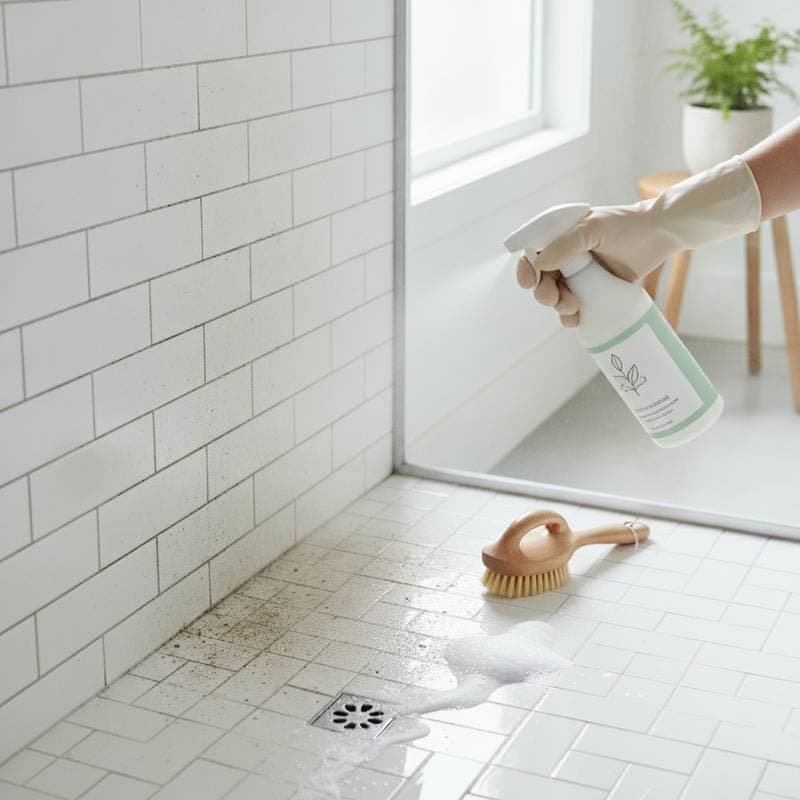
- Dilute the solution for tile grout and shower curtains to dissolve buildup gradually.
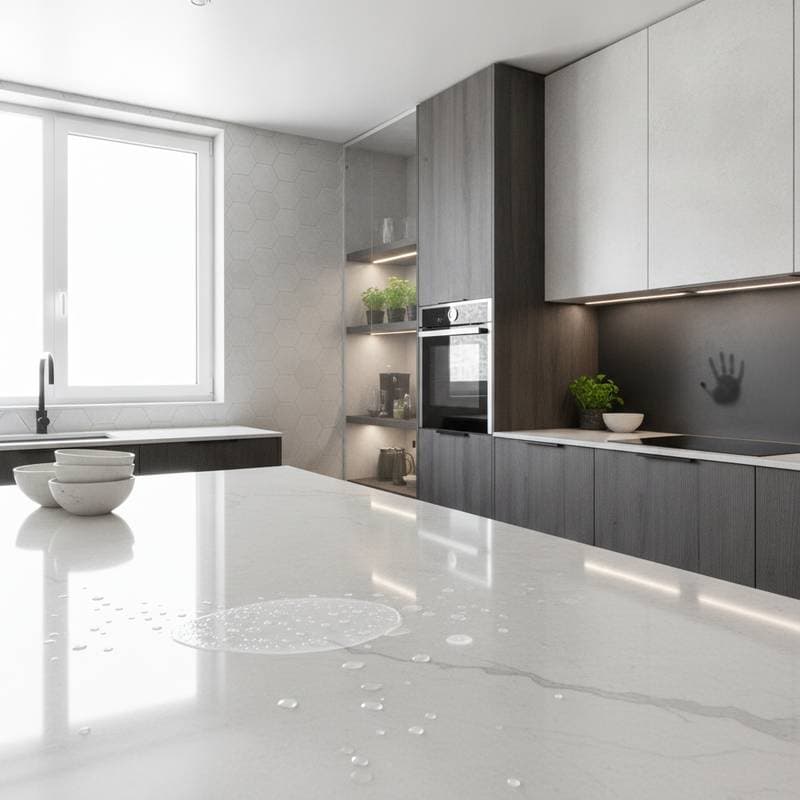
- Use it on counters and sinks to address grease and prevent drain odors.
- Treat pet areas thoroughly so both visible marks and scent markers are removed.
Enzyme laundry detergents also leave fabrics softer without added fragrance.
Practical Considerations
Enzyme cleaners require dwell time to complete their work, so they are not suited for rushed sessions. They cost more per ounce than bleach in small containers, yet concentrated versions stretch further. Storage in moderate temperatures preserves effectiveness for several months.
Adjusting Cleaning Habits for Long Term Results
Start with one problem area, such as a pet corner or a bathroom floor, and maintain consistent use for one week. Track changes in surface condition and air quality. Many people find the routine becomes simpler once the initial transition is complete.