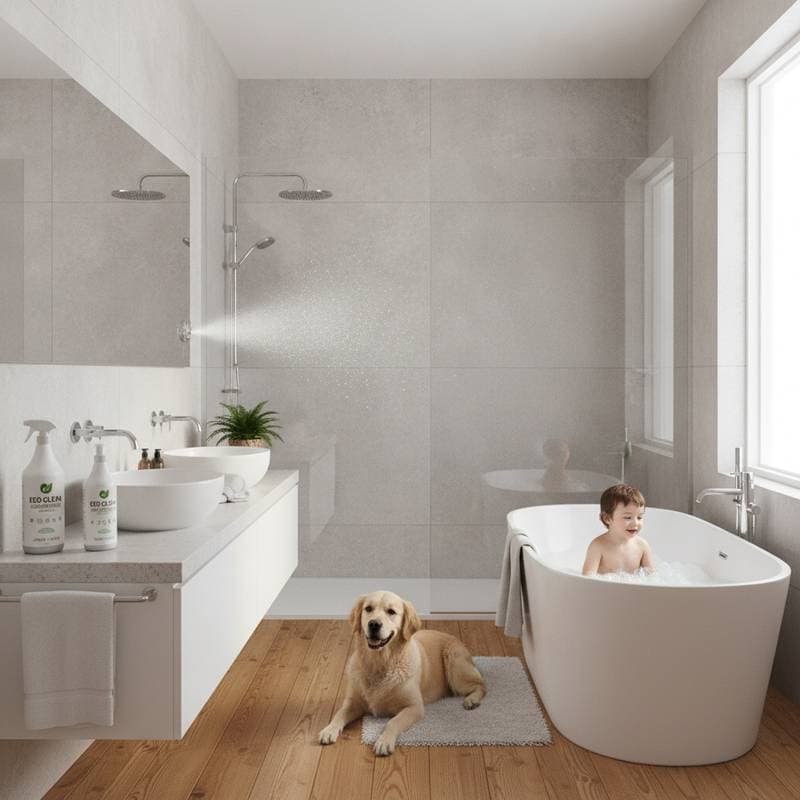
Transform Your Bathroom with Chemical-Free Steam Cleaning
A bathroom should provide a sense of calm and cleanliness. Many cleaning routines rely on strong chemical products that leave residues and strong odors. Steam cleaning offers a different approach that uses only water heated to high temperatures.
Core Advantages
- Steam cleaning converts plain water into vapor that reaches high temperatures to eliminate bacteria and break down oils on surfaces.
- The absence of added chemicals reduces risks for children, pets, and individuals sensitive to scents or airborne irritants.
- Pressurized steam reaches into grout lines and textured areas where brushes often fall short.
- The same device handles tiles, glass, fixtures, and fabric items without requiring multiple specialized products.
- Reusable cloths replace single-use wipes, which lowers ongoing costs and reduces packaging waste.
Limitations of Traditional Methods
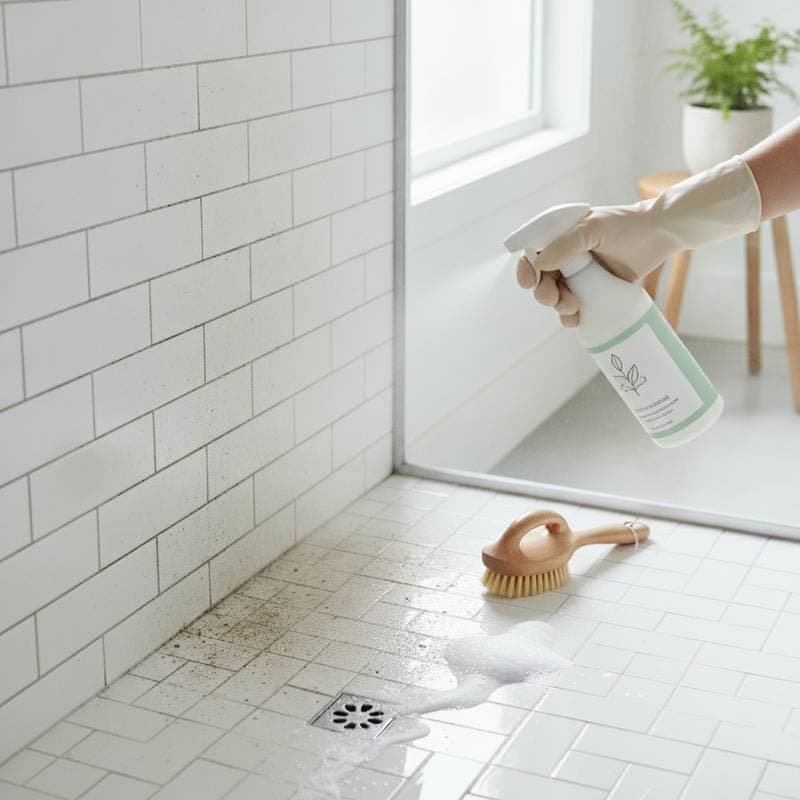
Standard bathroom cleaning often begins with pulling multiple bottles from under the sink. The process releases sharp fumes that irritate eyes and airways. Results frequently fade quickly because chemical residues attract new film.
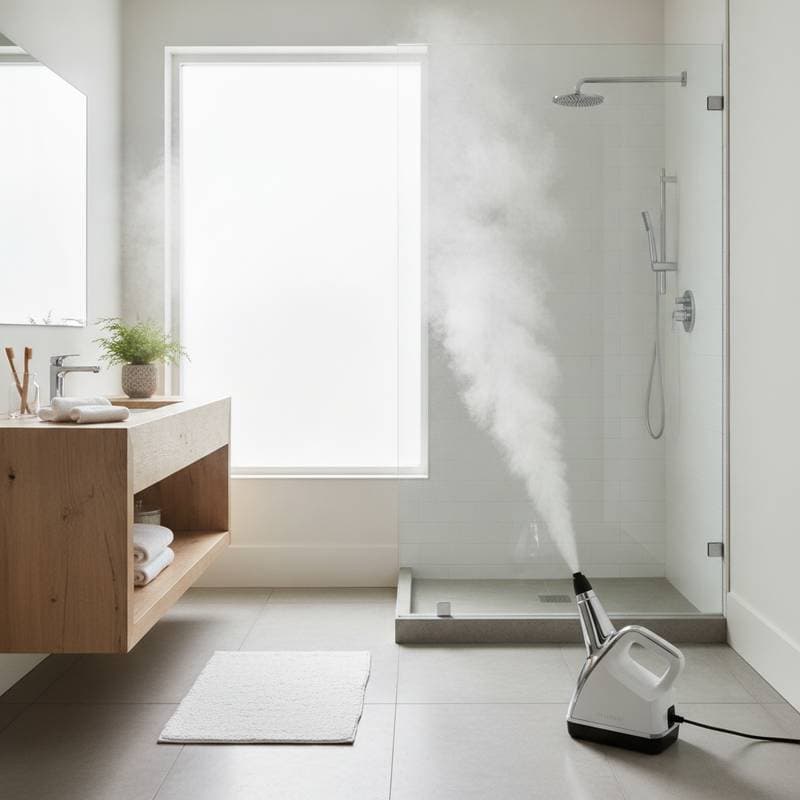
Steam cleaning replaces that sequence with one appliance. Filling the tank with water and waiting for heat produces a directed stream of vapor. No protective gloves or ventilation fans become necessary during use.
How Heat Achieves Sanitation
Water heated past the boiling point turns into pressurized vapor. This vapor loosens mineral deposits and dissolves soap films on contact. The temperature alone disrupts cell structures of many common bacteria without leaving films behind.
Grout benefits especially because its porous structure traps particles. Steam enters those pores and lifts embedded material that scrubbing alone cannot reach. Mirrors and shower doors lose water spots and fingerprints after a brief pass followed by a dry cloth.
Suitable Surfaces and Techniques
Apply steam to tile walls, floors, and countertops with a slow, steady motion. Use a brush attachment on persistent soap scum around drains and faucets. Wipe each area with a microfiber cloth immediately after steaming to capture loosened debris and prevent water spots.
Shower curtains and bath mats respond well to a light steam treatment that neutralizes odors. Floors cleaned with a steam mop dry faster than those washed with liquid solutions, which reduces slip hazards during the process.
Sustainability Considerations
Steam cleaning lowers the volume of plastic containers purchased over time. Manufacturing and shipping those containers carry their own energy costs that steam avoids. Household air quality improves because no volatile compounds enter the space during cleaning.
Professional and Home Applications
Commercial settings have relied on steam units for years to meet strict sanitation standards. Home models now provide comparable performance at smaller scales. Surfaces maintain their original sealants and finishes longer when harsh abrasives are avoided.
Starting the Process
Select a steamer sized for the intended tasks and fill the reservoir with clean water. Allow full heating before use. Remove loose debris first so the vapor contacts the actual surface. Work methodically across one section at a time and finish with drying.
Observed Household Outcomes
Users report that bathrooms retain clarity on glass surfaces for longer periods. Families managing respiratory sensitivities notice fewer triggers during weekly cleaning. Pets remain unaffected because no residue settles on floors or mats.
Extending the Practice
The same steamer handles kitchen counters, upholstery seams, and entryway tile. Weekly sessions on high-use areas keep buildup from returning and maintain consistent results across rooms.
Sustaining Results Over Time
Schedule brief steam sessions on a fixed day each week. Focus first on mirrors and grout, then expand to additional surfaces as comfort grows. Consistent application preserves material condition while keeping the space hygienic without added products.