Flowering Plants That Add Visual Calm
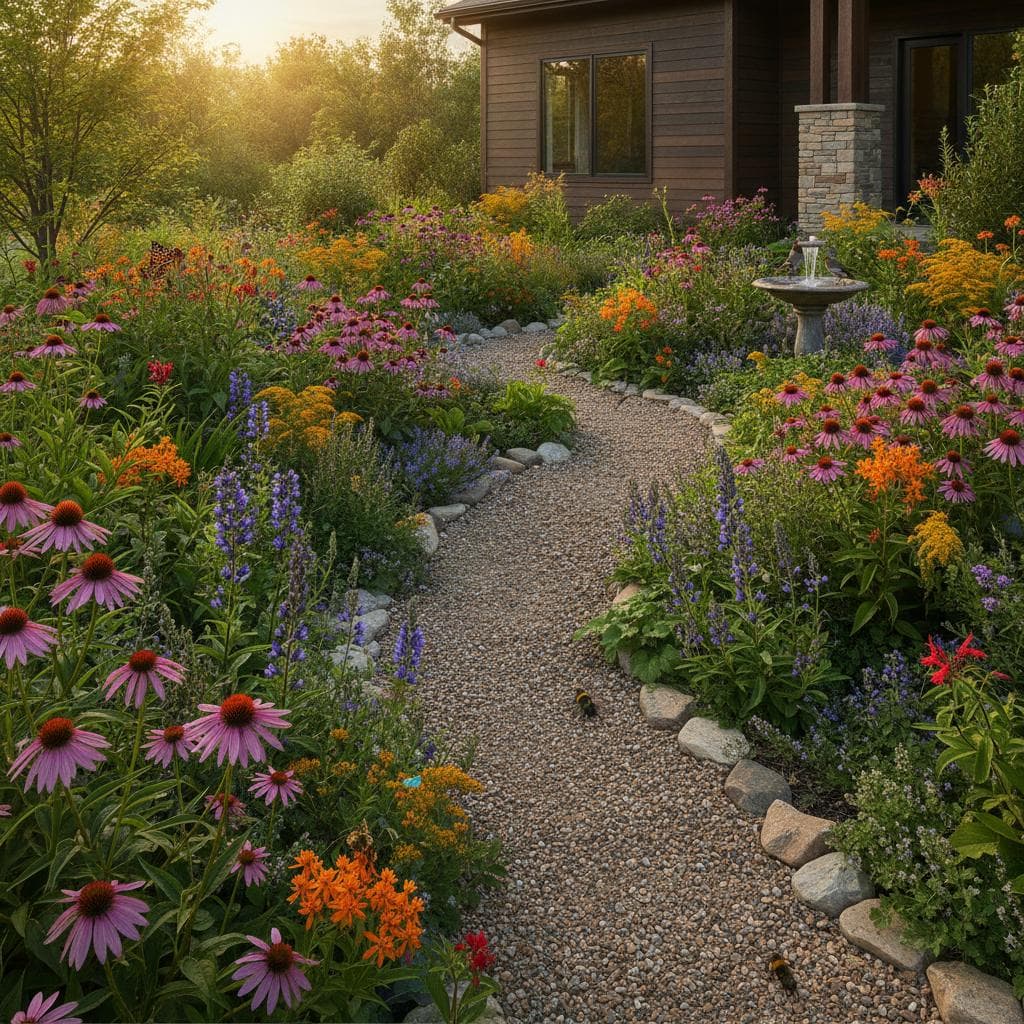
Flowering plants contribute emotional tranquility even when they are not the strongest sound absorbers. Their colors and scents change how people perceive noise and help create a calmer atmosphere in busy environments.
- Lavender releases a fragrance that lowers stress levels while its soft texture breaks up noise reflections.
- Hydrangea produces big blooms and dense leaves that create both visual and acoustic softness.
- Shrub roses develop thick foliage and layered growth that prove effective in mixed borders.
- Coneflowers and black-eyed Susans attract pollinators, add cheerful color, and contribute to sound diffusion.
Designing a Garden That Controls Sound
Plant choice matters, yet layout determines effectiveness. Consider the yard as a series of sound zones. Identify where noise originates and where time is spent most often. These answers guide strategic placement rather than random planting.
Build Layers Like a Natural Wall
Combine Fences and Walls with Plants
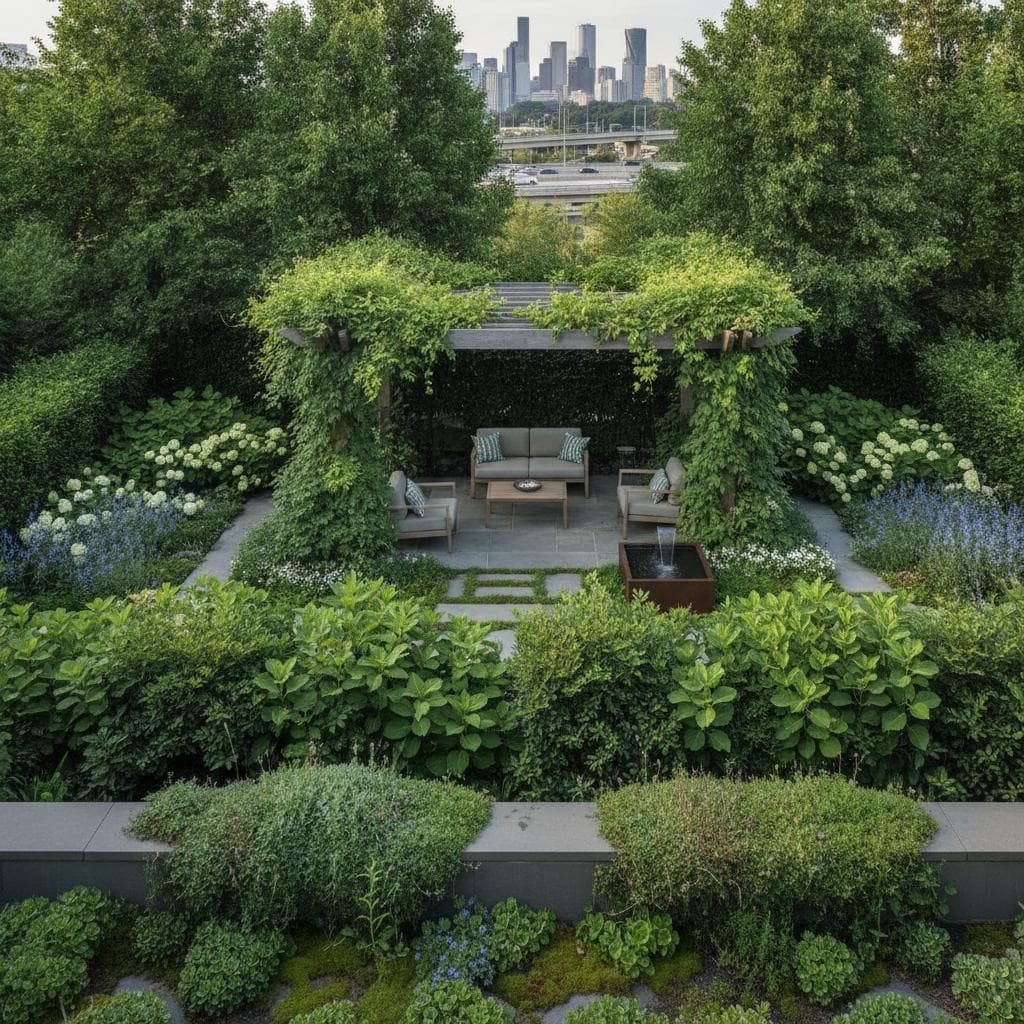
Plants perform best alongside physical barriers. A wooden fence lined with evergreen shrubs or climbing vines absorbs sound more effectively than either element alone. Pair a cedar fence with viburnum or cover a trellis with clematis to gain both beauty and function.
Frame Listening Areas
Position plants to frame a patio, fire pit, or seating area. Place taller shrubs or potted bamboo behind seating and locate softer plants near the edges. This arrangement produces a cocoon effect that absorbs sound and softens the visual setting.
Introduce Water Features
A small fountain or bubbling feature supplies gentle background noise that masks harsher sounds. Maintain balance so the water soothes without overpowering the space.
Budget-Friendly Starting Steps
A full re-landscape is not required to reduce noise. Begin with small actions and expand over time.
- Use container gardens when space is limited or renting. Tall potted bamboo or small evergreens buffer noise on balconies and patios.
- Purchase smaller plants and allow them to mature. A young hedge fills in over a couple of seasons at lower cost.
- Apply mulch generously. It absorbs sound while retaining soil moisture and maintaining tidiness.
- Add climbing vines to existing fences or pergolas for immediate acoustic improvement.
Maintenance Practices for Continued Performance
A green sound barrier functions only when plants remain healthy and dense. Thin or diseased plants lose effectiveness.
- Prune to keep plants full rather than leggy. Light trimming promotes branching and thicker foliage.
- Supply regular nutrients. Rich soil supports strong growth that withstands weather and maintains density.
- Water deeply, especially for trees and shrubs. Deep watering strengthens roots and keeps leaves vibrant.
- Fill gaps promptly when a plant dies or thins. Consistent coverage preserves acoustic performance.
Observing Changes in Your Outdoor Space
As the garden matures, subtle shifts appear in how the space feels. Traffic hum fades and is replaced by rustling leaves and returning birds. Perception of noise changes when filtered through layered foliage, turning sound into a gentler presence.
Planting Your First Sound Barrier
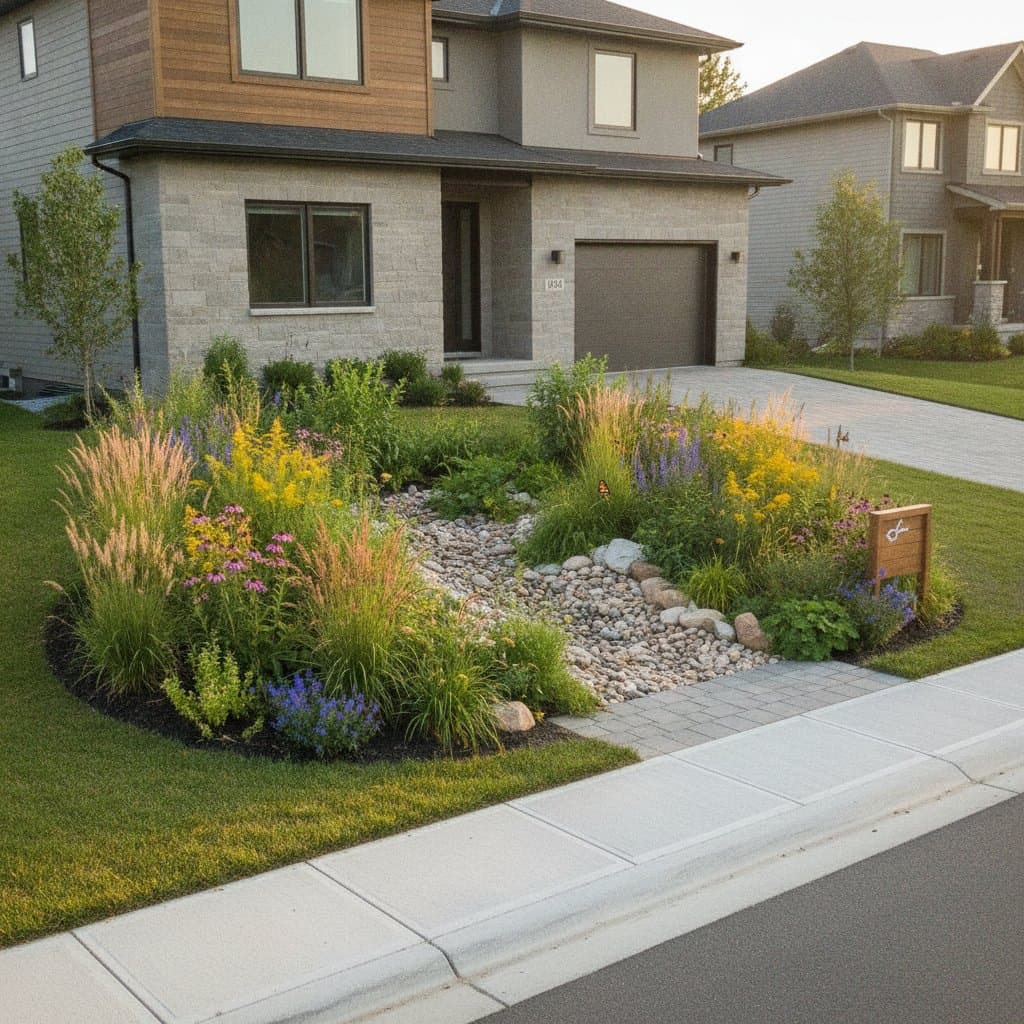
Identify the noisiest side of the property and focus planting there. Layer choices, mix textures, and test small combinations such as a cypress row with lavender pots near seating. Add grasses for movement and hydrangeas for softness. The right plants create the desired level of calm whether the goal is to reduce street noise or improve a morning seating area.