Transform Small Yards with DIY Vertical Walls
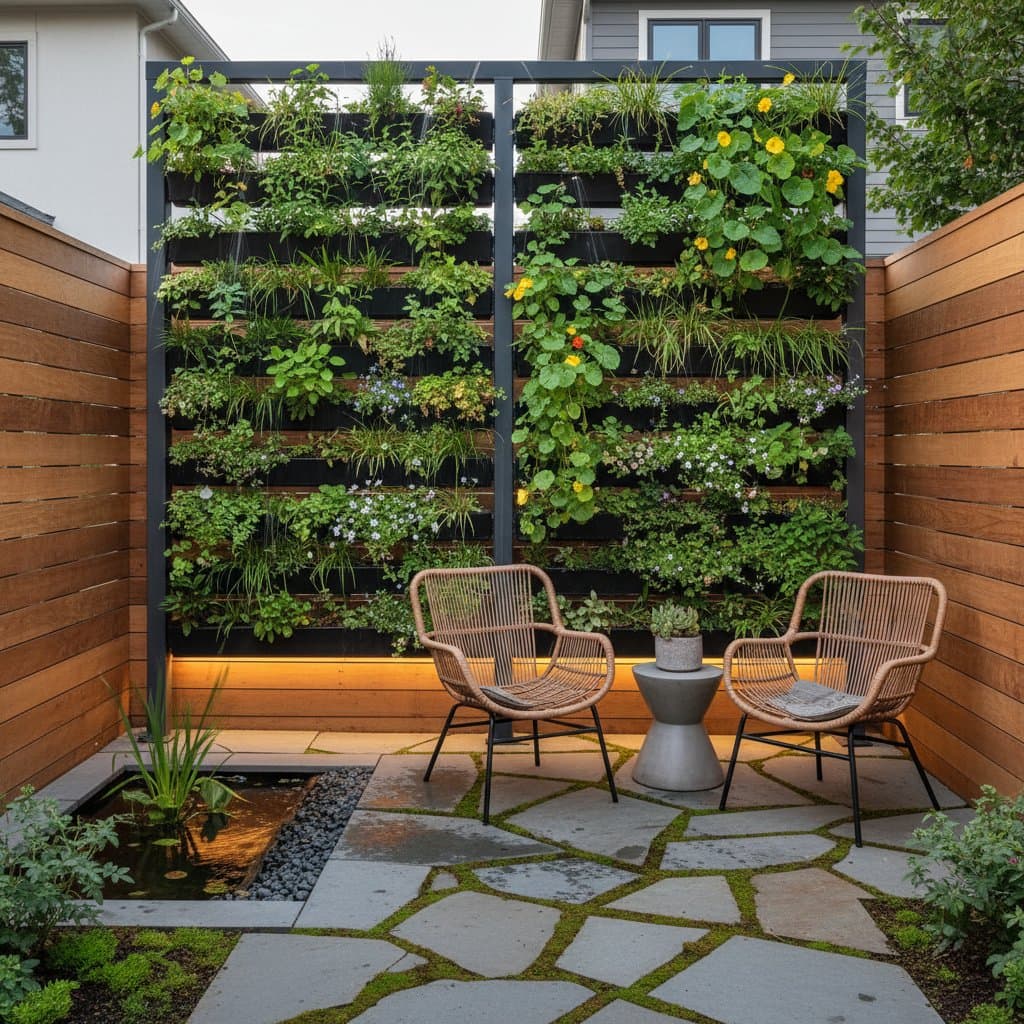
Even the tiniest yard can feel lush and inviting when you take your garden upward. If your outdoor space is short on square footage but big on potential, a vertical garden wall might be the perfect solution. With a few smart materials and a weekend of effort, you create a living backdrop that brings color, texture, and privacy to your yard without sacrificing ground space.
Why Vertical Walls Work So Well in Small Yards
Small outdoor areas often feel cluttered because everything happens at the same eye level. Vertical walls change that by drawing the gaze upward. They make spaces feel larger and more layered while freeing up room for seating, storage, and movement.
Designer Mia Ortega from Greenline Studio explains, "Going vertical gives you the same sense of abundance as a full garden bed, but it lets you keep your patio or walkway open and usable." Whether you work with a narrow side yard or a compact balcony, this approach helps you use every inch efficiently.
Choose the Right Structure for Your Space
- Freestanding panels: Great for renters or anyone avoiding permanent construction. Use a lattice or metal grid attached to a planter base for easy relocation.
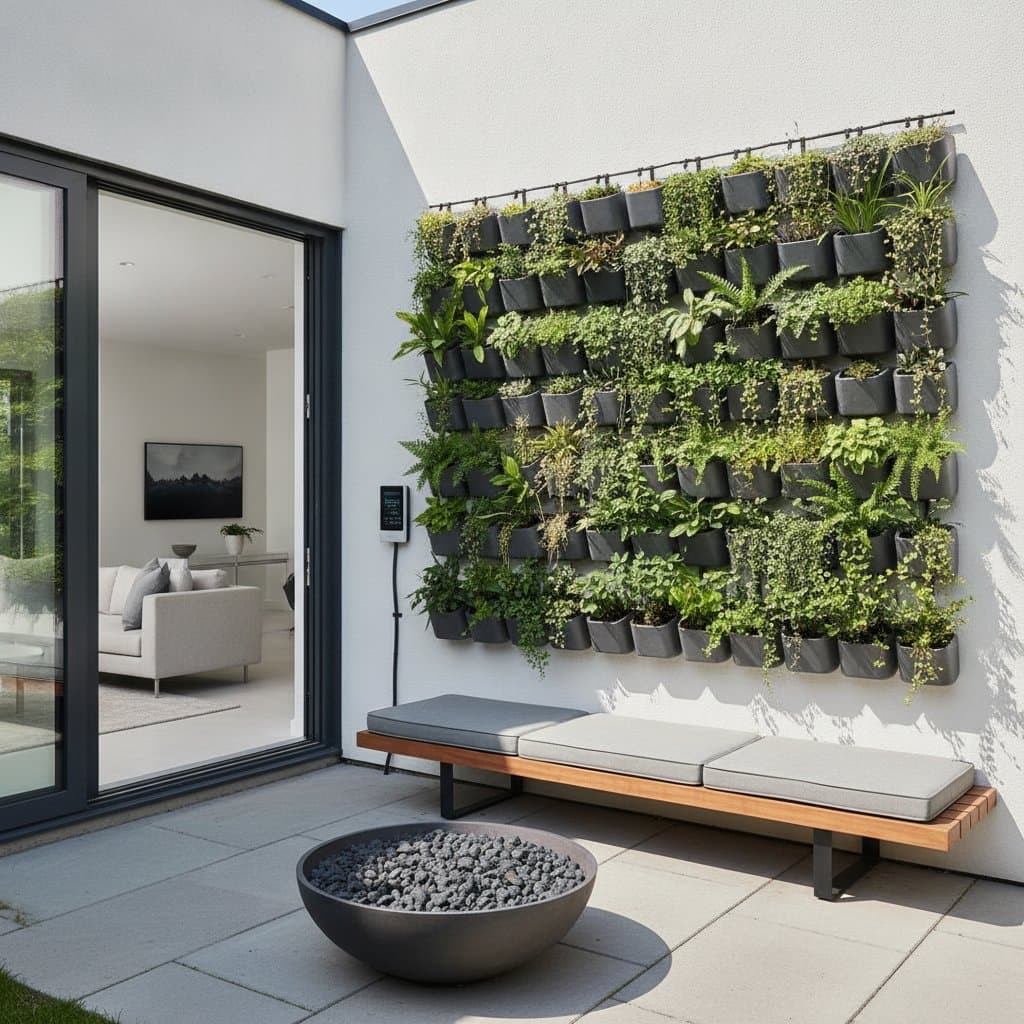
- Mounted planters: Ideal for homeowners. Secure modular pockets, shelves, or troughs directly to a fence or wall.
- Recycled materials: Wooden pallets, old shutters, or repurposed bookshelves can become charming vertical gardens with minimal cost.
In most cases, you want a structure that can handle both the weight of soil and regular watering. If you are unsure, designer Carlos Nguyen of Studio Verde recommends testing your setup with empty planters first. "It is better to confirm the wall can handle the load before adding soil or plants," he says.
Pick Plants That Thrive Vertically
The most successful vertical gardens rely on plants that grow well in tight quarters. Consider compact herbs, trailing vines, or succulents that do not mind a little neglect. Some easy favorites include:
- Herbs: Basil, thyme, oregano, and mint
- Flowers: Petunias, nasturtiums, and pansies
- Greens: Lettuce, spinach, and kale
- Low-water options: Sedum, echeveria, and string of pearls
When grouping plants, pair varieties with similar sunlight and watering needs. You save time on maintenance and help each plant flourish. For shady yards, choose ferns and ivy. For sunny patios, select drought-tolerant options that handle heat well.
Focus on Practical Watering and Drainage
Watering is one of the trickiest parts of vertical gardening. Gravity means moisture drains quickly, leaving some plants thirsty and others overwatered. To balance this, start with lightweight potting mix that includes perlite or coco coir. It holds moisture without becoming soggy.
If your system does not have built-in irrigation, create a simple one yourself. Use a drip line or small soaker hose running along the top row of plants so water trickles down evenly. Place trays or gravel below the lowest planters to catch runoff and protect surfaces from staining.
Add Personality with Materials and Color
Your vertical wall should reflect your style just like any other part of your home. Paint or stain the background structure to coordinate with your exterior. Use varied planter shapes or finishes to add texture and depth. For a cohesive look, repeat one accent color throughout, such as black metal frames or terracotta pots.
Designer Harlow Finch suggests mixing materials for personality. "Try pairing galvanized tubs with woven baskets or ceramic pots. The mix keeps the wall from feeling too uniform and adds instant visual interest," she says.
Create a Sense of Privacy and Calm
Vertical gardens also make effective privacy screens. If your yard feels exposed to neighbors, plant dense greenery like bamboo or philodendron along the outer edge. Even a few rows of cascading vines can soften views and muffle sound.
For extra ambiance, weave string lights or mount small outdoor lanterns into the design. The combination of greenery and gentle lighting creates a cozy retreat that feels secluded even in an urban setting.
Keep Maintenance Simple and Sustainable
Vertical gardens look best when they are healthy, so plan for easy upkeep. Choose materials that resist rot and rust, and make sure each planter is easy to remove for cleaning or replanting. Fertilize lightly every few weeks, and trim back overgrown sections to maintain airflow.
If you are short on time, focus on perennials or hardy succulents. They require less attention and keep your wall vibrant across seasons. A quick check once a week for dry soil or fading leaves is usually all it takes.
Living with Your Design
Once your vertical wall is in place, you see how much it transforms the way you use your outdoor space. It can turn a plain fence into a living piece of art or transform a small patio into an urban oasis.
Every adjustment, from swapping plants to changing planters, adds personality and life. Your yard might be small, but with a vertical wall, it can feel endlessly full of possibilities.