Why Invisible Walls Transform Small Homes Effortlessly
I admit it. For years, I treated the wall between my kitchen and living room like an enemy line. On one side, a chaotic cooking zone held pots stacked in cabinets that never quite shut. On the other, a narrow living space always felt smaller than it appeared on the floor plan. Every time I carried a tray of snacks to the sofa, I wondered if knocking down that wall would magically make my Staten Island home feel bigger. The solution proved simpler: I did not need to pick up a sledgehammer to find more space. Designers call these solutions invisible walls.
Invisible walls are not magic, although they feel that way when you live with them. They represent clever design elements that define areas, store belongings, and create flexibility without closing off light or air. They make small spaces feel open, organized, and calm. After years of writing about home design for a living, I can honestly say these subtle dividers might be the best-kept secret in small-home living.
The Day I Realized My Walls Were Wasting Space
What Makes a Wall Invisible
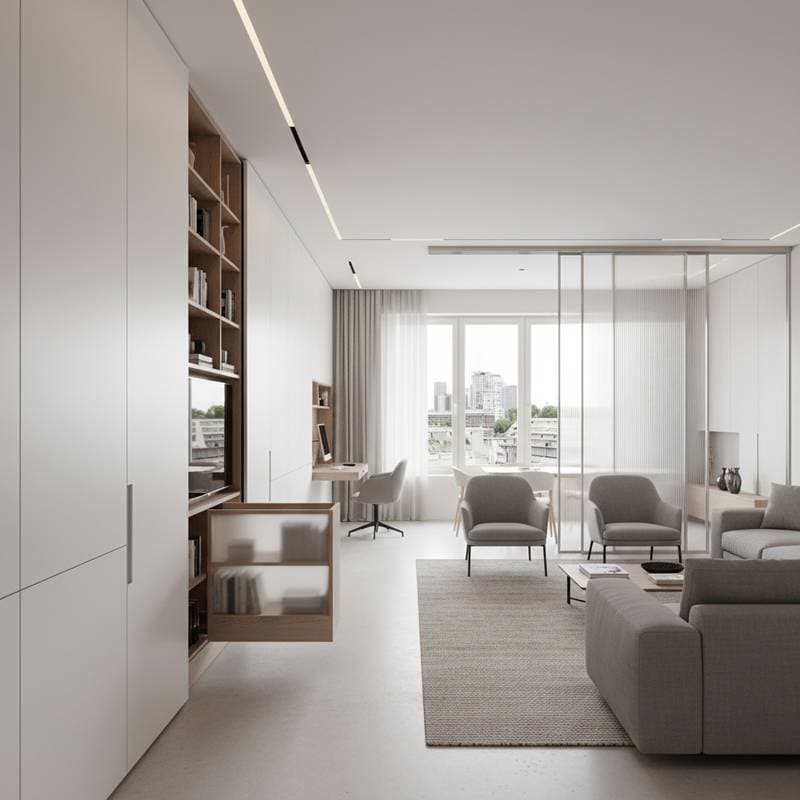
An invisible wall does not disappear entirely. It simply blends into your space so seamlessly that you stop noticing it as a barrier. Sometimes it takes the form of a floor-to-ceiling bookshelf that doubles as a partition. Other times, it appears as a sliding glass panel that defines zones without blocking light. I have also seen versions that contain built-in desks, fold-out tables, or Murphy beds.
The common thread is flexibility. Invisible walls allow you to separate living zones while keeping the overall space open and airy. They create boundaries without the heaviness of solid construction. For renters like me, modular systems offer even greater appeal, since they can be installed without major renovation and removed when you move out.
The Quiet Genius of Hidden Storage
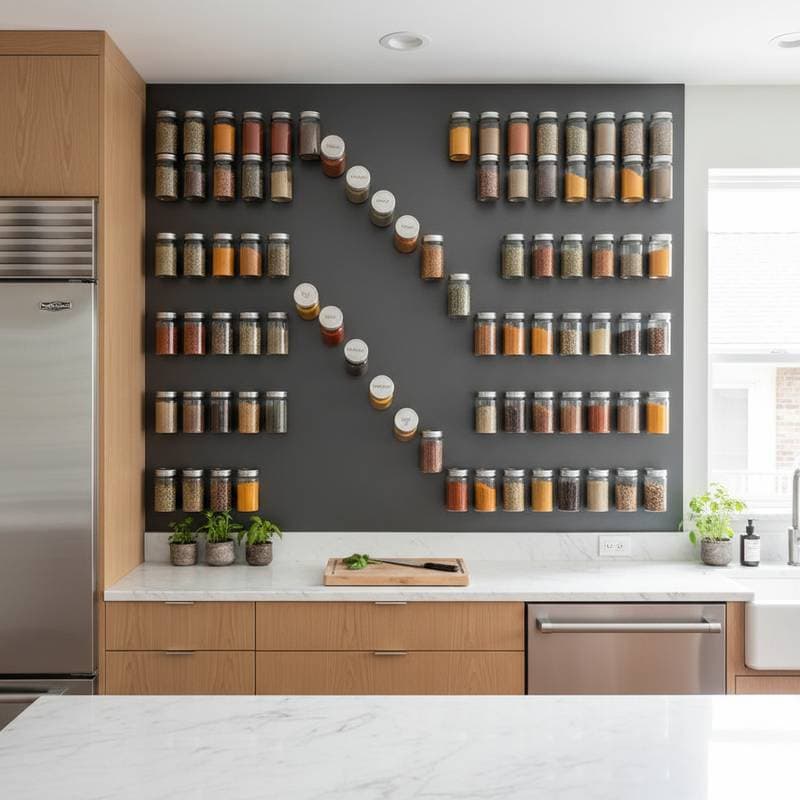
Invisible walls often hide more than structural divisions. They can store, conceal, and organize the clutter that makes small homes feel smaller. When I first added a shallow cabinet system behind my sofa wall, it served mostly as an experiment. I figured if I could stash a few board games and my dog is endless leash collection, it would be a win.
What I did not expect was the mental calm that came from having a place to put everything without adding furniture. Suddenly, my living room looked bigger. The wall had not physically moved, but it felt lighter. I could breathe again.
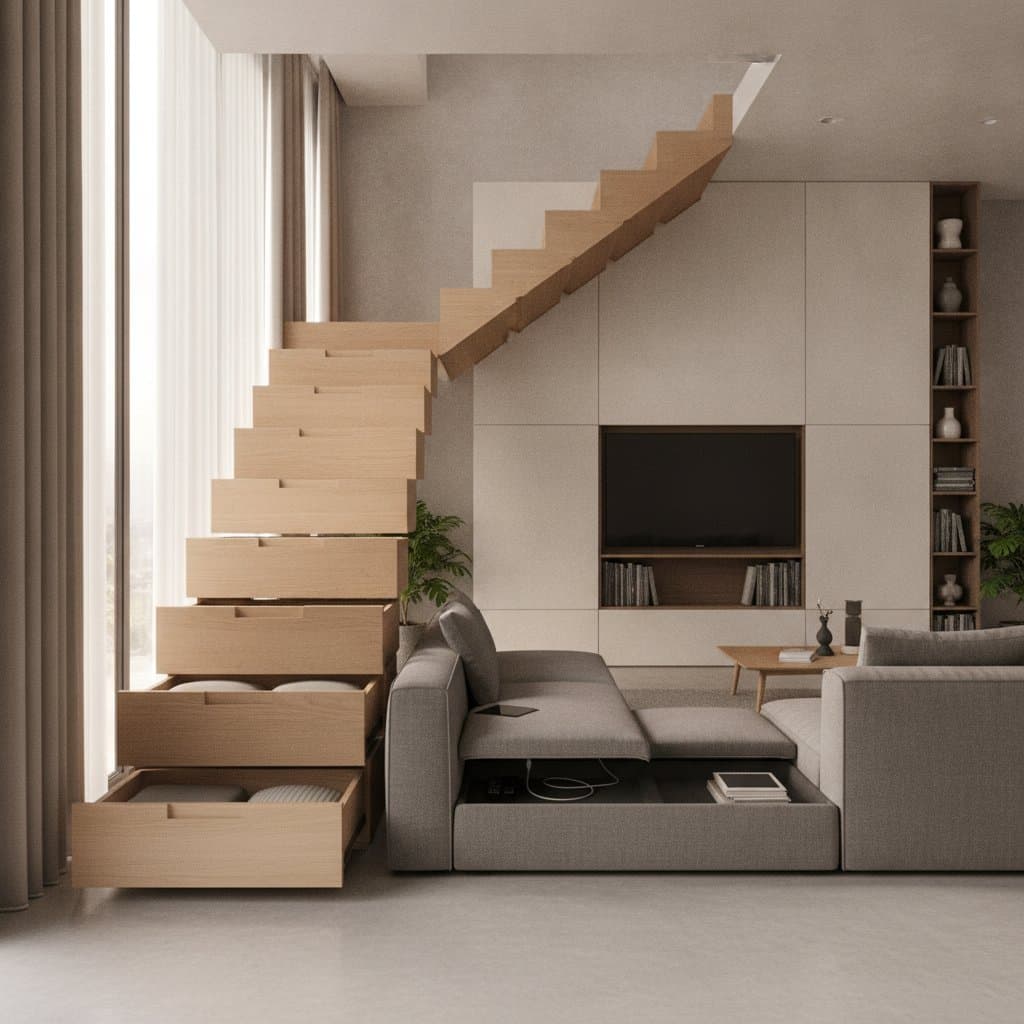
Hidden storage works because it blends function with form. A wall that looks clean and minimal can secretly hold cleaning supplies, seasonal decor, or even a fold-out ironing board. The best systems use every inch intelligently. For instance:
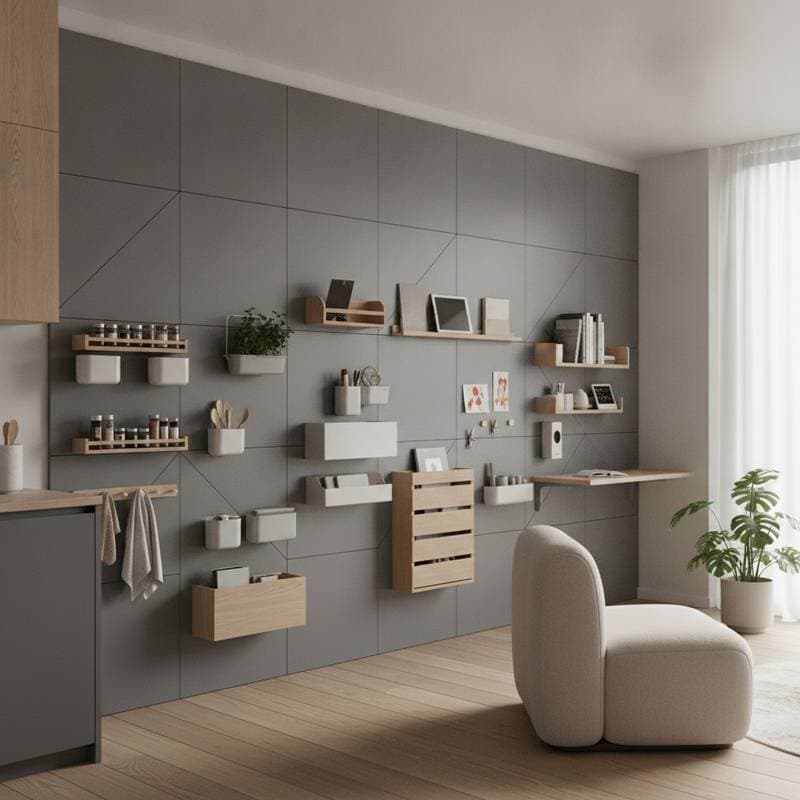
- Recessed shelving between studs creates display space without protruding into the room.
- Flip-down desks built into walls turn a corner into a workspace that vanishes when not in use.
- Sliding panels hide electronics, cords, or even litter boxes (a lifesaver if you share your home with pets).
- Pivoting partitions can divide a room when guests visit, then fold away when you want openness.
The goal is not to live in a high-tech movie set. It is to make your space work harder for you without feeling crowded.
Living With Invisible Walls
After installing my first hidden-storage wall, I started noticing how it changed my habits. I tidied more often because everything had a home. I rearranged furniture with less anxiety because I no longer relied on bulky pieces to define zones. My husband even admitted he liked how much easier it was to keep clutter off the counters.
That is the thing about invisible walls: they do not just make a room prettier. They change the way you live in it. When you can close a panel or slide a partition, you control how open or private your environment feels. It is a subtle psychological shift that makes small living feel more intentional.
For anyone working from home, this approach proves especially helpful. A movable divider or built-in wall desk creates a workspace that feels separate, even in a studio apartment. When the day ends, you can literally close the wall and reclaim your living area. It is like hitting a reset button for your brain.
The Modular Advantage
If you think invisible walls sound expensive, I understand the hesitation. I used to associate them with high-end architecture or luxury condos. However, modular storage systems have made these ideas accessible to everyday homeowners and renters.
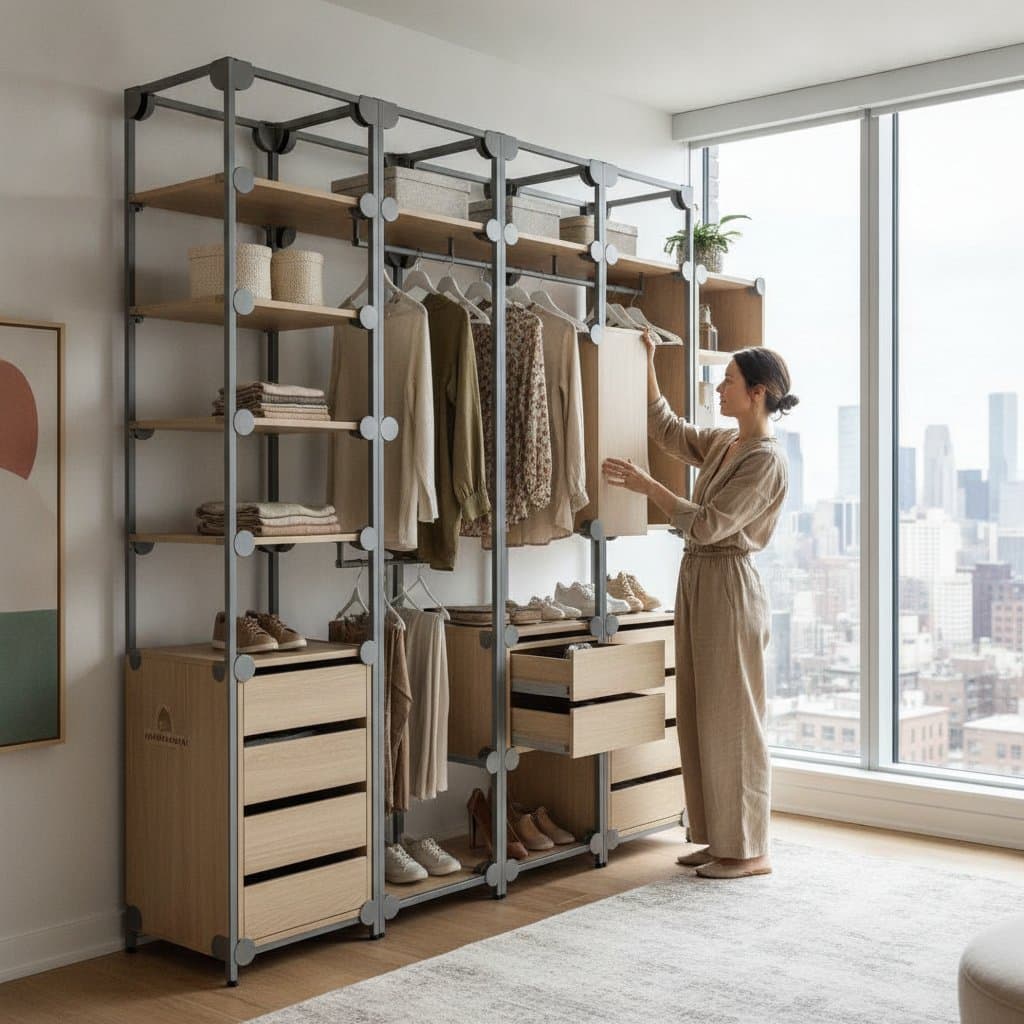
Many companies now offer customizable panels and shelving that can be adapted to fit your existing walls. You can start small with a single recessed cabinet, then expand as your needs change. I have even seen renters use peel-and-stick panels that mimic the look of built-ins without permanent installation.
The beauty of modular design lies in its adaptability. As your household grows, your walls can evolve. Add more shelves, integrate lighting, or convert a dividing panel into a media wall. You are not locked into one layout, and that flexibility makes small spaces far more livable.
Making It Happen in Your Own Home
If you are curious about trying invisible walls, start by identifying the most cluttered or underutilized area of your home. In my case, it was a narrow hallway that felt useless except for collecting shoes. I replaced a section of drywall with a shallow built-in cabinet painted the same color as the wall. The change was subtle but transformative.
Here is what I learned through trial and error:
- Measure before you dream. Know your wall depth and plan for electrical or plumbing lines.
- Start with one feature. A single hidden cabinet can make a big difference.
- Match materials. Paint or laminate the front to blend with adjacent walls.
- Think vertical. Use full height to gain storage without taking floor space.
- Stay realistic. Not every wall can hide a secret compartment. Focus on areas that make sense structurally.
Reclaiming Space Through Smart Design Choices
Invisible walls offer a practical path to larger-feeling homes without costly renovations. They integrate storage and division seamlessly, enhancing daily life in compact environments. By adopting these elements, you gain control over your space, fostering organization and tranquility that lasts.