Magnetic Modular Furniture Adapts Perfectly to Tiny Homes
Picture this scene. A cozy studio receives soft morning light through its single window. The bed folds into the wall to reveal a desk that also serves as a dining table. Shelves slide and connect like puzzle pieces to create storage in previously empty corners. This arrangement exists today through magnetic modular furniture, a system that changes how residents use limited square footage.
Tiny homes and micro apartments require every object to perform more than one role. Magnetic modular systems meet this demand with clean engineering and simple forms. Residents rearrange components by hand, without tools, to match shifting daily needs.
How Magnetic Connections Enable Quick Changes
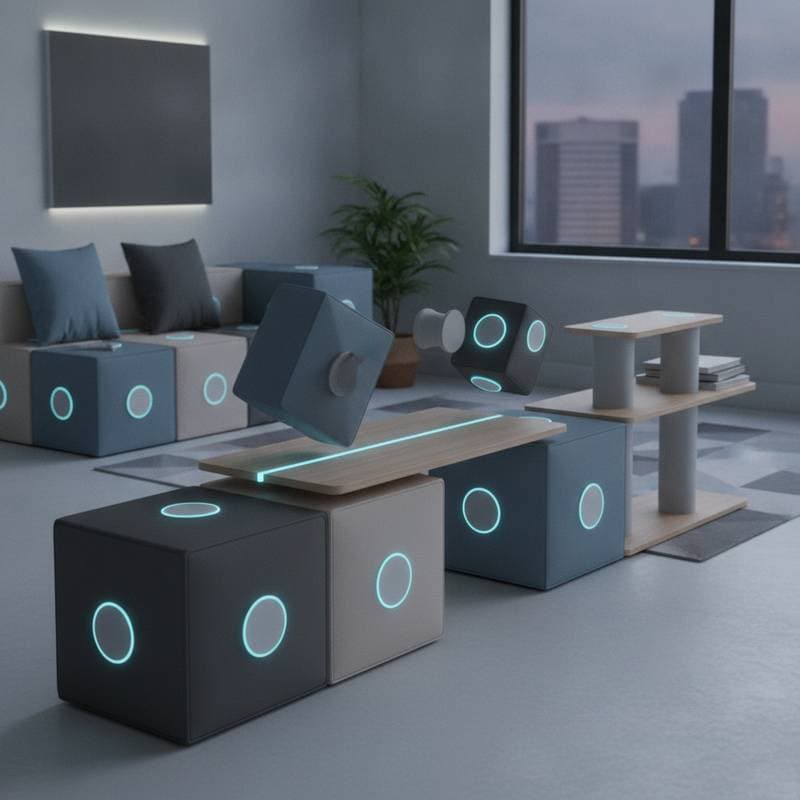
Embedded magnets sit inside each panel, leg, and surface. These magnets grip firmly during use yet release with a light pull for reconfiguration. A user can assemble a coffee table in under a minute or turn a set of shelves into a partition with one motion.
Sustainable Materials That Support Smaller Footprints
Many systems use recycled wood, bamboo, or reclaimed metal finished with low-emission coatings. Individual parts can be swapped or refinished instead of replaced entirely. This approach extends product life and reduces waste, which aligns with the goals of minimal living.
Plant-based oils or water-based varnishes provide natural surface protection. These finishes limit indoor pollutants, an advantage in compact spaces where air circulates less freely. Residents gain both function and peace of mind from materials chosen for health and durability.
Furniture That Adjusts Across Life Stages
A studio may begin as a single-person retreat and later accommodate a partner or home office. Magnetic panels that once formed a sofa can become a guest bed or an expanded desk. Renters benefit most because the components pack flat and travel to the next address without loss of utility.
Practical Configurations for Daily Life
Users begin with a core set and add modules as space or budget allows. Common arrangements include the following:
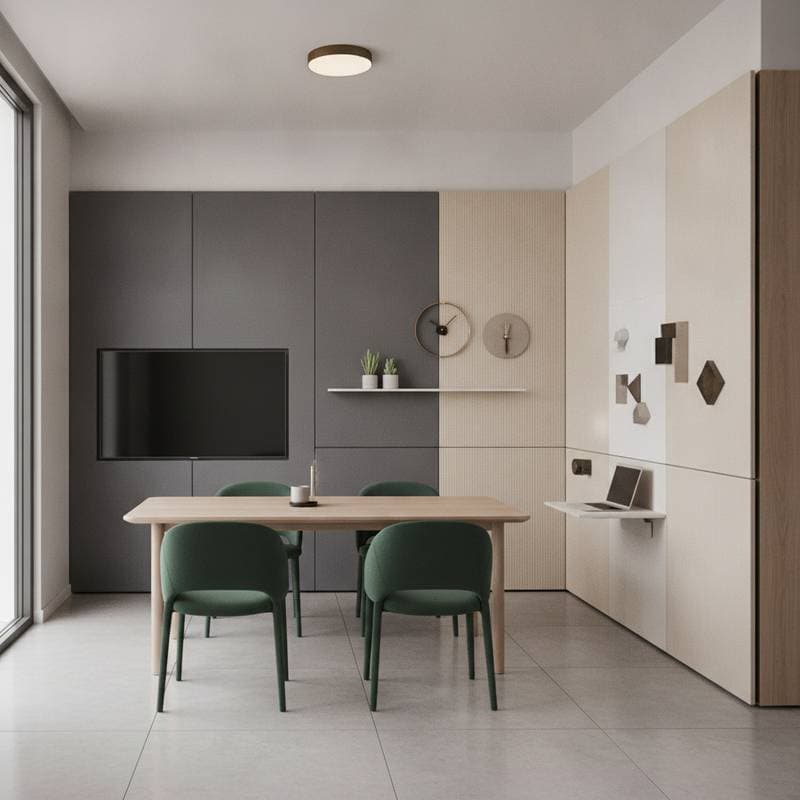
- Wall-mounted units that unfold into desks and fold flat into display panels.
- Sofa bases and cushions that rearrange into beds or larger seating groups.
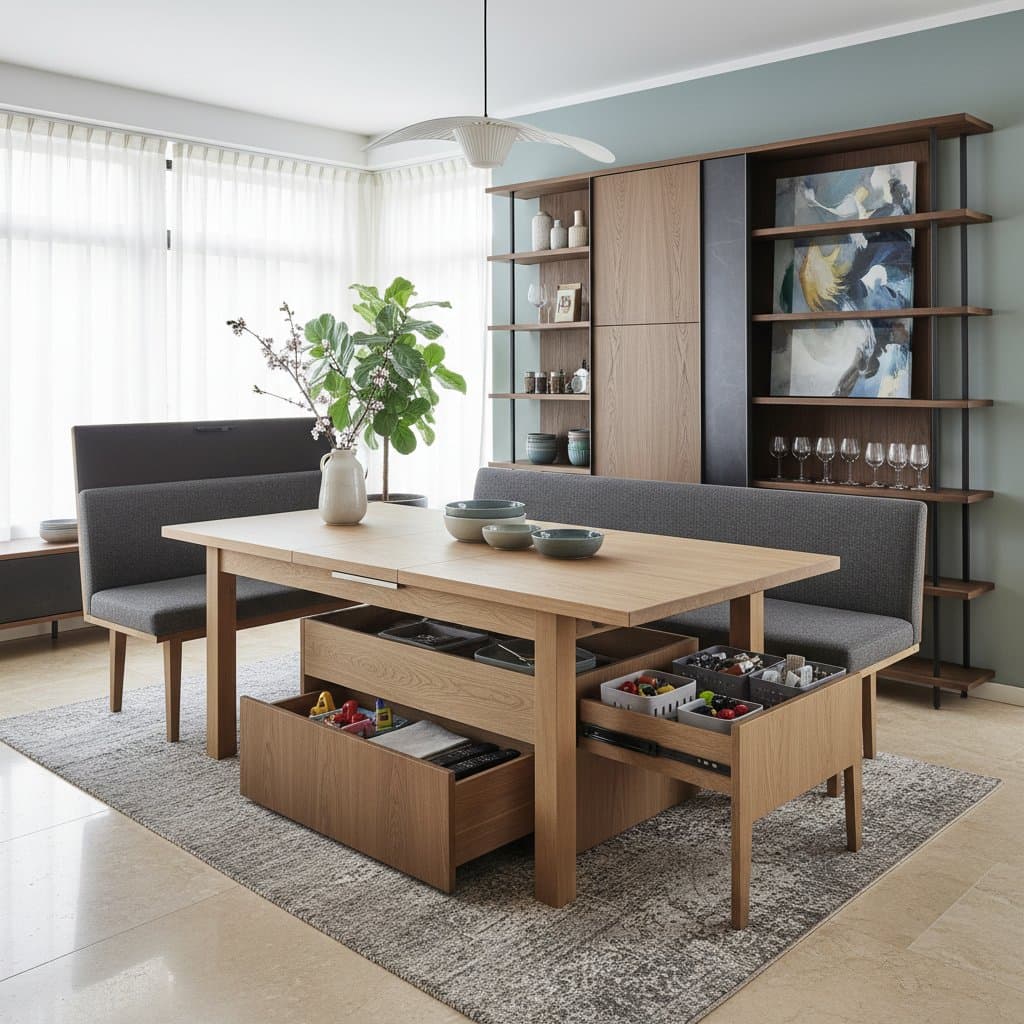
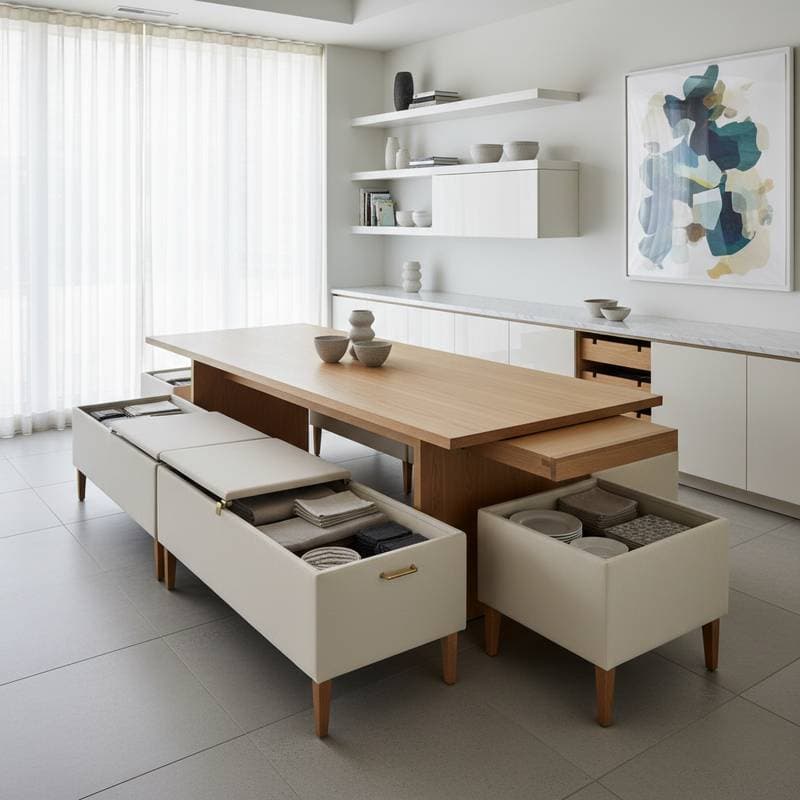
- Storage cubes that stack into benches, side tables, or open shelving.
- Island extensions that add prep surface or dining space in kitchens.
- Loft ladders that convert into vertical racks when not in use for climbing.
Each change invites experimentation. Residents discover layouts that match their routines rather than follow a preset plan.
Design Principles That Reduce Clutter
Magnetic modular furniture replaces several single-purpose items with adaptable components. Visual lines stay clean because hardware remains hidden. The interactive quality turns routine rearrangement into a creative exercise that keeps small rooms feeling open.
Steps to Introduce the System
Identify the main activities the room must support, such as work, rest, or storage. Acquire one or two starter pieces from makers that emphasize sustainable sourcing and non-toxic finishes. Test configurations over several days, then expand the set as patterns become clear. The result is a living space that evolves without major purchases or construction.