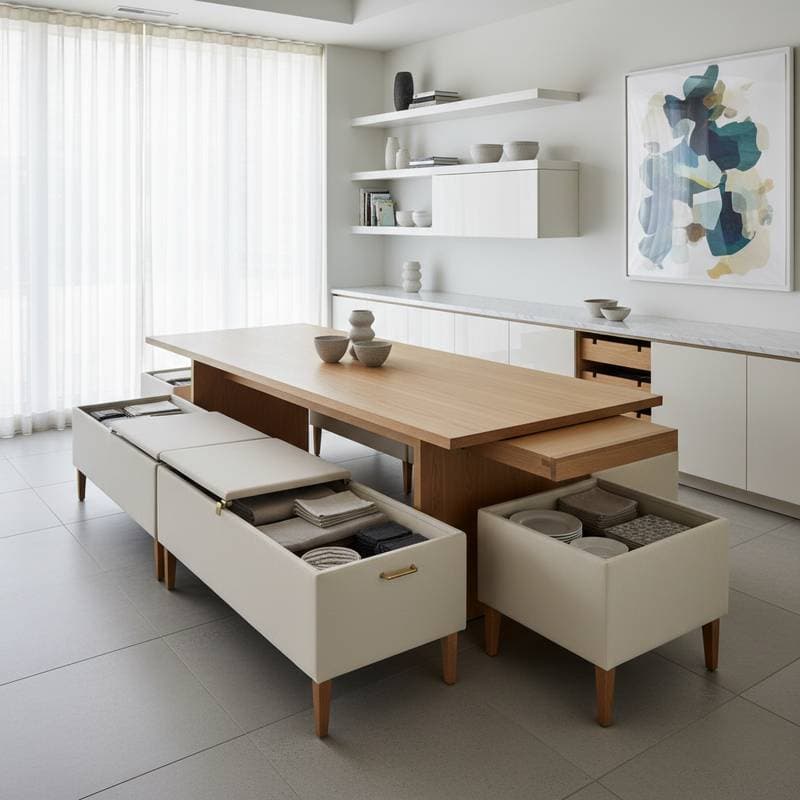
Magnetic Walls: Transform Dining Rooms in Seconds
Homeowners often desire a dining room that adapts seamlessly from family meals to productive workspaces or lively gathering spots without the hassle of moving heavy furniture. Many dismiss significant changes due to visions of disruptive renovations involving drywall dust, lingering paint odors, and costly professional labor. In reality, adaptable living spaces extend beyond corporate environments or luxury residences. Magnetic wall systems empower you to overhaul your dining room arrangement in mere minutes through magnetically attached panels, accessories, and furnishings.
The primary reason many do-it-yourself enthusiasts overlook magnetic walls lies in their perception as more conceptual than feasible. However, hands-on experience with these installations reveals them as highly practical enhancements for multipurpose rooms.
Understanding Magnetic Walls
- Magnetic Receptive Panels: These incorporate a slim steel layer or iron powder composite that draws standard magnets. The surface attracts magnetic objects without generating its own field.
- Magnetized Panels: Embedded magnets within the panel provide stronger adhesion for substantial loads, though they command higher costs and demand meticulous placement.
For dining applications, receptive panels suffice admirably. They support the secure mounting of lightweight shelves, adjustable lights, or repositionable decor while upholding structural integrity.
Installation Realities
Magnetic wall installation demands precision rather than speed alone. Accurate measurements, thorough surface preparation, and precise panel alignment prove essential. Panels require a flat, level mounting to ensure uniform magnetic grip. Plan for a full day on an average wall if you possess basic carpentry skills.
Essential tools and materials include:
- A stud finder and spirit level
- A drill with appropriate screws for securing panels
- Metal shears or a circular saw equipped with a fine-tooth blade
- Joint compound and matching paint for seam finishing
- Safety equipment such as gloves, protective eyewear, and a dust mask
Individuals experienced with drywall work will find this project manageable. However, uneven walls or integrations involving electrical outlets necessitate professional assistance from an installer or electrician. Panels must align flush with the existing surface; any warping or framing irregularities may lead to future adhesion issues.
Step-by-Step DIY Installation Guide
-
Wall Preparation: Clear the area by removing artwork, outlet covers, and switch plates. Patch holes with filler, then sand to achieve a smooth profile. This step ensures optimal panel adhesion.
-
Stud Location and Marking: Secure panels to wall studs for stability. Use painter's tape or a pencil to indicate stud positions across the surface.
-
Panel Cutting: Double-check measurements prior to cutting. Employ metal shears for thin steel sheets or a circular saw for denser materials. Prioritize safety gear during metal fabrication.
-
Panel Mounting: Begin at a corner and affix the panel with screws driven into stud lines. Verify levelness after each installation. Follow system guidelines for edge overlaps or abutments.
-
Seam Finishing: Spread joint compound over joints to create a seamless appearance. After drying, sand gently and apply your selected decorative finish, such as paint or wallpaper.
-
Surface Testing: Prior to full use, apply various magnets and accessories at multiple points to verify consistent holding power across the installation.
Creating an Adaptable Dining Space
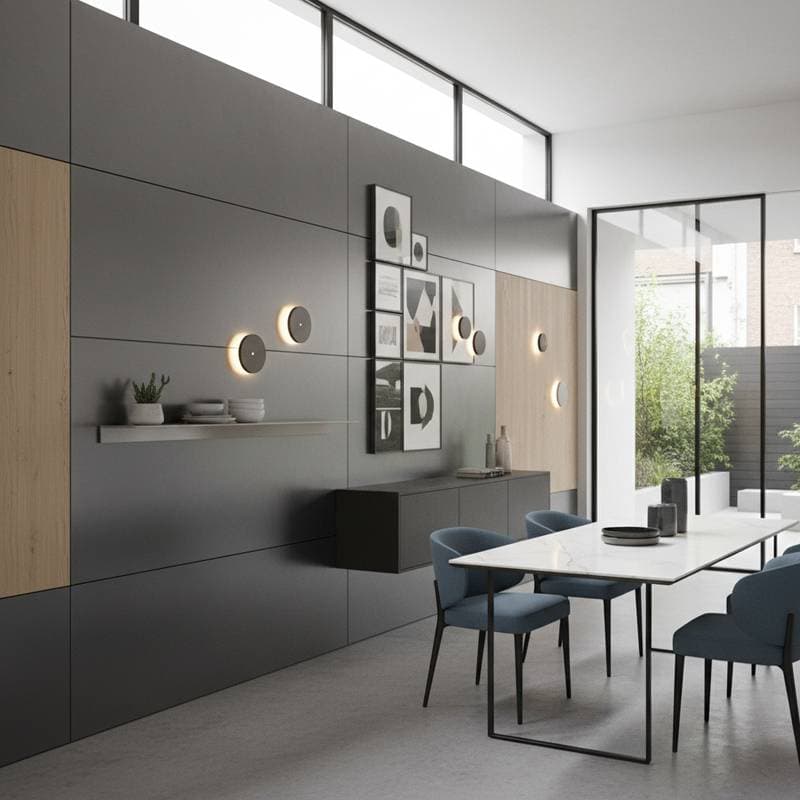
With the wall prepared, customization opportunities abound. Envision a dining area that transitions effortlessly from everyday meals to elegant soirées. Attach magnetic shelves to store wine glasses, display artwork, or position candleholders. For seasonal events, replace these with holiday motifs or personal mementos.
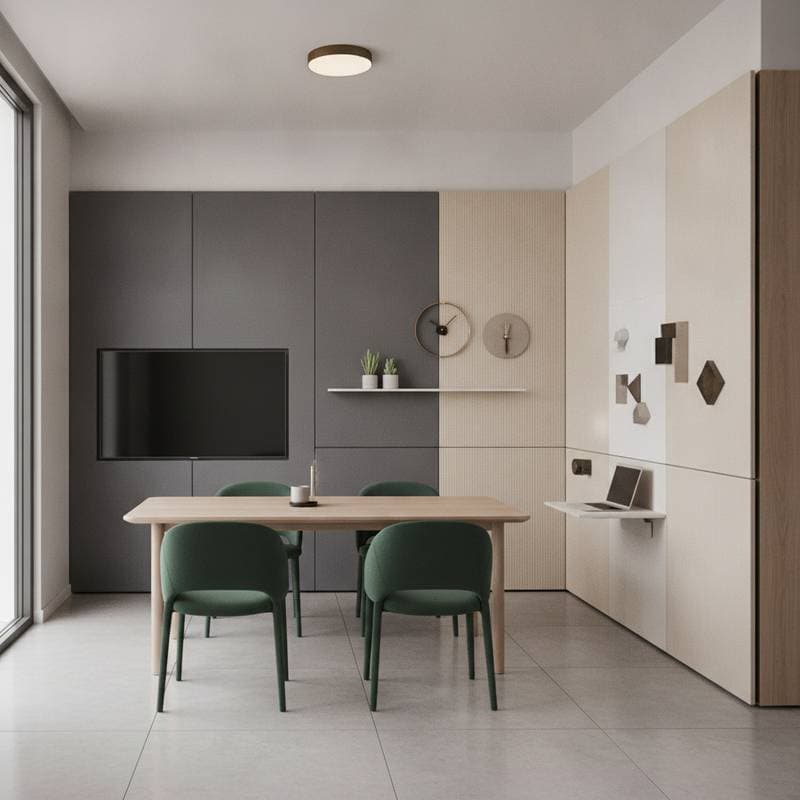
Many integrate magnetic tracks for lighting, enabling the relocation of pendant fixtures over the table sans electrical modifications. Others install foldable desks or serving trays that retract magnetically when idle.
Entertaining enthusiasts appreciate magnetic surfaces as impromptu menu boards or communication hubs. Families benefit from organizational tools like calendars, homework holders, or acoustic panels for sound management. True versatility stems from the inherent adaptability of the wall, free from fixed installations.
Addressing Common Challenges
- Inadequate Grip Strength: Slipping items signal mismatched magnet power. Opt for neodymium varieties or components engineered for steel substrates.
- Visible Seams in Finish: Persistent lines under paint require additional sanding and refined compound application. These systems amplify surface flaws compared to standard walls.
- Corrosion Development: Humidity may rust steel elements. Seal all edges and apply protective coatings in damp conditions.
- Finish Imperfections: Excessive paint layers cause bubbling. Apply thinly and permit full curing between applications.
Professional Intervention Scenarios
Engage experts for complex scenarios, such as walls with significant irregularities, embedded wiring, or load-bearing modifications. Structural assessments or code compliance checks also warrant specialist input, particularly in older homes or when incorporating electrical features.
Essential Tips for Optimal Results
- Select rare-earth magnets to support demanding loads like bracketed shelves.
- Organize accessories in labeled storage for efficient rearrangements.
- Layer magnetic receptive paint beneath aesthetic coverings for discreet utility.
- Evaluate magnetic performance post-repainting to preserve efficacy.
- Consult local regulations prior to integrating powered elements.
Sustaining Long-Term Adaptability
Magnetic walls enable your dining room to evolve alongside lifestyle demands, rejecting rigid designs in favor of fluid functionality. This approach yields both aesthetic appeal and practical benefits. For those seeking enduring flexibility without repeated overhauls, such an upgrade represents a strategic investment in versatile living.