Transform Your Dining Room with Hidden Compartments
I still remember the first dinner party we hosted after moving from our tiny New York apartment to our cottage in the Cotswolds. I was thrilled to finally have a dining room. Yet within weeks it was cluttered with table linens, candles, kids art supplies, and half finished homework projects. It turns out a dining room can quickly become a catch all if it lacks storage. That experience taught me the value of hidden compartments that keep life chaos out of sight while maintaining a beautiful, welcoming space.
Hidden storage might sound like a luxury. It is actually one of the most practical design tricks for busy households. Whether you live in a city flat or a suburban home, clever concealed storage can transform how your dining area functions.
Key Takeaways
- Hidden compartments keep your dining room stylish and clutter free.
- Multi purpose furniture adds storage without sacrificing design.
- You can adapt hidden storage ideas to any style, from farmhouse to urban minimalism.
- Small details like benches, tables, and even sideboards can offer surprising space solutions.
- Family friendly design works best when storage is easy to access yet discreetly hidden.
The Dining Room Dilemma
Most dining rooms serve multiple roles today. They double as homework stations, craft areas, or even home offices. Few of us use them solely for formal dining anymore. The problem is that these extra uses bring clutter. Traditional dining furniture rarely accounts for that.
When my children were younger, our dining table often disappeared under school projects and sketchbooks. I needed ways to restore order quickly before dinner. That is when I began exploring hidden storage solutions that could handle daily mess without spoiling the aesthetic of the space.
Interior designer Clara Jennings, who specializes in family friendly interiors, said that hidden storage is the secret ingredient that allows a dining room to stay flexible and beautiful. She recommends furniture that works harder than it looks. This philosophy has served me well through multiple homes.
Multi Functional Furniture That Works Hard
Start by rethinking the biggest pieces in your dining room. Each item can serve more than one purpose if chosen wisely.
Storage Dining Tables
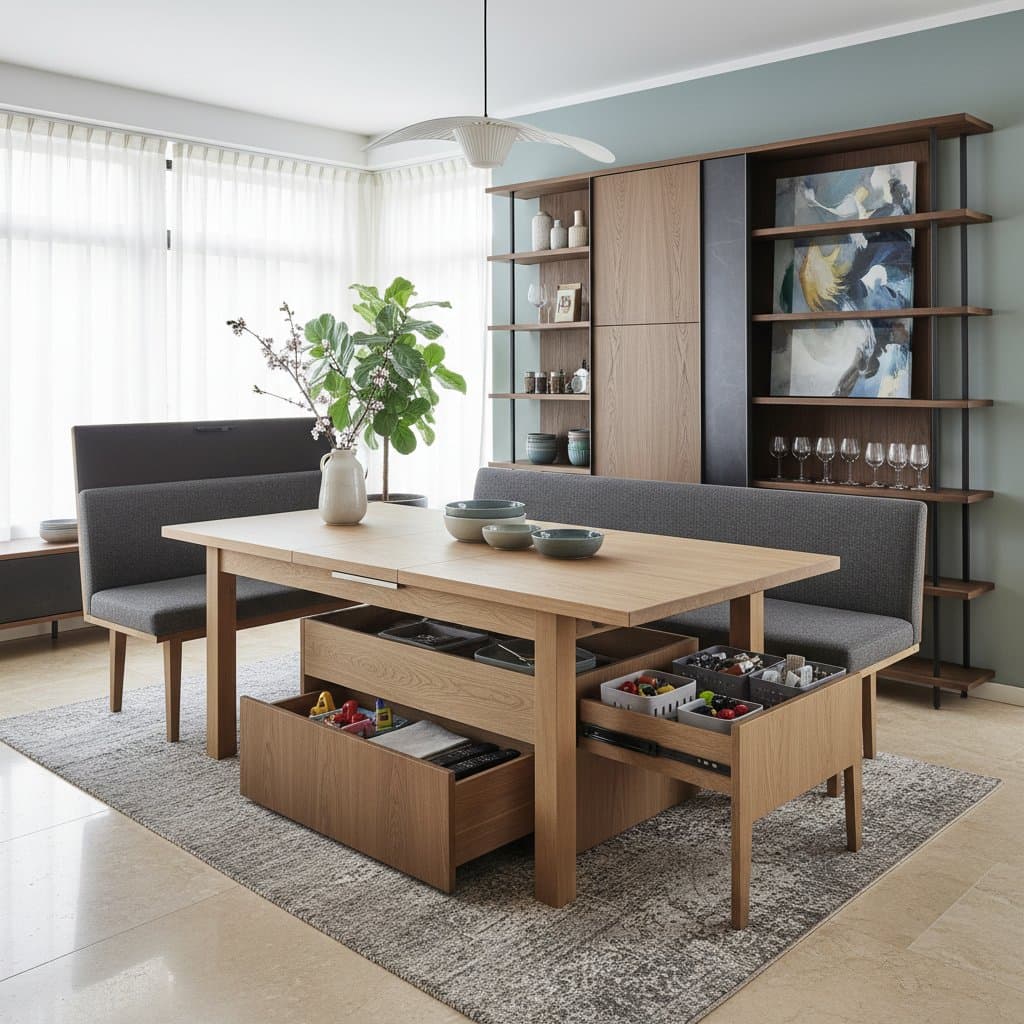
Modern dining tables often include drawers or lift top sections that conceal flatware, napkins, or placemats. I once found a farmhouse style table in France with hidden drawers built into both ends. It was perfect for storing candles and linens. The table looked charmingly rustic but functioned like a secret organizer.
If you prefer a minimalist look, consider tables with central compartments accessed through sliding or lift up panels. They are ideal for small spaces where every inch matters.
Benches with Lift Up Seats
A classic farmhouse bench can do double duty as storage. Many designs feature hinged tops that lift to reveal space for seasonal decor, extra cushions, or children art supplies. When we lived in London, our narrow dining nook relied on a bench that hid everything from board games to winter scarves. It was one of the smartest furniture investments we made.
Sideboards and Buffets with Secret Drawers
Sideboards are traditional dining companions. Modern versions often include hidden compartments. Some have false bottoms or concealed drawers for valuables or seldom used serving pieces. Interior designer Hugo Laurent shared that a well designed sideboard can conceal as much as a small closet, yet still appear sleek and refined. Choose one that complements your table while offering ample concealed storage.
Creative Hidden Storage Ideas
If replacing furniture is not an option, there are plenty of smaller, budget friendly ways to add hidden storage to your dining room.
Floating Storage Under the Table
If your dining table has a solid top and sturdy frame, attach slim storage baskets or drawers underneath. They can hold placemats, pens, or small electronics. Look for options that mount invisibly so the table still looks clean and open.
Hollow Ottomans or Poufs
A pair of upholstered poufs can tuck beneath a console or sit near the table as extra seating. Choose versions with removable tops so you can store linens or napkin rings inside. It is a subtle way to add storage while keeping the room cozy and flexible.
Built In Banquettes
If your dining space allows, a built in banquette can be customized with drawers or lift up seats. When I lived in a compact Paris apartment, our banquette stored extra dishes, cookbooks, and even my laptop. It freed up space in the kitchen and served as the perfect breakfast spot.
Wall Niches and Hidden Panels
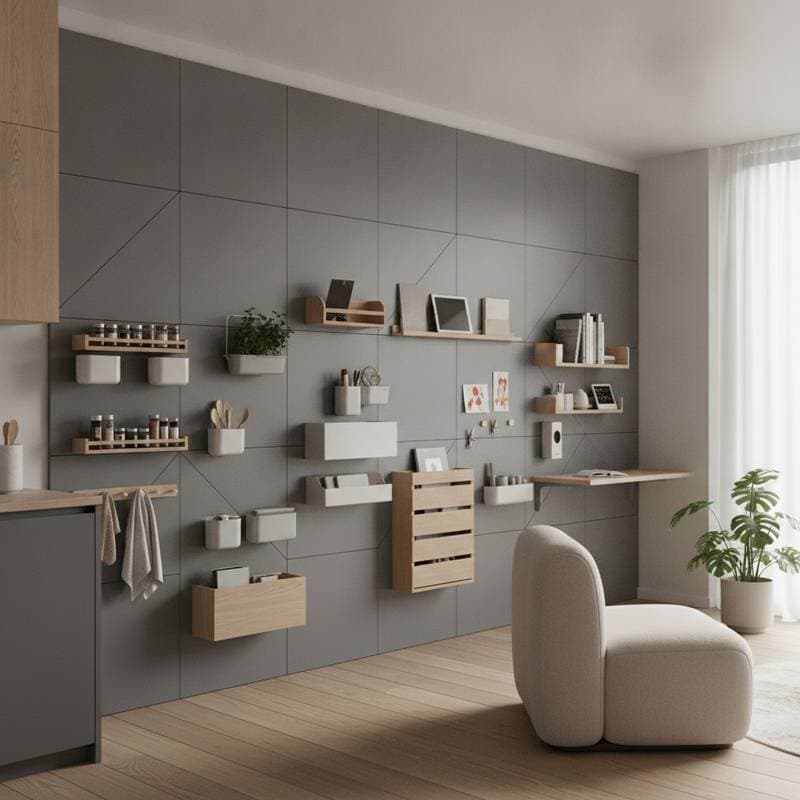
In older European homes, you often find shallow wall niches that were once used for candles or small statues. Modern designers are reviving this idea by creating recessed wall compartments hidden behind artwork or sliding panels. These are perfect for storing items you do not need daily but still want nearby, such as special occasion tableware.
Blending Style and Function
Hidden compartments should never feel like an afterthought. They can become a design feature if executed thoughtfully. The key is harmony between function and aesthetics.
Interior stylist Emma Clarke advises that hidden storage should feel intentional, not improvised. She suggests choosing materials and finishes that match your existing furniture so the compartments blend seamlessly. For example, if your dining table has a natural oak finish, extend that tone to any added bench or sideboard. Continuity creates a calm, cohesive look.
Lighting also plays a role. A well lit dining space draws attention to the overall atmosphere rather than the individual pieces of furniture. Use pendant lights or wall sconces to highlight the table while keeping storage areas subtly in the background.
Family Friendly Storage Solutions
A dining room often sits at the heart of family life. Practicality matters as much as style. When designing hidden compartments, think about safety, accessibility, and durability.
- Soft close mechanisms prevent little fingers from getting caught.
- Easy lift benches allow kids to access art supplies or puzzles without adult help.
- Washable materials keep upholstered storage pieces looking fresh despite spills.
- Rounded corners on furniture ensure safety in busy family spaces.
Hidden compartments can also encourage tidiness. When everything has a designated place, it becomes easier for children to help with cleanup after meals or crafts. I have found that my kids are far more willing to tidy up when they can lift a bench seat and drop supplies inside rather than run back and forth to a closet.
Global Inspiration for Hidden Storage
Living in different countries has shown me how cultural habits influence storage design. In city apartments in France, space saving furniture is a necessity. Many dining tables double as console tables or desks, with drawers hiding beneath the top. In rural England, I have seen antique pieces adapted with hidden compartments for modern use, such as wine storage or charging stations.
Japanese interiors, known for their minimalism, often feature low cabinets and tatami style seating with hidden drawers. These designs prove that function can coexist beautifully with simplicity. Borrowing ideas from global traditions can help you create a dining space that is both practical and unique.
If you love farmhouse style, consider using reclaimed wood furniture with concealed drawers or lift up lids. The rustic finish hides wear beautifully. The hidden storage keeps the charm uncluttered.
Enjoying a Clutter Free Dining Experience
Once you introduce hidden compartments into your dining room, you may find yourself rethinking how you use the entire space. You will likely entertain more often because setup becomes effortless. Everyday family meals feel calmer when clutter is out of sight. Your dining room starts reflecting both your lifestyle and your design personality.