Vintage China Walls Revive Grandmillennial Dining
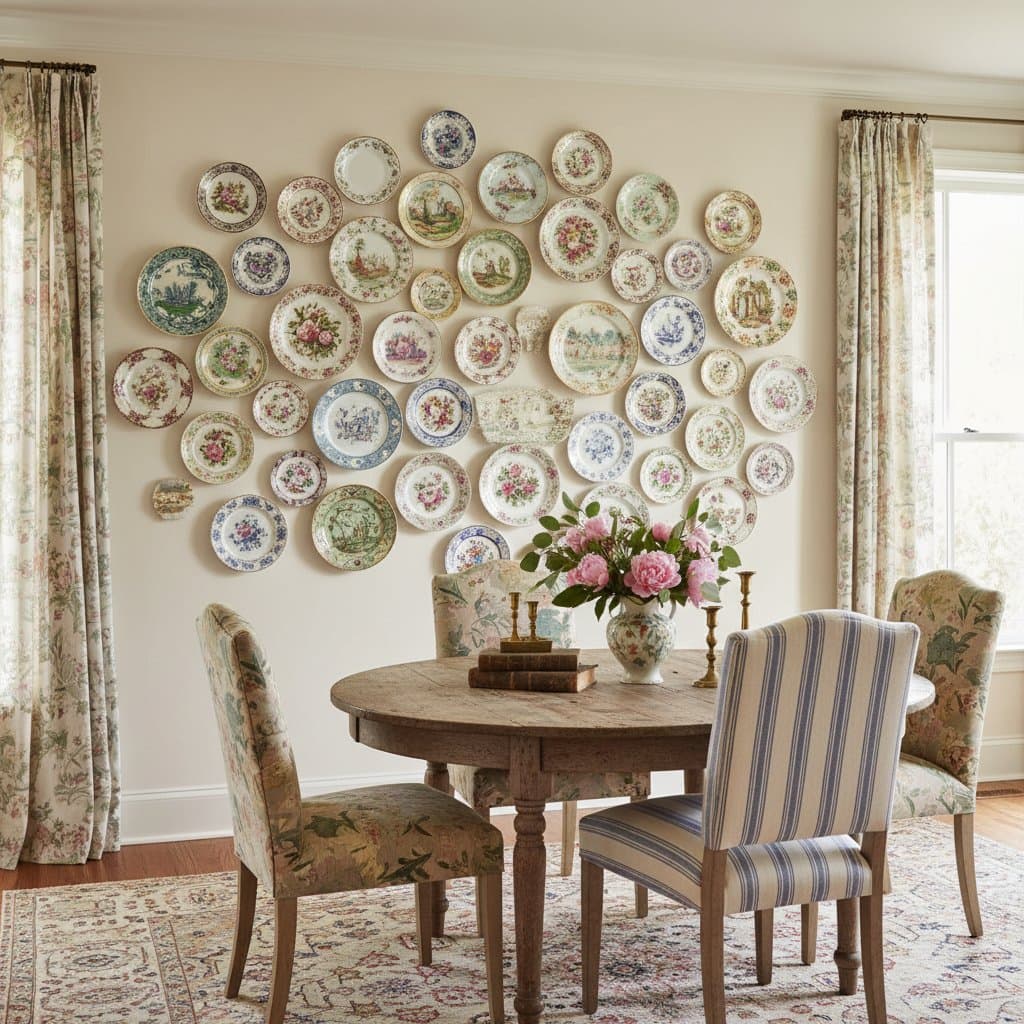
Vintage china walls once evoked images of formal dining rooms reserved for special occasions. These displays, filled with delicate teacups and ornate plates, now reemerge as a key element in the grandmillennial design trend. This style blends nostalgic elements with contemporary warmth, transforming everyday spaces into inviting areas rich in heritage and character.
Understanding Grandmillennial Style
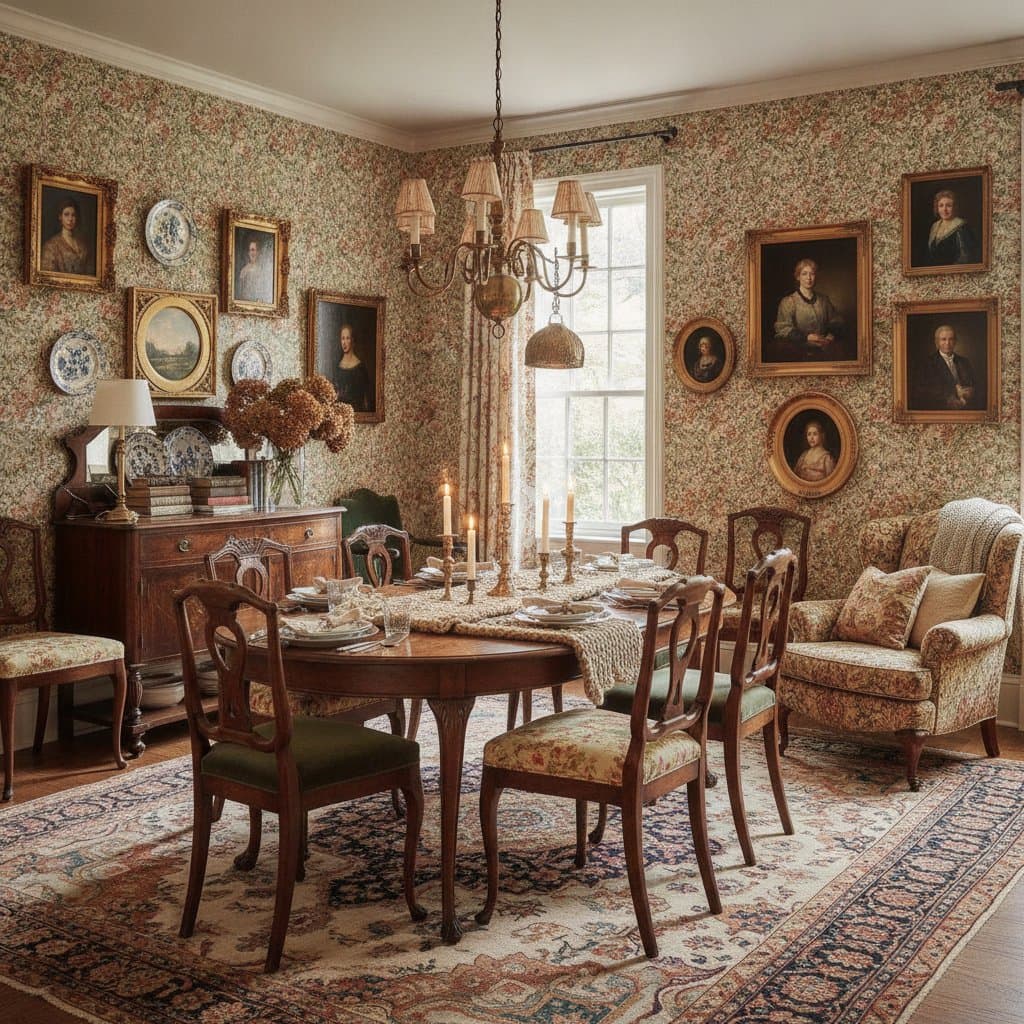
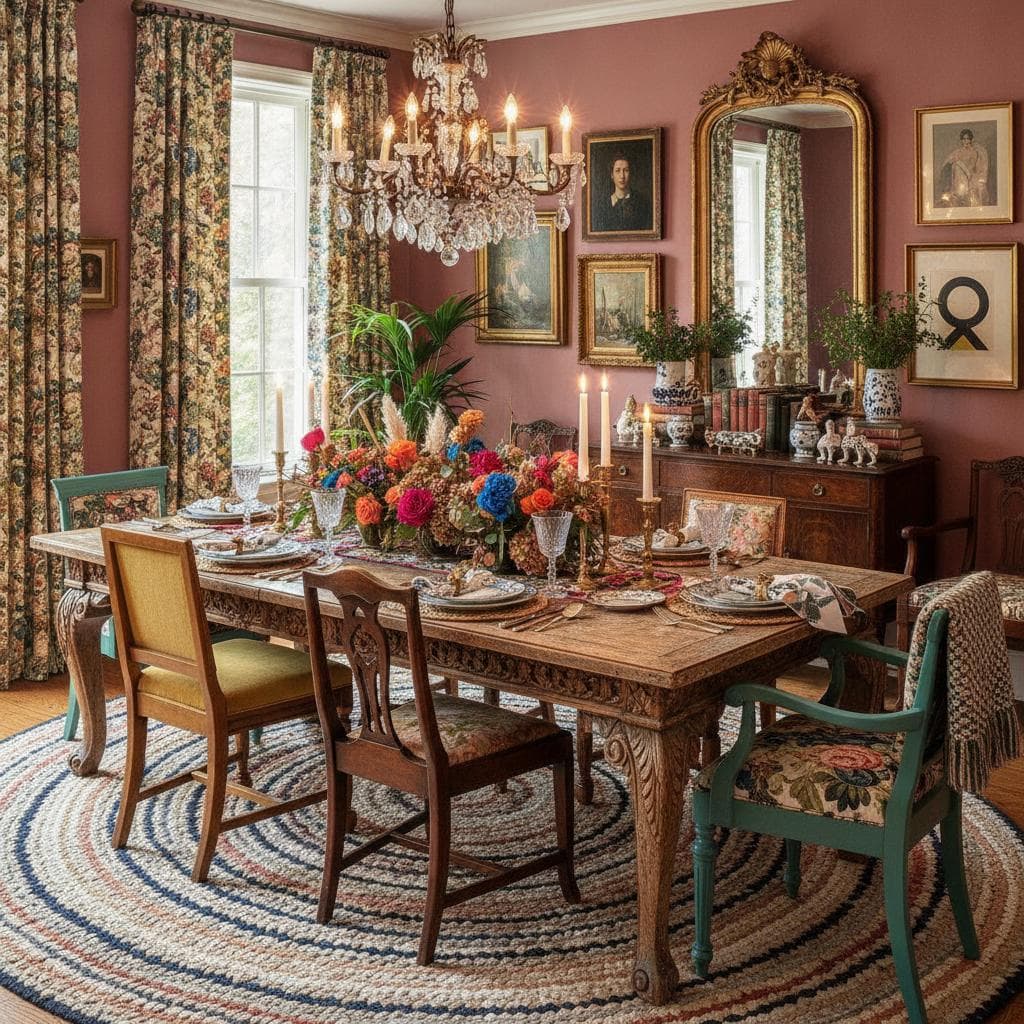
Grandmillennial design embraces elements previously viewed as ornate or traditional. It features patterns such as chintz, scalloped details, and embroidered textiles, alongside prominent displays of porcelain. This approach counters the prevalence of minimalist aesthetics by prioritizing layered, sentimental decor.
The trend encourages collectors to showcase inherited or acquired pieces openly. Such displays foster a sense of continuity between past and present, making dining areas feel lived-in and meaningful. Designers note that this style appeals to those seeking authenticity in their surroundings.
Creating a Personalized China Wall
3. Employ secure, non-permanent hanging methods.
Opt for adhesive hooks or specialized plate hangers to protect walls and allow repositioning. Initial experiments may involve trial and error, but these tools minimize damage and facilitate adjustments as the collection evolves.
4. Introduce layers for added dimension.
Utilize plate rails or floating shelves to create depth. Position cups in front of larger plates or angle platters behind saucers. This technique enhances visual appeal and establishes the display as a central feature in the room.
Integrating China Walls into Contemporary Spaces
Vintage china walls introduce warmth and narrative depth to modern interiors. They counteract stark lines with textured, historical elements, elevating functional areas like dining nooks. Even in minimalist homes, these displays add personality without overwhelming the overall design.
For those in rental properties or hesitant about fixed installations, floating shelves offer an ideal solution. These allow easy assembly and disassembly while accommodating a growing collection. Testing such setups reveals how they enhance daily routines, making meals feel more deliberate and enjoyable.
The Value of Sentimental Collections
Objects with personal history provide emotional resonance in home design. A china wall serves as a visual archive, evoking family traditions and serendipitous discoveries. The intrinsic worth lies in the memories attached, far beyond material cost.
Maintenance requires regular care, particularly dusting intricate surfaces. However, the resulting ambiance justifies the effort, creating spaces that nurture connection and comfort.
Steps to Implement Your China Wall
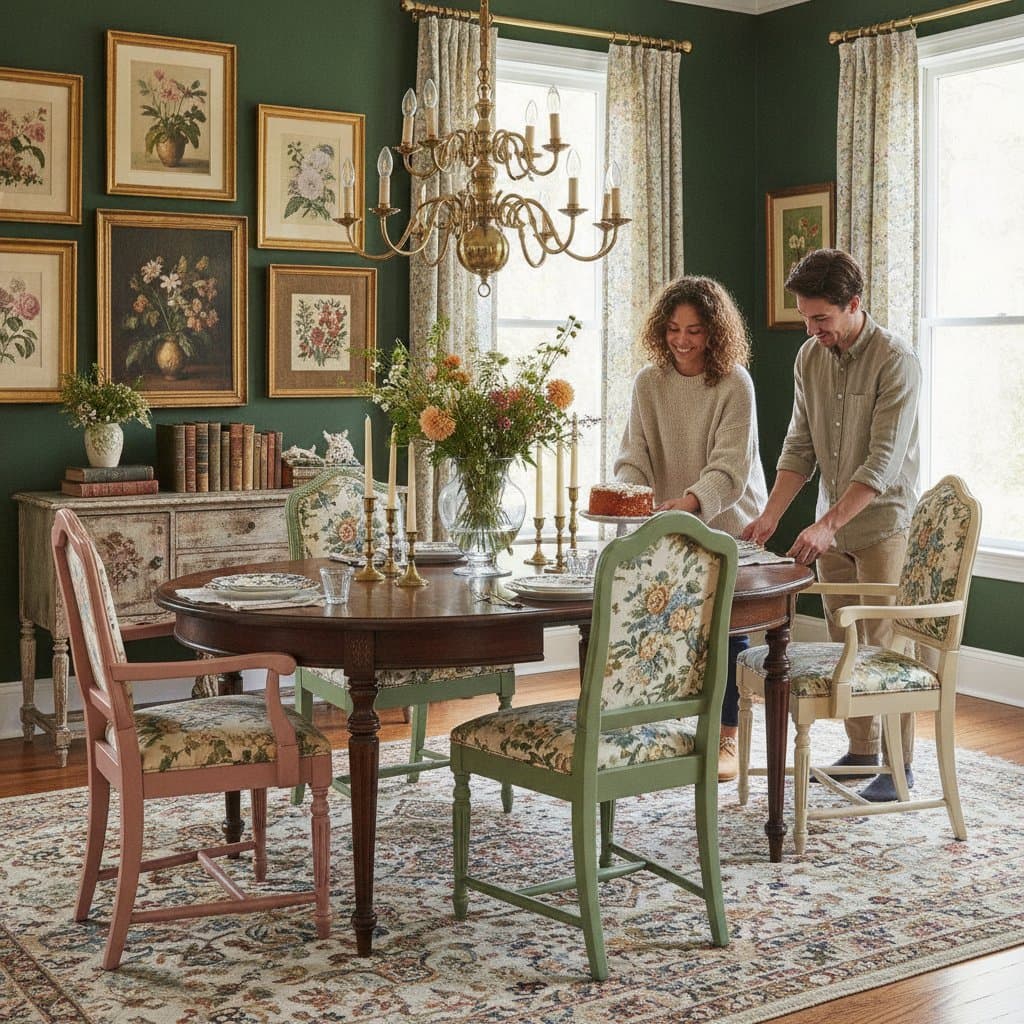
Start modestly by selecting a few meaningful pieces for display above a sideboard or along an accent wall. Explore thrift shops, estate sales, or online marketplaces for affordable additions that resonate personally. Prioritize items with subtle imperfections to enhance the collected aesthetic.
Complement the wall with complementary grandmillennial details, such as linen runners or vintage candelabras. This integration builds cohesion without replicating outdated formality. Over time, the display evolves, reflecting ongoing stories and preferences.
Incorporate lighting to highlight textures and colors, drawing the eye during gatherings. The result fosters a sense of timeless elegance, where everyday moments gain depth and delight. Grandmillennial style thus reaffirms the enduring role of heritage in contemporary living.