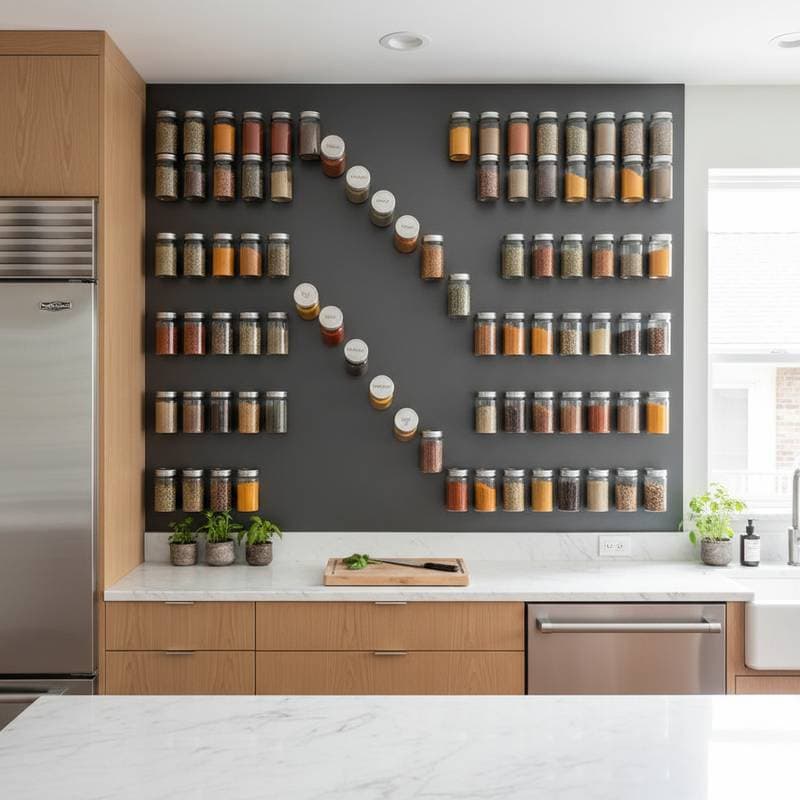
Transform Dining Rooms with Hidden Storage Walls
Many individuals examine their dining rooms and wonder where to store essential items. Extra china sets, table linens, seasonal decorations, and children's artwork accumulate rapidly, turning these spaces into disorganized areas. In a compact New York apartment, the dining zone often served as a homework area and occasional laundry station. Later, in the French countryside, storage remained vital yet incorporated through elegant built-in elements. These scenarios illustrate that dining rooms achieve both grace and utility through vertical thinking and innovative solutions.
Key Takeaways
- Hidden storage walls convert dining rooms into tidy, versatile areas while maintaining aesthetic appeal.
- Built-in units, modular components, or concealed cabinetry accommodate far more than expected.
Thoughtful design ensures storage remains convenient without compromising visual harmony.
Such features adapt to various budgets and room dimensions.
The Problem with Traditional Dining Storage
Conventional dining storage typically relies on substantial sideboards or china cabinets. These pieces provide charm but consume significant floor area, particularly in compact residences. Urban apartments frequently lack space for such oversized furniture. Even spacious homes suffer when exposed storage creates a sense of disorder. The ideal approach fosters tranquility, allowing gatherings to focus on shared moments rather than scattered distractions.
The Magic of Hidden Storage Walls
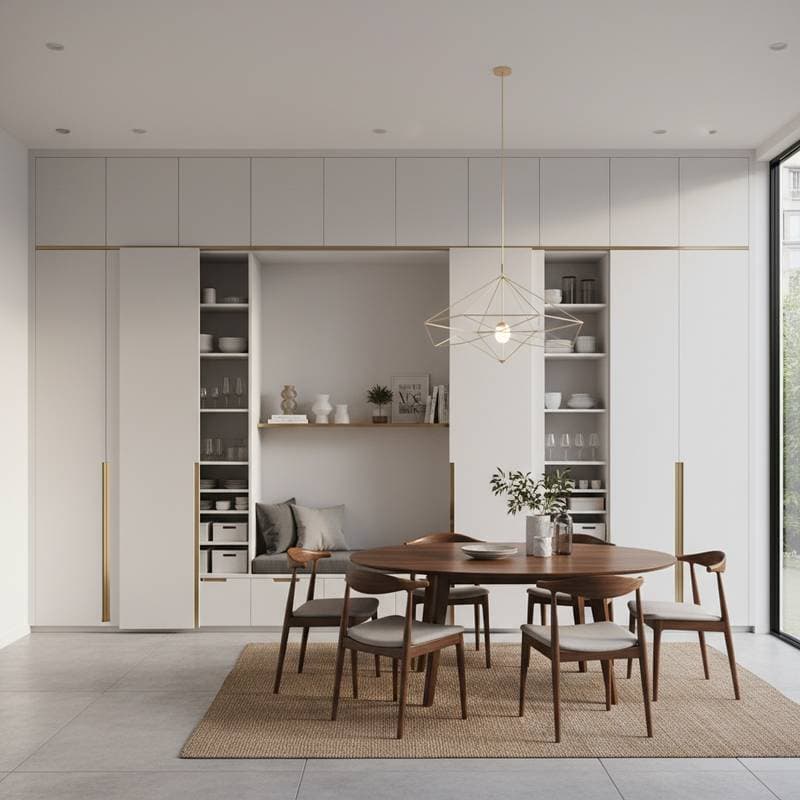
Hidden storage walls address these issues with elegance and efficiency. Consider a wall appearing as plain wood paneling or an ornamental accent, concealing extensive shelving, drawers, and extendable compartments. London designer Amelia Grant notes that integrated storage allows homeowners to exhibit design sophistication while concealing disorder. Executed properly, this method appears deliberate and refined.
In the Cotswolds residence shared with family, a cabinet wall painted in a subtle cream tone matches the dining room's palette. It functions as an architectural highlight yet discreetly contains all tablecloths and serving ware. The result evokes serenity, akin to a tranquil retreat, regardless of full capacity.
To implement this effectively, select materials that harmonize with existing decor, such as matte finishes or textured panels that mimic wall treatments. Professional installation ensures precise alignment, preventing gaps that could reveal the hidden elements prematurely.
Practical Ways to Incorporate Hidden Storage
Implementing hidden storage requires strategic choices tailored to specific needs. Below are detailed approaches to integrate these solutions seamlessly.
-
Disguised Cabinet Walls: Opt for cabinetry matching the wall hue to create an illusion of continuity. Install handleless doors or recessed finger pulls for a minimalist profile. Measure wall dimensions precisely before purchase to maximize capacity; for instance, allocate lower sections for frequently used items like utensils and upper areas for occasional pieces.
-
Sliding Panels: These suit constrained layouts by eliminating the need for door swing space. Panels glide along tracks to reveal organized interiors, ideal for revealing linen stacks or glassware collections. Choose soft-close mechanisms to operate quietly during meals, and incorporate LED lighting inside for easy visibility when accessing contents.
-
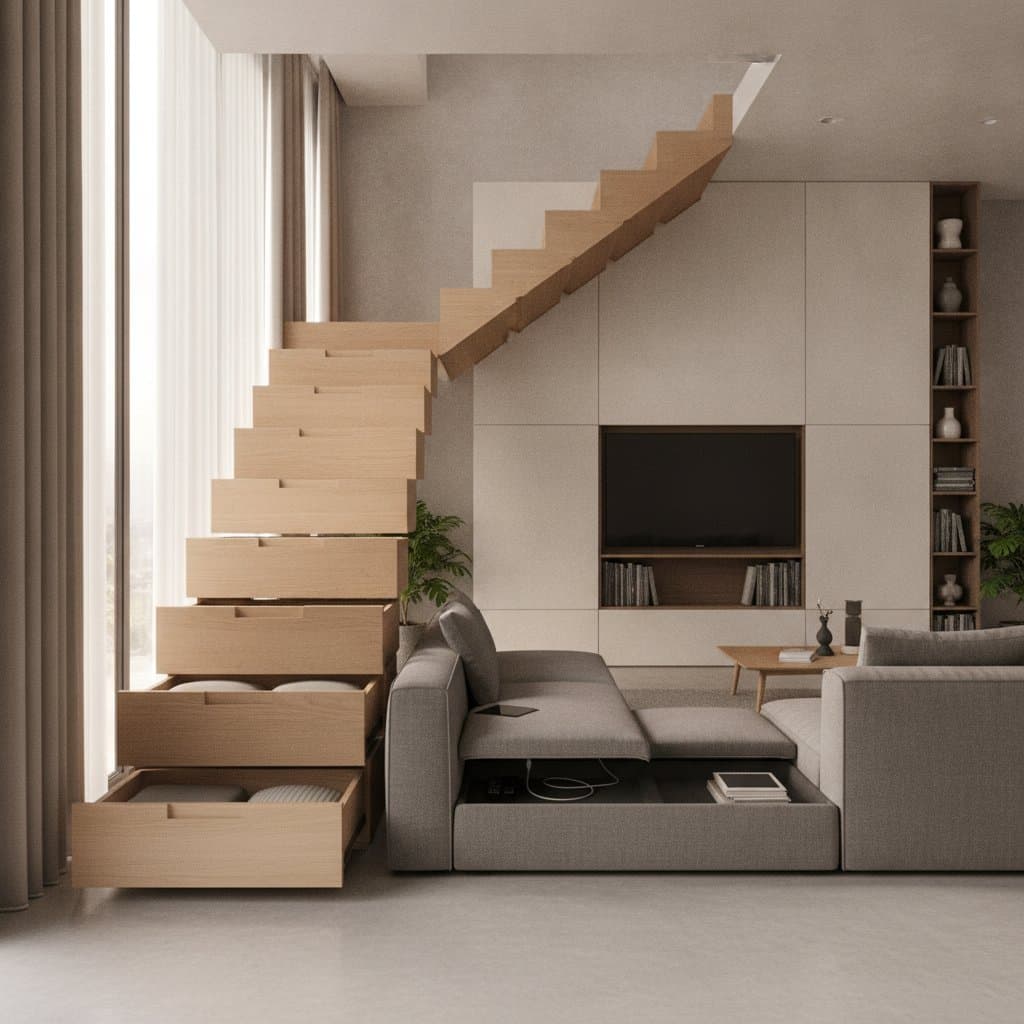
Bench Seating with Lift-Up Lids: In family-oriented settings, these serve dual purposes as comfortable seats and hidden compartments for placemats, napkins, or games. Construct benches from durable woods like oak, padded with cushions for added comfort. Hinge lids with gas struts for smooth lifting, and divide interiors into compartments to prevent items from shifting.
-
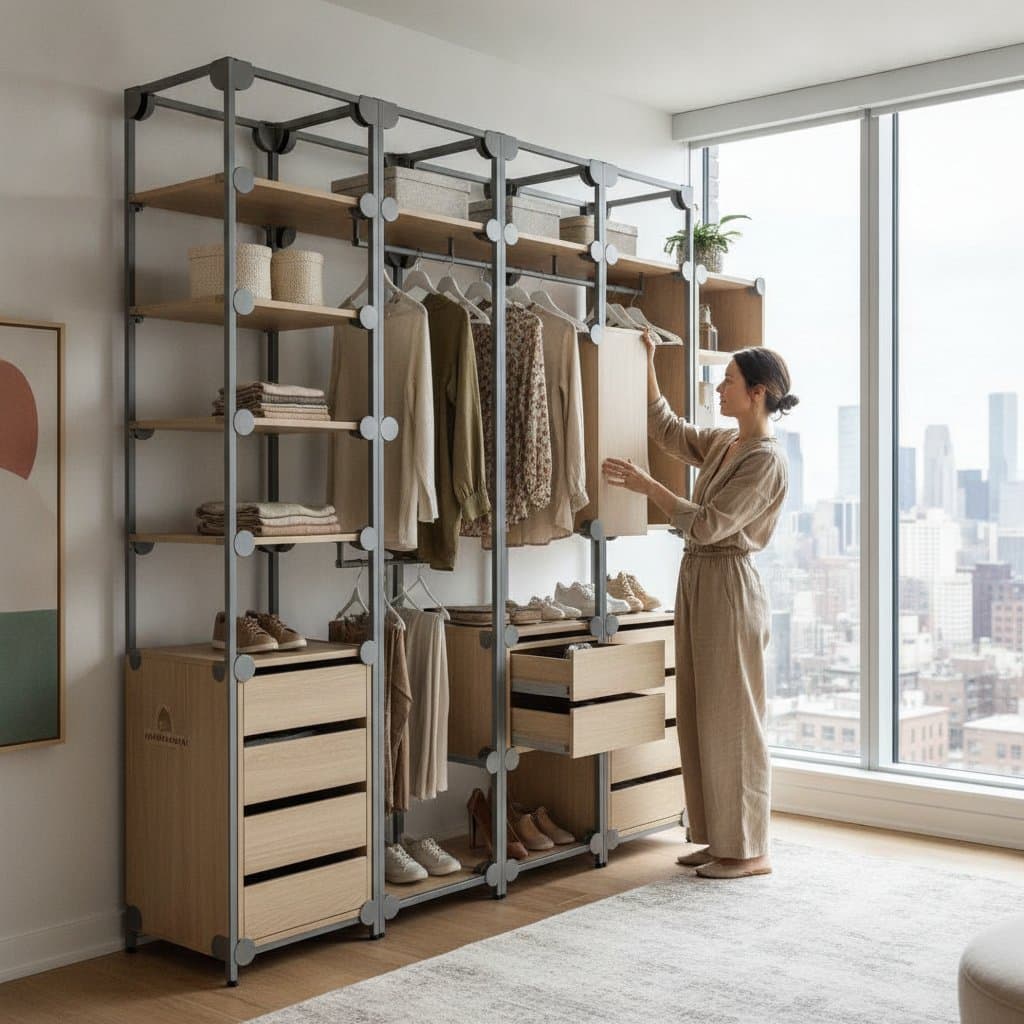
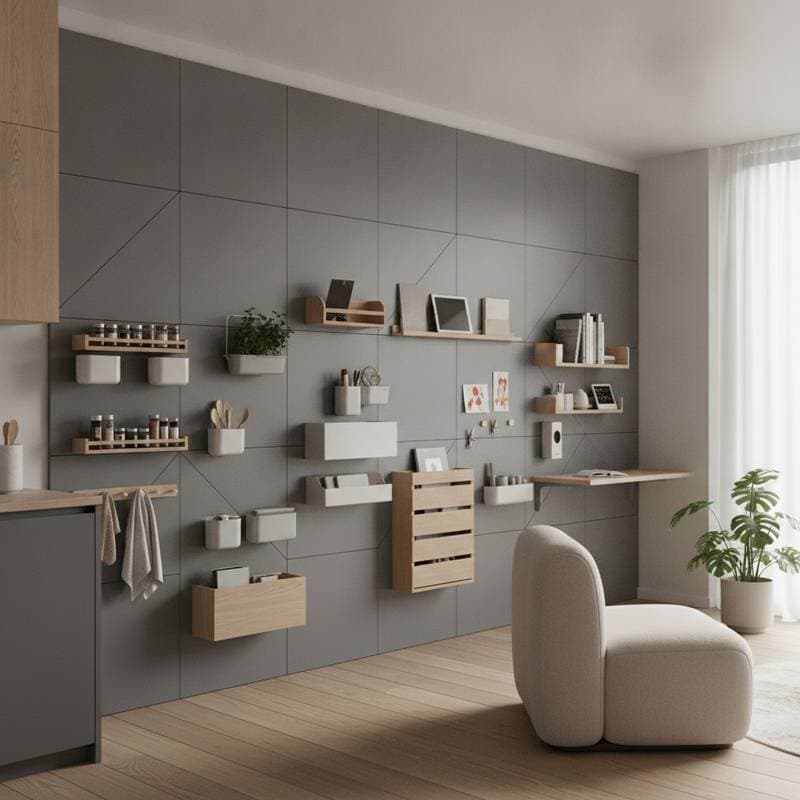
Modular Systems: Contemporary furniture lines provide adaptable wall units that evolve with lifestyle changes. Assemble components like adjustable shelves and pull-out trays to customize storage depth. Brands often include connectors for secure wall mounting, ensuring stability in high-traffic areas.
Interior organizer Hannah Lewis advises prioritizing usage patterns. She states, "Design your storage around function first. If you only bring out the fine china twice a year, it should live higher up or farther back."
Begin by inventorying items: categorize daily essentials from seasonal ones, then sketch layouts to visualize integration. Consult local carpenters for custom fits if off-the-shelf options fall short.
Global Inspiration for Hidden Design
Design traditions worldwide offer valuable insights into concealed storage. Parisian apartments feature lofty built-ins reaching the ceiling, exploiting vertical space for linens and silverware. These often incorporate mirrored backs to amplify light and perceived room size.
Scandinavian interiors emphasize restraint, concealing storage behind panels toned to match flooring for unbroken lines. Light woods like birch provide a neutral base, with compartments designed for flatware organizers and stackable dish sets.
Rural French influences, drawn from personal experiences, embrace warmth through reclaimed wood or wicker facades. Such materials add texture without overwhelming, as seen in Provence-style homes where storage walls frame windows, blending with stone accents. In Japanese-inspired designs, shoji screens adapt as sliding hides for minimalist setups, promoting zen-like calm.
Adapt these ideas locally: in Mediterranean climates, ventilate hidden areas to protect fabrics from humidity; in cooler regions, insulate compartments for delicate items.
Experiencing the Benefits of Hidden Storage
With a hidden storage wall installed, everyday routines gain simplicity and poise. Hosting guests proceeds without haste, as items retrieve effortlessly from designated spots. Family meals unfold in peace amid clear surfaces.
This design philosophy transcends location, benefiting city renters and rural owners equally. A dining room equipped with such ingenuity emerges as a haven of discipline and allure, demonstrating that utility enhances rather than detracts from beauty. Over time, the investment yields lasting satisfaction through reduced stress and elevated living standards.