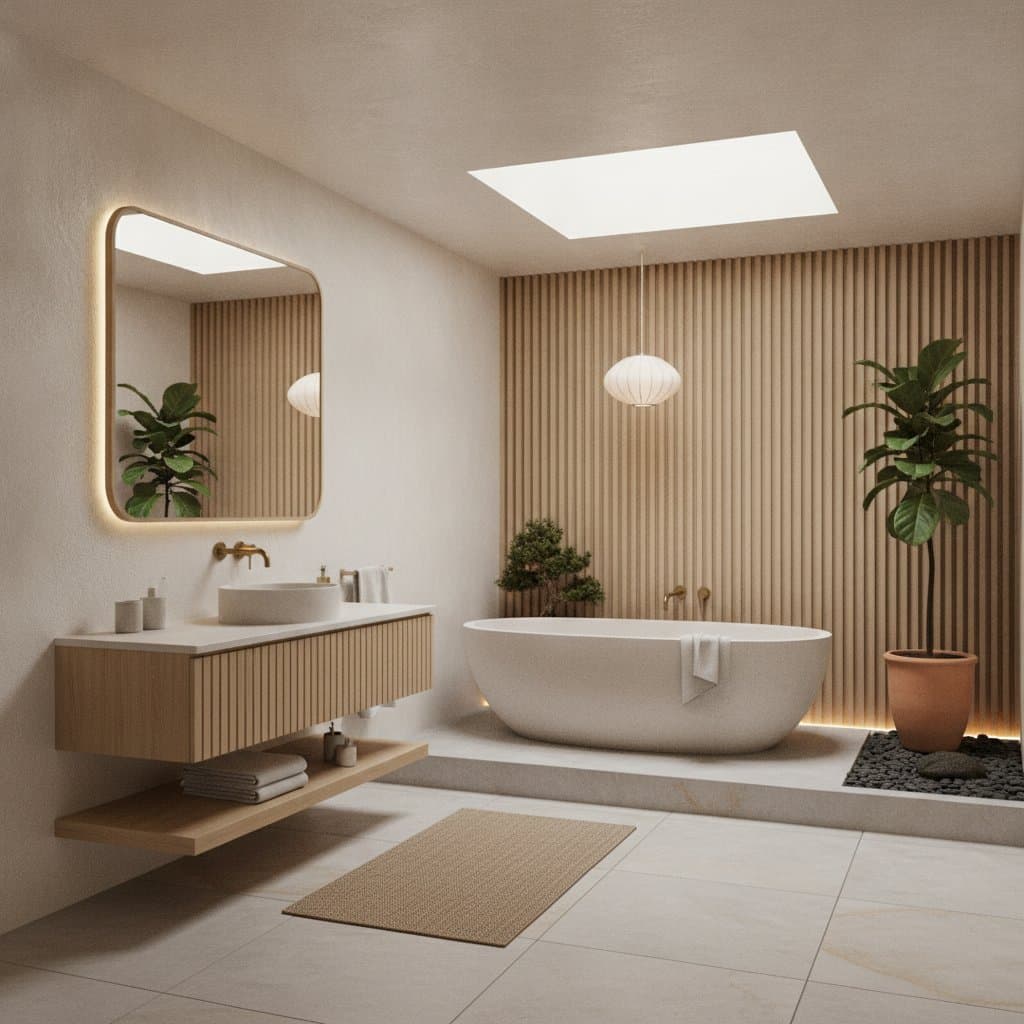
Key Principles of Japandi Dining
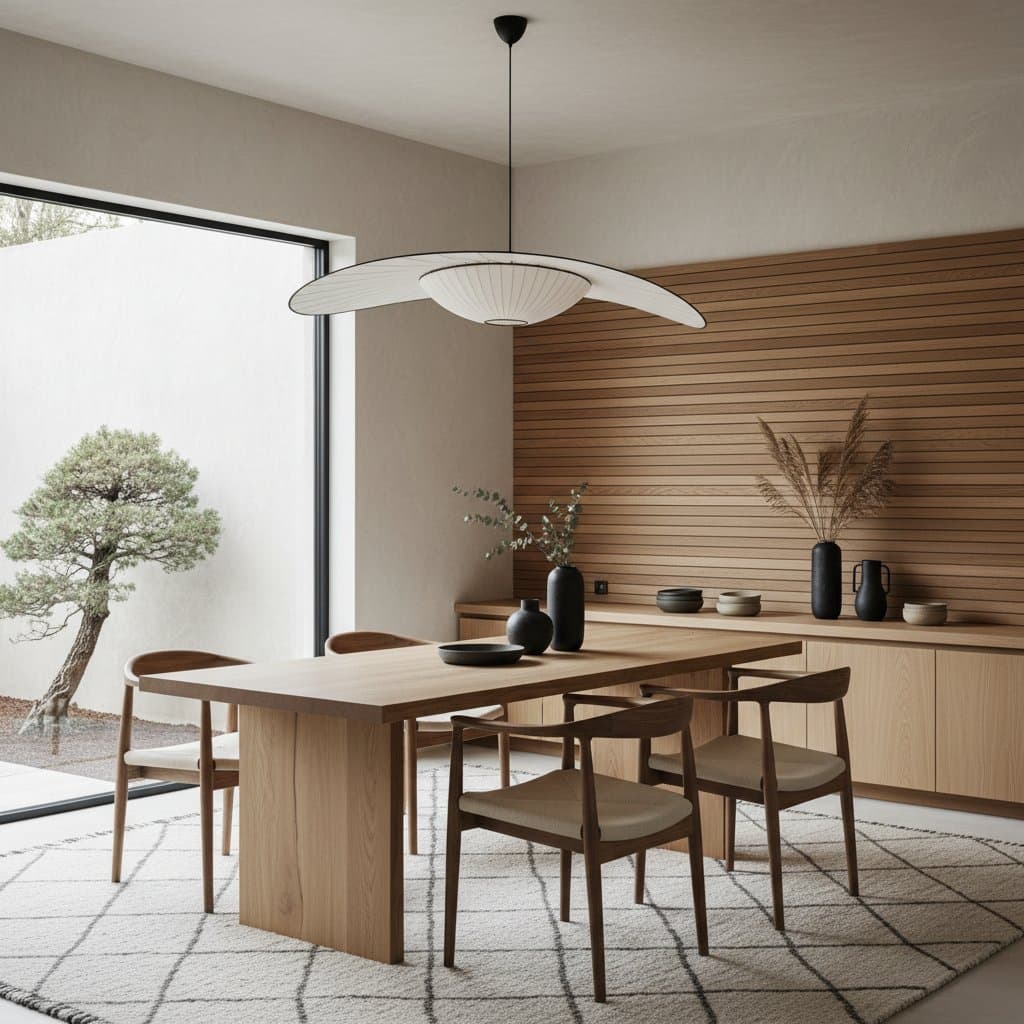
Japandi design integrates Japanese minimalism with Scandinavian warmth to form serene, practical dining environments.
Core elements include natural materials, neutral color schemes, and streamlined layouts that highlight skilled workmanship and ease.
Lighting, texture variations, and proportional balance play essential roles in establishing harmony.
Sustainability and deliberate choices influence selections for furniture and accessories.
Effective Japandi dining areas facilitate social interactions and personal reflection via purposeful arrangements.
Foundations of Japandi Design
Japandi draws from the Japanese wabi-sabi tradition, which honors imperfection and restraint, alongside the Scandinavian hygge ideal of coziness and well-being. These influences converge to produce interiors that radiate purpose and genuine appeal.
Initial Evaluation
Prior to transforming a dining room into Japandi style, examine the current setup for scale, movement, and material equilibrium.
- Measure room size and pathways. Allocate at least 36 inches of clearance around the table for smooth navigation.
- Analyze light sources. Favor soft daylight and warm evening glows; note window positions, directions, and current lights.
- Examine finishes. Replace shiny or artificial surfaces with matte, organic, or subtly textured options.
- Check furniture proportions. Scale items to fit the room; oversized or elaborate pieces undermine harmony.
- Gauge sensory unity. Ensure consistent warmth in colors, varied textures, and noise control. Introduce fabrics to dampen echoes from hard floors.
This evaluation establishes a solid base, aligning future decisions with desired visual and emotional effects.
Preparation and Planning
Essential Tools and Supplies
Gather a measuring tape and graph paper for layouts.
Include a level, stud finder, and basic woodworking tools.
Prepare sandpaper or a power sander for wood restoration.
Select low-VOC neutral paints or limewash.
Choose linen or cotton fabrics for upholstery.
Opt for oak, ash, or bamboo tables and chairs.
Install paper or fabric pendants for gentle light.
Use neutral ceramic dishware.
Incorporate plants in plain clay or stone containers.
Safety Measures and Workflow
Maintain ventilation during refinishing or painting; wear gloves and masks.
Engage a qualified electrician for any wiring changes.
Sequence tasks: prepare surfaces, apply finishes, mount lights, then arrange furniture.
Budgeting and Timeline
Invest in durable items that develop character over time, avoiding disposable goods.
Phase the project: start with bases like walls and lights, then add fabrics and accents.
Allow several days for sanding, one for lighting setup, and more for furniture sourcing. This pacing supports considered choices and prevents errors.
Step-by-Step Execution
Step 1: Clear and Prime the Area
- Clear out excess items and decorations.
- Repair and smooth wall or ceiling flaws.
- Coat walls in soft white, warm gray, or pale beige to provide a subtle, light-reflecting canvas.
Step 2: Set Up Illumination
- Swap bright ceiling lights for soft, even sources.
- Hang a pendant over the table, positioned 30 inches above it.
- Add standing or wall lamps for depth in lighting layers.
Illumination in Japandi acts as a subtle guide, accentuating details and directing attention. Select paper, rattan, or opaque glass for a diffused, inviting radiance.
Step 3: Choose and Arrange Furniture
- Select a straightforward wood table showcasing natural joints; steer clear of polished surfaces.
- Match with chairs offering clean lines and support, like slatted backs or cushioned low seats.
- Space chairs to permit fluid access and open sightlines.
Center the table near natural light when feasible, strengthening ties to the outdoors—a key tenet in Japanese and Scandinavian aesthetics.
Step 4: Build Textural Layers
Enhance feel through restrained additions.
- Place a linen runner or cotton mats on the table.
- Set out matte ceramic plates and bowls.
- Lay a woven rug beneath to anchor the zone and soften acoustics.
Layers must blend seamlessly, adding warmth without overwhelming the space.
Step 5: Incorporate Greenery
Greenery vitalizes Japandi settings. Choose structured plants like fiddle-leaf figs, monsteras, or bonsai.
Place them in sunlit spots away from walkways.
Use unglazed clay, stone, or ceramic pots to preserve organic integrity.
Step 6: Provide Concealed Storage and Select Accents
Prevent disorder with integrated solutions. Low wood buffets store essentials while blending in.
Sparse wall shelves hold cherished items, such as pottery or a single artwork. Restrict displays to pieces of significance or handmade origin.
Final Checks
Confirm adherence to Japandi tenets:
- Harmony: Elements balance without dominance.
- Utility: All components fulfill roles.
- Unity: Colors and textures cohere.
- Ease: Arrangements aid meals and discussions.
- Durability: Choices favor eco-friendly, long-lasting sources.
Test the room under varying light. Adjust positions if glare emerges, or add sheer natural curtains.
Ongoing Care
Preserve the room's appeal through routine attention to materials.
- Wipe wood with a moist cloth; skip abrasives and reapply oil as needed.
- Launder fabrics mildly; opt for eco-friendly renewals.
- Clean lamp shades to sustain clarity.
- Trim and reposition plants for vitality.
Conduct seasonal reviews to sustain form and purpose. Refresh paints or treatments when fading occurs, upholding the style's quiet sophistication.
Practical Strategies
- Edit ruthlessly. Eliminate surplus first to reveal essentials.
- Seek artisanal work. Such items infuse story and genuineness.
- Embrace subtle unevenness. Off-center elements or wood variations echo wabi-sabi.
- Vary feels within neutrals. Pair timber, cloth, and rock in unified shades.
- Shun fleeting trends. Focus on perpetual excellence.
These methods guard against excess, emphasizing peace and practicality.
Embracing the Space Daily
Japandi dining extends beyond appearance to promote attentiveness and engagement. It invites unhurried dining, deep talks, and regard for quality.
Order and restraint nurture mental equilibrium and eco-conscious habits.
As woods gain patina, fabrics mellow, and use adds traces, the room embodies wabi-sabi grace. Hygge ensures warmth endures.
Top designs develop gradually, molded by deliberate acts. Accumulated stories and restraint render the area a mirror of tradition and poise.
Sustaining Value Over Time
Refine by noting daily use. Discard the extraneous; retain what aids well-being.
Favor mends over new buys. Patronize local makers with ethical practices.
Upgrade to efficient, warm-toned bulbs for lighting.
Amid constant distractions, Japandi delivers focused clarity and lasting worth. A refined setup serves as retreat and gathering point, affirming that restraint, excellence, and awareness remain timeless.