Key Principles
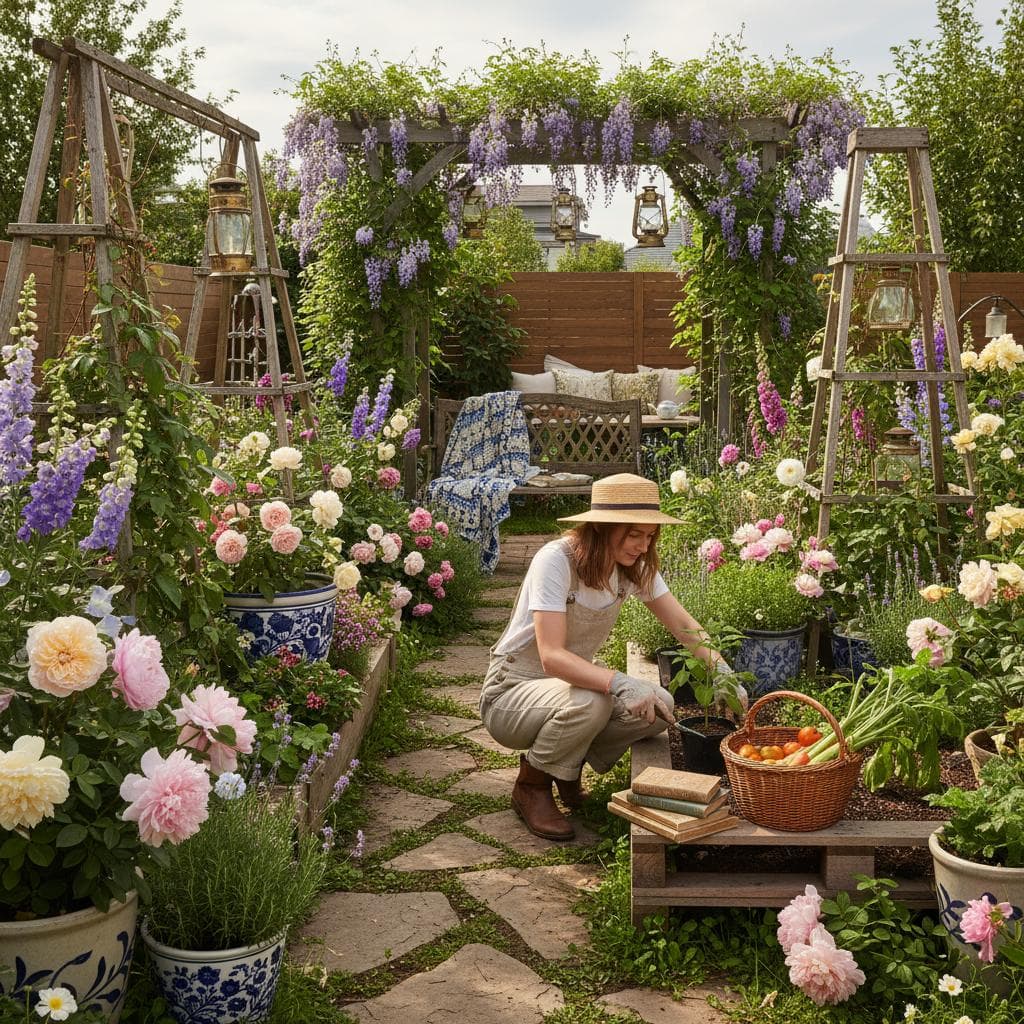
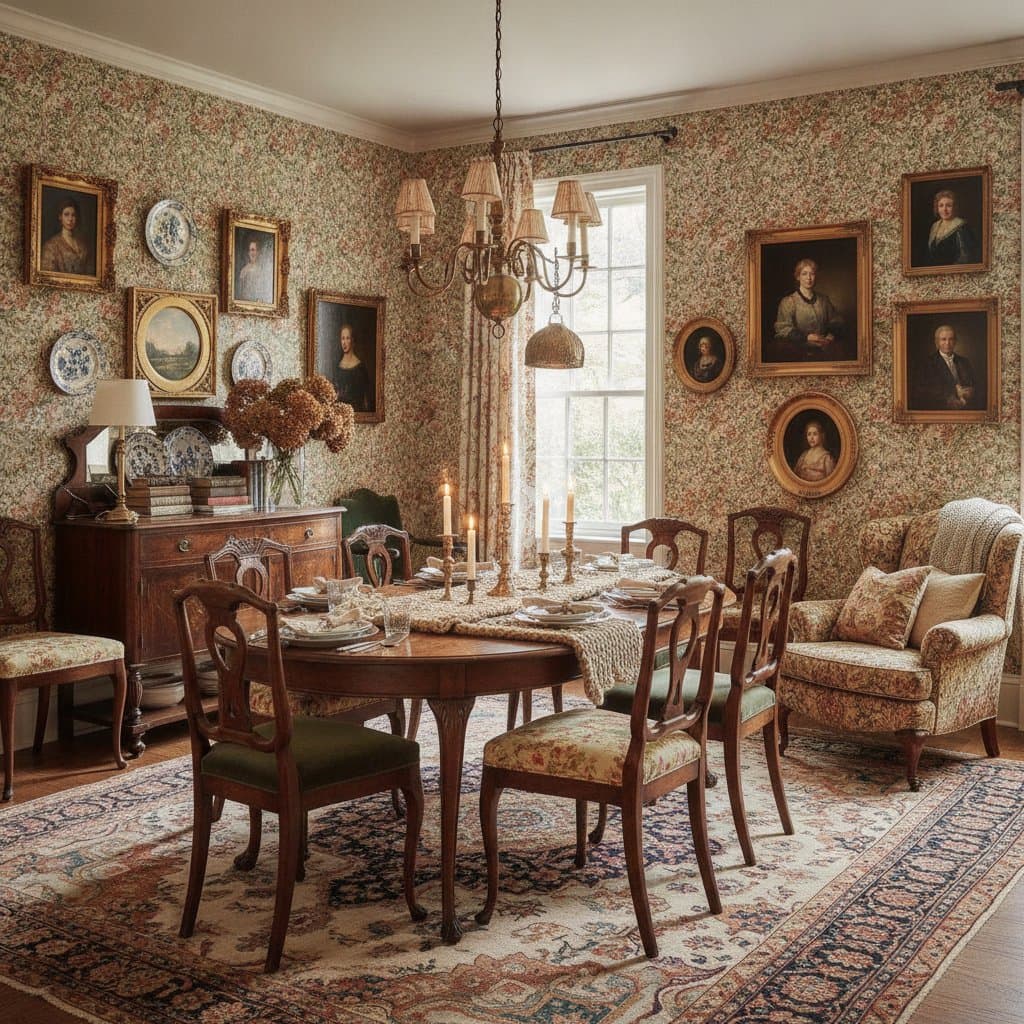
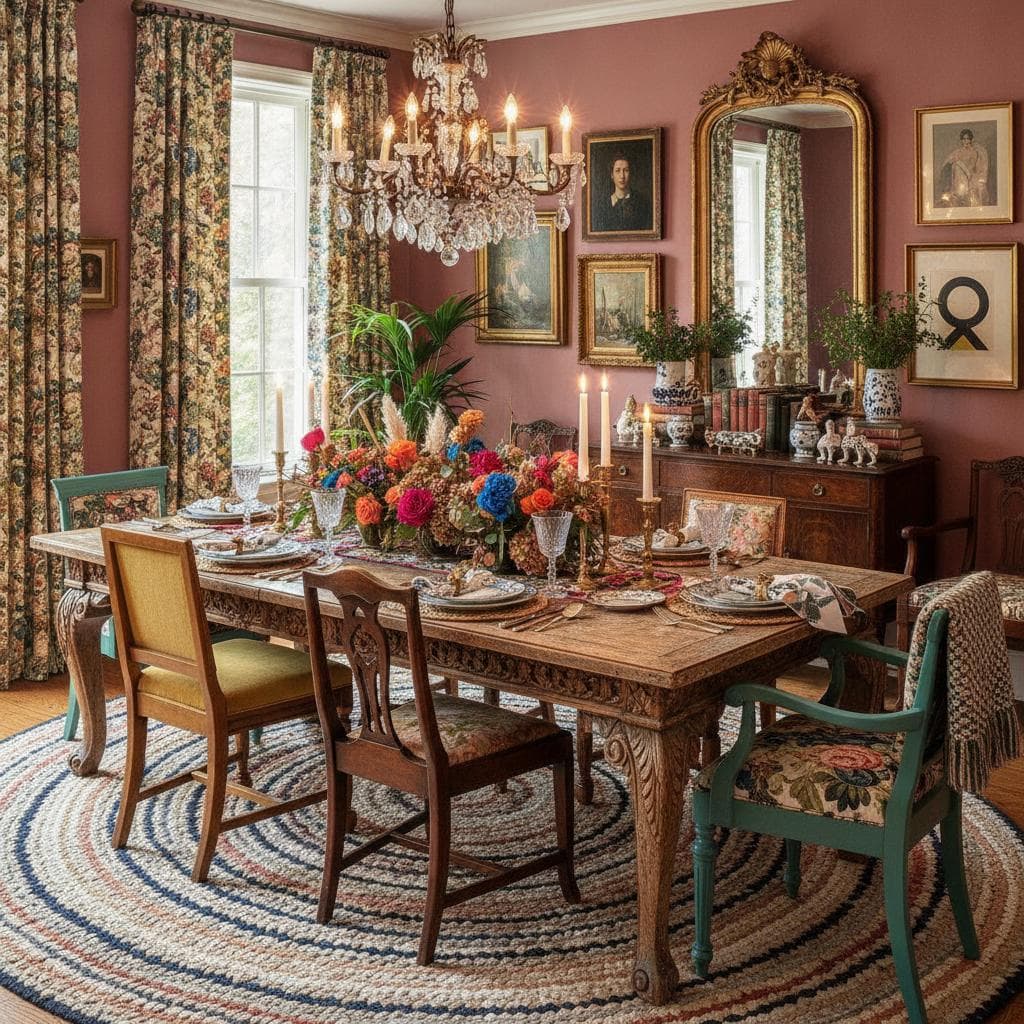
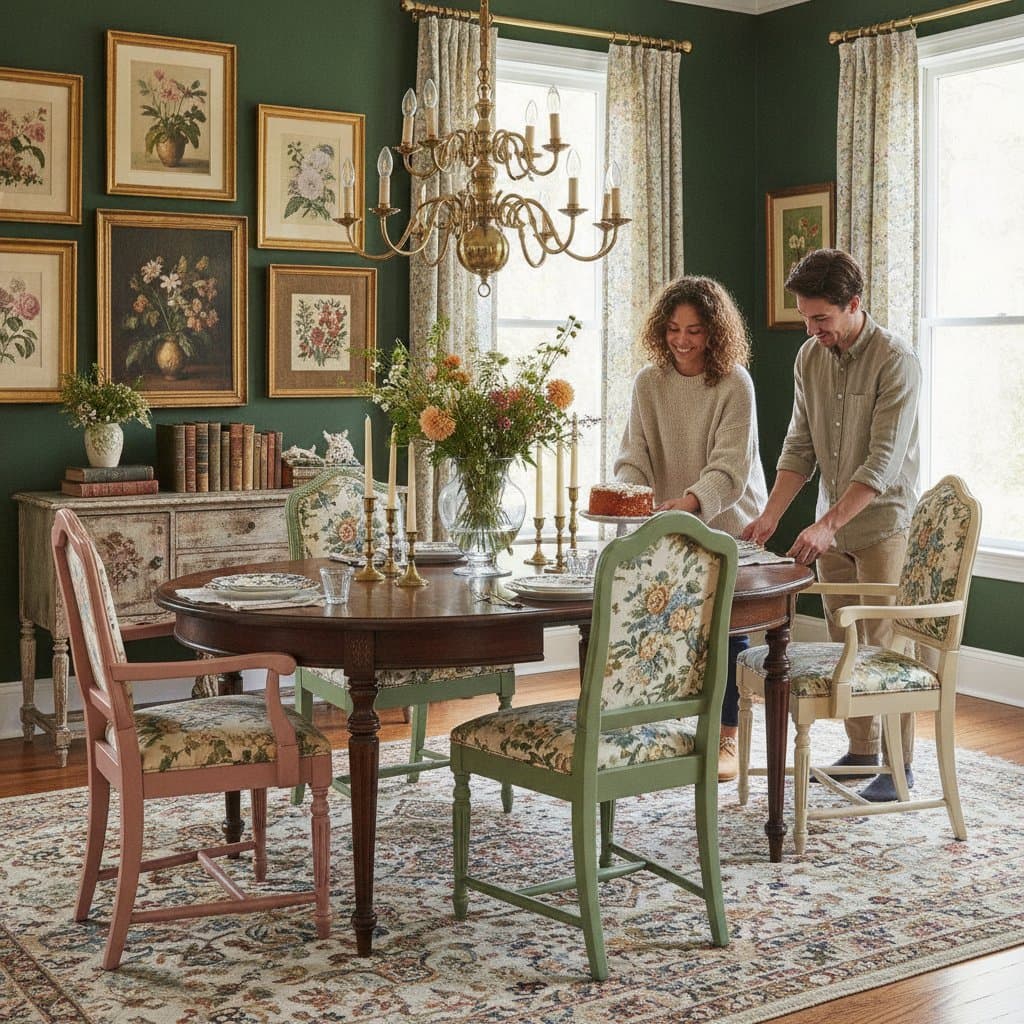
Gen Z homeowners and renters adopt cottagecore aesthetics and grandmillennial design elements to build nostalgic, plant-rich gardens. These spaces highlight comfort, sustainability, and personal style. Gardeners focus on heirloom plants, vintage furnishings, and simple perennial arrangements that combine historical appeal with contemporary ecological sensitivity.
This approach promotes a return to deliberate, unhurried lifestyles. Gardening serves as a creative pursuit and a path to greater self-reliance. Effective results depend on careful preparation, including soil enhancement, strategic plant choices, and the incorporation of repurposed items.
Ongoing care and adaptations to seasonal changes sustain the garden's vitality and its characteristic layered, enduring look.
Evaluating the Site
Building the Garden
Step 1: Prepare the Soil
Till compacted soil to a depth of twelve inches or more. Blend compost into the native soil at a one-to-two ratio. This enhances air circulation and water holding capacity. Conduct a pH test and amend with lime for higher alkalinity or sulfur for lower levels as required.
Step 2: Select Plants
Opt for heirloom types valued for their scent, durability, and cultural legacy. Recommended choices encompass:
- Roses like ‘Madame Hardy’ or ‘Cécile Brünner’ for their traditional aroma and shape
- Delphinium, foxglove, and hollyhock to add vertical interest
- Sweet peas and lavender for scent and to attract pollinators
- Peonies, iris, and hydrangeas for lush flowering displays
- Herbs including rosemary, thyme, and sage for ornamental and practical uses
Incorporate edible options such as strawberries or rhubarb alongside ornamentals to underscore the self-sustaining ethos of cottagecore gardening.
Step 3: Arrange and Layer Plants
Position tallest plants at the rear or center of circular beds. Place medium-height varieties in the middle layers, and use low-growing options like creeping thyme or violas along edges. Provide adequate spacing to promote air movement and reduce disease risks such as mildew.
Install trellises or antique metal supports for climbers like clematis or sweet peas. Such elements introduce order amid the garden's seemingly casual layout.
Step 4: Add Decorative Touches
Weave in grandmillennial influences via furnishings and accents. Position a wrought-iron bench with floral pillows or a table covered in lace for a welcoming centerpiece. Repurpose broken dishware as pots or for mosaics. Aim for endearing imperfection over flawless uniformity.
Select warm, understated lighting. Fairy lights or lanterns with gentle bulbs evoke a sentimental ambiance that pairs well with night-blooming plants such as evening primrose or nicotiana.
Step 5: Establish Watering and Mulch Routine
Water deeply after planting to establish roots. Spread a two-inch layer of organic mulch, such as bark chips or straw, to stabilize soil temperature and conserve water. Renew the mulch each year as it breaks down.
Ensuring Garden Health
Monitor plant condition weekly in the active season. Indicators of thriving include robust growth, steady blooms, and pollinator presence. Address problems like powdery mildew or aphids using neem oil or insecticidal soap.
Remove faded flowers routinely to stimulate further blooming. This practice maintains neatness and extends flowering periods. Check supports for firmness, securing or replacing fasteners when necessary.
A well-executed grandmillennial garden achieves harmony, avoiding barren spots or excessive density. Periodically assess from various viewpoints to confirm balanced proportions and seamless movement.
Sustaining Seasonal Vitality
Cottagecore gardens evolve gracefully with steady attention. Treat each season as a chance to renew rather than reconstruct. In spring, split overcrowded perennials to support vigorous development. Return clippings to the compost pile for nutrient recycling.
Replenish mulch and check borders to block weed invasion. Protect wooden pieces by repainting or sealing against weather. Introduce fresh heirloom annuals to sustain variety and ecological diversity.
In arid spells, apply thorough waterings once or twice weekly instead of light, frequent ones. Such methods build resilient roots capable of enduring challenges.
The grandmillennial garden transcends mere ornamentation. It embodies legacy and character through heirloom selections, deliberate design, and eco-friendly methods. Gen Z gardeners thus convert historical motifs into lasting, personal retreats.