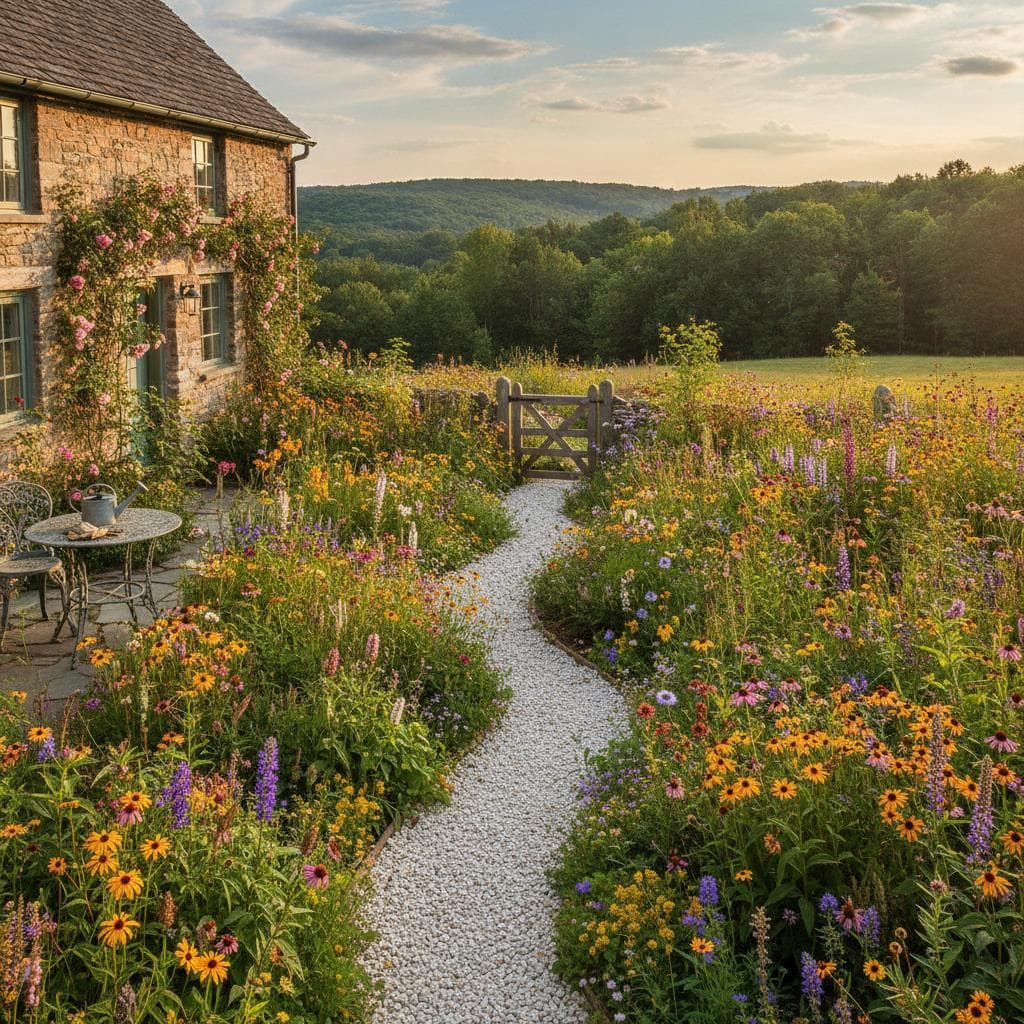
Why Grounding Gardens Represent the Emerging Landscape Trend
Imagine the sensation of cool grass beneath your feet at the end of a demanding day. Grounding gardens capture that essence by crafting outdoor environments that link individuals physically and emotionally to the soil. Homeowners increasingly adopt this approach because it delivers tangible benefits, transforming typical lawns into serene retreats rather than mere maintenance zones.
Defining a Grounding Garden
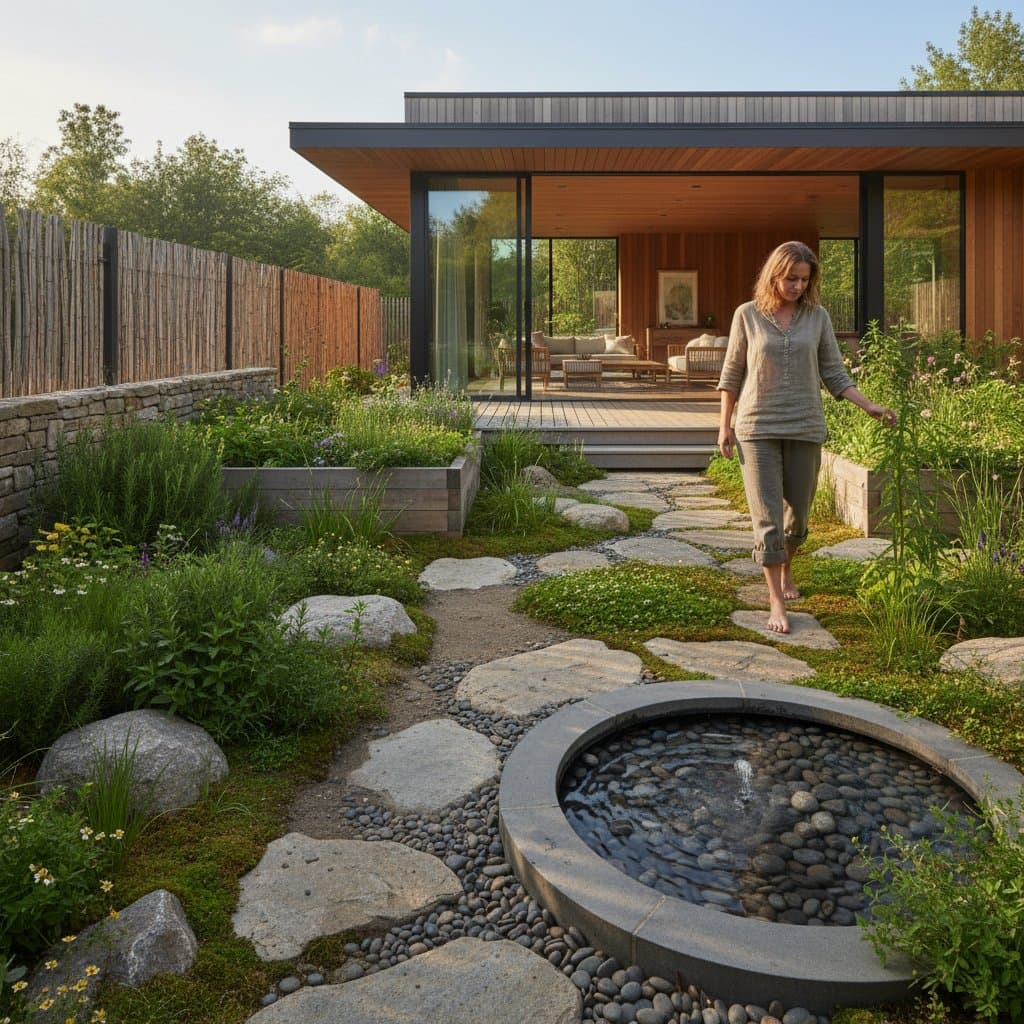
A grounding garden prioritizes unmediated interaction with organic elements. Consider expansive lawns suitable for barefoot strolling, polished stone trails, and fertile planting beds. The emphasis extends beyond visual appeal to immersive sensory encounters. Such designs eliminate synthetic barriers that typically distance people from the terrain.
Realistic Expectations for the Trend
Prospective creators should approach grounding gardens with pragmatism before dismantling existing features or reseeding turf. These spaces demand consistent upkeep. Organic pathways require periodic sweeping to remove debris. Earth-centric zones draw pollinators and necessitate vigilant moisture management.
Many enthusiasts err by viewing this as a superficial aesthetic shift. In reality, it constitutes a deliberate shift in daily habits. Welcoming nature intimately means accommodating its unpredictable aspects, from seasonal shifts to minor inconveniences. The payoff emerges in environments that pulse with vitality instead of contrived polish.
Essential Components of a Grounding Garden
Successful grounding gardens hinge on three core principles: varied textures, accessible contact points, and understated simplicity.
-
Organic Ground Coverings
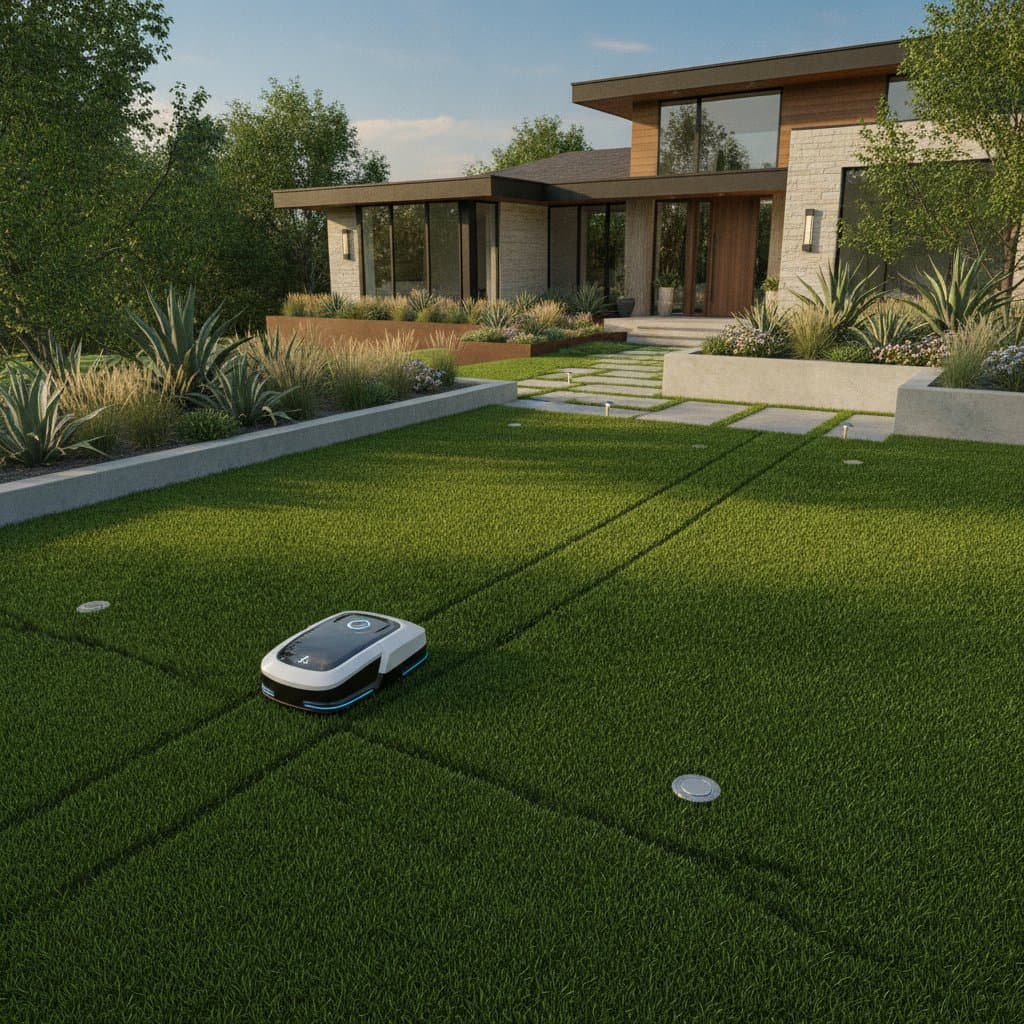
Opt for living alternatives to artificial surfaces. Fine-bladed grasses, resilient clover patches, or low-growing thyme form ideal walking areas. Steer clear of abrasive aggregates like coarse gravel or splintery wood mulch that might abrade bare skin.
-
Sensory Walkways
Arrange flat river rocks within firmly packed earth to form inviting paths. Maintain narrow gaps between stones to prevent stubbing toes, and monitor for shifts caused by freeze-thaw cycles, re-leveling as needed to preserve even footing.
-
Interactive Planting Areas
Integrate regionally adapted flora alongside touch-friendly herbs and ground-hugging perennials. Varieties such as peppermint, Roman chamomile, or shade-tolerant mosses thrive in these settings. Minimize synthetic fertilizers and pesticides, given the proximity of human contact to the earth.
-
Restful Retreat Spots
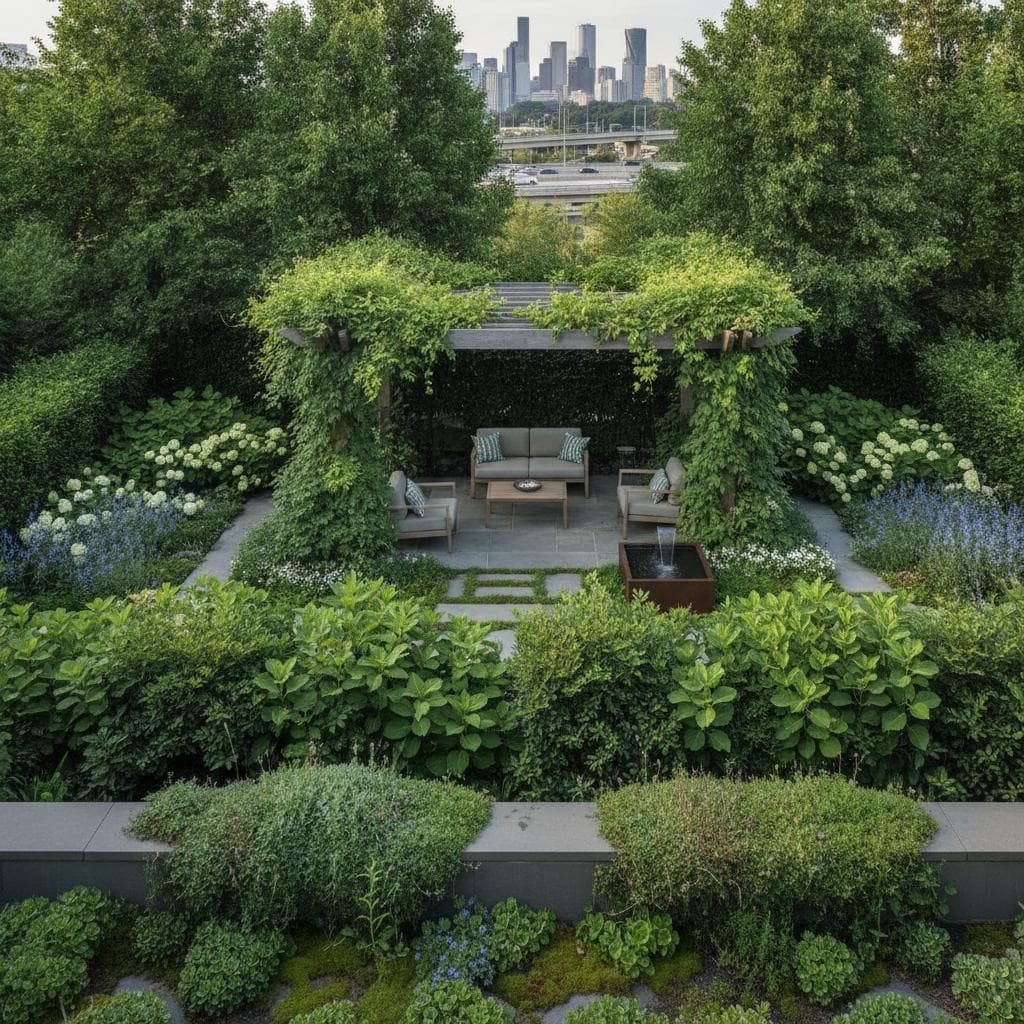
Incorporate minimal seating options to encourage pause. Position a low-slung timber seat, a swaying hammock, or a broad, sun-warmed rock as focal points. The intent centers on contemplation, free from ornate embellishments.
Essential Tools and Initial Setup
Basic projects require minimal specialized gear. Equip yourself with a robust digging spade for soil preparation, a wide-toothed rake for smoothing, a durable wheelbarrow for transporting materials, and a manual tamper for compacting bases. For stone installations, add a soft-faced mallet to adjust pieces without damage and a spirit level to confirm alignment.
Protect hands with sturdy gloves during soil handling and rock placement, despite the ultimate aim of direct skin-to-earth contact. Sketch a preliminary site plan on graph paper, outlining paths and beds. Test for water flow by observing rain patterns or simulating runoff to avoid waterlogged sections. For extensive hardscape removal, engage a specialist to assess slope stability and erosion risks.
Addressing Frequent Challenges
Settling earth often results in subtle depressions over time. Restore contours by adding screened topsoil, then tamp lightly to integrate without compacting excessively. Weeds pose a persistent issue; combat them through thick layers of organic mulch or vigorous planting of competitive groundcovers, avoiding chemical interventions that could linger on surfaces.
Pests demand thoughtful management. Introduce beneficial insects or companion plants like marigolds to deter aphids naturally, rather than resorting to residues that sensitize skin. Balance sunlight exposure carefully: excessive canopy fosters persistent dampness and slip hazards, while unrelenting direct rays parch the ground into an unyielding crust. Cultivate a blend of dappled shade from deciduous trees and sunlit clearings for versatile comfort.
Engaging Experts When Necessary
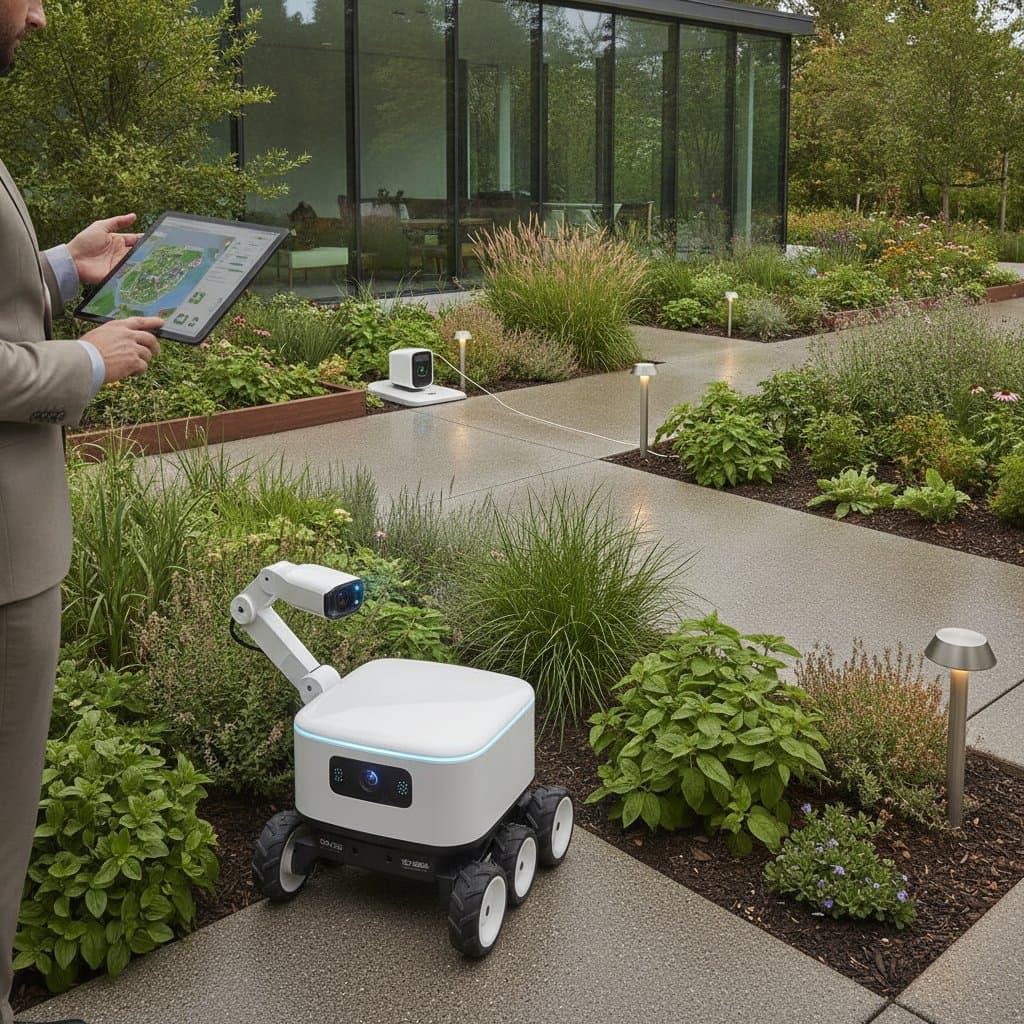
Delegate complex integrations to qualified landscapers. Elements like low-voltage pathway illumination, automated drip irrigation systems, or major earth-moving tasks warrant professional oversight. Mismanaged water features risk electrical hazards, and flawed contouring invites pooling or structural erosion near home foundations. Experts manage these technicalities, allowing focus on curating tactile and visual harmony.
Nurturing and Experiencing Your Grounding Garden
Established gardens mature organically, adapting to local microclimates and user patterns. Anticipate seasonal tweaks, such as trimming encroaching vines or refreshing path edges after heavy rains. Dedicate moments daily to barefoot exploration, starting with brief sessions to build tolerance and attune senses.
This practice amplifies the garden's restorative power, grounding routines in the present. Beyond fleeting styles, grounding gardens revive the profound intimacy of one's own landscape, fostering enduring harmony with the living earth.