Blend Zen Calm with Scandi Clean in Japandi Gardens
People seek peace in daily life, and a garden offers an ideal setting to achieve it. A Japandi garden provides that serenity by merging Japanese tranquility with Scandinavian minimalism. This combination results in outdoor spaces that feel grounded and unassuming. Envision the composure of a Zen courtyard alongside the open feel of Nordic aesthetics; this balance creates an inviting harmony.
What Defines a Japandi Garden?
Japandi represents a lifestyle philosophy centered on intentional living with fewer elements. It incorporates the Japanese wabi-sabi appreciation for natural flaws and the Scandinavian hygge focus on coziness. These influences yield a garden style that appears deliberate yet relaxed.
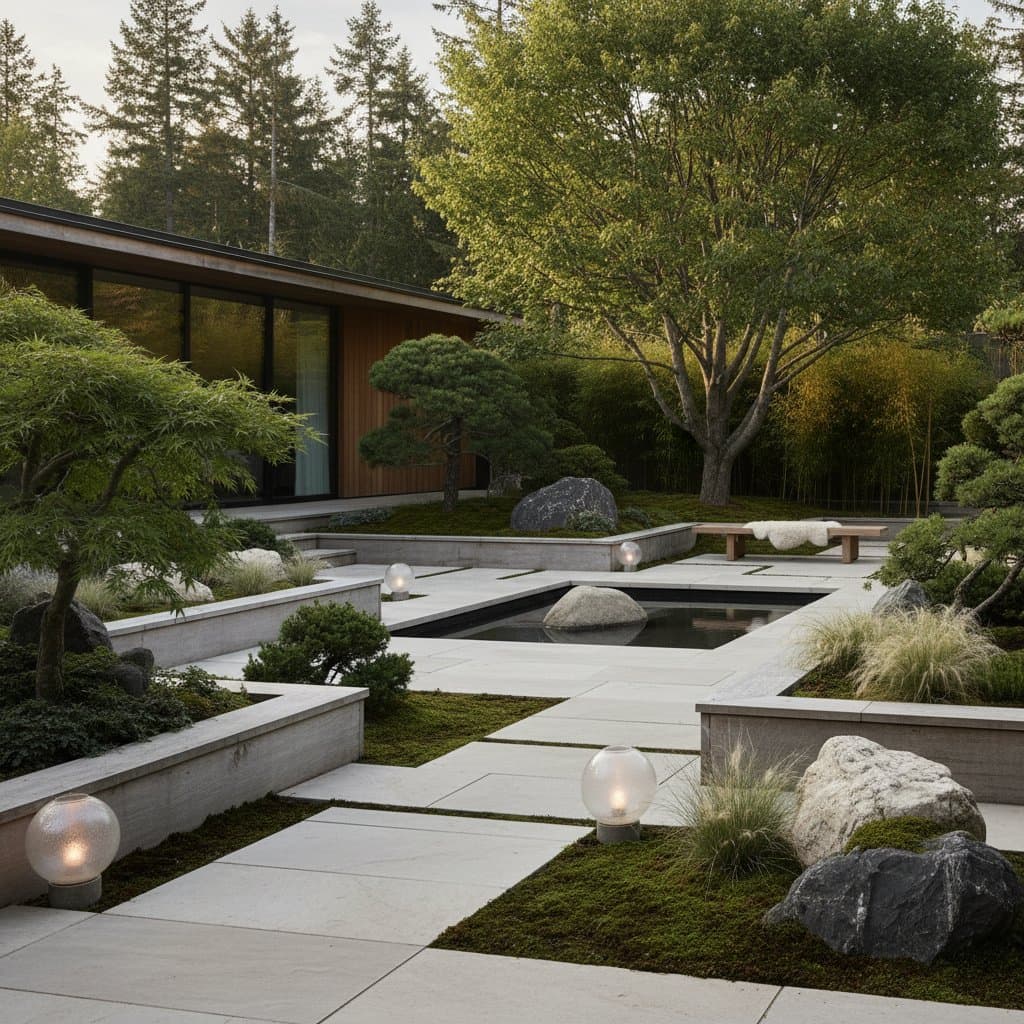
Central to Japandi is restraint in design. Each component serves a specific role. Expect gravel walkways, polished stone features, aged timber, and subtle foliage that enhances rather than dominates the scene.
Core Design Principles
Design a Japandi garden by applying these key concepts:
- Simplicity with purpose. Maintain a clean layout where every item contributes to aesthetics or well-being.
- Natural materials. Select stone, clay, bamboo, white oak, and linen-like surfaces that develop character over years.
- Balanced contrast. Pair light Nordic shades with richer Japanese tones such as charcoal, moss green, and warm earth.
- Nature connection. Incorporate authentic textures, like irregular stone paths or handcrafted pots, to foster genuineness.
- Intentional asymmetry. Avoid symmetry; slight imbalances promote a more organic and relatable appearance.
These elements combine to produce a space that endures across trends while remaining approachable.
Selecting Appropriate Plants
Choose plants for a Japandi garden to evoke composure and intention. Prioritize form, texture, and subtle color over bold displays. This approach curates an atmosphere of quiet elegance.
- Evergreens including boxwood, Japanese maple, or yew provide reliable structure and seasonal consistency.
- Ornamental grasses like Hakonechloa or Festuca introduce gentle motion with wind.
- Ground covers such as moss or creeping thyme mellow boundaries and occupy voids smoothly.
- Accent selections like bamboo or hostas build depth without crowding the area.
For floral interest, opt for understated, blooming options. White hydrangeas or soft peonies offer restrained pops of color. Emphasize open areas around plantings to amplify the sense of space.
Materials That Develop Character
Materials in Japandi design gain appeal through aging. Consider a cedar surface that weathers to silver under sunlight or a stone walkway refined by precipitation. These developments represent narratives rather than defects.
Select tactile, genuine surfaces for authenticity. Combine the following:
- Reclaimed wood for platforms or seats.
- Natural stone to outline paths and borders.
- Matte ceramic or terracotta containers for plantings.
- Woven containers to organize tools or display greenery.
- Linen or cotton fabrics in neutral hues for lounging zones.
Steer clear of glossy or artificial options. Prioritize substantial, textured items that connect users to the environment.
Incorporating Light and Shadow
Lighting elevates a Japandi garden to a more evocative level. Both Japanese and Scandinavian traditions view light as a mood enhancer beyond mere utility.
Favor diffused, warm illumination resembling natural glows. Install concealed pathway fixtures, freestanding lanterns, or simple candle arrangements to form soft highlights that encourage relaxation.
Position resting spots adjacent to reflective features like ponds or light-colored stones. Daily shifts in light create dynamic patterns, adding vitality without excess.
Ensuring Flow and Utility
A Japandi garden facilitates seamless navigation. Define routes, seating, and foliage clusters to direct movement intuitively. This merges Nordic functionality with Japanese contemplation.
First, identify intended uses for the area. Consider a secluded nook for tea, a compact fire feature for social evenings, or a reflective zone by water. Build around these with straightforward lines and unobstructed views.
Allow ample intervals between sections. Unoccupied areas provide visual and mental respite, enhancing overall tranquility.
Adapting to Compact Areas
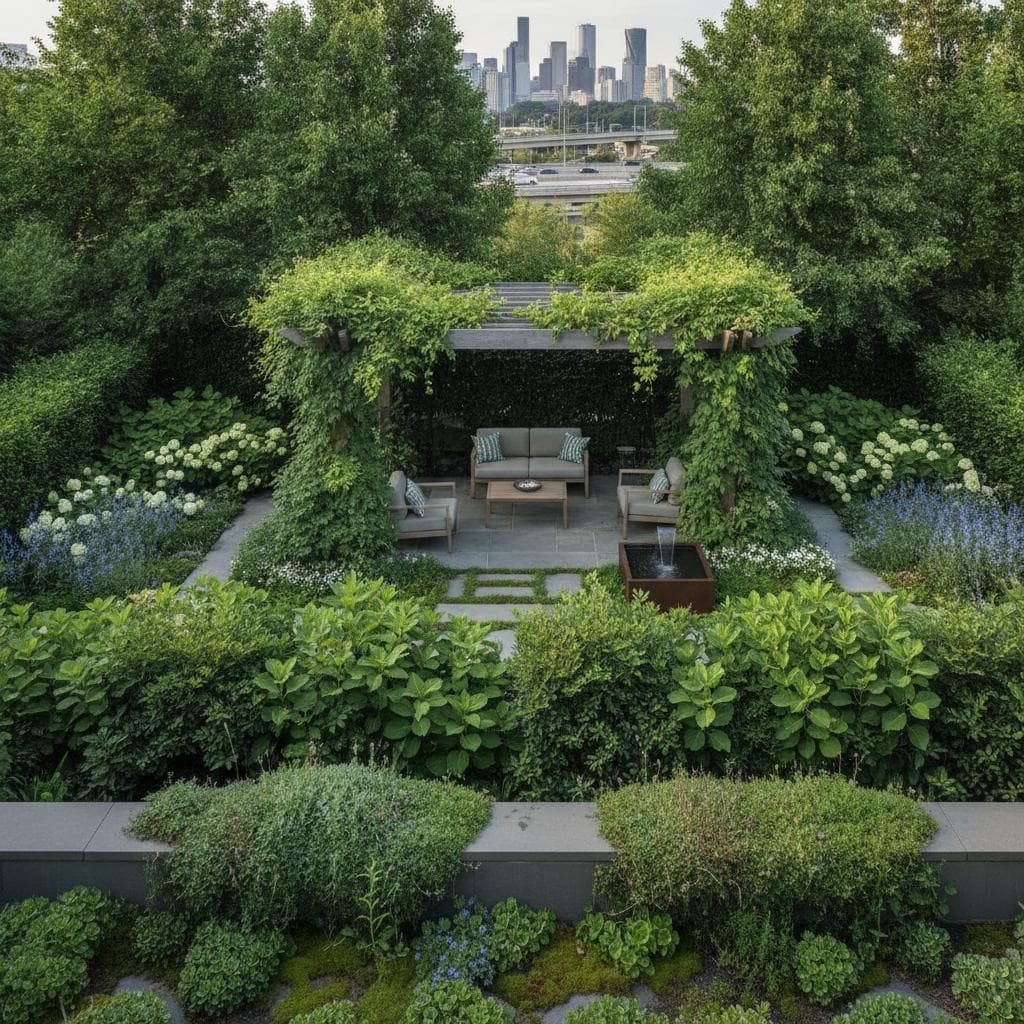
Japandi principles suit limited spaces effectively. Transform a balcony, terrace, or slender yard into a peaceful haven with targeted choices.
In constrained settings:
- Employ vertical features such as lattices or mounted planters to incorporate vegetation.
- Select modest furnishings finished in organic materials.
- Layer textures via pea gravel, modular wood tiles, and dwarf trees in pots.
- Restrict the palette to no more than three complementary shades.
Clarity and purpose make even modest areas feel boundless.
Nurturing the Garden Over Time
Japandi gardens thrive through gradual transformation. Allow moss to spread, timber to season, and flora to establish patterns. Welcome these shifts as integral to wabi-sabi beauty.
Maintain with minimal effort. Periodically clear gravel surfaces, trim judiciously, and permit natural processes to unfold. Harmony, not flawlessness, defines success.
To vary the ambiance, introduce seasonal items. Place lightweight cushions during warmer periods or textured blankets in cooler weather. These adjustments sustain vitality while preserving serenity.
Implementing Japandi Elements Step by Step
Begin modestly by focusing on a single garden section. Establish a basic lounge framed by bamboo screens and stone accents, or install a plain basin encircled by moss. Experience the resulting poise before extending the design.
Rely on personal judgment. Select elements that promote peace and truthfulness. Ultimately, effective design centers on emotional response rather than strict guidelines.
A Japandi garden fosters quiet reflection without demanding focus. It demonstrates that simplicity harbors profound beauty, integrating tranquility into routine moments. Prepare a beverage, venture outdoors, and allow the space to anchor daily existence.