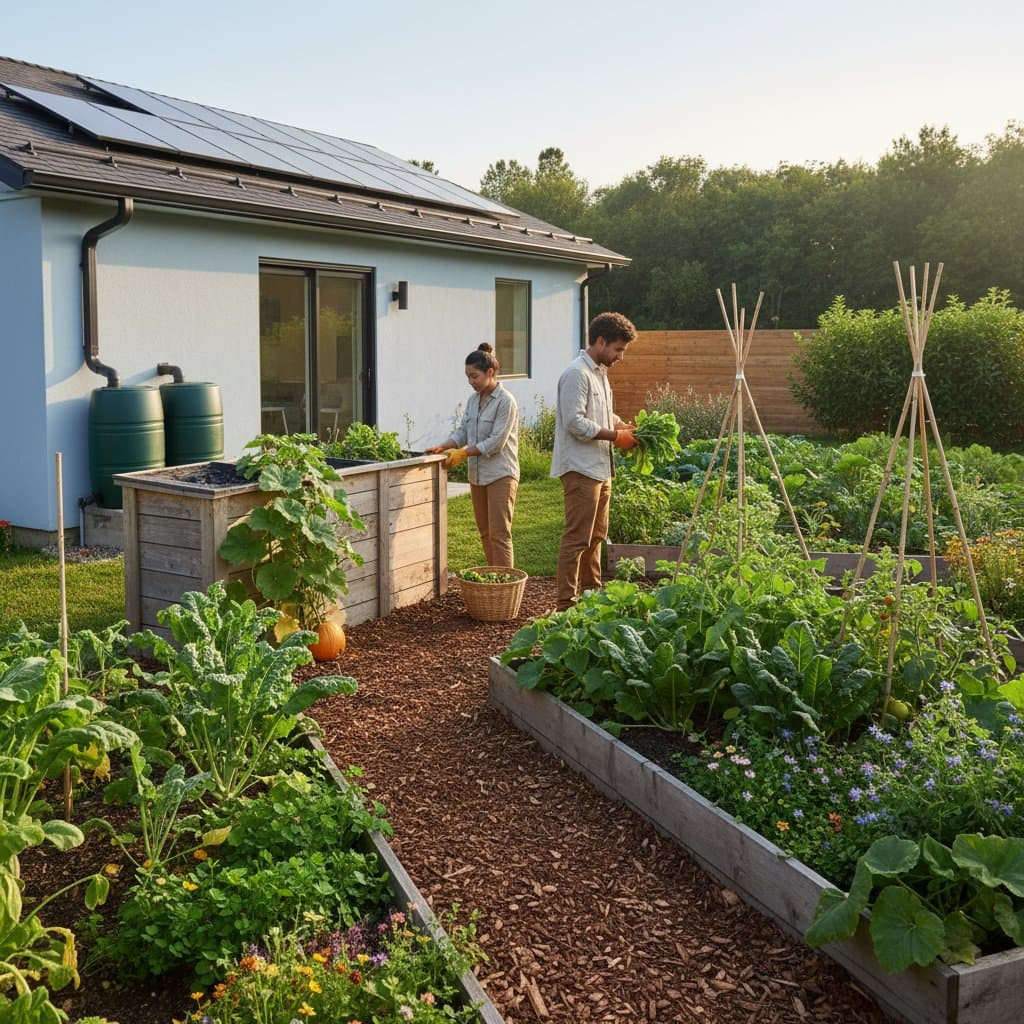
Grow Food and Fight Emissions with Victory Gardens
Key Points
- A home Victory Garden reduces your carbon footprint by providing fresh food and sequestering carbon in soil.
- Healthy soil functions as a natural carbon sink, capturing emissions that would otherwise contribute to atmospheric carbon dioxide.
- Homeowners require minimal investment and basic skills to establish a garden in small spaces.
- Practices such as composting, no-till farming, and perennial planting enhance soil health and promote sustained carbon storage.
- Selecting appropriate plants and maintenance techniques optimizes food production alongside environmental benefits.
The Modern Victory Garden Movement
Victory Gardens emerged during periods of wartime scarcity, when families cultivated vegetables and herbs to ease pressure on commercial supply chains and foster self-sufficiency. This tradition persists today with an enhanced focus on environmental impact. Contemporary Victory Gardens deliver nutritious produce while combating climate change through soil-based carbon sequestration and decreased reliance on industrially processed and transported foods.
Project Overview
Working Time: Three to six hours for initial setup, followed by one hour per week for ongoing care.
Total Time: A seasonal endeavor yielding persistent advantages.
Skill Level: Suitable for beginners to intermediate gardeners.
Estimated Cost: Between 50 and 300 dollars, varying by garden scale and selected materials.
Even modest areas yield significant results. A 100-square-foot plot can generate substantial harvests and foster noticeable soil enhancements. Success hinges on deliberate planning and sound techniques rather than hasty implementations.
When to DIY vs Hire
Most homeowners manage Victory Gardens independently, handling soil preparation, planting, and irrigation with ease. For raised beds, automated watering systems, or expansive compost setups, consult a local landscaper or carpenter for design and assembly. These elements remain accessible to DIY enthusiasts, provided heavy equipment is avoided. Improper use of machinery risks soil compaction, which undermines carbon sequestration capabilities.
Materials and Tools
Essential Materials
- Compost or well-aged manure to enrich soil.
- Mulch options including straw, wood chips, or shredded leaves for coverage.
- Organic seeds or young plants for initial planting.
- A soil test kit to evaluate pH and nutrients.
- Materials for raised beds, if desired, such as untreated wood or stone.
Basic Tools
- A garden fork or shovel for soil aeration.
- A hoe or hand trowel for weeding and planting.
- A rake to level surfaces.
- A watering can or drip hose for precise irrigation.
- A wheelbarrow for transporting materials.
Optional Additions
- A rain barrel to capture and store rainwater.
- A compost bin or tumbler to process organic waste.
- A soil thermometer to track conditions for microbial health.
Minimize expenses by sourcing reclaimed lumber for beds, utilizing household scraps for composting, and exchanging seeds within local networks.
Step-by-Step Process
1. Assess and Prepare the Site
Select a location receiving at least six hours of direct sunlight daily, with adequate drainage to prevent waterlogging. Steer clear of low-lying zones prone to pooling after rainfall. For compacted or clay-dominated soils, incorporate raised beds to facilitate better drainage and root development. Conduct a soil test to determine pH and nutrient profiles, then amend with compost to elevate organic content and bolster carbon retention.
2. Use No-Till or Low-Till Methods
Conventional tilling aerates buried carbon, converting it to atmospheric carbon dioxide. Apply an alternative by spreading compost over existing soil and sowing seeds or transplants directly. Earthworms and soil organisms gradually integrate the additions, enhancing fertility without disturbance. This strategy preserves carbon below ground while cultivating enduring productivity.
3. Choose Carbon-Sequestering Plants
Opt for perennials, fruiting shrubs, and deep-rooted herbs that outperform shallow-rooted annuals in carbon storage. Integrate asparagus, rhubarb, or berry varieties with staples like tomatoes and beans. Root vegetables such as carrots and beets aerate the soil profile and nourish subterranean microbes, amplifying sequestration.
4. Add Mulch and Cover Crops
Mulch conserves soil moisture, curbs erosion, and decomposes to contribute organic carbon. Apply a two-to-four-inch layer of organic material over planted areas. In off-seasons, sow cover crops like clover, rye, or vetch to outcompete weeds, enrich nitrogen levels, and supply biomass upon incorporation.
5. Water Efficiently
Excessive watering depletes nutrients and perturbs microbial ecosystems. Deliver deep, infrequent applications to encourage robust root systems, avoiding superficial daily routines. Employ drip lines or soaker hoses to minimize evaporation, target root zones, and lower disease incidence by keeping leaves dry.
6. Make and Use Compost
Composting transforms food scraps and yard debris into valuable soil enhancers, cycling carbon locally instead of permitting landfill methane emissions. Maintain equilibrium in the pile with greens like vegetable trimmings and browns such as dried foliage. Aerate by turning every two to three weeks to accelerate decomposition and prevent odors.
7. Harvest and Replant
Implement crop rotation annually to preserve nutrient equilibrium and deter pests. Gather produce at optimal ripeness, then promptly replant to sustain vegetative cover. Year-round root presence ensures ongoing carbon uptake and soil protection.
Quality Control and Long-Term Results
Examine soil texture; it should crumble easily when moist, indicating vitality, rather than clumping rigidly or dusting finely. Observe indicators of ecosystem health, including earthworms and mycelial networks. Address plant stress through yellow foliage or stunted growth by verifying drainage and nutrition, favoring organic inputs over synthetics that harm biology.
As seasons progress, the garden gains resilience and efficiency. Accumulated plant residues accumulate organic matter, deepening carbon reserves. Benefits include reduced weed pressure, superior water holding, and elevated produce quality.
Maintenance and Seasonal Adjustments
Shield soil continuously with mulch, cover crops, or natural debris, regardless of season. Replenish compost in spring and autumn to sustain fertility. In arid areas, harvest rainwater for targeted use during droughts. Raised structures in temperate zones accelerate spring warming and prolong harvests.
Monitor for deficiencies via symptoms like languid growth or discoloration. Respond with compost top-dressing or vermicompost applications, nurturing microbial activity and fortifying carbon dynamics over time.
Pro Tips for Success
- Begin with a compact plot and scale up as proficiency increases to ensure consistent care.
- Establish perennials as foundational elements for reduced annual labor and persistent root-based sequestration.
- Maintain a journal documenting plant performance, yields, and soil metrics to refine practices.
- Engage community members through shared resources and harvests to amplify collective sustainability efforts.
- Eliminate exposed soil surfaces to forestall carbon erosion and weed establishment.
Sustaining Gains Through Mindful Expansion
Continued attention to these principles transforms a simple garden into a robust ally against climate challenges. Homegrown abundance not only nourishes but also contributes to global carbon balances. Embrace this practice to cultivate personal resilience and environmental stewardship, reaping rewards that endure beyond each harvest.