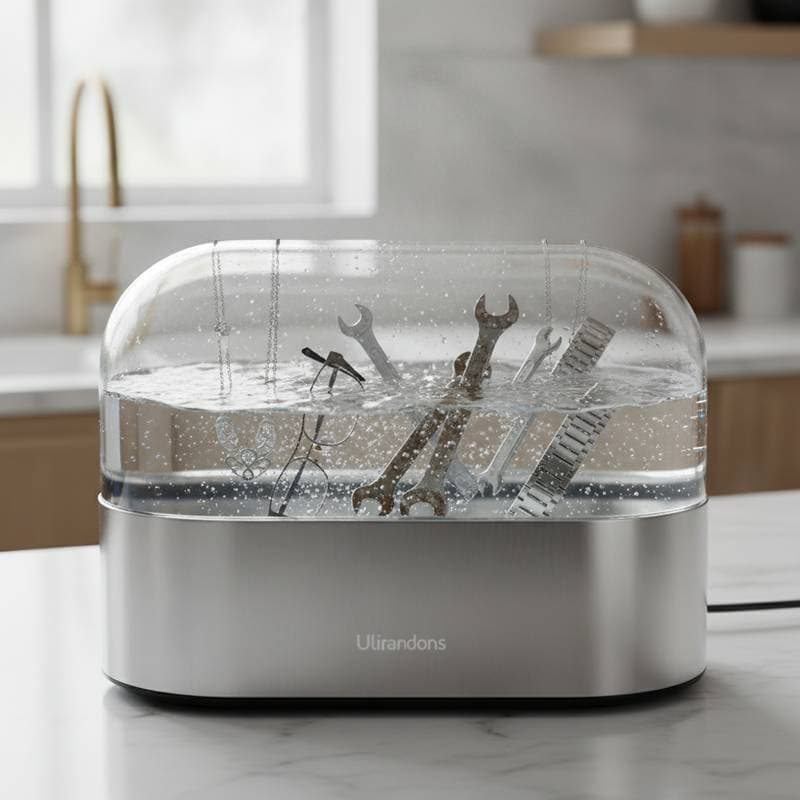
Understanding Ultrasonic Cleaning
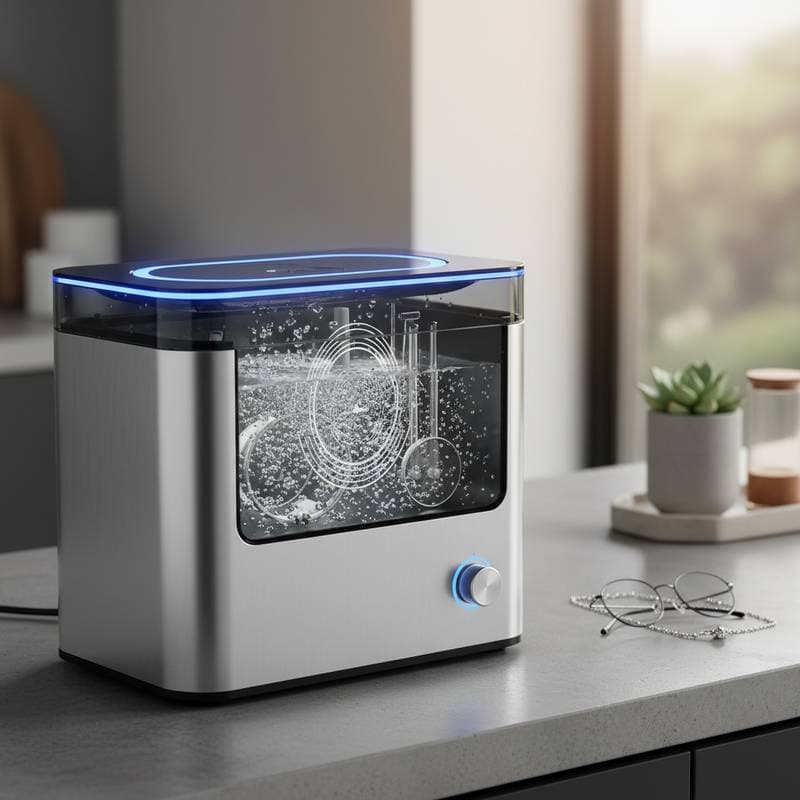
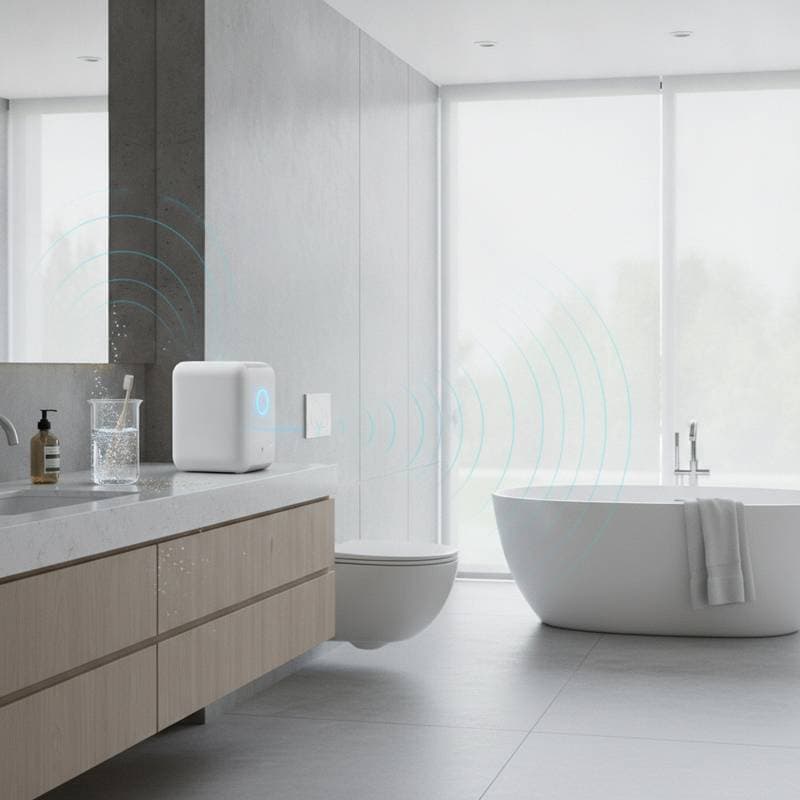
Ultrasonic cleaning relies on high-frequency sound waves transmitted through water to eliminate dirt, oils, and residues from various surfaces. This method generates millions of tiny cavitation bubbles that expand and collapse, creating a gentle scrubbing action at a microscopic level. Unlike traditional brushing, which often misses intricate details, ultrasonic waves penetrate crevices and complex shapes, ensuring a uniform clean.
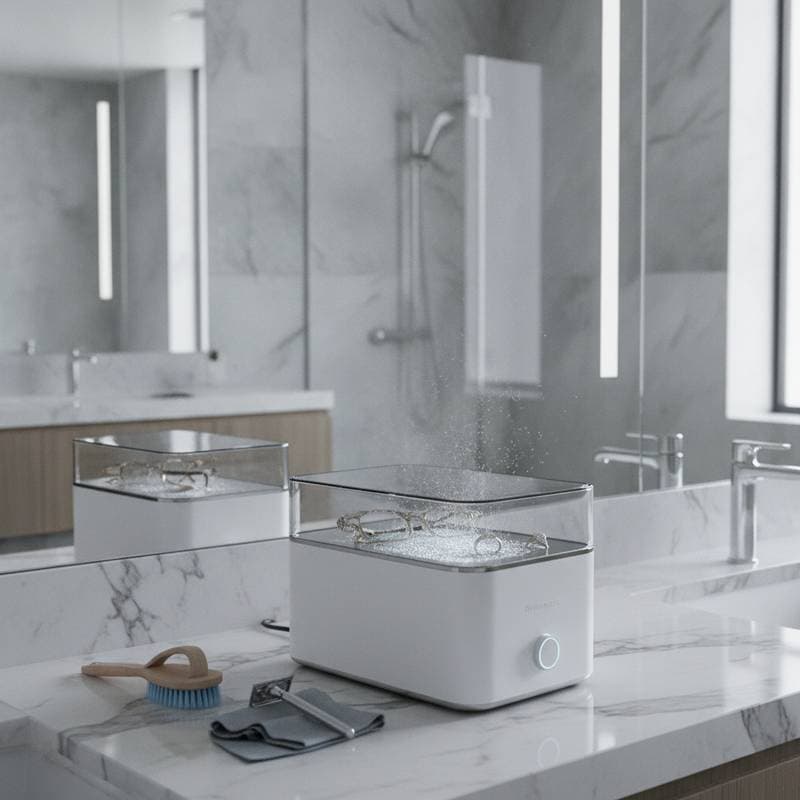
Homeowners appreciate this technology for its efficiency in handling items that demand careful treatment. Jewelry tarnished by daily wear, eyeglasses fogged with fingerprints, and small mechanical parts coated in grease all benefit from this non-abrasive approach. The result is restored clarity and shine with minimal intervention from the user.
Project Overview
Deciding Between DIY and Professional Services
Ultrasonic cleaners excel for routine household maintenance, handling tasks like refreshing gold rings, cleaning spectacle lenses, or degreasing precision tools. The process preserves the integrity of metals, plastics, and glass without risking scratches or chemical damage. Users often report that items emerge brighter and freer of buildup than after manual efforts.
Consider professional assistance for more demanding scenarios, such as restoring antique silverware with intricate engravings or servicing large engine components. Experts employ industrial-grade machines with adjustable frequencies and potent solutions tailored to specific materials. Mishandling such items at home could lead to unintended corrosion or structural compromise.
Essential Materials and Tools
Gather these basics to ensure optimal performance:
- Ultrasonic cleaning unit suited to your needs
- Clean water, with distilled water recommended to minimize mineral deposits
- Mild detergent formulated for ultrasonic use or a specialized cleaning solution
- Soft cloths or microfiber towels for gentle drying
Optional items enhance the experience, such as mesh baskets to organize and protect pieces during cycles, or protective mats to cushion fragile objects. Consult the unit's manual to verify solution compatibility, as incompatible chemicals might etch the tank interior or harm cleaned items. Proper selection prevents common pitfalls and extends equipment longevity.
Detailed Step-by-Step Guide
Follow these steps for reliable results every time.
-
Prepare the Unit: Pour water into the tank up to the marked fill line. Introduce a measured amount of cleaning solution, following dosage guidelines to avoid excess suds.
-
Load Items Carefully: Arrange objects in the basket, ensuring no overlap or contact between pieces. This spacing allows waves to circulate freely and reduces the chance of surface marks.
-
Set the Timer: Select a duration from 3 to 10 minutes, opting for the shorter end for sensitive materials like pearls or thin gold plating. Many units include presets for common tasks.
-
Run the Cleaner: Activate the device and observe as cavitation bubbles form and burst, methodically removing contaminants. The quiet hum indicates active processing without the noise of mechanical agitation.
-
Inspect and Rinse: Retrieve items promptly after the cycle ends. Rinse under lukewarm running water to remove any lingering solution, then pat dry immediately to prevent water spots.
-
Maintain the Unit: Drain the tank completely, wipe surfaces with a damp cloth, and air-dry before storage. Regular cleaning of the unit itself prevents residue accumulation that could impair future performance.
Ensuring High-Quality Outcomes
Success hinges on precise timing and appropriate solution concentration. Overfilling the tank restricts wave propagation, while excessive detergent creates foam that diminishes cleaning power. If results fall short, such as persistent dullness on silver, refresh the water and extend the cycle by 1 to 2 minutes.
Monitor item temperature post-cleaning, as prolonged exposure might warm delicate pieces. For metals prone to oxidation, a quick post-rinse inspection confirms thoroughness. This methodical approach maximizes the technology's potential while minimizing rework.
Advanced Tips for Optimal Results
Incorporate these strategies to elevate your cleaning routine:
- Opt for distilled water consistently to eliminate hard water stains on both the machine and cleaned objects.
- Steer clear of porous substances like wood, fabric, or leather, as they may swell or discolor upon water exposure.
- Refresh the solution after every few uses to sustain its efficacy and avoid contamination.
- For metal tools or hardware, ensure complete drying followed by a thin application of protective oil to ward off rust formation.
- Schedule monthly deep cleans for the unit by running an empty cycle with a vinegar-water mix to dissolve scale buildup.
Experiment with temperature settings if your model includes a heater; warmer solutions accelerate grease removal from oily parts. Track usage patterns to identify ideal cycles for specific items, building efficiency over time.
Elevating Home Care with Precision Technology
Ultrasonic cleaners integrate advanced sound-wave principles into accessible home tools, simplifying the upkeep of cherished possessions. From revitalizing heirloom jewelry to maintaining workshop essentials, they deliver spotless finishes that enhance longevity and appearance. Embrace this method to reclaim time once spent on laborious scrubbing, fostering a cleaner environment with effortless sophistication.