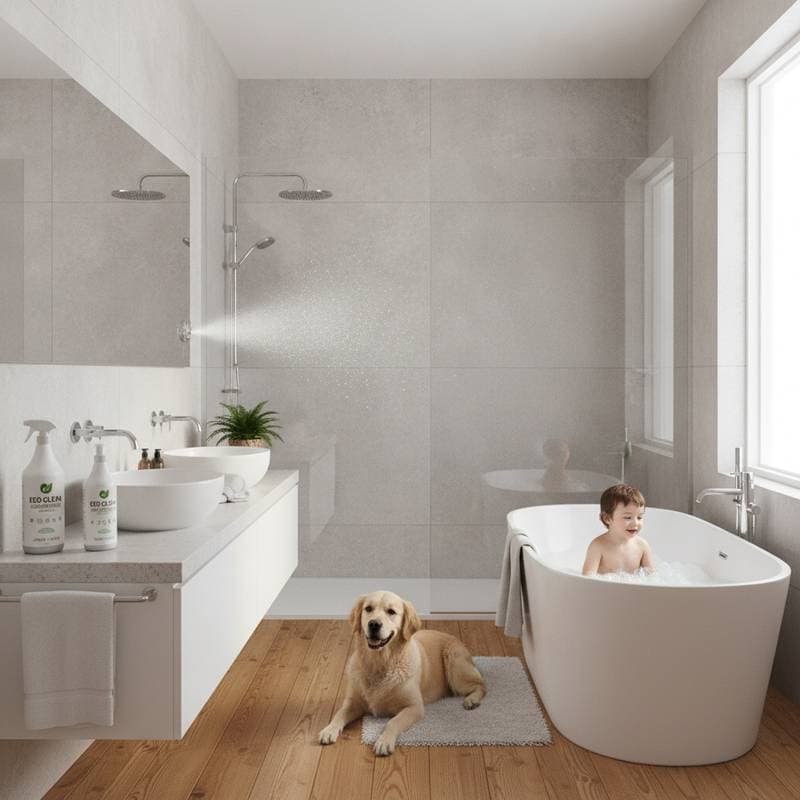
How Ultrasonic Wands Simplify Bathroom Cleaning
Bathroom maintenance often involves persistent challenges with soap scum, mineral deposits, and mildew. Ultrasonic cleaning wands address these issues through high frequency sound waves that dislodge buildup at a microscopic level. This approach reduces physical effort while delivering consistent results across various surfaces.
Understanding the Technology
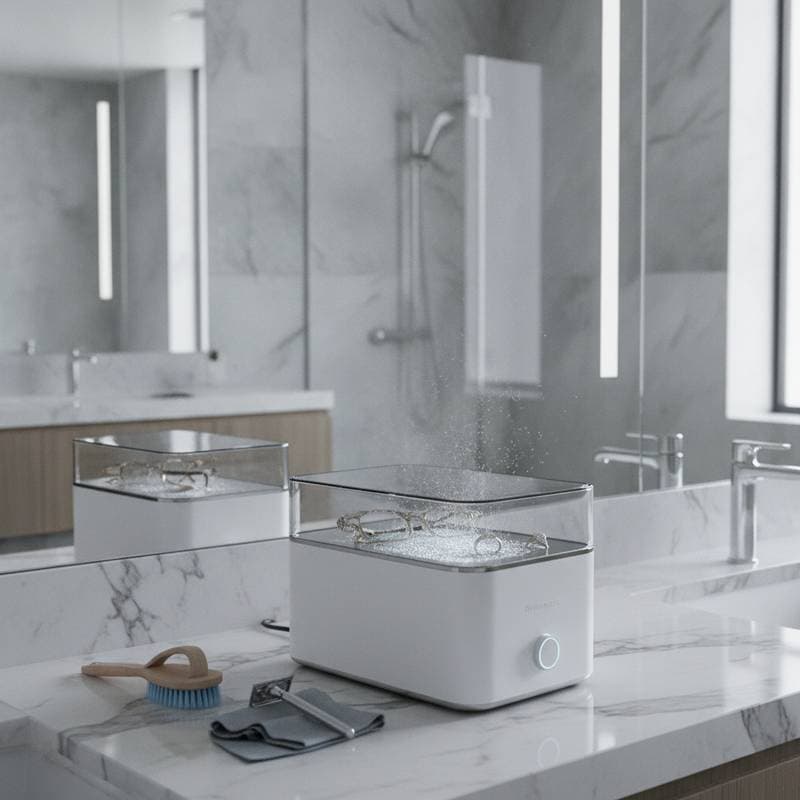
Ultrasonic cleaning relies on the creation and collapse of microscopic bubbles in liquid. These bubbles generate energy bursts that separate dirt from surfaces without abrasion. Handheld wands adapt this principle for home use by vibrating at frequencies that penetrate grout lines, crevices, and textured tiles.
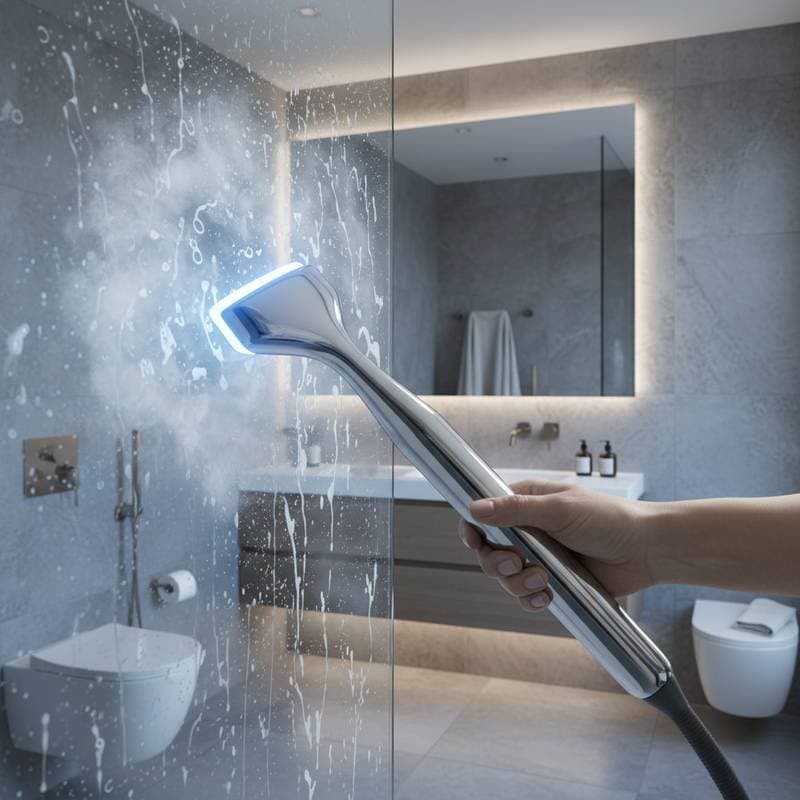
Users apply the wand tip to wet areas treated with water or a mild solution. The process loosens contaminants that would otherwise require repeated scrubbing. This method works effectively on both smooth fixtures and porous materials.
Suitable Surfaces and Applications
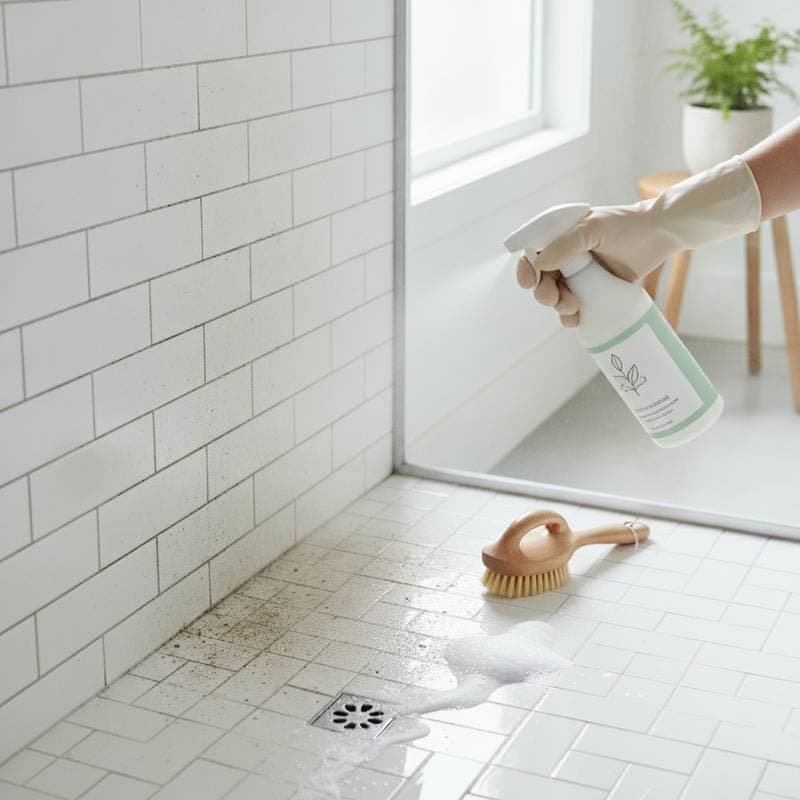
- Grout lines between tiles that retain discoloration
- Faucet bases affected by hard water spots
- Shower door tracks that accumulate slime and debris
- Toothbrush holders and soap dishes with hidden buildup
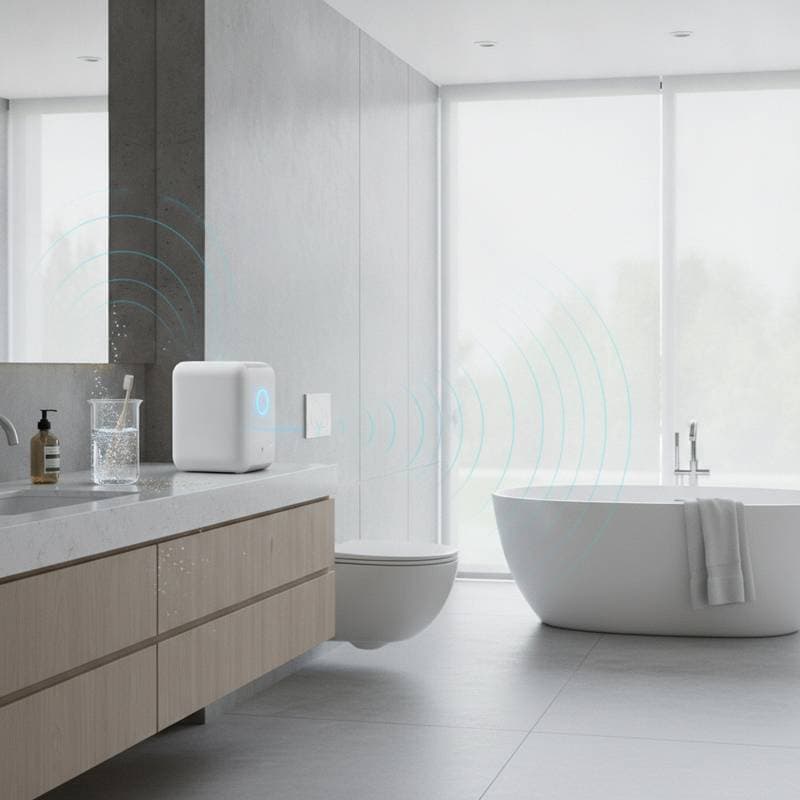
The sound waves travel through moisture, allowing cleaning action even in spots where direct contact proves difficult. This capability makes the tool valuable for detailed work around drains and corners.
Practical Usage Steps
Prepare the area by misting surfaces with water or a compatible cleaning solution. Activate the wand and guide it slowly over targeted zones. Maintain steady movement without applying pressure.
Wipe the surface with a cloth after treatment to remove loosened material. Repeat the process on heavily soiled sections as needed. Charge the device fully before extended sessions to avoid interruptions.
Comparison with Conventional Tools
Traditional brushes and electric scrubbers move dirt across surfaces. Ultrasonic wands break apart particles at their source. This distinction leads to several practical differences:
- Greater access to microscopic pores and narrow gaps
- Reduced risk of surface scratches on chrome or glass
- Lower reliance on strong chemical agents
- Quieter performance during operation
These features support longer lasting finishes on fixtures and tiles.
Considerations for Effective Results
Battery capacity requires monitoring during initial uses. Regular charging maintains readiness for weekly touch ups. Some models include adjustable intensity settings that accommodate delicate versus heavy duty tasks.
Pet owners may notice sensitivity to the operational hum. Short test sessions help assess reactions before full application. The tools perform best on damp surfaces, so dry areas need pre moistening.
Environmental and Health Advantages
Reduced chemical consumption represents a notable benefit. Many tasks complete successfully with water alone. This practice decreases drainage of cleaning agents and limits fume exposure in enclosed spaces.
Individuals with respiratory sensitivities gain particular value from this method. Surface preservation also extends the lifespan of bathroom installations.
Building an Ongoing Maintenance Plan
Incorporate the wand into routines focused on high impact zones such as shower grout and faucet surrounds. Combine it with periodic disinfection using standard products. Store the device near other frequently used tools for convenient access.
Consistent application leads to sustained cleanliness with less accumulated effort over time.