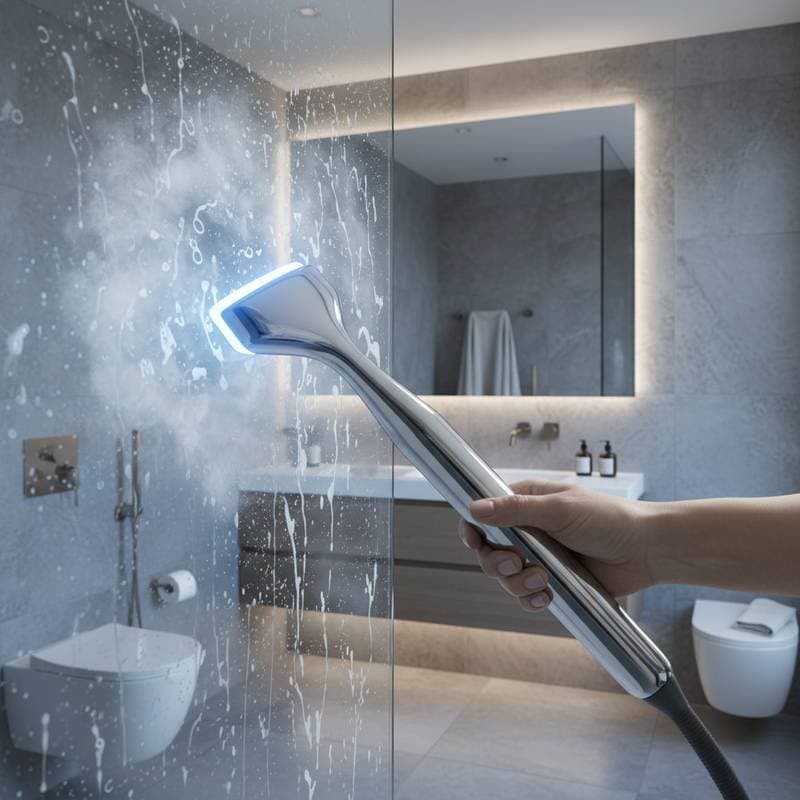
Ultrasonic Cleaners Reach Areas Brushes Cannot Access
If you have spent hours scrubbing grime from jewelry, bathroom fixtures, or kitchen tools, you already know how stubborn household dirt can be. Traditional methods take too long and rarely reach every crevice. Ultrasonic cleaners change that reality. What started as a specialized tool for jewelers and labs has become a practical solution for everyday home use.
How Ultrasonic Cleaning Works
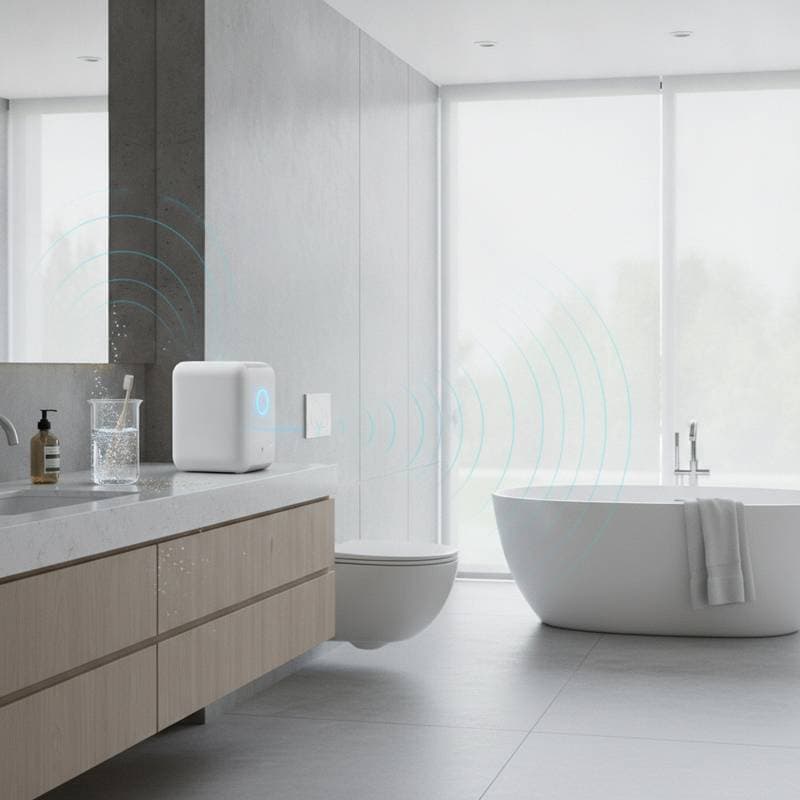
Ultrasonic cleaning uses high-frequency sound waves to create microscopic bubbles in a liquid solution. These bubbles collapse with enormous energy and dislodge dirt, oils, and microscopic debris from object surfaces. The process is called cavitation. It remains gentle on most materials.
Sound waves reach places that brushes and cloths cannot. They clean the threads of screws, the inside of faucet aerators, and the curves of eyeglass frames. Compact models now fit comfortably in a laundry room or workshop.
Limits of Home Ultrasonic Cleaning
Items Suitable for Ultrasonic Cleaning
When used properly, these devices handle a surprising variety of household items.
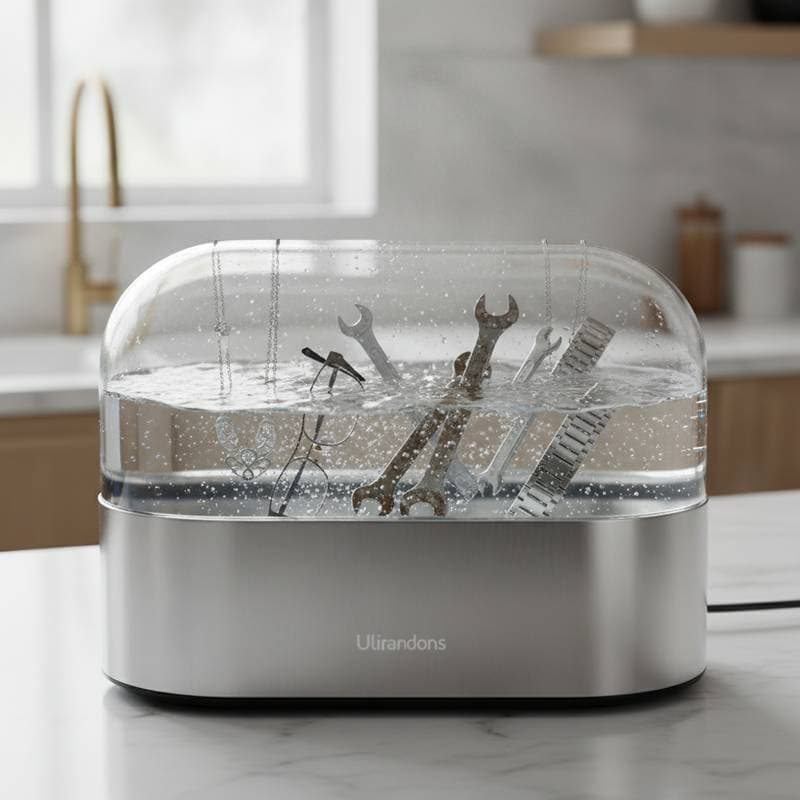
- Jewelry and watches: remove body oils, lotions, and dirt from tiny crevices. Remove watch movements first.
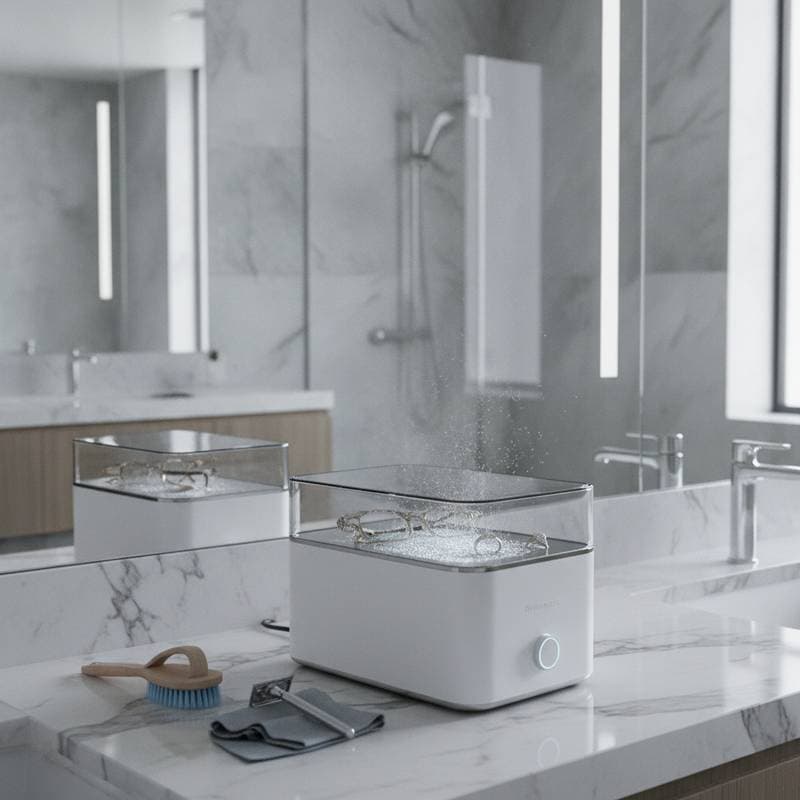
- Eyeglasses and sunglasses: clear grime around hinges and lenses without scratching.
- Kitchen utensils and small tools: clean stainless steel or metal implements that accumulate grease.
- Bathroom fixtures: restore faucet aerators, shower heads, and razor parts.
- Electronics components: clean circuit boards and mechanical keyboard keys if dried carefully afterward.
- Automotive parts: degrease carburetor jets, valves, and small engine components.
A surface can look spotless yet still hold invisible buildup. Ultrasonic action removes that hidden layer.
Selecting a Suitable Unit
A homeowner needs only a tabletop cleaner with a tank capacity between one and three liters. Stainless steel tanks last longer and tolerate higher temperatures. Look for adjustable timers and a heating option.
Consider these features:
- Frequency rating: most home units operate around 40 kHz. This setting suits general cleaning. Lower frequencies hit harder but may damage delicate items.
- Power output: higher wattage improves intensity yet raises noise and heat. Moderate power protects mixed materials.
- Basket and lid design: a good basket keeps items off the tank bottom. A tight lid reduces noise and prevents splashing.
Avoid the cheapest models. Consistent performance depends on precise transducers.
Safe Operation and Upkeep
Always plug the unit into a grounded outlet and keep it on a stable surface. Never fill the tank above the marked line or run it empty. Heat builds quickly without liquid to absorb energy.
Drain and wipe the tank dry after each use. Replace the solution when it becomes cloudy. Ventilate the room well when oils or solvents are involved.
Results That Match Professional Standards
The process feels effortless. You submerge the item, press a button, and watch dirt release. Microscopic action produces professional-level results without heavy scrubbing or harsh chemicals.
Ultrasonic cleaners work best as part of a broader routine. Wipe, rinse, and polish surfaces afterward. They handle fine details that normal tools miss.
Situations That Require Professional Service
Antique jewelry, precision instruments, or high-value electronics benefit from specialist care. Professionals use controlled frequencies and fluids designed for sensitive materials. The small cost of service provides peace of mind for items with sentimental or financial value.
Practical Steps for Best Results
- Pre-rinse very dirty items to remove loose debris.
- Use warm water to improve cavitation, yet stay within material limits.
- Leave space between items so sound waves circulate freely.
- Choose distilled water when tap water is hard.
- Dry items thoroughly after cleaning to prevent corrosion.
Build Consistent Cleaning Habits
An ultrasonic cleaner quickly becomes a regular tool for kitchen items, hobby equipment, and household fixtures. Empty the tank after each session and replace fluid often to maintain performance.