Design Tech-Free Dining Rooms for Stronger Family Bonds
A dining room without screens can feel almost radical. Yet it might be exactly what your home needs. Phones, tablets, and televisions have quietly taken over what was once the most social room in the house. Reclaiming that space for conversation, laughter, and connection starts with thoughtful design choices.
These choices make technology less tempting and togetherness more natural. You do not need a major renovation or fancy furniture to make it happen. A few smart tweaks and a clear intention turn your dining room into a true gathering place again.
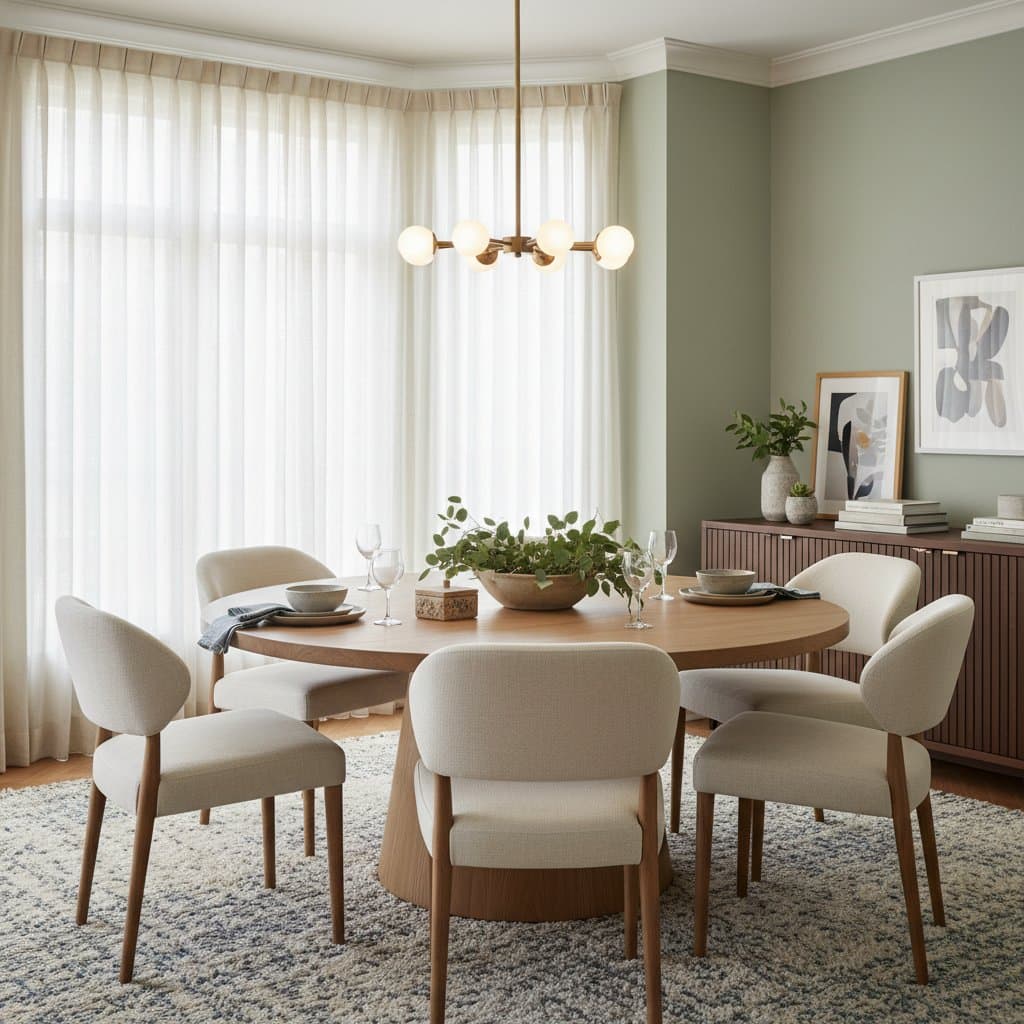
Choose Lighting That Encourages Presence
Lighting sets the emotional tone of a room. In a tech-free dining space, select light that feels warm, flattering, and quietly focused. Avoid harsh overhead fixtures or anything too bright. Such options can feel sterile and make it harder to relax.
Simplify the Decor for a Calmer Atmosphere
A cluttered dining room competes for attention. Keep decor minimal but meaningful. Think of a few pieces that invite calm rather than distraction.
Try these simple ideas:
- A vase with greenery or seasonal flowers
- Textured placemats or linen napkins
- A low bowl filled with fruit
- Framed art that sparks conversation
Designer Amira Patel of Studio Kindred says, When everything on the table has purpose, the space feels intentional. It creates mental space for connection. Avoid decor with words, busy patterns, or bright digital clocks that pull focus from the people around you.
If you love color, choose warm, natural tones like deep greens, soft terracotta, or muted blues. These shades help the room feel grounded and timeless.
Make Seating Comfortable Enough to Linger
No one wants to sit and talk if the chair feels stiff or awkward. Comfortable seating encourages longer meals and deeper conversations. If your dining chairs are hard or uninviting, try adding simple cushions or upholstered pads.
Pay attention to proportion too. The seat height should generally be about 18 inches. Pair it with a table height around 30 inches. This combination ensures comfortable posture and ease of movement.
If you have mismatched chairs, do not worry. Eclectic seating can make the space feel more approachable. Just make sure each seat feels sturdy and supportive. A bench on one side of the table can also make family-style dinners more relaxed and flexible.
Add Sound That Supports Connection
A tech-free dining room does not need to be silent. Soft background sound can help fill pauses and create atmosphere. Instead of turning on a television, try gentle instrumental music or ambient playlists played from another room. If possible, use a small speaker that blends into the background rather than sitting on the table.
Designer Leo Hammond from Willow and Pine Interiors says, Sound is emotional. When it is subtle and layered, it encourages people to stay longer. But if it is too dominant, it becomes another form of distraction.
If you have children, consider letting them choose a dinner playlist once a week. It gives them ownership of the ritual and keeps the focus on shared experience rather than screens.
Create Rituals That Replace Screen Time
Even the most beautiful dining room cannot compete with phones if habits stay the same. Replace screen time with small rituals that make meals feel special. Light candles together. Take turns sharing one good thing about the day. Or start a family question jar filled with conversation prompts.
These small traditions transform ordinary dinners into something memorable. They also give everyone a sense of belonging. Over time, these rituals become the reason people look forward to sitting down together.
You can even extend the ritual to setup and cleanup. Invite family members to help set the table or clear dishes as a team. When everyone takes part, the meal feels shared from start to finish.
Keep Tech Out of Sight but Not Out of Reach
Committing to a tech-free dining room does not mean you have to live without convenience. The key is discretion. If you use smart lighting or a digital assistant, keep devices hidden inside cabinets or behind decor. You can still enjoy voice-controlled lighting or music without having screens visible.
If you rely on your phone for emergencies, place it on silent mode and keep it in a nearby drawer. This subtle boundary lets you stay accessible without letting technology dominate the experience.
Designer Emily Ford from Hearth Studio advises, Design with honesty. If you know you will need your phone nearby, plan a place for it that feels deliberate. That way, the rule becomes part of the design rather than a constant temptation.
Sustaining Daily Connection
Once your space feels calm, it is easier to notice how different mealtime becomes. Conversations last longer. Food tastes better. Everyone seems a little more relaxed. You may even start to look forward to dinner as a daily pause from constant notifications.
Give yourself grace as you adjust. There will be days when someone forgets or sneaks a glance at a phone. The goal is not perfection but consistency. Over time, the habit of connecting face to face becomes second nature.
If you want to build on the idea, consider extending the no-tech approach to other shared spaces. Try your living room for weekend coffee or your patio during evening meals. Each space adds another layer of intentional living.