Enzyme Cleaners Excel Over Bleach for Persistent Stains
Stains appear unexpectedly in every home, from red wine spills on upholstery to pet accidents on rugs or food marks on clothing. Bleach has long been the go-to remedy for its disinfecting power, yet modern cleaning innovations position enzyme cleaners as the more effective choice.
These biological solutions address stains comprehensively, ensuring surfaces remain clean long-term. Homeowners benefit from reduced recurrence of marks and odors when switching to this approach.
The Mechanism of Enzymes Versus Bleach in Stain Removal
Bleach works by oxidizing and lightening stains, which creates a temporary visual improvement without removing the organic components. In contrast, enzyme cleaners use natural proteins to break down stains into simpler, water-soluble molecules. This process eliminates the source material entirely, preventing stains from reappearing.
The Biological Science Driving Enzyme Cleaners
Enzymes are specialized proteins that catalyze specific chemical reactions, targeting particular organic molecules with precision. Different types handle distinct stain components, enabling tailored cleaning.
Protease enzymes target proteins in substances like blood, grass stains, or milk. Amylase breaks down starches in sauces, cereals, or baby food. Lipase dissolves fats and oils from kitchen grease or oily soils on fabrics.
When applied, enzymes immediately begin digesting the stain, converting it into easily rinsable byproducts. This gentle method protects fabrics and surfaces while outperforming harsher chemicals. For instance, a coffee stain on a couch might fade with bleach, yet the underlying tannins and proteins persist, causing odor. Enzymes fully degrade these elements, restoring both appearance and freshness without fiber weakening.
Eco-Friendly and Safety Benefits of Enzyme Cleaners
Enzyme cleaners minimize environmental harm by avoiding volatile compounds and chlorine releases common with bleach, which contribute to air and water pollution. They break down naturally, leaving no toxic residues in ecosystems.
Users experience fewer respiratory issues, as these products lack bleach's irritating vapors. Once dry, they pose no danger to children or pets, unlike bleach that demands extensive rinsing and ventilation.
Materials last longer with enzyme use, as bleach's oxidation can weaken cotton, fade colors, or damage grout over time. Enzymes preserve wool, silk, and stone without aggressive action, supporting durable home care.
Step-by-Step Guide to Using Enzyme Cleaners Effectively
Proper application maximizes enzyme cleaners' potential. Begin by blotting excess substance with a clean cloth to lift liquids or solids, avoiding rubbing that pushes particles deeper.
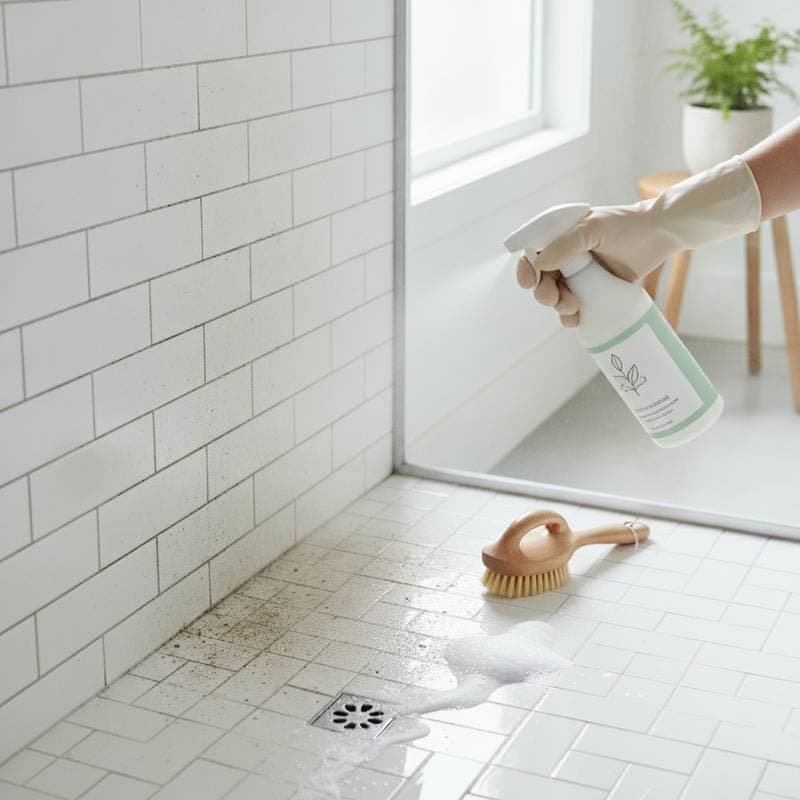
Saturate the stain generously with the cleaner to activate enzymes fully. Let it dwell for 10 to 15 minutes, or up to an hour for older stains, allowing complete molecular breakdown.
Rinse with water or use a wet vacuum to extract residues, then air dry completely. For set-in stains, apply again after 24 hours if needed, preventing over-wetting.
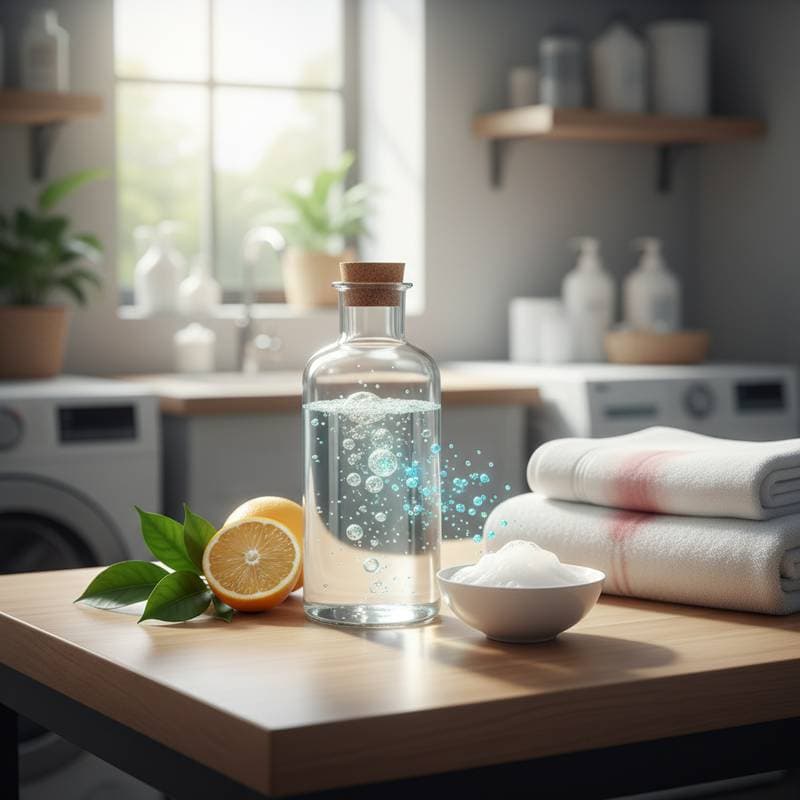
Test products on hidden areas first to confirm colorfastness and material compatibility. In laundry, pretreat with enzyme boosters on sweat-stained collars or food-spotted cuffs before washing for optimal results.
Professionals in hotels and clinics favor enzymes for odor control in busy spaces. Regular home use cuts down on intensive cleaning sessions, conserving effort and supplies.
Long-Term Advantages of Enzyme Cleaners in Household Routines
Incorporating enzyme cleaners enhances overall sanitation by neutralizing odors at their origin, creating fresher living areas without artificial fragrances. Fabrics and furnishings maintain quality longer, reducing the need for frequent replacements.
Families with chemical sensitivities gain from lower irritant exposure, promoting better health. This sustainable practice supports eco-friendly habits, balancing effective cleaning with environmental responsibility.
Select enzyme cleaners to achieve dependable stain solutions that foster a cleaner, more sustainable home environment.