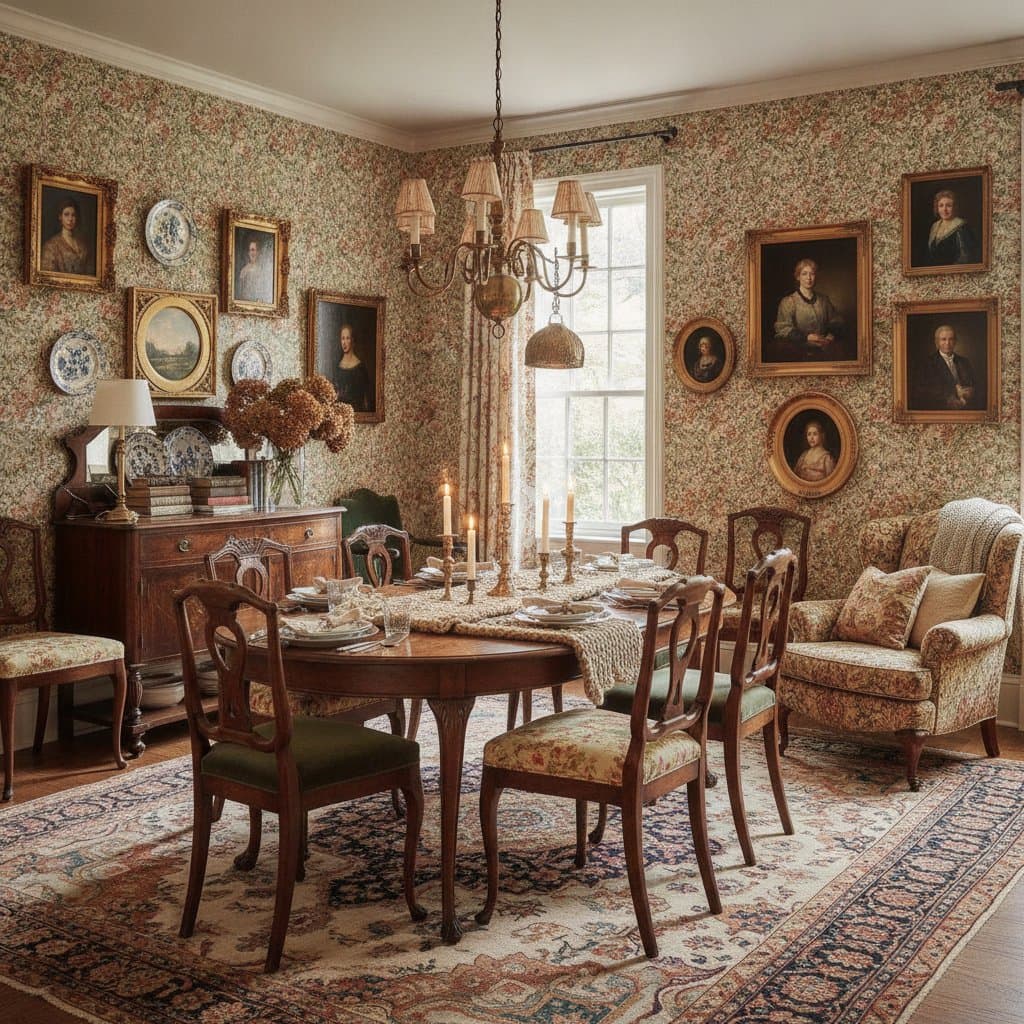
The Enduring Appeal of Grandmillennial Dining in 2026 Homes
Key Takeaways
- Grandmillennial style integrates vintage elements with practical modern features to craft dining areas rich in warmth and reminiscence.
- Patterns, textures, and emotional attachments characterize this aesthetic, honoring inherited items and artisanal quality.
- This approach supports family-oriented lifestyles by providing venues for bonding and shared narratives during meals.
- Worldwide inspirations combined with eco-conscious purchasing habits render the trend both classic and progressive.
Defining Grandmillennial Style
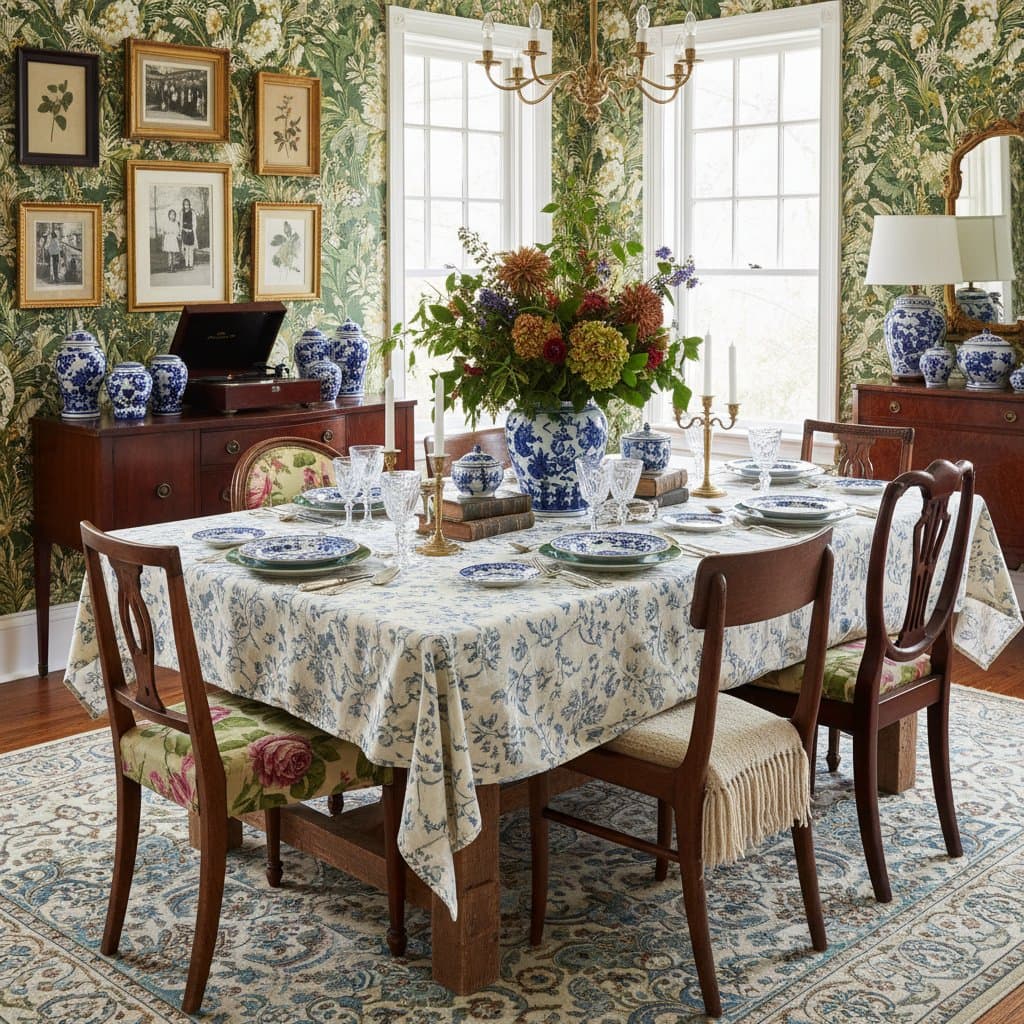
Grandmillennial style goes beyond the simplistic term "granny chic." It represents a heartfelt tribute to classic design principles, enhanced by elements suited to today's routines. This aesthetic pairs the sentiment of hand-stitched linens and intricate porcelain dishware with the ease of current domestic life.
Incorporating Sentimentality into Dining Spaces
Homes hold countless narratives, and dining areas serve as central stages for many of them. Grandmillennial design flourishes through the use of sentimental objects, those inherited, bestowed as gifts, or gathered across years.
Interior historian Clara Mendes observes that individuals increasingly reconnect with their heritage via interior choices. In Portuguese family residences, for instance, the same dining table often endures through generations, with each mark contributing to its evolving tale. Such continuity infuses Grandmillennial dining rooms with profound emotional layers.
If family heirlooms prove scarce, explore local flea markets or thrift outlets for authentic finds. Prioritize pieces that align with personal histories, such as a vintage silverware set reminiscent of childhood gatherings. Authenticity stems from individual resonance, not fleeting social media influences.
Reviving the Dining Ritual
In my residence, the dining area functions as a multifunctional hub for schoolwork, creative projects, and temporary workspaces. Each evening, however, the surface receives a thorough clearing, followed by the placement of taper candles and cloth serviettes. This practice emphasizes cadence over rigid protocol.
Grandmillennial principles promote deliberate engagement with one's surroundings. A thoughtfully curated space encourages frequent utilization, transforming routine meals into cherished occasions rather than hurried interruptions.
Lifestyle expert Francesca Li, who examines dining customs across diverse societies, notes that "in numerous European and Asian homes, the dining table holds the position of emotional core." She views the resurgence of Grandmillennial elements as evidence of a shared yearning to restore such customs. To implement this, designate weekly family dinners with themed settings, like using seasonal botanicals as centerpieces, to build anticipation and participation.
Aligning Sustainability with Grandmillennial Values
The profound appeal of this style partly arises from its commitment to environmental responsibility. In contrast to disposable furnishings, vintage and antique selections endure over time. Opting for pre-owned or refurbished family items minimizes environmental impact while safeguarding irreplaceable artisanal techniques.
Designer Amara Patel, based in Mumbai, highlights that "sustainability and emotional attachment frequently intersect." She advises restoration over outright replacement for her clientele. A refinished table bearing faint imperfections conveys a narrative depth unattainable in mass-produced alternatives.
For households with children, this philosophy imparts lessons in stewardship. An inherited dining set evolves into a tangible link to lineage, prompting discussions about care and legacy during family gatherings. Begin by assessing current furniture for refinishing potential, using natural oils to enhance wood grains and reveal hidden character.
Global Interpretations of Nostalgic Dining
The adaptability of Grandmillennial dining across cultures proves particularly compelling. French versions favor pastoral printed textiles and rustic cabinetry. Japanese adaptations emphasize respect for artisanal pottery and arrangements attuned to the seasons. American expressions blend regional hospitality with relics of mid-century heritage.
These variations unite under the theme of linkage via legacy. Regardless of location, a Grandmillennial dining environment prompts pauses for reflection, enjoyment, and recognition of subtle flaws as virtues.
Observations from international journeys reveal even restrained aesthetics incorporating these nuances. Scandinavian creators, for example, combine heirloom timber pieces with intricate fabrics sourced from Eastern Europe. This integration offers a gentle homage to tradition amid sleek modernity. To personalize globally, incorporate elements like Moroccan tagines for serving or Indian block-printed runners to infuse cultural stories into everyday meals.
Embracing Everyday Life in Grandmillennial Spaces
With a dining area embodying Grandmillennial essence, allow it to evolve organically. Permit wax to accumulate on candlesticks, fabric to crease from use, and seating to reflect traces of daily interactions. The goal lies in authentic presence, not flawless presentation.
The style's lasting power derives from its sincere emotional core. It urges intentional pauses for shared meals and appreciation of durable beauty. Whether accommodating a intimate duo or a lively assembly, the underlying principle persists: homes thrive as arenas for exchanging tales.
Witnessing my children arrange the table with eclectic linens and debating the placement of ornate utensils fills me with optimism. Grandmillennial dining transcends mere aesthetics; it cultivates renewed ties through simple, story-rich routines.