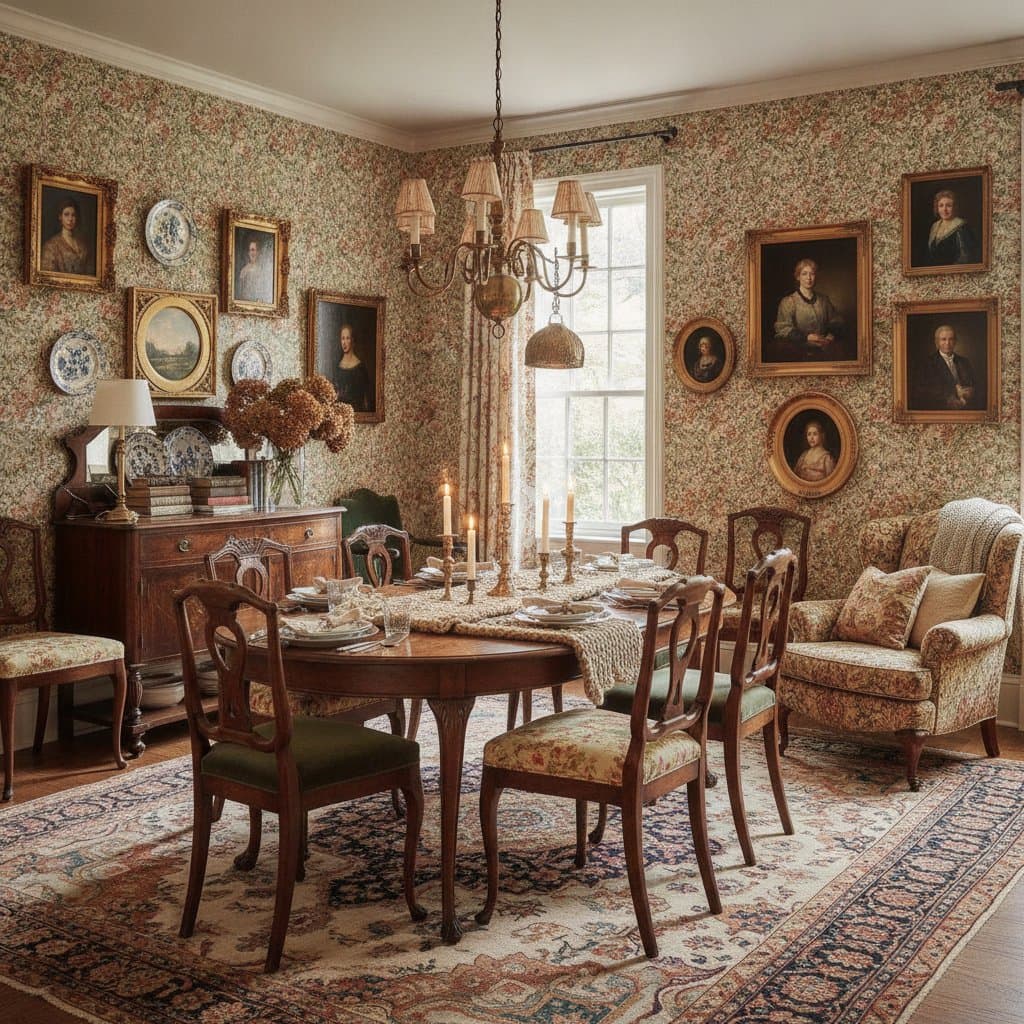
Young Homeowners Revive Grandmillennial Dining Charm
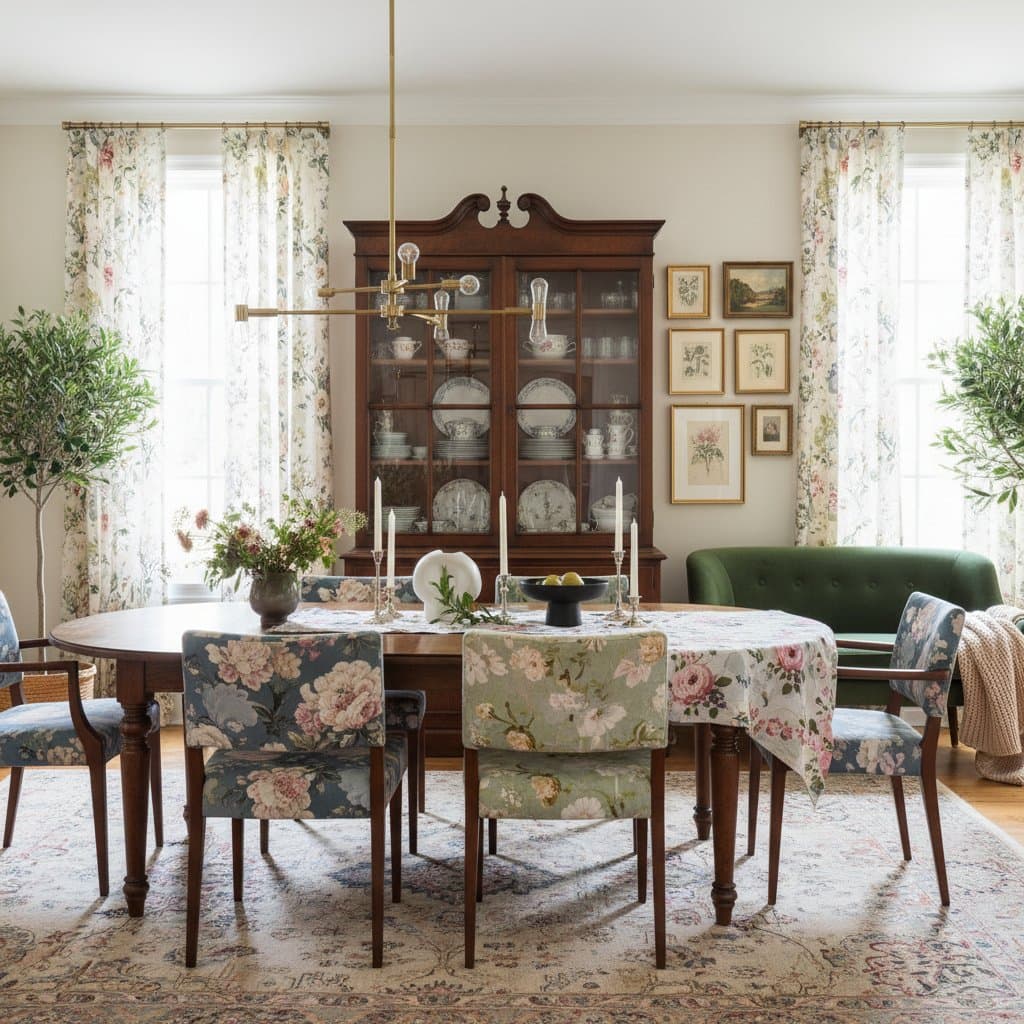
Traditional style receives a contemporary update, particularly in the dining room. Young homeowners rediscover the appeal of china cabinets, floral fabrics, and heirloom silver. They integrate these elements with crisp paint colors, modern lighting, and relaxed styling that avoids any sense of stuffiness. This revival, known as grandmillennial style, emphasizes comfort, craftsmanship, and charm. It represents a sincere return to familiar aesthetics, enhanced by modern adaptations suitable for current lifestyles.
Reasons Grandmillennial Style Resonates Today
Many young homeowners adopt the grandmillennial aesthetic as a counterpoint to prolonged trends in minimalism and monochromatic white interiors. They seek personality, nostalgia, and layered elements that convey narrative depth. The dining room, frequently underutilized in compact homes, provides an ideal canvas for introducing these elaborate details. Rather than maintaining a sterile environment reserved for special occasions, this approach fosters a space that appears gathered and evolved organically over time.
Position the Table as the Core Element
Select a traditional wooden dining table to establish the foundation for this aesthetic. The styling surrounding it determines the overall success. Numerous young homeowners source solid tables from secondhand markets or local thrift stores. A vintage table of quality construction delivers presence and warmth absent in many contemporary alternatives. Prioritize features such as robust build, distinctive leg designs, or a natural patina that suggests history.
To infuse modernity, combine the classic table with varied seating options. Opt for upholstered chairs at the ends in soft floral patterns or muted velvet for added comfort. Pair them with straightforward wooden chairs along the sides to maintain balance. Designer Jamie Cruz advises, "If you find a vintage set that feels too heavy, paint the chairs a creamy neutral or add fresh linen slipcovers. It softens the formality instantly."
- Inspect the table's joints and finish for durability before purchase.
- Measure the space to ensure the table fits without overcrowding.
- Consider extending leaves for flexibility in gatherings.
Incorporate Pattern Through Textiles
Textiles activate the grandmillennial dining room with vitality. Consider drapery featuring block prints, a table runner in ticking stripe fabric, or seats upholstered in subtle chintz. Maintain cohesion in the color palette to ensure the combination appears deliberate rather than chaotic.
Establish two or three consistent colors across fabrics, artwork, and accessories. Classic selections such as pale blue, blush pink, and soft green promote tranquility and warmth. Introduce texture via natural fibers like cotton, linen, and rattan. Place a rattan tray on the sideboard or suspend a woven pendant light over the table to counterbalance the traditional motifs with casual elements.
Textile designer Priya Leland observes, "Pattern mixing works best when you vary the scale. Pair a small floral with a large plaid or a solid with a delicate stripe. The contrast makes the room feel layered but not busy."
- Select fabrics with machine-washable properties for practicality.
- Test patterns in natural light to assess vibrancy.
- Layer textiles gradually to build visual interest.
Integrate the Hutch for Display and Storage
The china cabinet, or hutch, previously viewed as obsolete, experiences a strong resurgence. Style its interior as a curated collection rather than uniform sets. Combine vintage glassware, assorted dishes, and framed artwork to narrate a personal history.
For those without a built-in hutch, utilize a painted sideboard or thrift-store glass-front cabinet. Apply a fresh coat of paint and update the hardware for a transformed appearance. Choose soft hues like sage green, dusty blue, or cream to render these items accessible and timely.
Renters or individuals with limited space can replicate the effect using a narrow bookshelf. Arrange attractive dishes or serving bowls on the shelves, and incorporate baskets below for linens or entertaining essentials. This method delivers functional storage infused with grandmillennial elegance.
Blend Vintage and Contemporary Lighting
Lighting alters a dining room more swiftly than most modifications. Crystal chandeliers retain their popularity, yet combining them with modern silhouettes or unconventional finishes preserves freshness. Experiment with a vintage-inspired fixture in brass or matte black, or select a lantern featuring clear glass for an airy ambiance.
Designer Nick Alvarez recommends, "If your dining room has an older chandelier, keep it but swap the bulbs for soft white and skip the shades. It makes the piece feel less formal." Incorporate wall sconces or a compact lamp on the buffet to enhance warmth and dimension, particularly for intimate meals.
Lighting effectively offsets the opulence of traditional furnishings. A streamlined fixture positioned above an ornate table generates ideal visual contrast between heritage and innovation.
- Assess ceiling height to choose appropriate fixture scale.
- Install dimmers for versatile mood settings.
- Layer ambient, task, and accent lighting for depth.
Infuse Personality via Art and Accessories
Grandmillennial dining rooms flourish through narrative elements. Artwork, mirrors, and gathered objects impart character to walls and surfaces. Favor smaller framed items such as botanical prints, vintage landscapes, or family photographs in varied frames over expansive modern canvases.
Accessories must evoke accumulation rather than arrangement. Include a modest vase of garden flowers, candlesticks in assorted metals, or a stack of linen napkins within a woven basket to enhance the lived-in allure. Reserve the table surface for functionality by limiting adornments.
Interior stylist Lila Greene suggests, "Keep one or two surfaces intentionally bare. It gives the eye a place to rest and prevents the room from feeling cluttered."
Ensure Practicality for Daily Living
Although inspired by traditional design, this style prioritizes usability over fussiness. Homeowners repurpose dining rooms for diverse activities beyond meals, such as workspaces, crafting zones, or game nights. The objective involves creating beauty that supports routine use.
Position a soft rug beneath the table to provide warmth and acoustic control. Select a patterned rug capable of concealing minor spills. Employ washable slipcovers or durable finishes for maintenance ease. For frequent hosts, prepare a bar cart or compact tray stocked with glasses and pitchers to streamline preparations.
This emphasis on functionality distinguishes contemporary grandmillennial design from its antecedents. It honors aesthetics while accommodating authentic daily experiences.
Source and Refresh Vintage Elements
Thrifting constitutes a primary method for assembling this style. Vintage furniture typically exhibits superior craftsmanship and individuality compared to mass-produced modern items. Seek sideboards with dovetail joints, tables featuring turned legs, or cabinets retaining original glass panels.
When refreshing vintage acquisitions, emphasize surface treatments. Perform light sanding, apply furniture wax, or install new brass knobs to alter the aesthetic without obliterating historical essence. For pieces in dark wood, offset them with pale walls or upholstery to avoid a weighted atmosphere.
- Visit estate sales or online marketplaces for unique finds.
- Budget for professional restoration if needed.
- Document the piece's origin to enhance its story.
Cultivate an Evolving Dining Space
The most welcoming dining rooms reflect usage and affection. Employ fine china for ordinary weeknight meals, ignite candles alongside casual takeout, and savor the solace of a setting that honors legacy alongside individuality. Over time, these spaces evolve, mirroring the lives within them.